Free written scope consultation - allowances, timeline, and change-order rules on paper before a single trade is scheduled
Styles & brands we work with
- Kitchen remodeling
- Bathroom remodeling
- Home additions & ADU
- Roofing
- Windows & doors
- Driveway & pavers
- Fence
See the difference
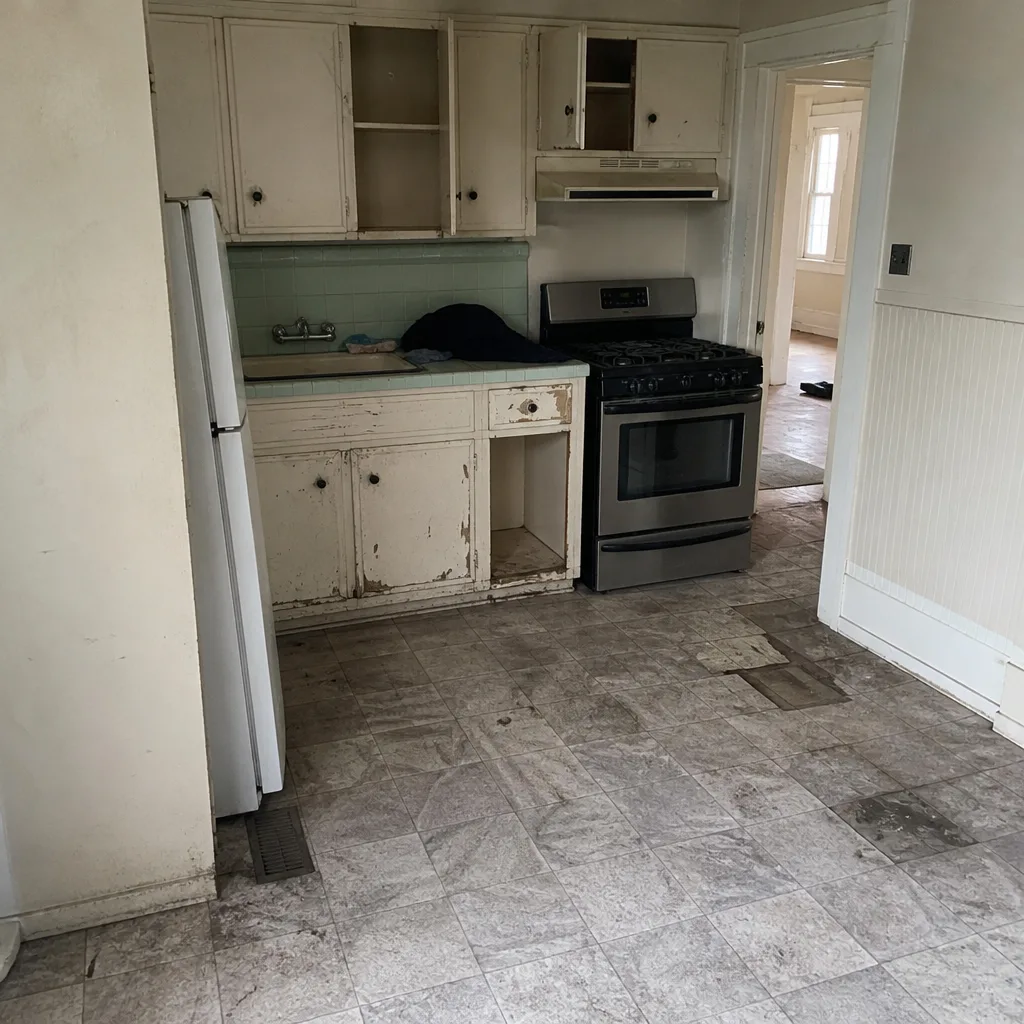 Before
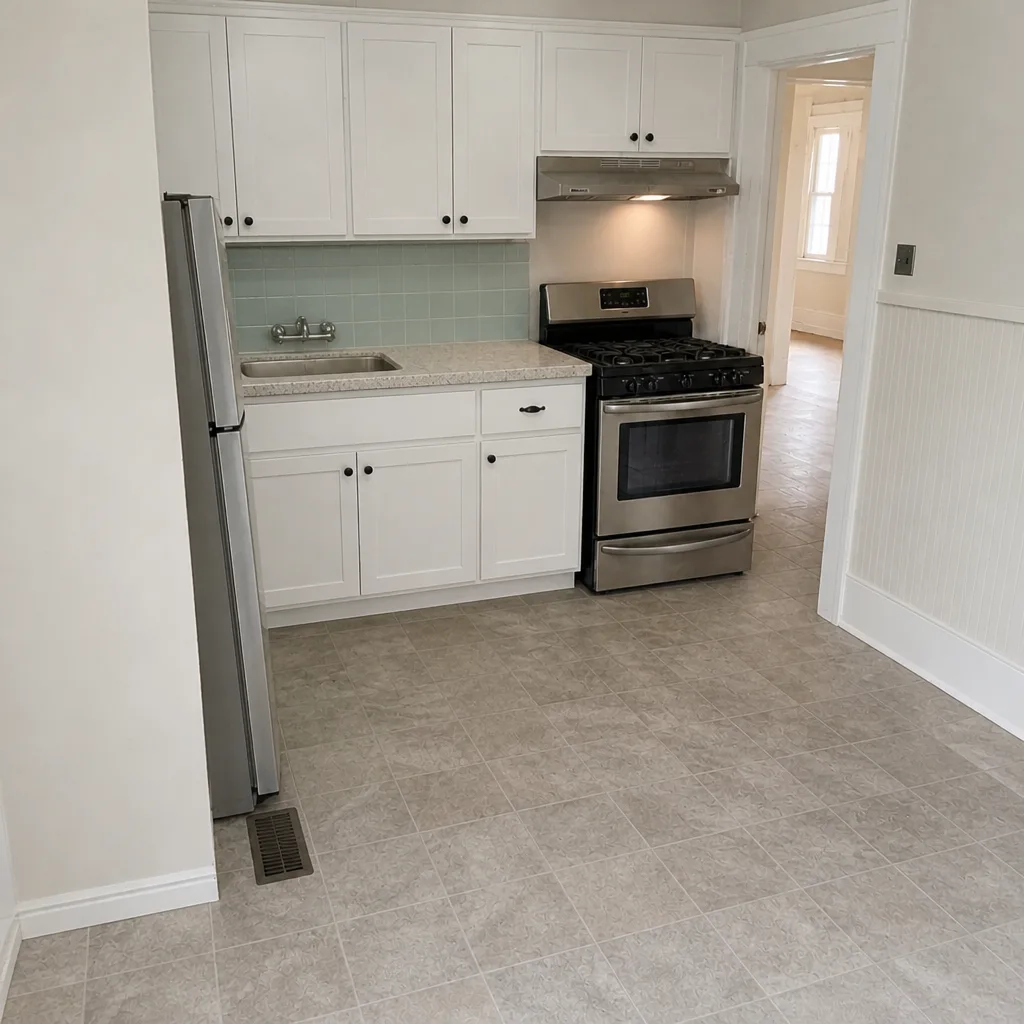 After
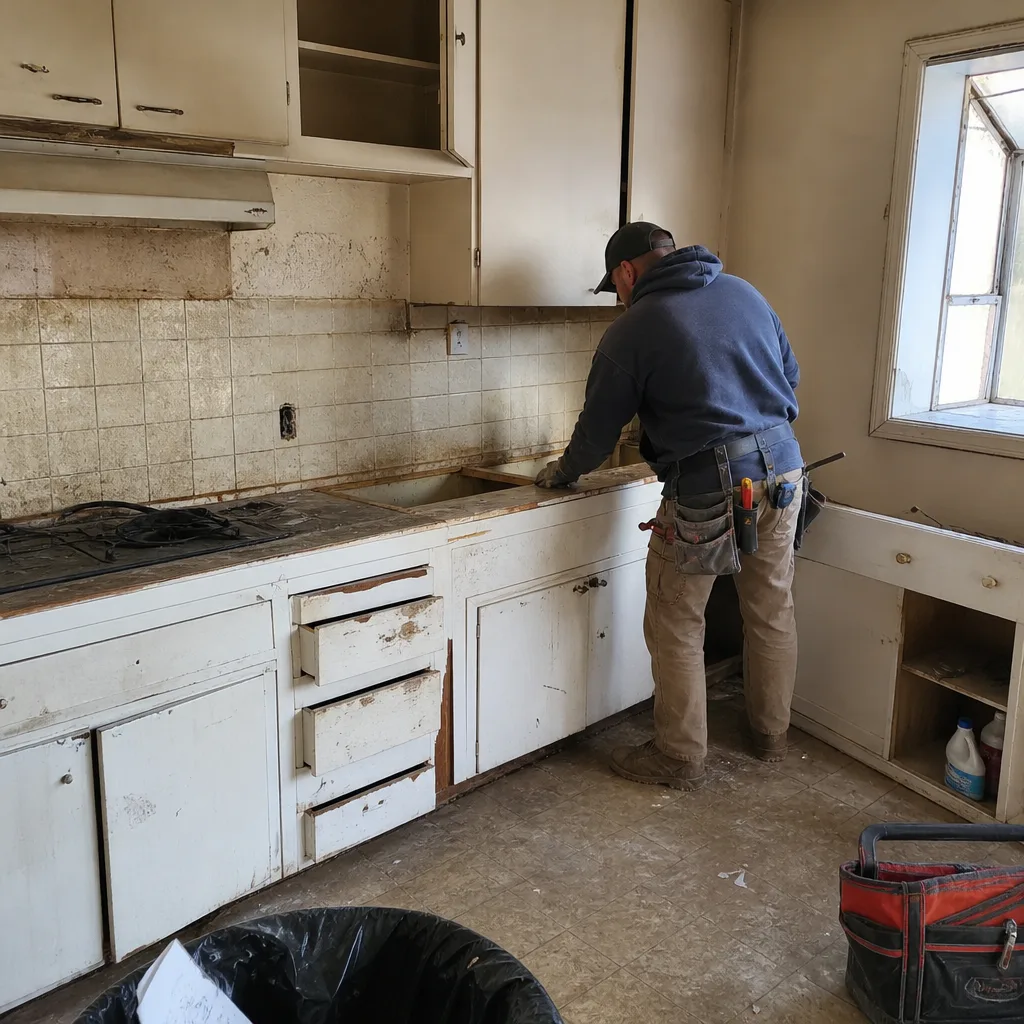 Before
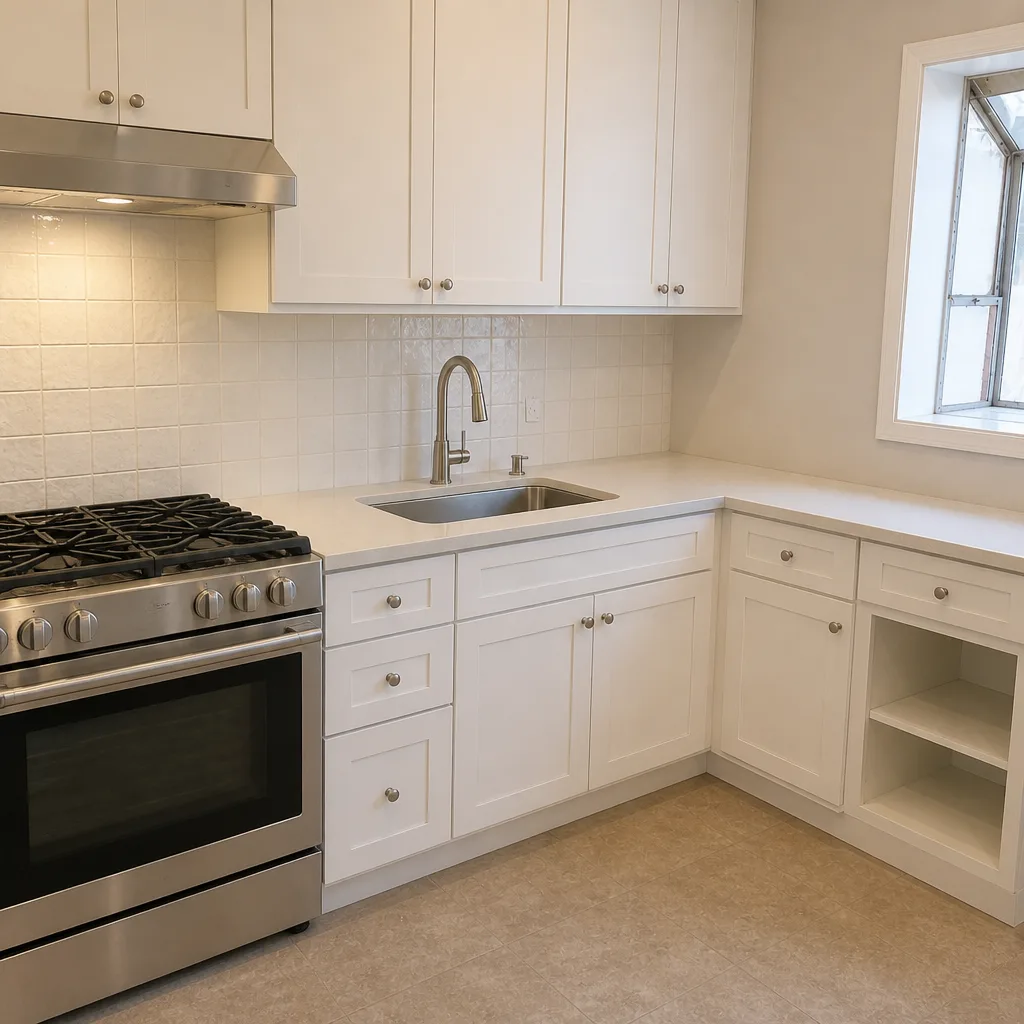 After
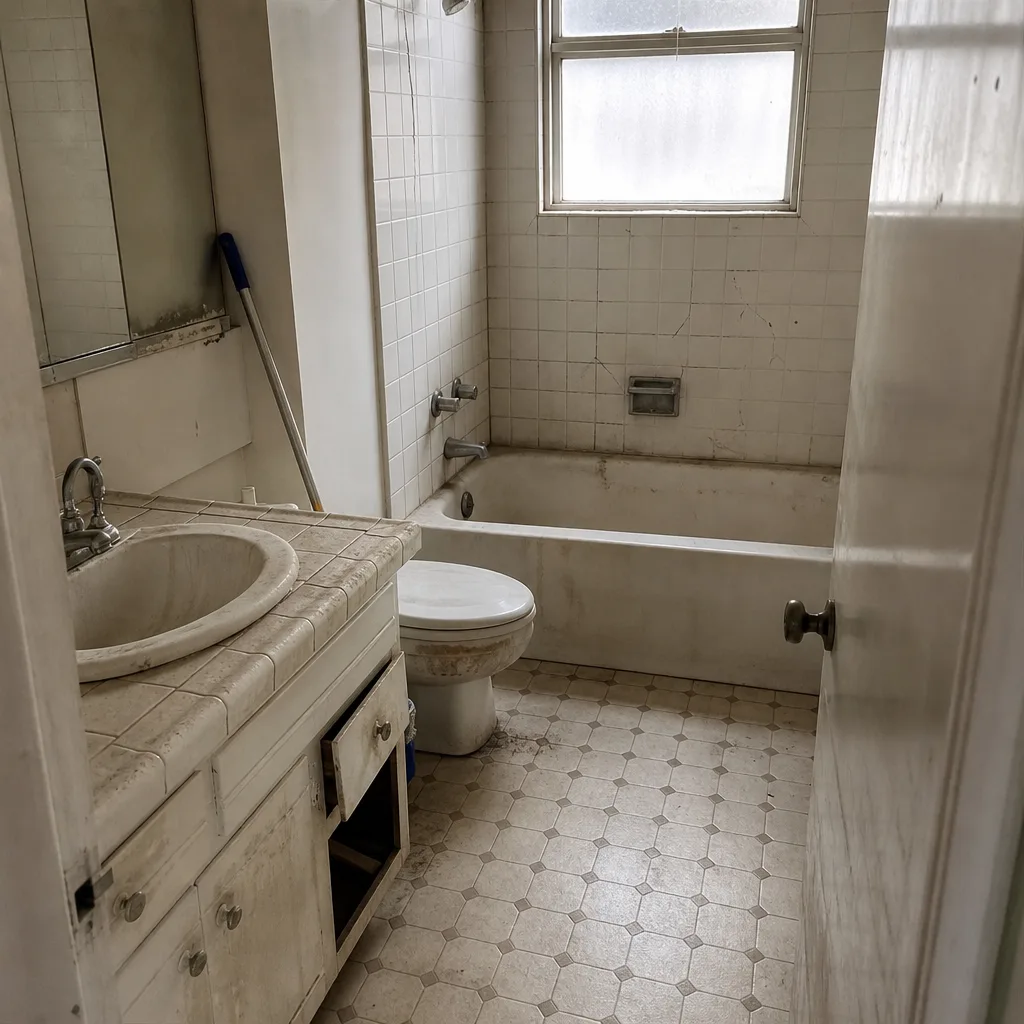 Before
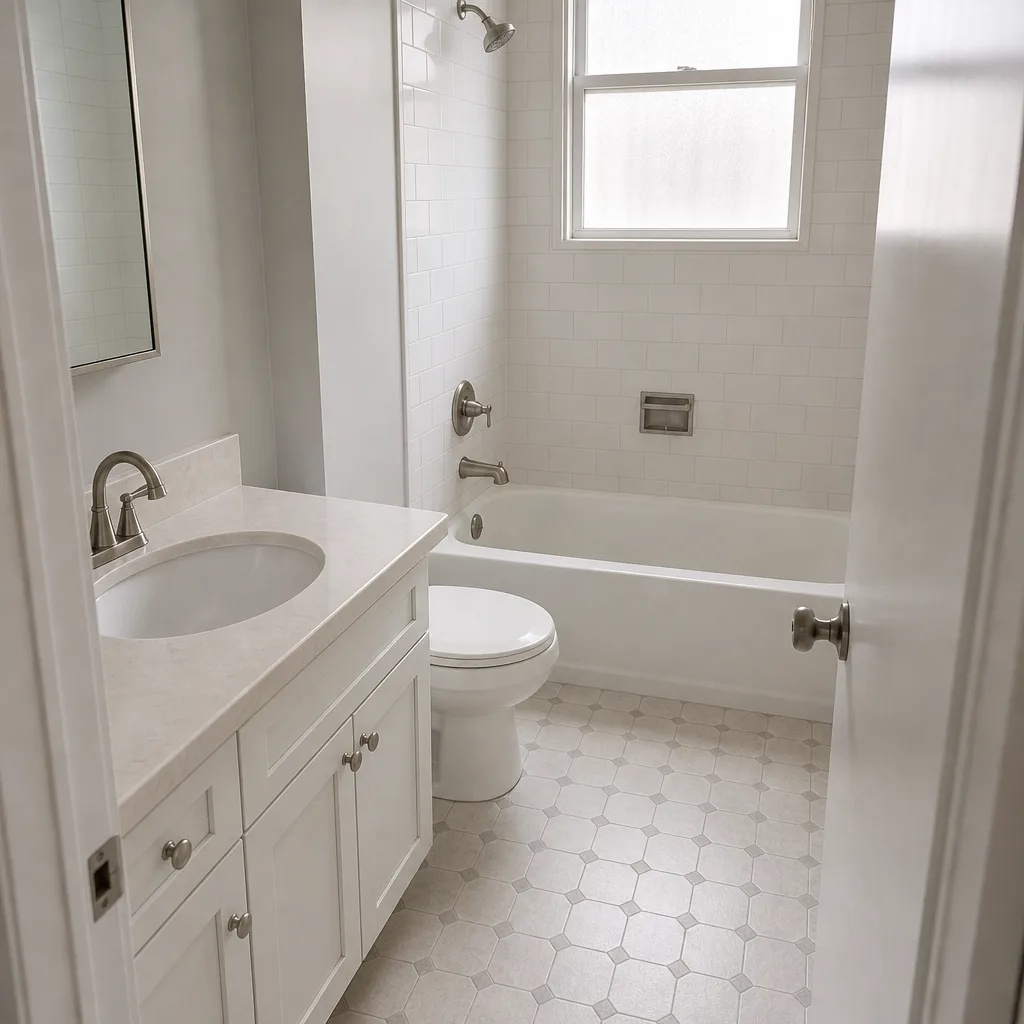 After
Kitchen Island Installation Cost in San Francisco, CA: What the Number Actually Includes
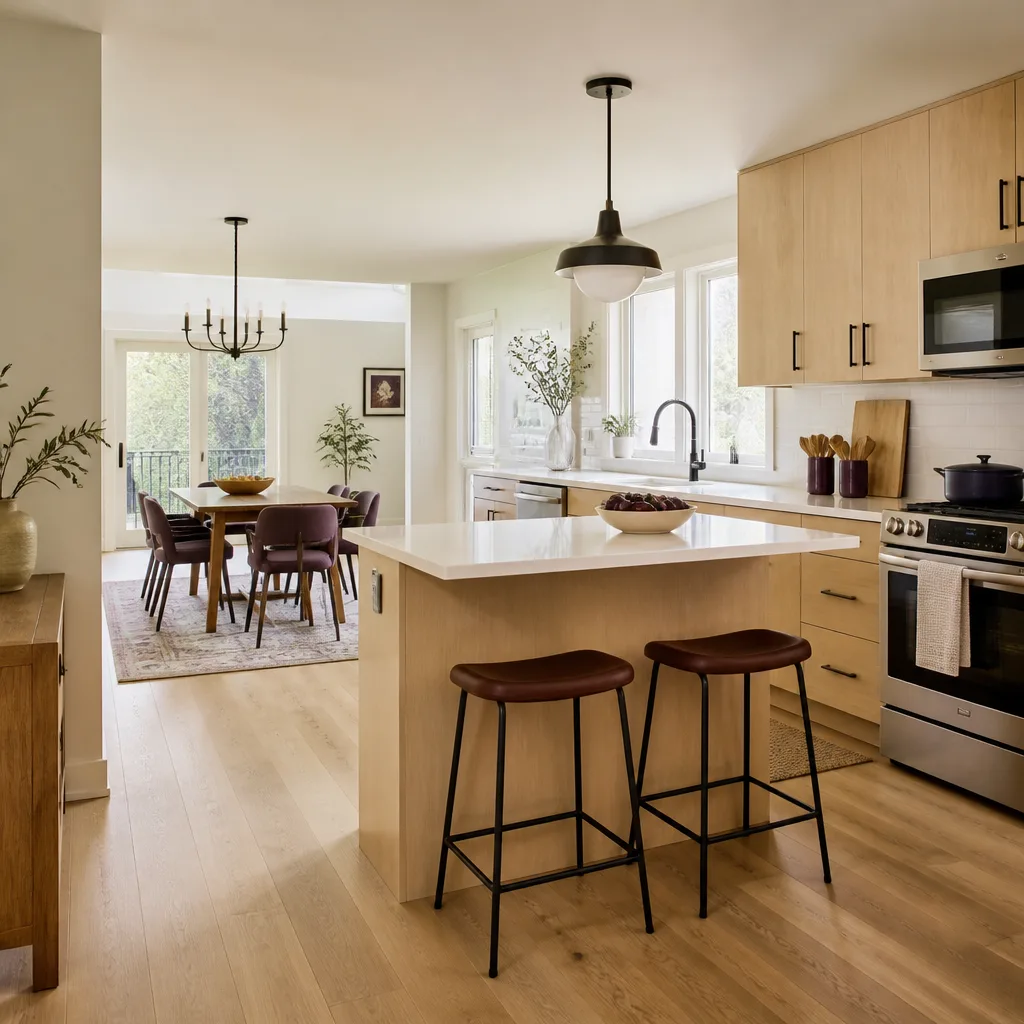
A freestanding kitchen island costs $1,200-$3,500 installed. A fixed island with new electrical circuits and a San Francisco DBI permit runs $6,500-$14,000, and skipping the permit in a city where nearly every sale triggers a disclosure can cost far more at resale. Our broader kitchen island installation work in San Francisco lands between $3,540 and $11,800 in written quotes. The number depends less on the island than on whether your galley can legally take one. Call (844) 797-6388 for a written price before anyone picks up a tool.
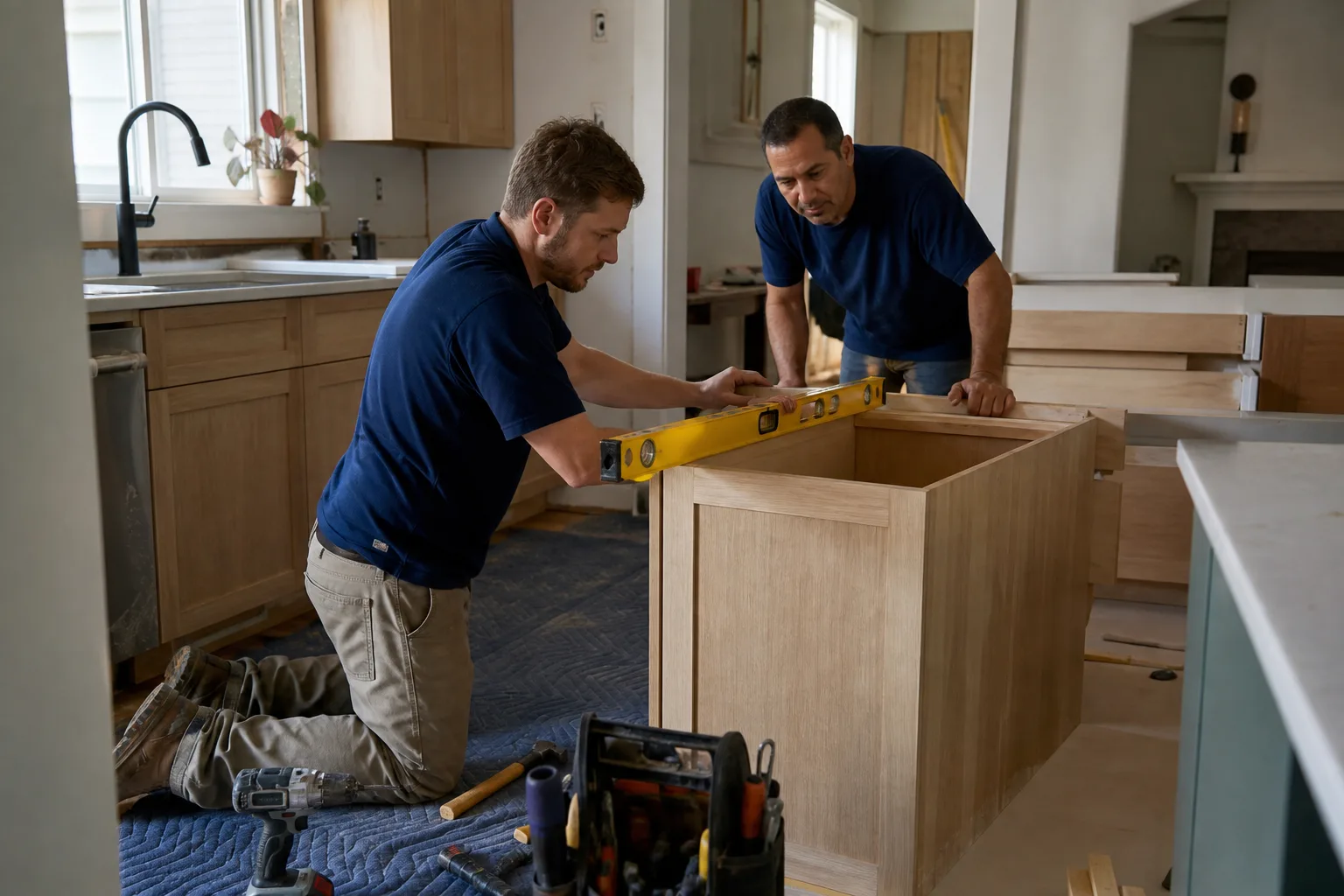
Why the Island Is the Cheap Part in a San Francisco Kitchen
Most San Francisco kitchens were never designed as kitchens. They were carved out of the middle room of a Victorian or Edwardian flat, and the result is a working corridor 9 to 10 feet wide. Drop a fixed island into that corridor and you run straight into the California Building Code clearance rule: 42 inches of clear aisle on each side of a fixed island. In a 9-foot room, that leaves zero margin once you account for counter depth on the opposite wall.
A site measure catches this before the quote is written, not after demo. We’ve measured rooms in Noe Valley where the only legal island is a 24-inch-deep galley unit and nothing wider. We’ve also measured rooms in the Mission where a peninsula makes more sense than an island, and we say so, in writing, before the customer spends a dollar.
That measure costs nothing and it’s the single most useful 20 minutes in the whole project. Under Clause 1 of the Haven Standard, the price is written before anyone starts, and the measure is how the price gets honest.
The Two-Track Cost Structure: Freestanding vs. Fixed
Every island quote we write falls into one of two tracks, and they are not close in price.
- Freestanding (no permit, no structural work): $1,200-$3,500 installed. A cart-style or furniture island. Plugs into an existing outlet. Can be moved. No DBI involvement. This is the right answer in a narrow galley or a rental.
- Fixed with a new 20-amp circuit or plumbing: $6,500-$14,000. Requires a San Francisco Department of Building Inspection permit, an electrical sub-permit, and, in older balloon-frame walls, a real possibility of knob-and-tube abatement before the circuit can be run to code.
That second number is the one competitors leave off the page. It shouldn’t be. A fixed island without a permit is a resale problem waiting to happen in a city that discloses unpermitted work at sale, and the buyer’s inspector will find it.
What the Written Quote Breaks Out
| Line item | San Francisco range |
|---|---|
| Freestanding island, installed | $1,200-$3,500 |
| Fixed island, electrical + permit | $6,500-$14,000 |
| Cambria or Caesarstone slab overhang for seating | $800-$1,800 add |
| Subfloor leveling (sistering or laser-shim to joists) | $400-$1,400 |
| Knob-and-tube abatement before new circuit | $600-$2,200 |
| San Francisco DBI permit + electrical sub-permit | $350-$900 |
| Full fixed island, all-in | $3,540-$11,800 |
That last row matches our kitchen island installation quotes across San Francisco. Every row above shows up on the paperwork, line by line, so the customer can see what the permit costs and what the overhang costs and what the leveling costs, separately.
Countertops Are the Largest Variable, and the Slab Name Goes in Writing
The stone overhang for seating adds $800-$1,800 to the island cost depending on edge profile and slab size. A 12-inch overhang on a 6-foot island needs a hidden corbel or a steel support; a 15-inch overhang needs both. Edge profiles matter too: a mitered edge runs higher than a bullnose because it’s built from two pieces of slab, not one.
Cambria and Caesarstone are both named in the written quote so the customer knows exactly which stone is priced and at what thickness. We don’t sell an “engineered quartz” placeholder. If the quote says Cambria Brittanicca, that’s what gets delivered.
Floors, Joists, and the Cost Most Guides Ignore
Victorian subfloors in San Francisco are often uneven by 3/4 inch or more across a 4-foot span. A fixed island on an unlevel floor rocks, and a rocking island cracks the countertop over time. Sistering the subfloor joists or shimming to a laser level is a documented line item in the quote, not a surprise at the end.
The same goes for what’s inside the floor. We’ve opened up island footprints in Potrero Hill and found a floor joist running exactly where the island was supposed to sit, which means either relocating the island or cutting and heading off the joist. Both are structural work. Both need a signed change order before the crew proceeds. The customer never receives an oral “while we were in there” add-on.
If the footprint check turns up something bigger (a rusted cast-iron drain, a soft joist end), the crew documents the condition, photographs it, and stops until a change order gets signed. That discipline, plus 19 years of technician experience, is what keeps Rowan projects within a few percent of the agreed price across the 4,000-plus jobs we’ve quoted.
Where the Weather and the Street Shape the Quote
San Francisco’s cool, salt-laden air and year-round moisture means exterior-grade materials matter even on interior work. Cabinet boxes that face a west- or north-facing wall into the fog belt get condensation on the back panel, and a poorly ventilated island base swells at the toe kick within a couple of years. We spec moisture-resistant substrate and ventilation gaps behind the base in fog-belt homes, and it’s part of the quote.
Getting the island to the room is its own cost line when you’re off a narrow hill street. On blocks in Russian Hill and Bernal Heights, a delivery truck can’t park at the door, so material gets hand-carried up the stairs. That’s real labor, and it belongs in the number, not in a surprise invoice.
Brands You’ll See in the Written Quote
Island fixtures get named too. A Blanco sink in the island changes the plumbing rough-in; a Moen or Delta faucet over a prep sink changes the valve spec. Those choices show up on the scope page so the customer can compare apples to apples when they bring us a competitor’s estimate. Our Free Second Opinion on any written estimate means we’ll review the other quote line by line at no charge, and tell you honestly what’s missing from it.
If the island is really the first step in a bigger layout change, our Kitchen Remodeling team handles the full scope, and the Kitchen Remodeling in San Francisco page has the ranges for that next tier up, from $16,520 to $53,100. For smaller footprint changes, cabinet installation runs $4,720-$15,340 and countertop installation runs $2,360-$7,670. If you’re comparing against a full remodel, our home services overview is the place to start.
The Permit Part, Without the Fog
San Francisco DBI permits for a fixed island run in a predictable band, but the sub-permit for electrical is separate and the inspection queue is separate. We pull both, schedule both, and hand the customer the permit number and the signed-off inspection card at the end. That paperwork is the difference between a real island and a resale problem.
If a structural engineer’s letter turns out to be required (it often is when a new joist penetration is involved), that’s a $400-$900 line item and it’s priced before the crew shows up. We don’t discover it mid-install.
FAQs
Kitchen island installation in San Francisco runs $3,540-$11,800 for a fixed island, or $1,200-$3,500 for a freestanding cart. The gap comes down to permit, electrical, and subfloor work, all of which we quote in writing before any tool comes out. Call (844) 797-6388 for an exact number.
You need a DBI permit for a fixed island with a new circuit or plumbing. A freestanding cart that plugs into an existing outlet does not require one. Skipping the permit is the expensive mistake; it surfaces at resale. Call (844) 797-6388 and we’ll tell you which track your island falls on.
Often no, and we’ll say so after the site measure. California Building Code wants 42 inches of clear aisle on each side of a fixed island, and a 9- or 10-foot galley leaves no margin once you count counter depth. A peninsula or freestanding cart is usually the honest answer. Call (844) 797-6388 to schedule the measure.
Replacement is usually cheaper than a structural repair once the old island is out, because the labor to reopen walls and floors for a repair often exceeds the cost of a new fixed base. We’ll price both and put the numbers side by side. Call (844) 797-6388 for a free second opinion on any estimate you already have.
Get the Number in Writing
Rowan Construction Group San Francisco quotes every island project with a flat written price, a written scope, and the permit cost baked in, so the number you agree to is the number you pay. Our technicians carry up to 19 years of experience, and every visit includes a documented photo record. Call (844) 797-6388 for a free estimate.
Written by the team at Rowan Construction Group San Francisco, serving San Francisco, CA.
What Our Customers Say
"Talked us out of the larger scope we came in asking for, because it would not have added the value we thought."
- Emil R."Fence and retaining wall along a sloped boundary. They photographed the footing depth at each post, which mattered when the county inspector came."
- Iona F."Driveway replaced properly with a base that will actually last. They explained why the cheaper quote was cheaper."
- Reggie O.