







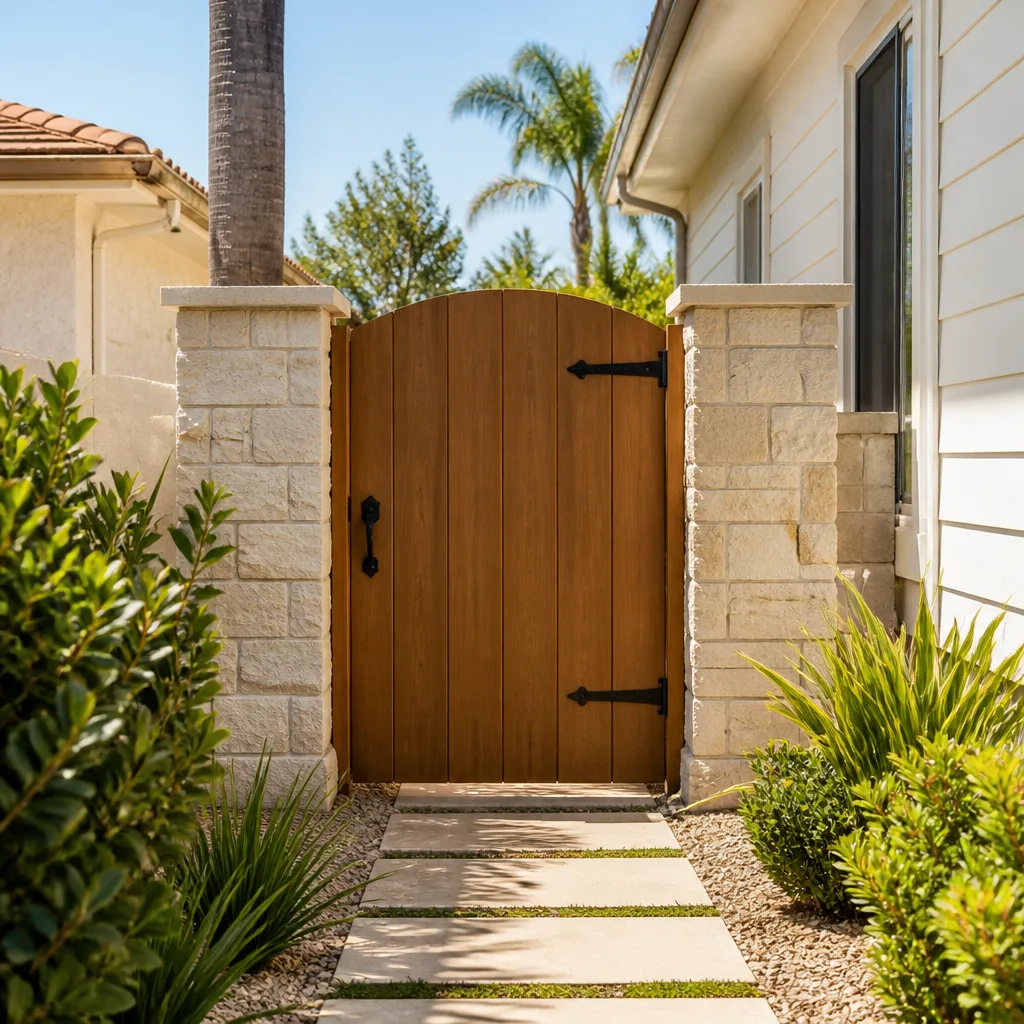
Free written scope consultation - allowances, timeline, and change-order rules on paper before a single trade is scheduled
Styles & brands we work with
- Kitchen remodeling
- Bathroom remodeling
- Home additions & ADU
- Roofing
- Windows & doors
- Driveway & pavers
- Fence
See the difference
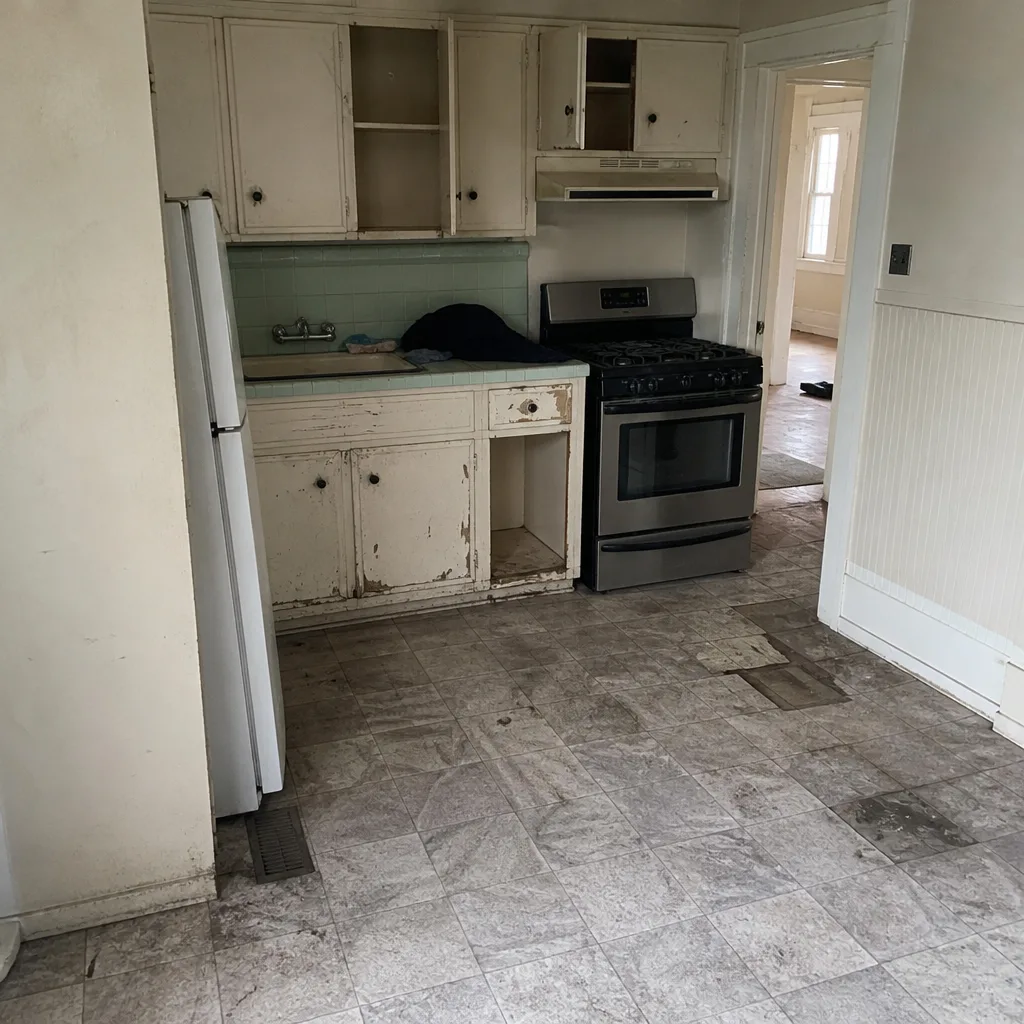 Before
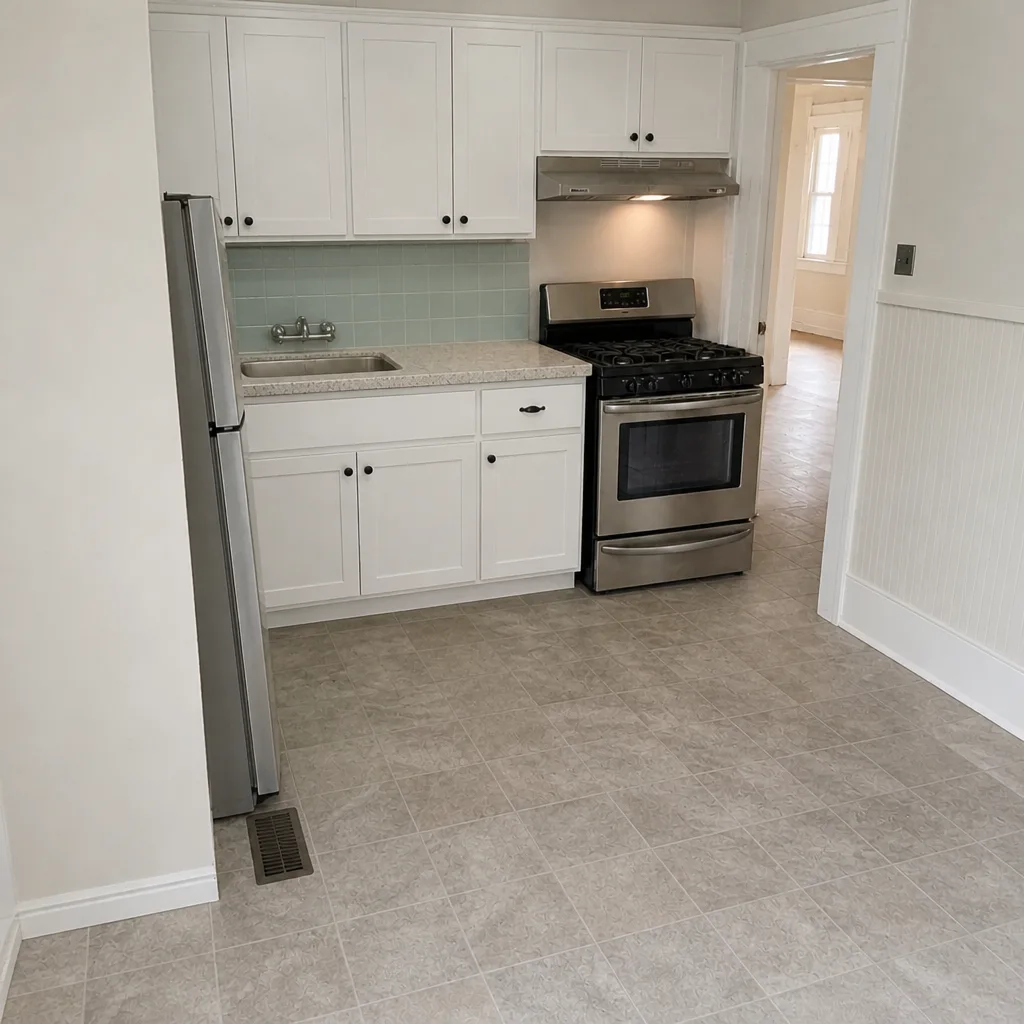 After
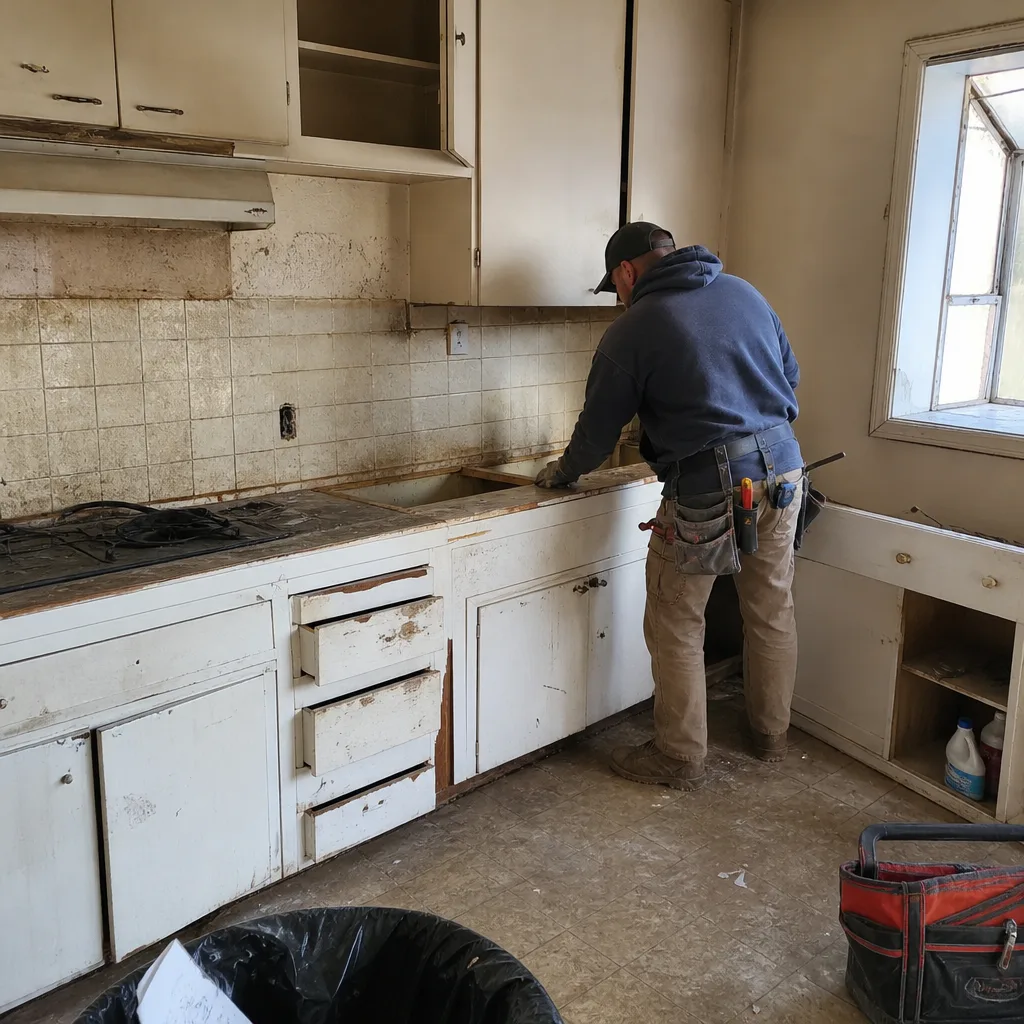 Before
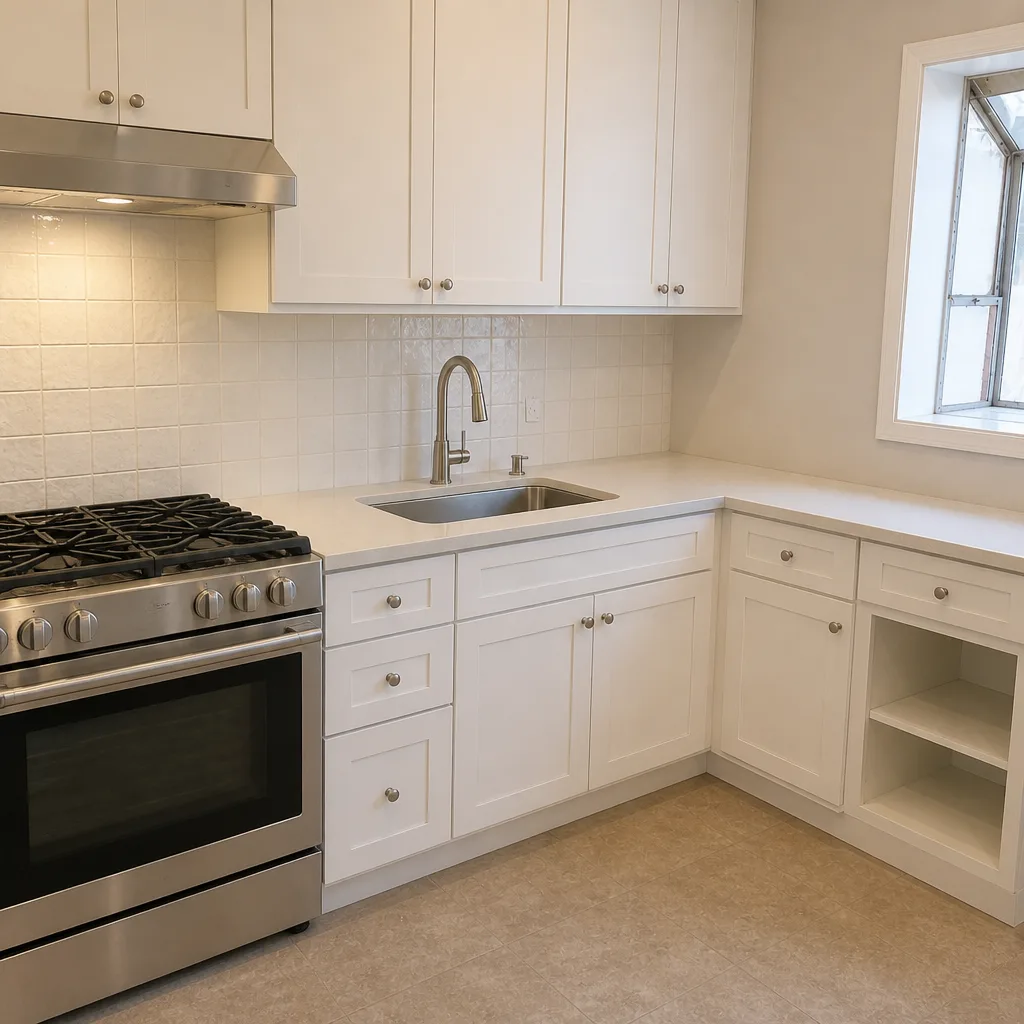 After
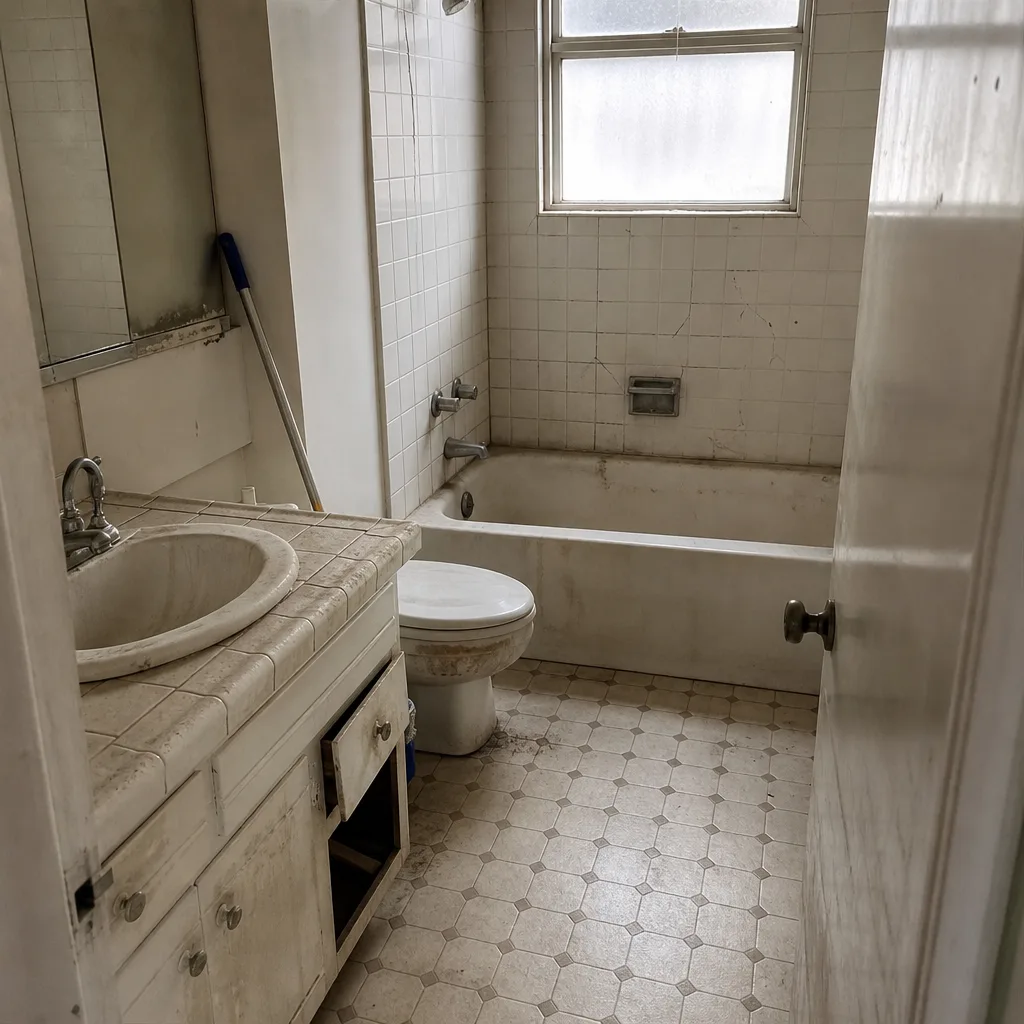 Before
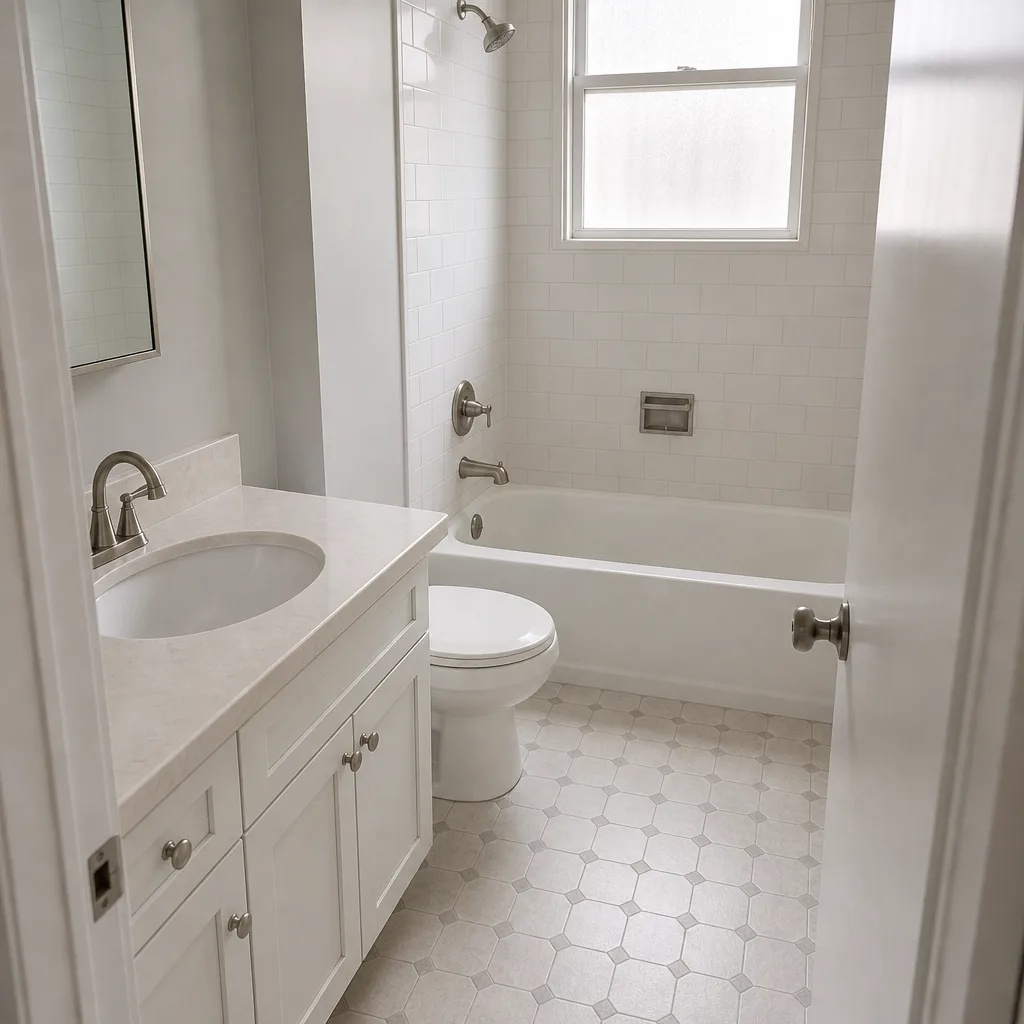 After
General Contractor vs Handyman in San Francisco: Which Do You Actually Need?
Choose a licensed general contractor unless the work is a true minor repair – and in California, “minor” has a legal definition, not a feeling. That definition is California Business and Professions Code Section 7048: above $500 in labor and materials, a contractor’s license is required. A handyman legally cannot pull a permit. In San Francisco, where unpermitted work on a pre-1906 Victorian can produce a Planning Department Notice of Violation recorded against the deed, the wrong hire is a title problem, not a scheduling problem. Call Rowan Construction Group San Francisco at (844) 797-6388 to see where your job lands.

The $500 Line Is Where This Decision Usually Gets Made
The threshold applies per job, not per trade. That distinction trips people up. A homeowner reasons that installing a bathroom vanity is “just one thing,” and a handyman quotes it cheerfully. A $600 vanity install is legally the same licensing territory as a full kitchen remodel. The $500 figure doesn’t care that the job is small.
Here’s the same math in San Francisco pricing. Bathroom vanity installation runs $945-$3,540. Cabinet installation runs $4,720-$15,340. Even a backsplash sits at $945-$2,950. Almost nothing a handyman can legally touch on those jobs is above the line – which means the work is either sub-$500 tinkering or it needs a licensed contractor. There’s very little honest middle ground.
What a handyman can do honestly: replace a doorknob, patch drywall, install a shelf, adjust a gate. What a handyman cannot do: pull a permit, coordinate licensed subs, or hand you a written scope that survives an inspection.
Why San Francisco Makes the Stakes Higher Than Most Cities
Balloon-frame construction and lath-and-plaster walls conceal knob-and-tube wiring in roughly 40% of pre-1930 homes here. A handyman opening a wall to change a box – even for a light fixture swap – can expose wiring that requires a licensed electrician. Now you have an open wall, an HR violation waiting on the building department’s radar, and no paper trail showing who did what.
The parcel geometry compounds it. Most San Francisco Victorians and Edwardians sit on 25-foot-wide lots built out to the sidewalk, sharing a party wall with the neighbor on both sides. An unpermitted structural change – a door widened, a load-bearing wall partially removed for an open kitchen – is visible to any adjacent owner. A single complaint triggers a full DBI stop-work order. On a hillside block in Noe Valley or Potrero Hill, that stop-work order can’t be un-stopped until the work is legalized, and legalizing unpermitted work is not a paperwork exercise: it can run $15,000-$40,000 to remediate and bring the structure into compliance, sometimes more.
We see this regularly in the older stock off Potrero and the narrow lots running up Russian Hill – work done cheap, discovered at resale, priced back into the deal. The remediation never costs less than doing it right the first time.
The notice that follows the property, not the person
A Planning Department Notice of Violation on unpermitted work is recorded against the deed. Every future buyer’s title search finds it. It doesn’t matter that the previous owner hired the handyman; the next homeowner inherits the problem and the remediation bill. That’s the specific mechanism most comparison articles skip – and it’s the one that should actually drive the decision.
What a General Contractor Coordinates That a Handyman Can’t
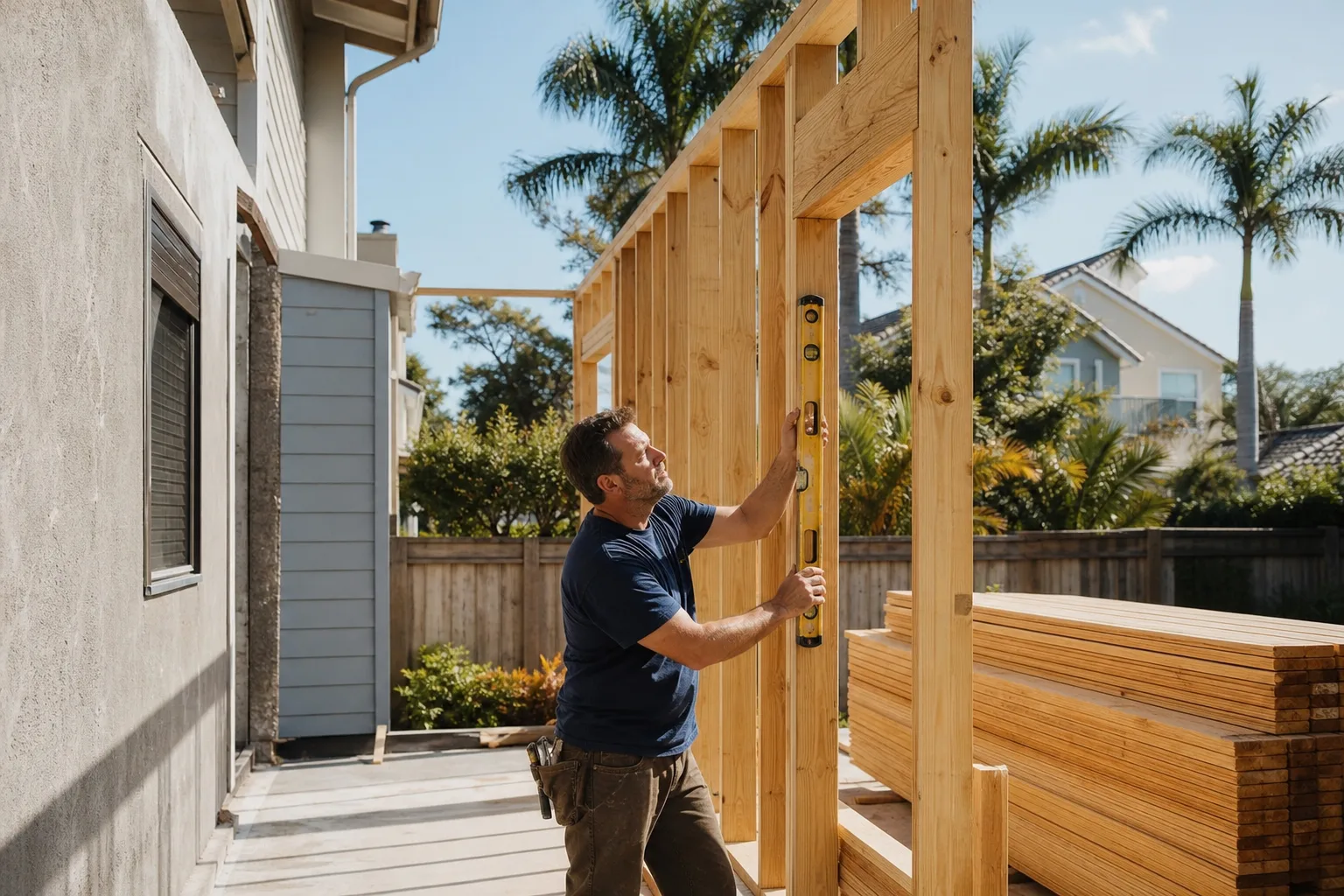
The difference isn’t contract size. It’s coordination. A GC is the licensed entity that pulls the permit, sequences the trades, and produces a record. On a San Francisco pre-1906 building, opening a wall is a multi-trade event in sequence – demo, electrician to inspect and remediate, framing inspection, then close-up. A handyman is a single-skill operator. A GC is the coordination layer that makes each trade accountable to the next.
At Rowan, the accountability is written into how we work. Under The Haven Standard, no work proceeds on a change until the change order is signed – the price is written before anyone picks up a tool, not invoiced after. Our technicians are background-checked and uniformed, a live person answers calls 24/7, and every visit includes a documented photo record as a standard deliverable. When a city inspector arrives unannounced, there’s a paper trail that shows who did what, when, and against which signed scope. That’s not something a handyman arrangement can replicate.
- Coverage: Kitchen Remodeling, Bathroom Remodeling, Roofing, Windows and Doors, Fence Installation, Driveway and Pavers, and Home Additions including ADUs – seven trades, one licensed contractor, one scope.
- Pricing: A flat written price before work starts on every trade. “Call for a quote” is not how we operate.
- Guarantee: The 365-Day Done Right Promise – if it’s not done right, we make it right. Backed by terms, not a handshake.
- Second opinion: A Free Second Opinion on any written estimate. Bring a competitor’s quote and we’ll review it line by line, at no charge.
- Credentials: State-licensed, insured and bonded. Our technicians have up to 19 years of experience.
Side-by-Side: Handyman vs General Contractor in San Francisco
| Question | Handyman | Licensed General Contractor (Rowan) |
|---|---|---|
| Can pull a permit? | No | Yes |
| Legal work above $500 per job? | No | Yes |
| Handles multi-trade coordination (electric, framing, plumbing)? | No | Yes |
| Signed change orders before scope changes? | Rarely, if ever | Always, under Clause 1 of the Haven Standard |
| Written flat price before work begins? | Often invoiced after | Always, in writing |
| Documented photo record of every visit? | No | Yes, standard |
| Backed by a written 365-day guarantee? | No | Yes – the 365-Day Done Right Promise |
| Best fit for | Sub-$500 minor repairs | Anything that touches a wall, a permit, or a structure |
The short version: use a handyman for the shelf, the knob, the drywall patch. Use a general contractor the moment the work crosses $500 in real dollars, opens a wall, requires a permit, or involves more than one trade. In San Francisco, that moment arrives faster than most homeowners expect.
Common San Francisco Jobs, Mapped to the Right Hire
Fog-belt conditions make this concrete. The west and north faces of the city get persistent condensation and rot on painted wood siding and ironwork – so the exterior maintenance on old Victorians is constant, and it’s the kind of work that needs licensed eyes, not a trowel and good intentions.
- Countertop Installation ($2,360-$7,670): GC. Above the threshold, involves plumbing and cabinetry coordination.
- Walk-In Shower Installation ($5,310-$14,160): GC. Waterproofing membrane work behind the tile is a permit-and-inspection item in San Francisco.
- Roof Repair ($470-$2,125): Depends. Small patch under $500 can be handyman territory; anything involving shingle layer count, decking, or a roofer’s warranty needs a licensed roofing contractor. We install GAF and Owens Corning systems when a full replacement is warranted.
- Vinyl Fence Installation ($4,130-$10,620): GC. Fence lines on zero-lot-line parcels almost always touch a property line or a party-wall question.
- Garage Conversion ($35,400-$94,400) or ADU Construction ($106,200-$259,600): GC, non-negotiable. Permits, seismic, and zoning all in play.
The honest recommendation: if you’re wondering whether a job needs a GC, it probably does. The Free Second Opinion on any written estimate exists precisely for that moment – bring whatever quote you have, and we’ll tell you plainly whether it needs a licensed contractor or not.
FAQs
No. California Business and Professions Code Section 7048 requires a licensed contractor for any work over $500 in labor and materials – and it applies per job, not per trade. A handyman cannot legally install a $600 bathroom vanity in San Francisco, let alone open a wall for a structural change. Call (844) 797-6388 for a free second opinion if you’re unsure which side of the line your job falls on.
The Planning Department can issue a Notice of Violation recorded against the deed, which every future buyer’s title search will find. Remediating and legalizing the work can run $15,000-$40,000 or more depending on scope. The notice follows the property, not the person who hired the handyman – so the next owner pays. Call (844) 797-6388 before work starts to avoid that outcome.
Cheaper on the invoice, rarely on the total cost. A handyman’s day rate looks lower, but the moment a permit is required or a multi-trade job comes into play, the rework, the stop-work order, and the legalization cost most projects swallow the savings. Rowan delivers a written flat price before work starts – kitchen remodels run $16,520-$53,100, bathroom remodels $10,620-$33,040 – and a signed change order before any scope shifts. Call (844) 797-6388 for an exact quote; estimates are free.
Same-week scheduling is often possible for non-permitted work, but permits on structural or mechanical work add DBI review time. Rowan’s team is background-checked, uniformed, and a live person answers calls 24/7 – so you’ll know the timing before you commit to anything. Call (844) 797-6388 to check current availability.
Ready to Decide?
If you’d rather have it looked at, Rowan Construction Group San Francisco offers a no-pressure assessment in San Francisco – call (844) 797-6388. We’ll tell you honestly whether your job needs a licensed general contractor or would be fine with a handyman, and if it’s ours, you’ll have a written price before anyone picks up a tool. Not sure where to start? Explore the full range of what we do on our home page.
Written by the team at Rowan Construction Group San Francisco, serving San Francisco, CA.