
Free written scope consultation - allowances, timeline, and change-order rules on paper before a single trade is scheduled
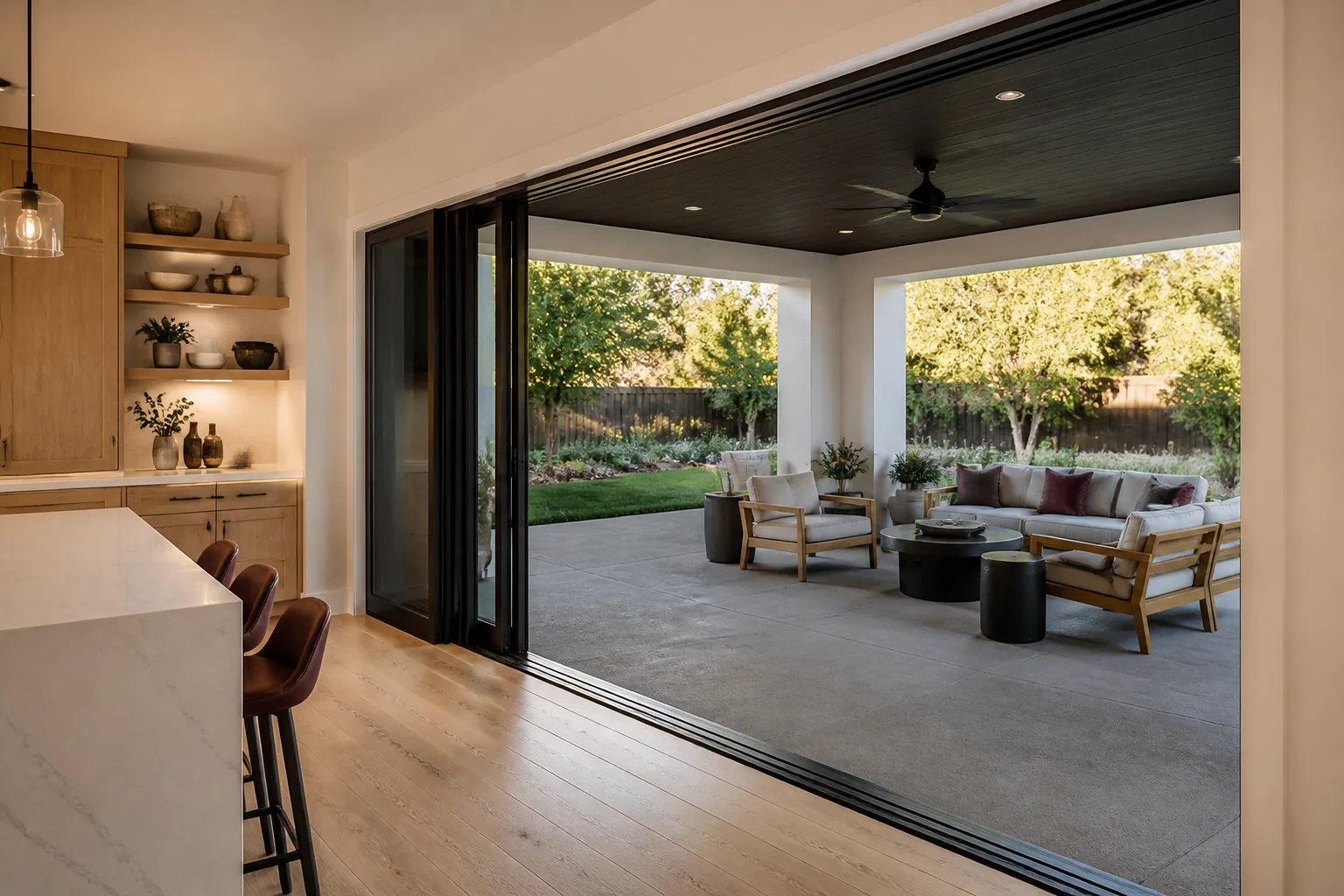
Cambria is quartz, not stone in the granite sense, and that changes what a San Francisco kitchen remodel is actually built around: slab layout, seam placement, edge profile, substrate flatness, and the cabinet run that has to hold it. Cambria is a brand we fabricate and install around, and that’s the work we do. We’re an independent Cambria service provider; we’re not affiliated with or authorized by Cambria. Here’s what a Cambria kitchen in San Francisco costs, what fails, and how we run the job.
This page is for anyone with Cambria slabs already in the kitchen, or planning to buy them, and who wants a written price before anyone touches a saw. Call (844) 797-6388.
How Cambria Products Fail – and How We Fix Them
Quartz fails differently from granite or marble. The resin system, the slab thickness, and how the slab was handled before it reached your kitchen matter more than the stone itself. Five things we see repeatedly in San Francisco:
- Seam shadowing along a lighting axis. Cambria slabs come in book-matched runs from the same lot, and if two adjoining panels come from different pours, the seam reads as a visible line rather than a disappearing joint. This shows up in lighter Cambria series like Swanbridge and Montgomery more than darker ones. We check lot numbers against the slab order before cutting and require matched pours; if the supplier can’t confirm, the job waits a day.
- Substrate deflection under a cantilevered overhang. Cambria wants a fully supported substrate. A 12-inch overhang on a 2cm slab with no corbel or steel angle underneath develops a hairline stress line along the back edge, usually within the first heating season. We specify 3cm for overhangs past 10 inches, or add a hidden steel angle, and we tell the customer which one we’re doing and why.
- Fabrication-side chipping on the manufactured edge. Every Cambria edge is fabricated, not natural, and a shop running a worn profiling bit on a tight ogee will chip along the resin-rich top surface. The chips don’t crack, but they don’t polish out either. Our fabricators cut Cambria at a slower feed rate than granite and run a fresh edge profile on the final pass. This is a process detail, not something Cambria’s own material data covers.
- Heat shock from a pan set directly on the surface. Quartz resin is heat-sensitive. A cast-iron skillet off a gas burner at 500°F set on a Cambria counter can leave a dull spot or a visible thermal mark in the resin. We install a trivet zone or a metal landing strip near the range as part of a full remodel, and we name the reason in the scope rather than handing over a care sheet.
- Cabinet-run out-of-square showing up as a visible reveal. San Francisco pre-1940 houses (the Sunset, Noe Valley, the Mission, Bernal Heights) have walls that are out of plumb by ½ inch or more across a 10-foot cabinet run. Cambria slabs don’t flex, so an ⅛-inch cabinet-out-of-square becomes a ⅜-inch gap at the front edge. We laser-scan the wall before templating and shim the cabinet run, or we sister a new subframe, before the slab is cut.
Our Cambria Kitchen Remodeling Process
A Cambria kitchen in San Francisco runs 2 to 4 weeks of on-site work after the slab arrives, depending on scope, and the slab lead time is the long pole – usually 3 to 5 weeks from order in the current market. The process:
- 1
On-site measure and written scope. We come out, laser-scan the walls and cabinet run, photograph the substrate, and hand you a flat written price before we leave. No verbal estimates.
- 2
Slab selection and lot matching. We go to the slab yard with you or pull the lot numbers ourselves. Every Cambria panel on the job comes from the same pour where the design allows. Where it doesn’t, the seam placement is drawn on the plan and signed off before cutting.
- 3
Cabinet and substrate prep. If the cabinets are staying, we verify plumb and shim. If they’re being replaced, we set them level and square, because a Cambria slab exposes every deviation. This is the step most shops skip and most seam complaints come from.
- 4
Template and fabricate. The template is cut on site and the slab goes to the shop. We hold the template for the cut approval, and the customer signs it. Corner radius, edge profile, sink cutout position, and seam location are all on that template.
- 5
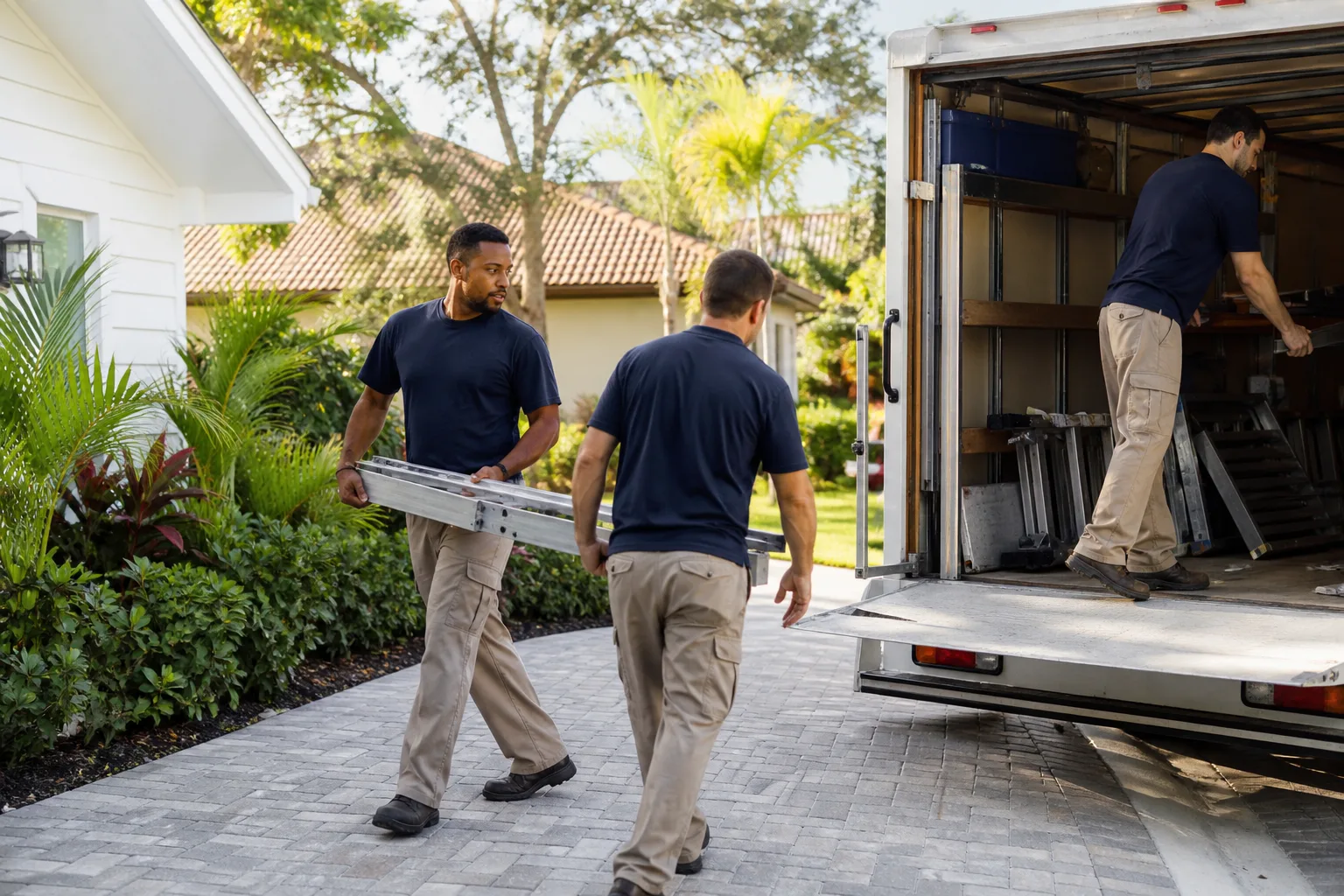
Install and inspect. Slab comes in on a truck and goes in with a cup and a four-person crew, because a 2cm Cambria panel at 9 feet is heavy and unforgiving. Seams are glued, color-matched, and hand-finished. Every job gets photographed before, during, and after – a written record of substrate condition, seam placement, and edge profile.
- 6
365-Day Done Right Promise. If a seam shadow, a chip, or a stress line develops within a year, we fix it. That’s under the Haven Standard, and it’s written on the contract, not verbal.
Styles & brands we work with
- Kitchen remodeling
- Bathroom remodeling
- Home additions & ADU
- Roofing
- Windows & doors
- Driveway & pavers
- Fence
What Cambria Kitchen Remodeling Costs in San Francisco
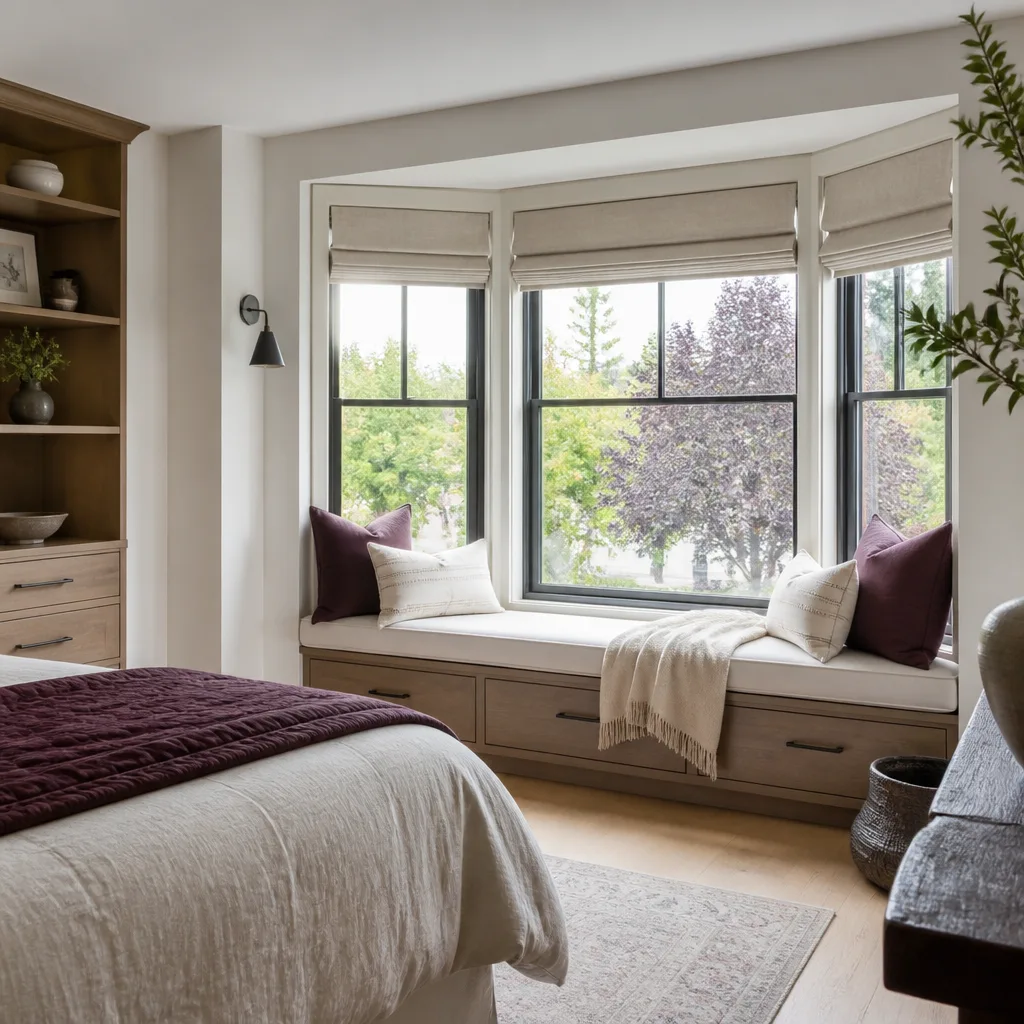
A full kitchen remodel in San Francisco with Cambria countertops runs $16,520 to $53,100 depending on whether the cabinets are being replaced and what else is moving. The Cambria line-item itself is a fraction of that. What moves the number:
- Cabinet replacement or refacing (the biggest swing, and the reason cabinet-grade work shows up on most Cambria jobs)
- Wall removal or moving a gas range outlet, which pulls permits in San Francisco and adds inspection time
- Backsplash selection and whether the Cambria goes up the wall as a full-height slab or stops at a 4-inch splash
- Island additions, which change the slab count and the seam plan
Call (844) 797-6388 for a free written estimate – we’ll give you a flat price and a written scope before anyone touches the kitchen. Every job gets a documented photo record, and every visit runs with background-checked technicians who carry their work order.
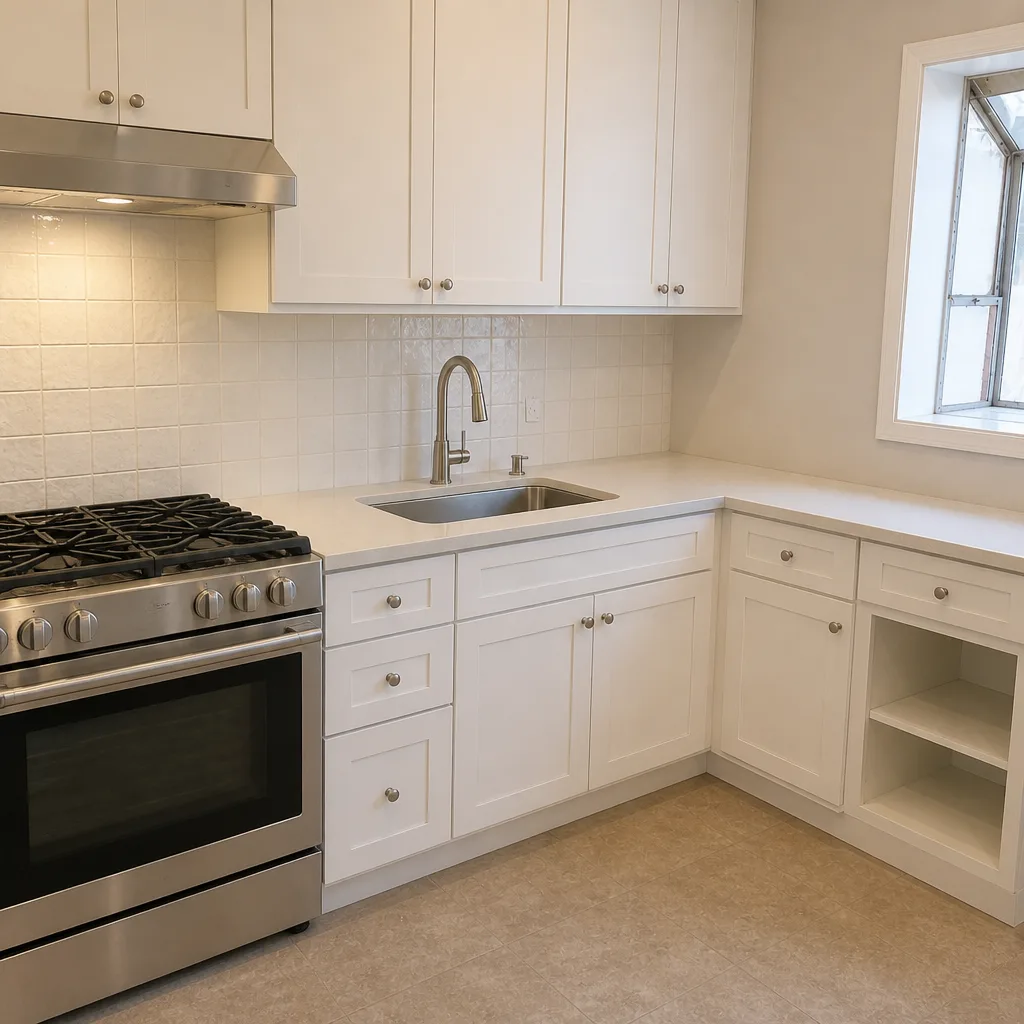
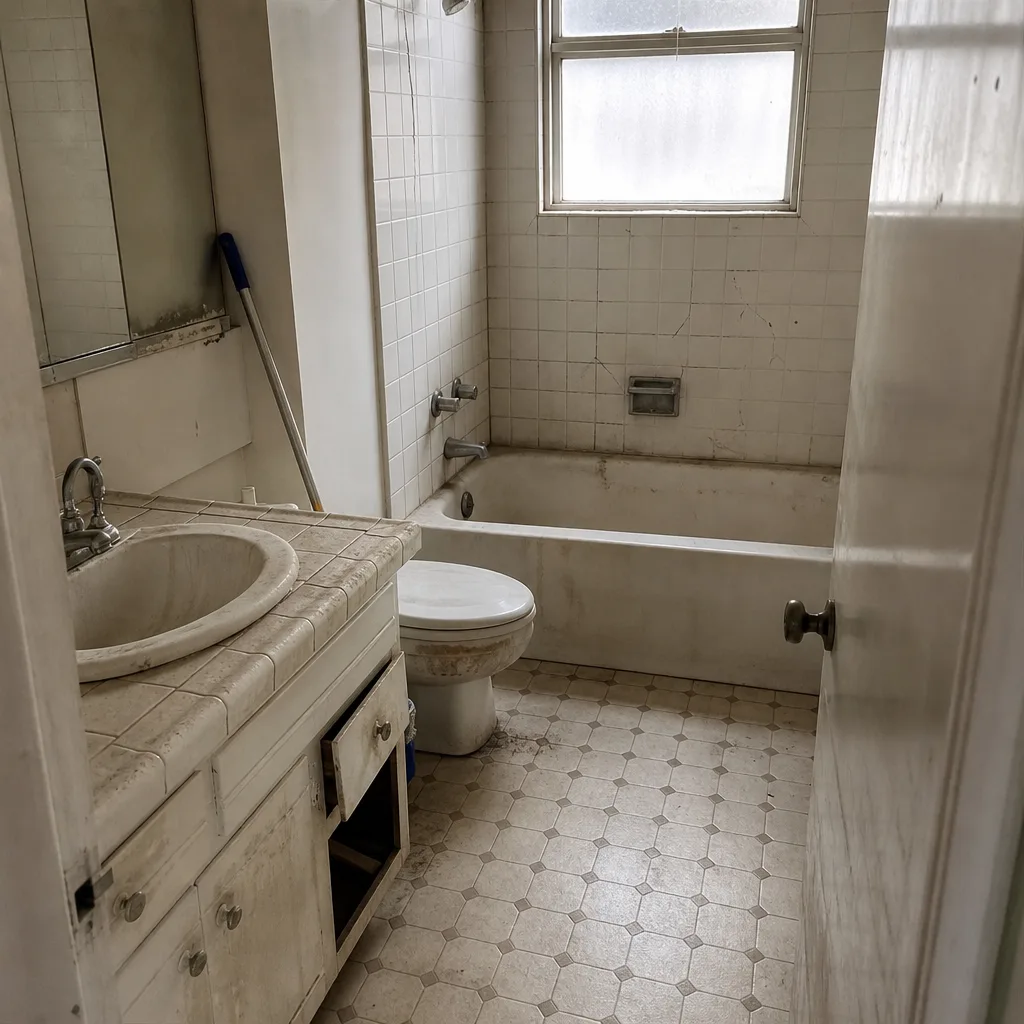
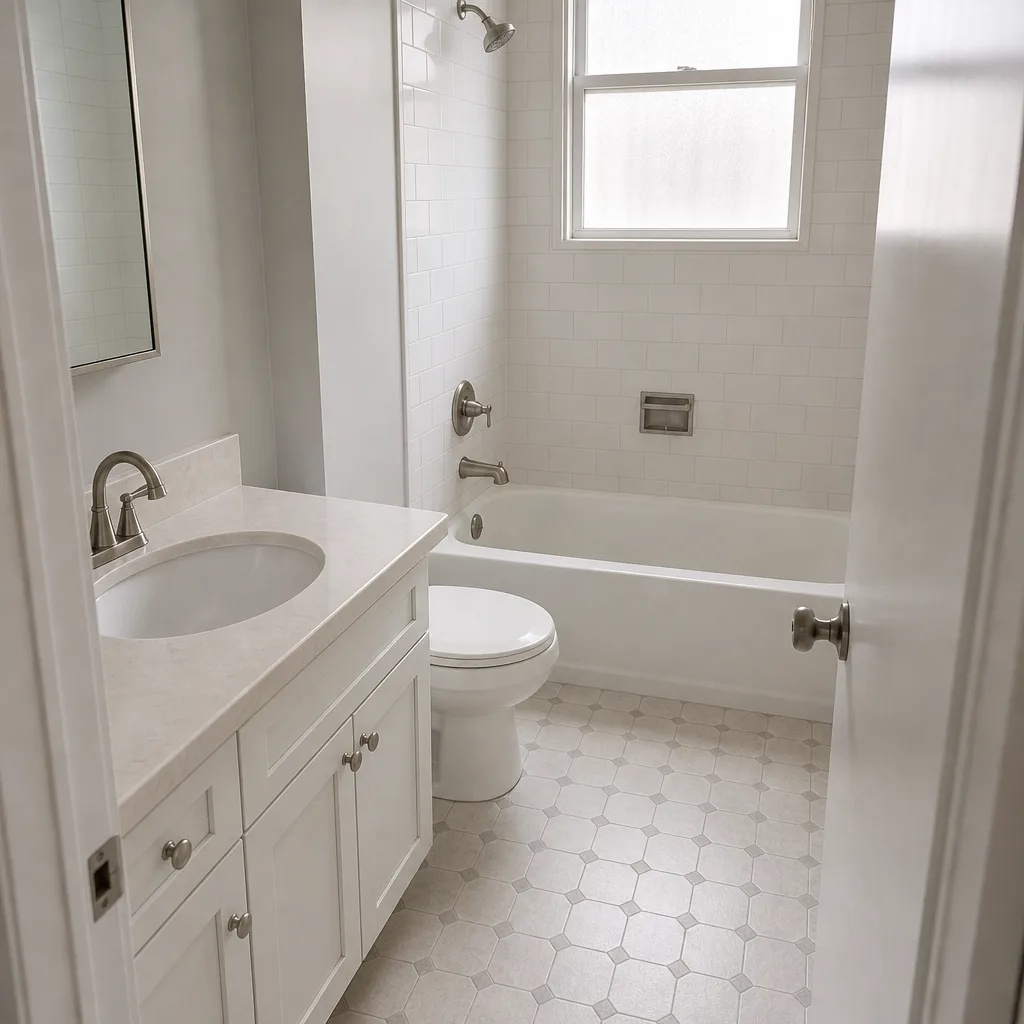
See the difference
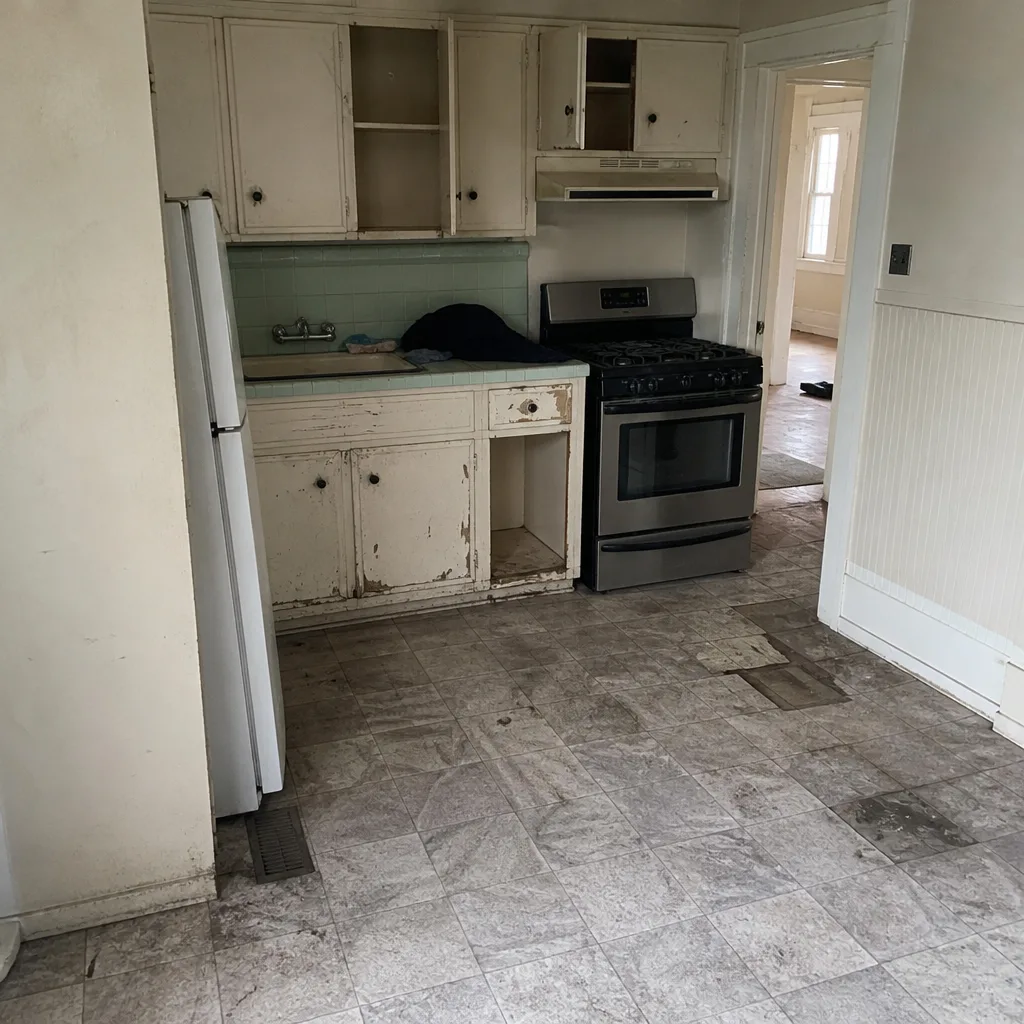 Before
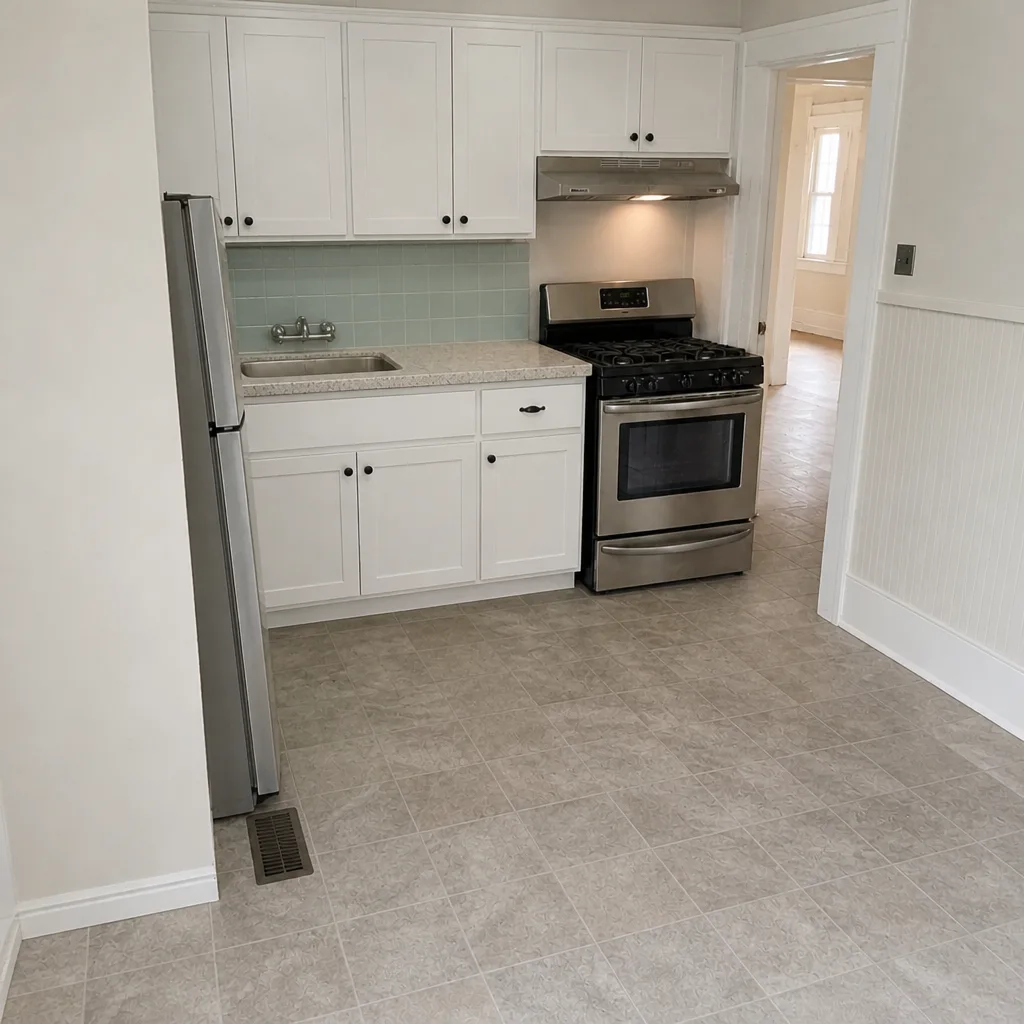 After
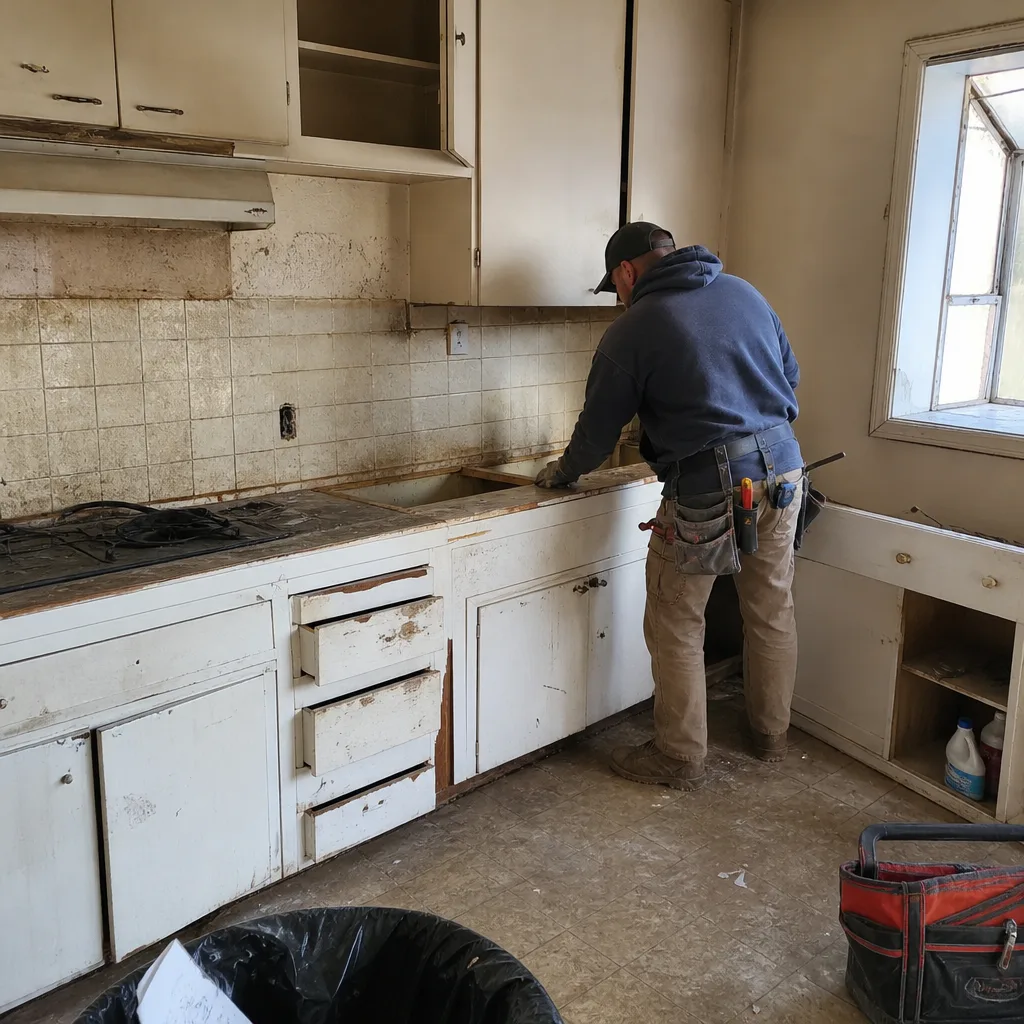 Before
 After
 Before
 After
Why San Francisco Homeowners Call Rowan Construction Group San Francisco for Cambria Work
We’ve delivered 4,000-plus projects since 2007, every one with a written price before work started, and every one documented when the crew left. That record is why people with a $40,000 Cambria kitchen call us instead of a shop that quotes verbally. We know Cambria’s fabrication quirks – the lot matching, the slow feeds, the substrate flatness – because we’ve pulled seams we didn’t cut and seen what happens when a shop doesn’t. We also work across KraftMaid cabinets, Kohler fixtures, GAF roofing, and PGT windows, so when a Cambria kitchen turns up a cabinet or a plumbing issue mid-job, it doesn’t become a separate contractor and a second quote. Our technicians have up to 19 years of experience, and every crew member is background-checked and uniformed. Calls are answered by a live person 24/7.
FAQs
Fabrication and installation by an unapproved fabricator can void Cambria’s warranty, and Cambria’s own warranty terms specify that the slab must be installed by a certified fabricator. We’re not a Cambria-certified fabricator – but our fabricators work with Cambria regularly and we tell you that upfront, along with what the warranty terms require, so you can decide before we start. If you need the manufacturer’s warranty honored, we’ll walk you through what Cambria requires and whether we can meet it on your job. Call (844) 797-6388 to talk through your specific slab.
Two to four weeks of on-site work once the slab arrives, plus three to five weeks lead time on the Cambria panel itself. The variance is almost entirely scope: a countertop-only swap is at the fast end, a full remodel with cabinet replacement, an island, and a moved range is at the slow end. San Francisco permitting for any gas or wall change adds 4 to 8 weeks on the front end. Call (844) 797-6388 for a written schedule with your estimate.
Usually, but only if we can pull matched lot numbers from the same pour, and quartz production lots do close out. Cambria retires series, and a series discontinued two years ago won’t come back. We check lot availability before you commit to an island, and if the match isn’t possible we’ll say so and price the alternative (a complementary series, a wood or steel island top, or a different layout). Call (844) 797-6388 and we’ll check the series you have.
Cambria is made in Le Sueur, Minnesota, with a high-percentage quartz content and a proprietary resin system, and the slabs come in book-matched runs from the same lot. The practical difference on a remodel is fabrication behavior: Cambria cuts differently, takes a slower feed rate, and shows chips at the manufactured edge if the shop runs it like granite. The other difference is slab matching – Cambria’s lot-matching discipline is stricter than most quartz brands, which is good for the counter and hard on the schedule if you don’t plan around it. Call (844) 797-6388 for a written estimate on your Cambria project.
A full kitchen with Cambria counters runs $16,520 to $53,100 in San Francisco; a countertop-only swap sits at the low end, and a full remodel with new cabinets, an island, and a backsplash change runs at the high end. The Cambria panel itself, fabricated and installed, typically lands between $2,360 and $7,670 depending on square footage, edge profile, and seam count. Call (844) 797-6388 for an exact written quote – estimates are free, and every one comes with a flat price and a written scope.
Written by the team at Rowan Construction Group San Francisco, serving San Francisco and nearby areas.