Last updated November 17, 2026


Free written scope consultation - allowances, timeline, and change-order rules on paper before a single trade is scheduled
DIY vs Professional Construction: The San Francisco Homeowner’s Decision Guide
Here’s the number that should sit at the top of every DIY spreadsheet in this city: a homeowner who installs a water heater without a permit saves roughly $400 in labor, then faces $5,000 to $15,000 in retroactive permit fees and correction orders when the house sells, plus a 30 to 90 day escrow delay that very often kills the deal outright. The trade-off isn’t skill versus cost. It’s permit exposure versus labor savings, and in San Francisco permit exposure almost always wins. This guide covers what you can legally do yourself under owner-builder rules, what’s illegal without a license no matter how handy you are, how the Department of Building Inspection’s records expose unpermitted work, and how to run a hybrid job without carrying the liability yourself.
Quick Answer
In San Francisco, DIY makes financial sense only for cosmetic and non-structural work that needs no permit: painting, flooring over sound subfloor, cabinet swaps in the same footprint, landscaping, and demolition. Almost everything else, from electrical panel work to structural modification to gas line work, is either illegal for an unlicensed owner or carries permit exposure that can cost more at resale than hiring a licensed contractor would have cost up front. The decision isn’t really about whether you’re capable. It’s about what the Department of Building Inspection’s record will say about your house when a buyer pulls it.
Styles & brands we work with
- Kitchen remodeling
- Bathroom remodeling
- Home additions & ADU
- Roofing
- Windows & doors
- Driveway & pavers
- Fence
Table of Contents
- What San Francisco Homeowners Can Legally Do Without a Contractor License
- The Work That’s Illegal for Unlicensed Owners Regardless of Skill
- How Unpermitted Work Shows Up at Resale and Refinancing
- The True DIY Cost Calculation
- Three Categories Where DIY Consistently Loses in San Francisco
- How to Structure a Hybrid Project
What San Francisco Homeowners Can Legally Do Without a Contractor License
California’s Contractors State License Board allows a homeowner to act as an “owner-builder” on their own residence, meaning you can pull permits in your own name and perform work yourself without a contractor license. That legal opening is real, and it’s often misread as permission to do anything you feel competent to do. It isn’t.
Here’s what you can generally take on in San Francisco without breaching licensing rules, assuming you pull any required permit:
- Cosmetic work with no permit: interior painting, wall coverings, refinishing floors, and swapping a like-for-like light fixture.
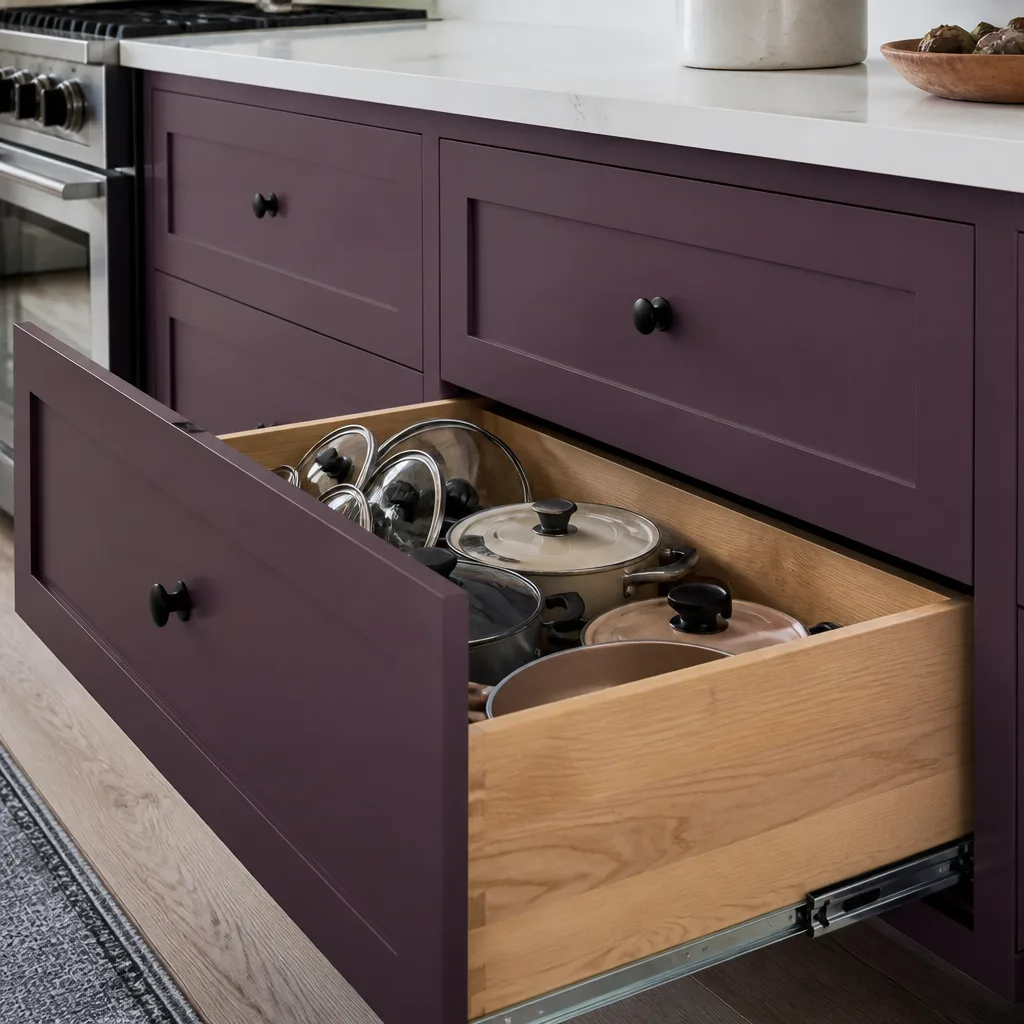
- Non-structural carpentry: trim, baseboards, shelving, and cabinet replacement in the same footprint.
- Landscaping and softscape: planting, garden walls under the height threshold that triggers a permit, and non-structural hardscape.
- Demolition of non-load-bearing interior finishes: pulling out drywall, flooring, and old cabinetry, which is often the cleanest place to save on a hybrid job.
- Painting the exterior of a single-family home, subject to lead-safe rules on pre-1978 houses.
What your owner-builder status does not do is convert you into an electrician or a licensed contractor for the purposes of hiring and supervising subcontracted trades. If you act as owner-builder and hire someone else, you carry the employment and workers’ compensation exposure. In practice, the San Francisco homeowners who come out ahead on DIY are the ones who know exactly where the line sits and hire for the specific trades they can’t touch. You can read more about how we approach the full range of residential trades on our Rowan Construction Group San Francisco home page.
The Work That’s Illegal for Unlicensed Owners Regardless of Skill
Skill isn’t the standard. The standard is legal authority, and there are categories of construction work in San Francisco that a homeowner cannot legally perform, even on their own home, even if the work would pass inspection.
The categories you cannot do yourself:
- Electrical panel replacement or service upgrade. Replacing or upgrading a main electrical panel requires a licensed electrician in California. No owner-builder exception, no permit-in-your-name workaround.
- Any gas line work. Running, capping, or modifying gas piping is licensed-plumber territory. This matters in San Francisco kitchens where a remodel moves the range.
- Structural modifications. Removing a wall, cutting a beam pocket, changing shear wall sheathing, or altering a foundation all require engineering and a licensed contractor. You can be the owner-builder and still not perform the structural work yourself.
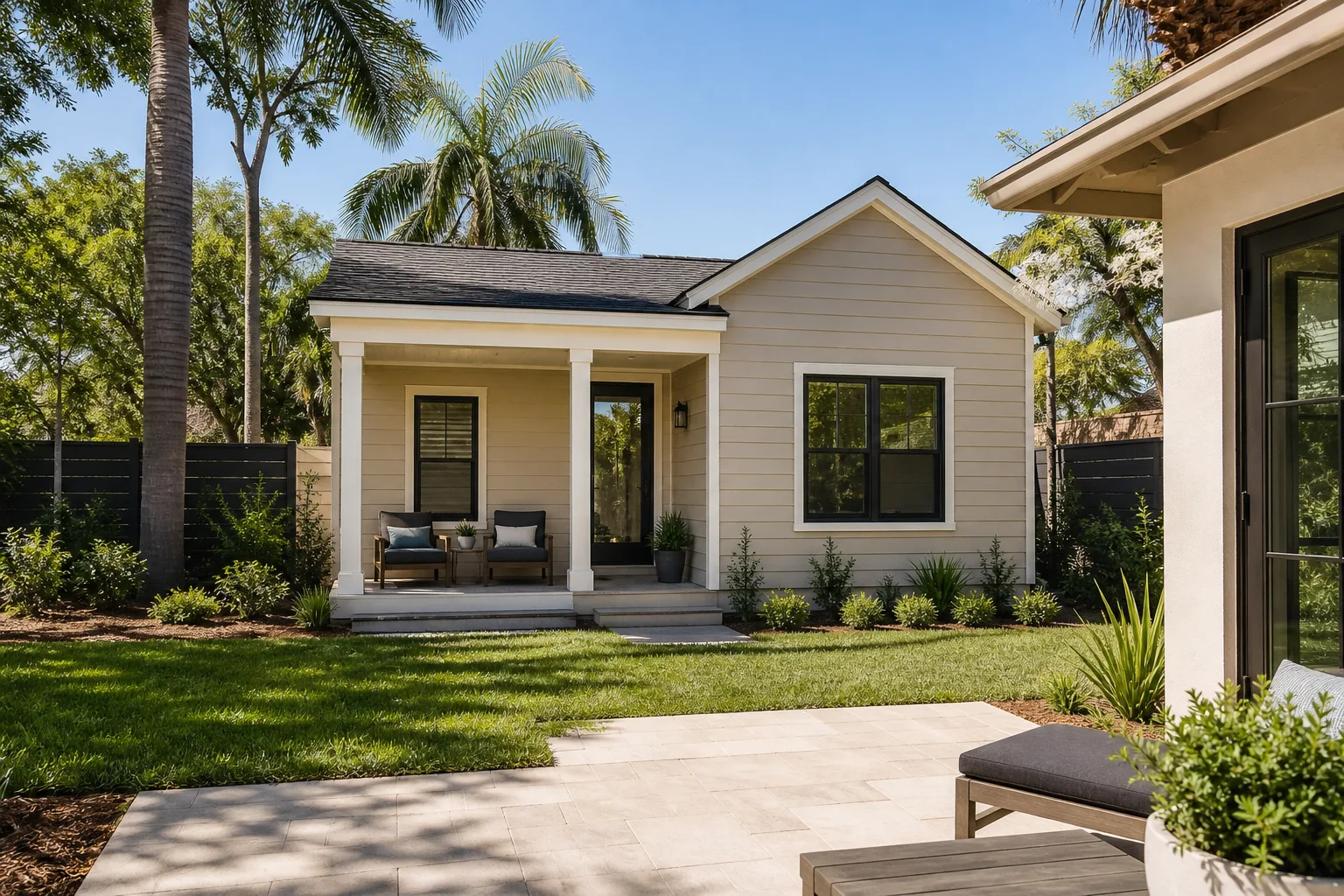
- Adding a new dwelling unit or ADU. An ADU in San Francisco requires licensed trades and a full permit set. Owner-builder exemptions do not cover the addition of habitable floor area.
We’ve watched homeowners in the Sunset get halfway through a “simple” kitchen move only to discover that relocating the gas line voids the permit and requires a licensed plumber to redo it. We’ve seen a Noe Valley project stall for weeks because a homeowner pulled an electrical permit in his own name for a panel swap, which isn’t allowed. The savings disappear the moment the inspector catches the trade.
Anything near a shared wall, a foundation, or the property line gets more legally dense, not less. Which brings us to the next section.
How Unpermitted Work Shows Up at Resale and Refinancing
This is where the San Francisco decision gets expensive. Before close of escrow on most residential sales in this city, the buyer’s agent requests the 3R report – the Record of Residential Building Status – from the Department of Building Inspection. The 3R report lists every permit ever pulled on the property and, crucially, every permit that was issued and never finalized. An unpermitted addition, an unpermitted bathroom, an unpermitted deck, an unpermitted garage conversion all surface as discrepancies.
What happens next depends on the lender:
- Lenders flag open permits. Most mortgage underwriters will not fund a loan on a property with an unresolved open permit. They require the permit to be closed or converted before closing.
- Appraisers can exclude unpermitted square footage. A garage conversion that was done without permit doesn’t get counted in the appraised livable area, and the loan amount can drop to match.
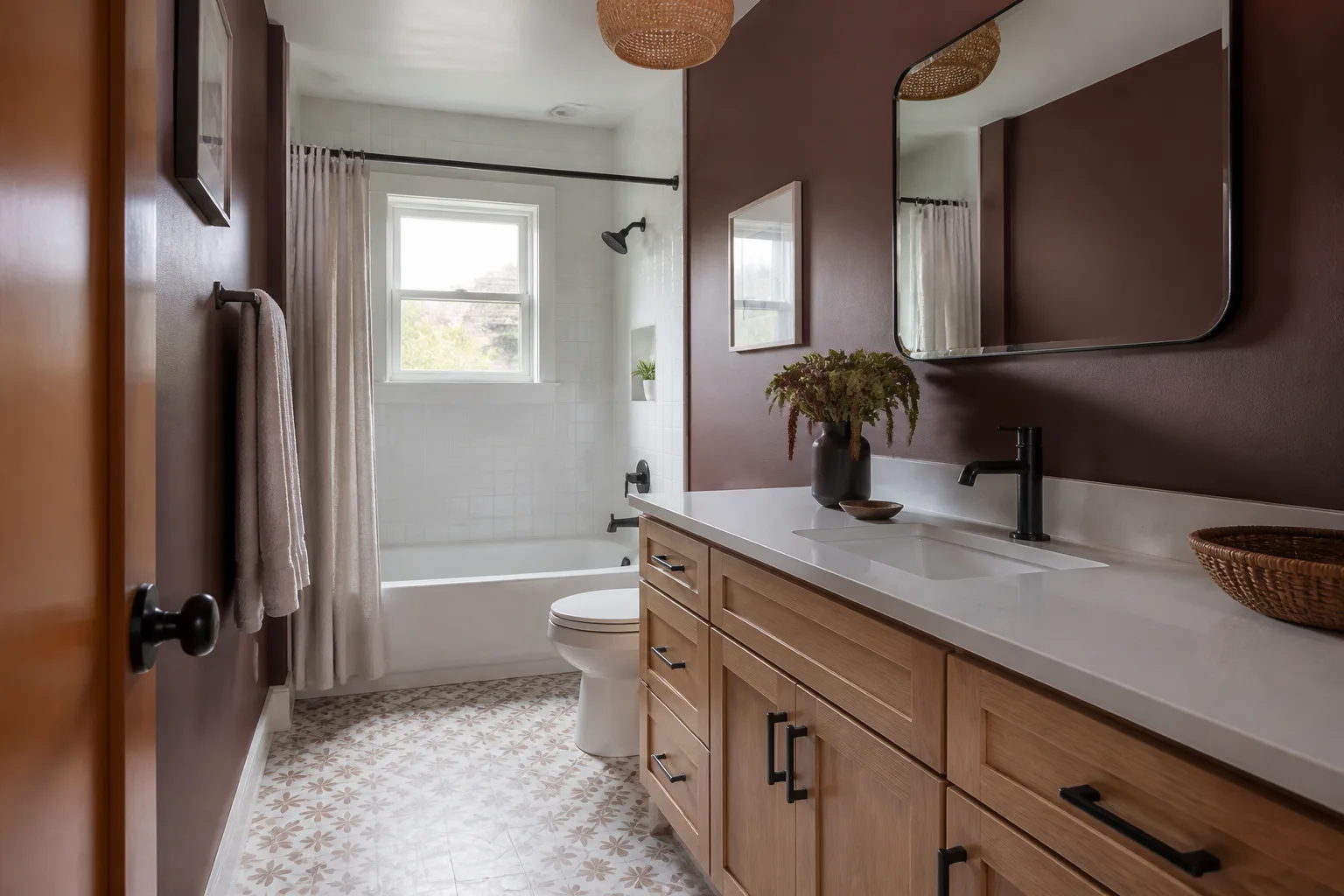
- Retroactive permit costs climb fast. Bringing unpermitted work into compliance can mean opening walls, correcting the work to current code, and paying permit fees plus penalties. On a typical unpermitted San Francisco bathroom, that figure commonly lands between $5,000 and $15,000 once the walls are opened and the corrections are made.
- Escrow drags. A 30 to 90 day delay to resolve a permit is common. In a market where buyers compete on speed and certainty, that delay frequently kills the transaction.
Refinancing carries the same exposure. An appraiser who finds unpermitted work can lower the valuation or note the issue, which changes the loan-to-value math on your cash-out. There’s no version of an unpermitted San Francisco renovation where the permit savings survive the refinance.
The True DIY Cost Calculation
Most DIY budgets are wrong because they list materials and stop there. Here’s the template we run when a homeowner asks whether to do it themselves. Add every line, not just the first two.
- Permit fees and plan check. Pull the actual DBI fee schedule for your scope. A kitchen or bathroom permit typically runs several hundred to over a thousand dollars depending on valuation, and plan review adds to it.
- Material cost with a realistic waste factor. Multiply tile and flooring by 1.10 to 1.15 for cuts and breakage. Count the fasteners, the waterproofing membrane, and the dumpster.
- Tool rental and purchase. A tile saw, a demo hammer, a wet/dry vac, and the odds and ends add up. If you’ll only use a tool once, that’s a rental line.
- Time at an opportunity cost rate. Multiply your hours by your hourly value. A bathroom that takes a weekend pro 40 hours takes a first-timer 120 to 180, and those hours have a price.
- Probability-weighted rework. Multiply the cost of a failed inspection rework (including new materials and possibly a second permit) by your realistic chance of failing first time. A 30 percent chance of a $2,500 rework is a $750 line item nobody ever puts on the list.
When you fill in that template honestly, DIY wins on a handful of scopes and loses on most. In San Francisco, where permit corrections alone can erase the entire labor savings, the math tends to be less forgiving than in a lower-enforcement market. That’s the reason we don’t sell DIY as a shortcut. We’d rather you saw the full number. Under the Haven Standard we follow, the written price comes before the tool comes out, and that same discipline applies whether you’re doing it yourself or hiring us for Driveway & Pavers in San Francisco or a larger interior project.
Three Categories Where DIY Consistently Loses in San Francisco
Not all DIY is a mistake. These three categories, however, are where we watch the numbers turn against the homeowner nearly every time.
Anything requiring a soils report
San Francisco’s geology doesn’t cooperate. From the sand dune soils of the Sunset to the filled mud that underlies much of the Marina, foundations often need a geotechnical report and engineered footing design before a permit is issued. You can’t write a soils report yourself, and an unengineered footing on San Francisco soil is exactly the kind of problem that shows up in a 3R report later.
Anything touching a shared wall in a multi-unit building
Roughly half of San Francisco’s housing stock is attached or stacked. The moment a project touches a shared wall, a party wall, or a floor/ceiling assembly between units, you’re inside a set of structural and fire-separation requirements that one homeowner cannot legally resolve alone. It’s not a workmanship issue. It’s a building-code issue, and the neighbors have standing.
Anything within 3 feet of a property line
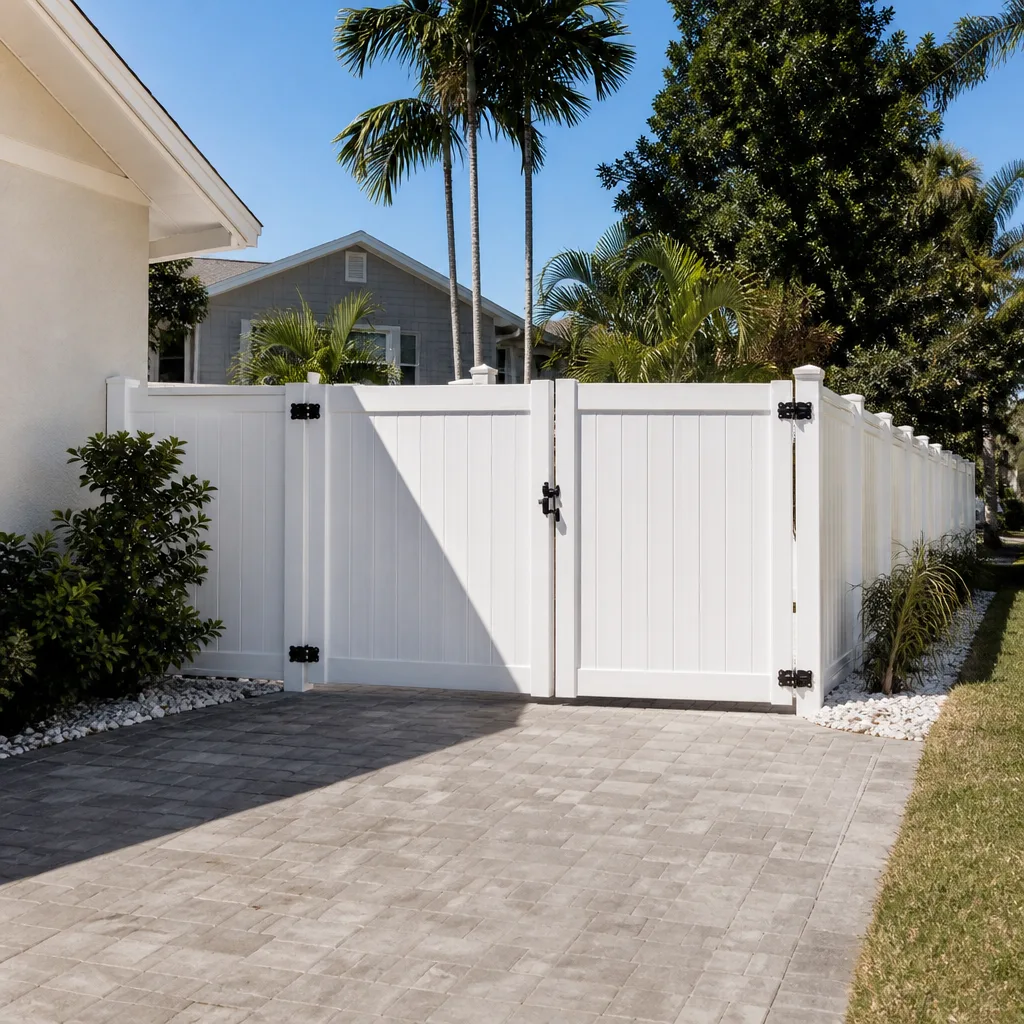
Setbacks and fire separation rules mean a fence, a shed, a deck, or a wall within 3 feet of your property line is regulated, often requiring a survey to establish the line before permit approval. We’ve watched San Francisco homeowners hire a surveyor and a permit expediter after discovering the DIY fence they built sits a foot into the neighbor’s lot. That’s a correction order, not a repair. If you want to avoid exactly that scenario, our Fence Installation in San Francisco page walks through how we handle the survey and permit side.
None of this is unique to us. What’s unique is how aggressively the San Francisco Department of Building Inspection enforces, and how fast those records travel with the property.
How to Structure a Hybrid Project
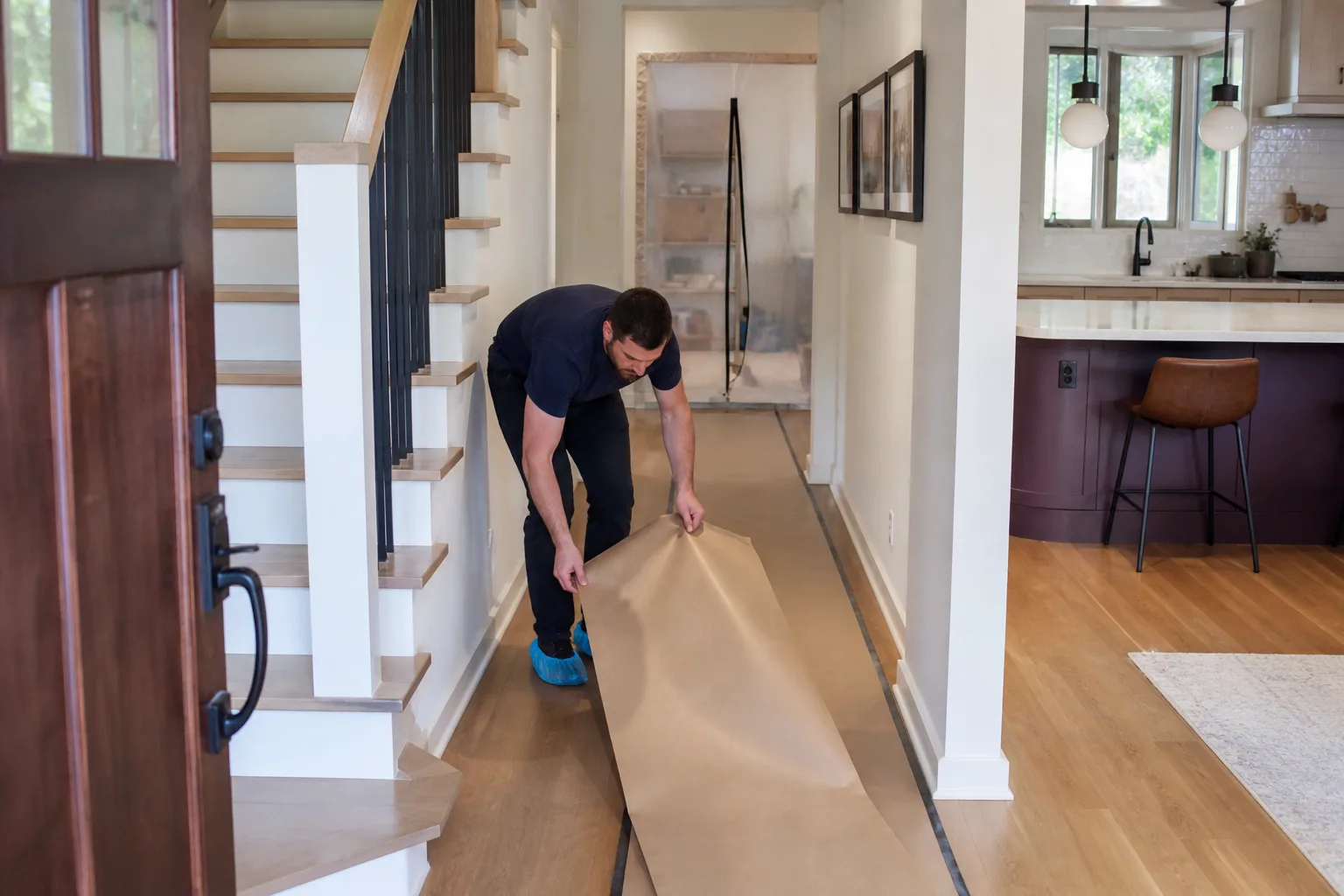
A hybrid project is the smart middle path for many San Francisco homeowners: the homeowner takes on the demolition, cleanup, and any non-permitted cosmetic work, while a licensed contractor handles the rough-in, inspection sign-offs, and any structural or permit work. Done right, this saves real money. Done wrong, it creates liability ambiguity in an insurance claim. Here’s how to structure it.
- Define the scope by work item, not by phase. Write down every task and assign an owner. “Demo” is yours. “Rough plumbing” is the contractor’s. “Final hookups” needs to be explicit, because that’s the line most hybrids blur.
- Assign permit responsibility explicitly. If the contractor is pulling the permit, they typically need to own the work that the permit covers. If you’re pulling the permit as owner-builder, the contract needs to say who signs the permit and who carries the punch-list and inspection corrections.
- Write a scope boundary in the contract. The contract should state that the contractor’s scope begins and ends at named work items, and that work outside that scope is not performed or warranted by the contractor. This protects the contractor from being blamed for a homeowner’s mistake, and protects you from paying for a rework you didn’t cause.
- Require a signed change order for any scope shift. On a hybrid job, scope creeps through the boundary more easily than on a turnkey job. The signed change order discipline is what keeps the price accurate and the liability clean.
- Get a photo record of every boundary. Contractor visits should include documented photos of what was found and what was completed. That record is what protects you if a later dispute arises over who left what in what condition.
Hybrid works best on interiors. Kitchens and bathrooms respond well because you can strip them yourself. It works poorly on additions and structural work, where the licensed scope is so deeply intertwined that splitting it is more hassle than it’s worth. For a sense of how we scope a full addition, our Home Additions & ADU in San Francisco page covers it.
Common Mistakes to Avoid
- Pulling an owner-builder permit for a trade that requires a license. An owner-builder permit for electrical panel work or gas line work doesn’t cure the underlying licensing issue. It just puts your name on a permit that the inspector will flag.
- Skipping the 3R report before you buy or before you remodel. Get the 3R report from DBI on any San Francisco property you’re considering. It reveals unpermitted work that could cost you six figures or stall a sale later.
- Assuming “as-is” carries the risk in a sale. Lenders and appraisers care about permit status even in as-is sales. An unpermitted bathroom can disqualify a buyer’s financing.
- Building near the property line without a survey. In densely built San Francisco neighborhoods like the Mission and Bernal Heights, lot lines are often wrong on old records. Hire the surveyor before the permit, not after the correction order.
- Letting a contractor begin work without a written price and written scope. A verbal price and a nod is not a quote. Get it in writing or don’t start. This matters at every scale, from a single San Francisco bathroom remodel to a full addition.
- Hiring a hybrid contractor without a written scope boundary. If the scope isn’t written, the boundary isn’t real, and the first dispute about who punched the wrong hole is decided by who has better records.
- Underestimating inspection failure rates on first-property DIY. The first 3 to 5 permitted projects are the hardest. Factor that probability into the budget instead of ignoring it.
See the difference
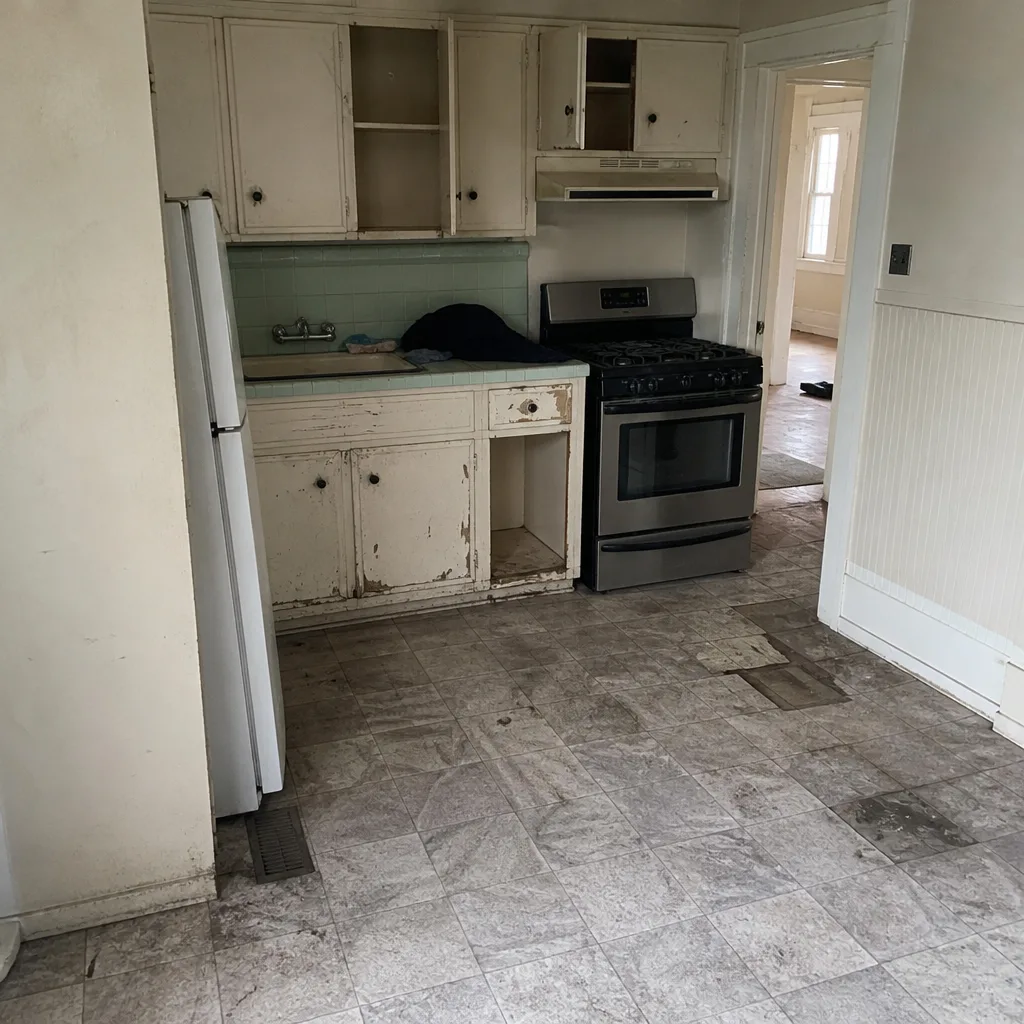 Before
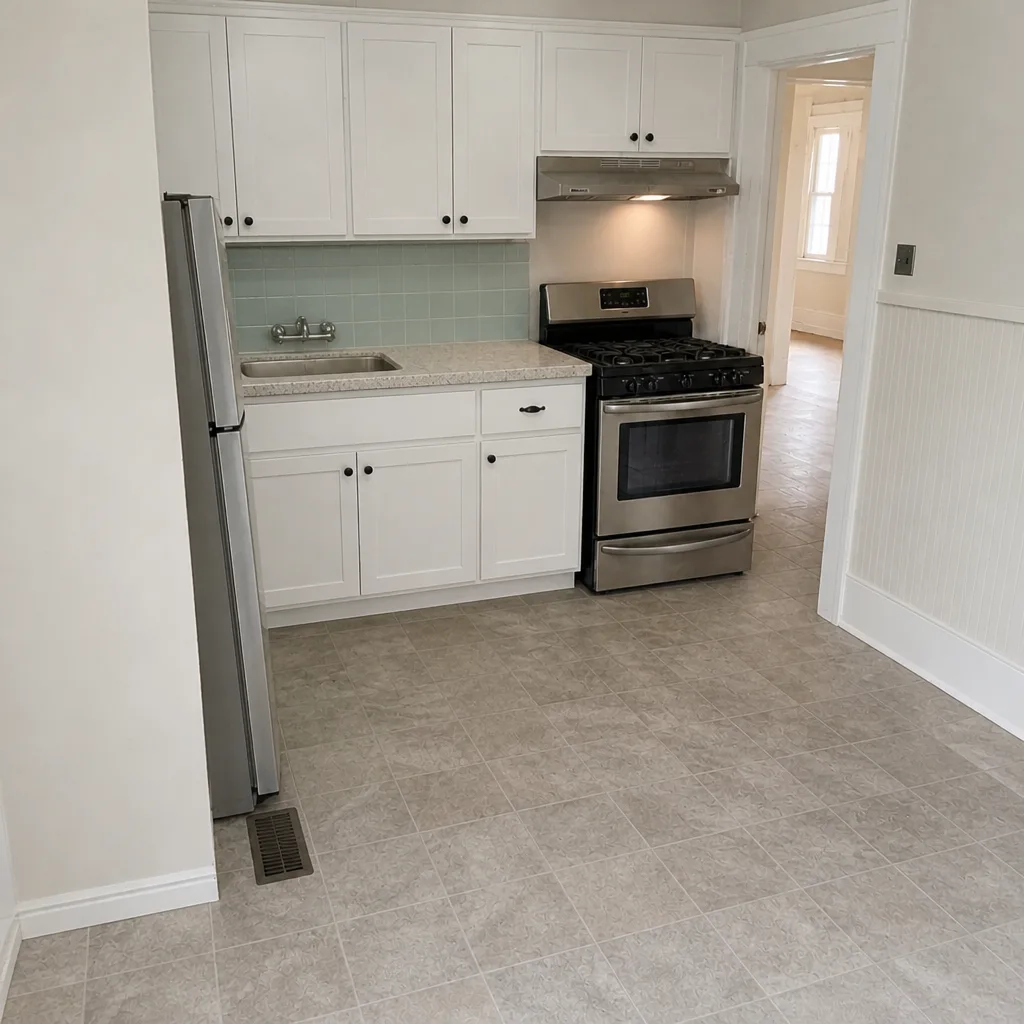 After
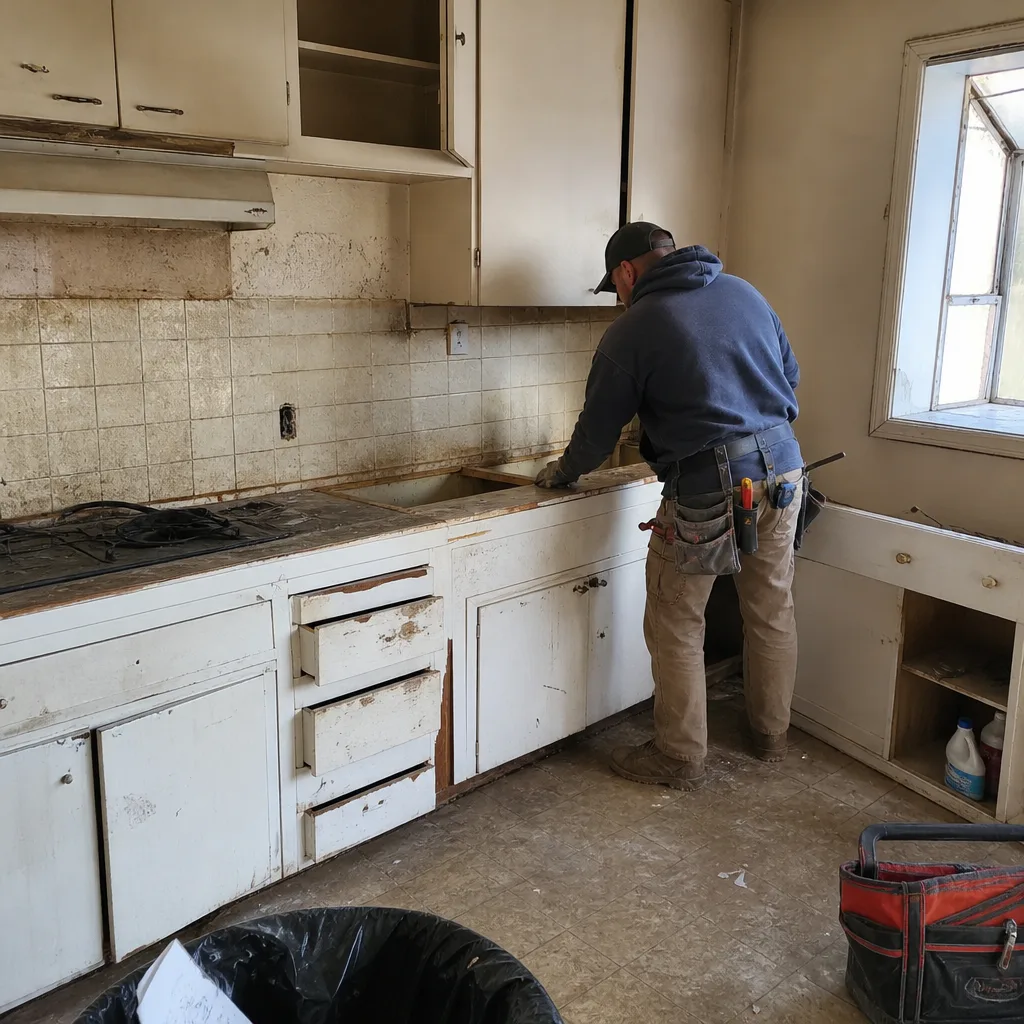 Before
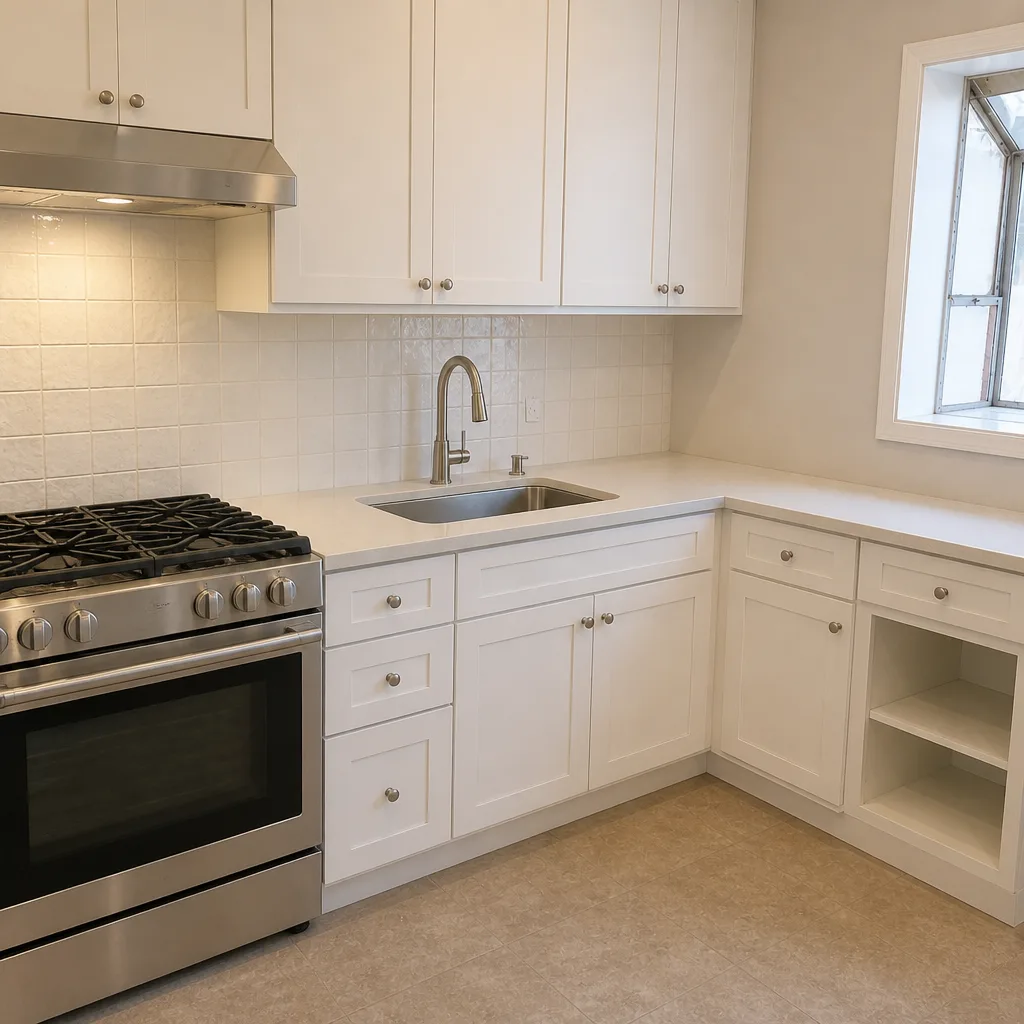 After
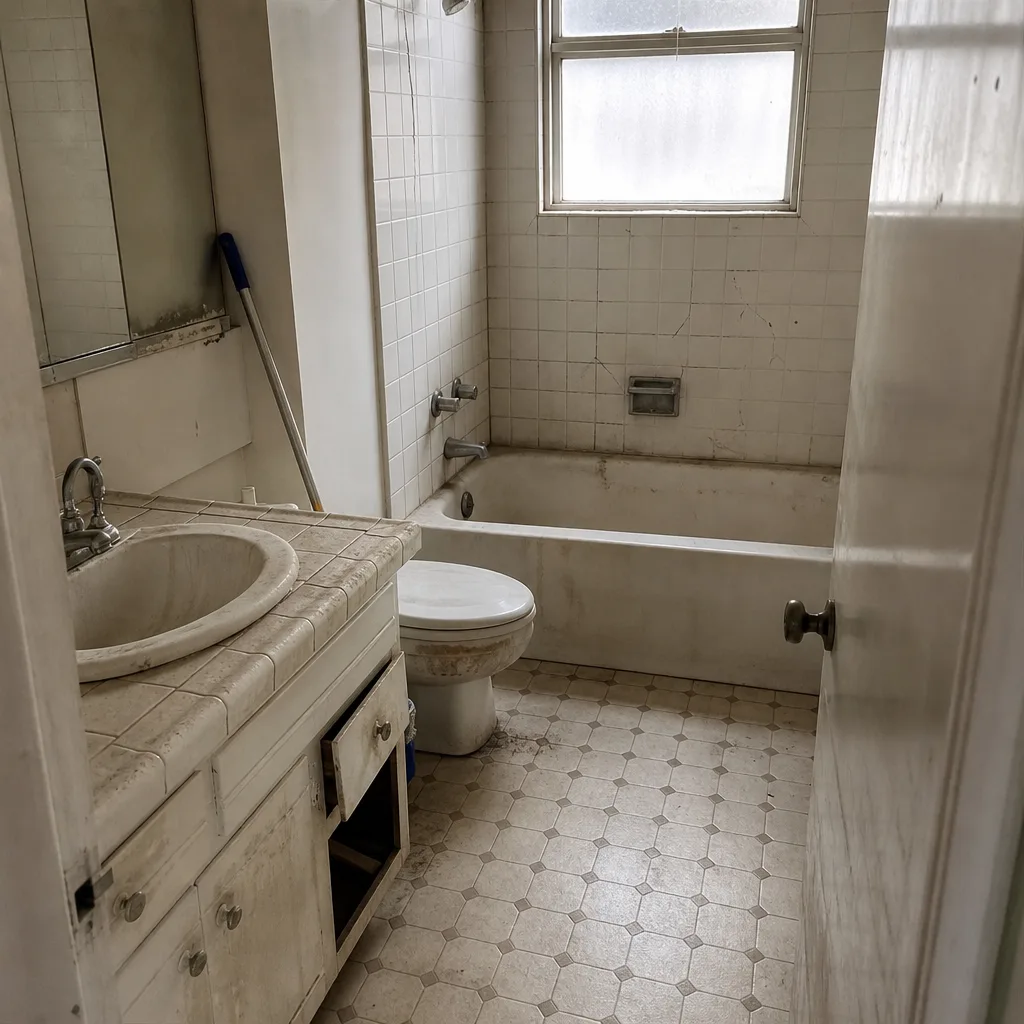 Before
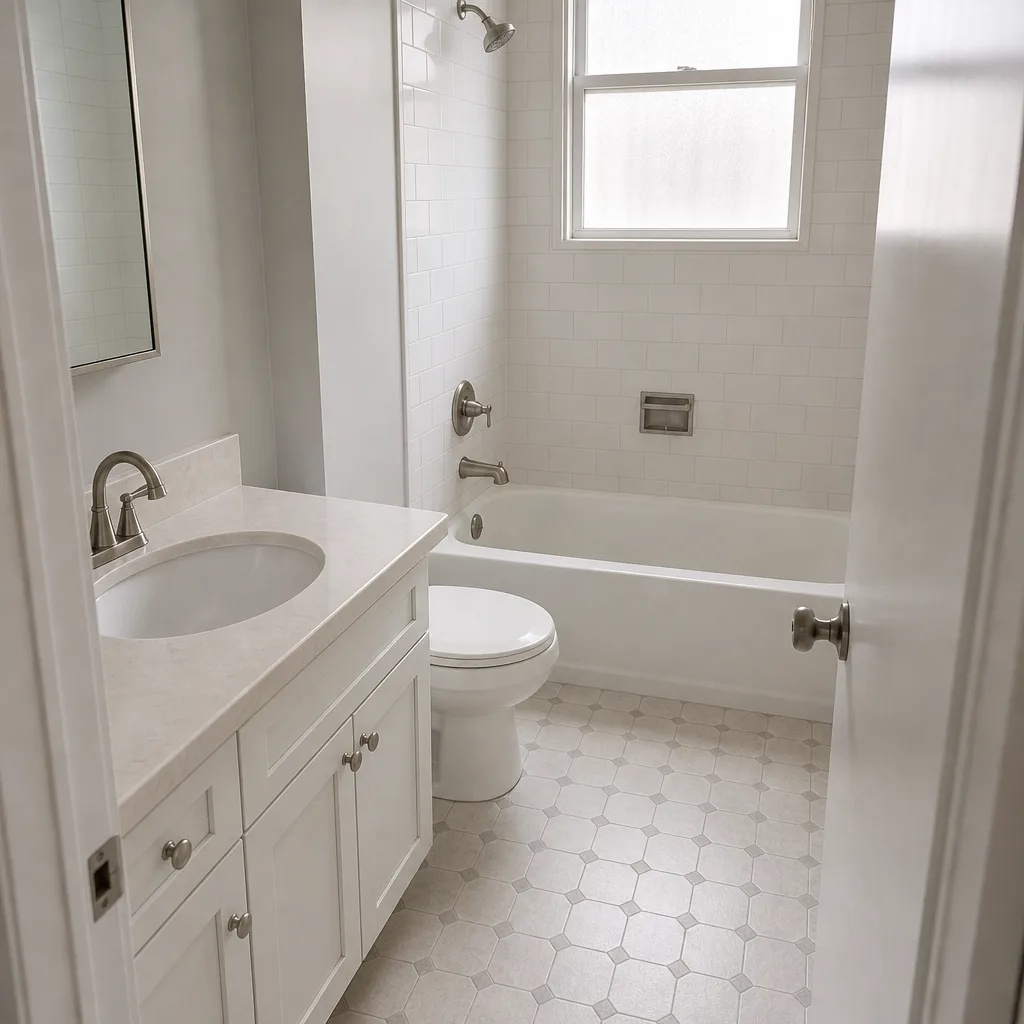 After
When to Call a Professional
Call a licensed professional in San Francisco whenever the project involves any electrical, gas, plumbing rough-in, structural work, work within 3 feet of a property line, work near a shared wall in a multi-unit building, work needing a soils report, or any addition of habitable floor area. Call when the permit requires engineered plans. Call when you’re remodeling inside a historical district where the exterior alteration review team has a say. And call when the resale math matters to you, which in San Francisco is almost always. If a project touches an open permit, an as-yet-unpermitted addition that predates you, or a structure of unknown condition, that’s a professional call too.
Rowan Construction Group San Francisco offers free estimates across seven trades: kitchen and bathroom remodeling, roofing, windows and doors, fencing, driveway and pavers, and home additions including ADUs. We also offer a Free Second Opinion on any written estimate – bring a competitor’s quote and we’ll review it line by line at no charge. Every project is quoted with a flat written price and a written scope before work begins, backed by the 365-Day Done Right Promise and documented with a photo record on every visit. Call (844) 797-6388 to schedule your free estimate.
Frequently Asked Questions
Not panel work or service upgrades. California requires a licensed electrician for panel replacement, service changes, and most wiring that requires an electrical permit, and the owner-builder exemption does not cover these. You can swap a like-for-like light fixture, but anything beyond that should be a licensed electrician. Call (844) 797-6388 if you want a written price on the licensed portion.
It’s not the inspection itself – it’s what happens at resale or refinance. DBI’s 3R report exposes unpermitted additions and unfinalized permits, which can block a mortgage, drop an appraised value, or force a 30 to 90 day escrow delay while corrections are made. Retroactive permit and correction costs for a whole-room unpermitted project commonly land between $5,000 and $15,000, and the escrow delay often kills the deal. The permit savings never survive that math.
It depends on scope and valuation, but a typical kitchen or bathroom permit in San Francisco runs several hundred to over a thousand dollars, with plan review adding to it. Additions and ADUs run higher and often require engineered plans. Permit fees should always be a line item in your DIY calculation, not an afterthought. Call (844) 797-6388 to ask how a permit affects the written price on your scope.
On paper, yes, under California’s owner-builder rules, but you also become the party responsible for hiring licensed subs, workers’ compensation coverage, scheduling inspections, and meeting DBI requirements. That’s more than a coordination job – it becomes a legal role. Most homeowners who take it on limit it to hybrid scopes, not full renovations. Call (844) 797-6388 to talk through where the boundary should sit.
Yes. The 3R report lists permits on record and open or unfinalized permits. If work was done without permit in the first place, it may not appear at all, and that’s actually a worse outcome because the buyer’s inspector and appraiser will note the discrepancy from the record. Either way, the report is what lenders rely on before close of escrow.
Not without a signed change order. We operate under the Haven Standard, where the price is written before anyone starts, and no change proceeds until the change order is signed – the discipline that has kept projects within a few percent of the agreed cost across thousands of jobs. If the scope changes, the price changes with a signed document, not a verbal adjustment. Call (844) 797-6388 for a written price on your project.
The Bottom Line
In San Francisco, the DIY-versus-professional decision is a permit decision first and a skill decision second. You can legally paint, demo, landscape, and swap fixtures yourself. You cannot legally or profitably do electrical panel work, gas line work, structural modification, or work near shared walls and property lines without licensed trades. The 3R report, the appraiser, and the lender will surface the difference between permitted and unpermitted work, and the correction cost dwarfs the labor you saved. On the projects where DIY makes sense, do the honest calculation with permit fees, rework probability, and a time-value line. On the projects where it doesn’t, get the written price – for free – from Rowan Construction Group San Francisco. Call (844) 797-6388 to schedule your estimate.
Written by the team at Rowan Construction Group San Francisco.