Free written scope consultation - allowances, timeline, and change-order rules on paper before a single trade is scheduled
Styles & brands we work with
- Kitchen remodeling
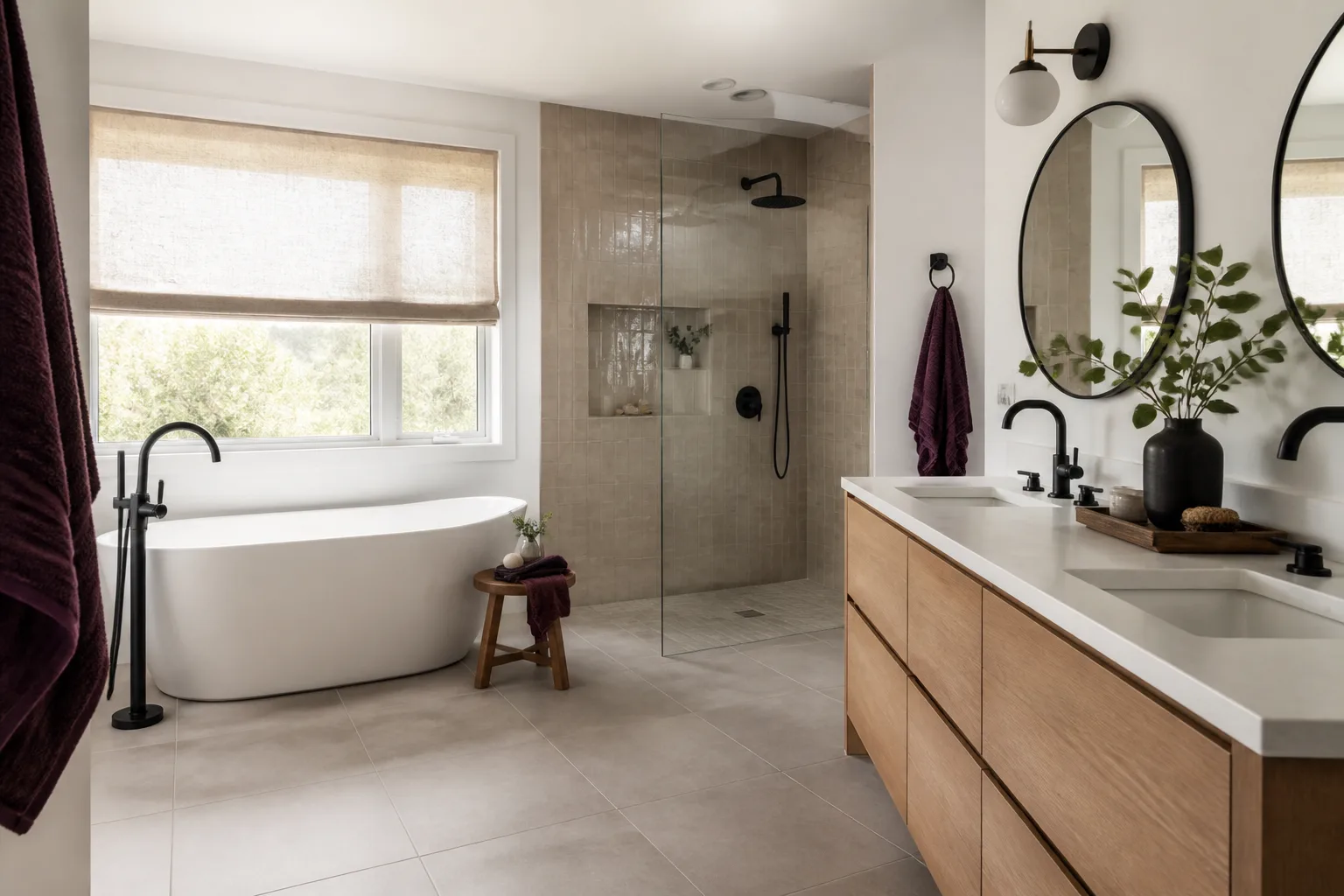
- Bathroom remodeling
- Home additions & ADU
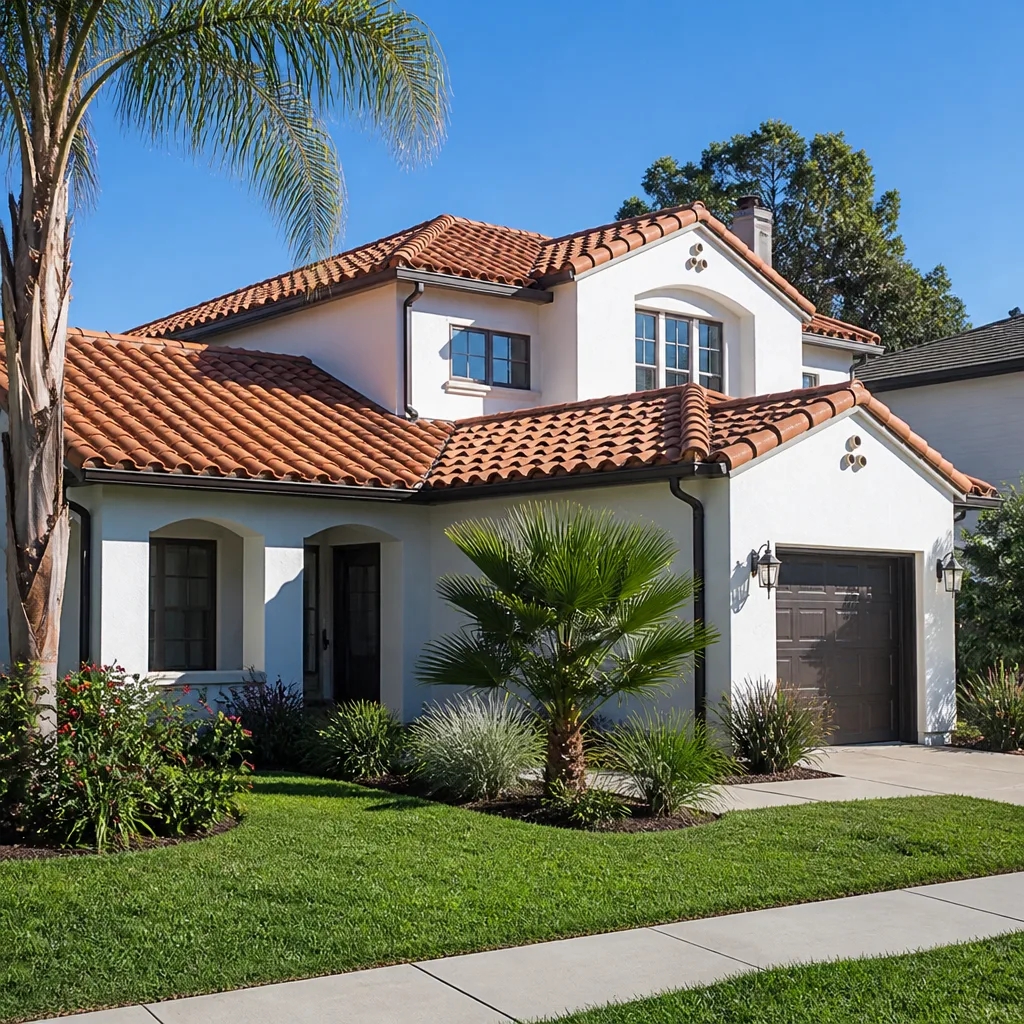
- Roofing
- Windows & doors
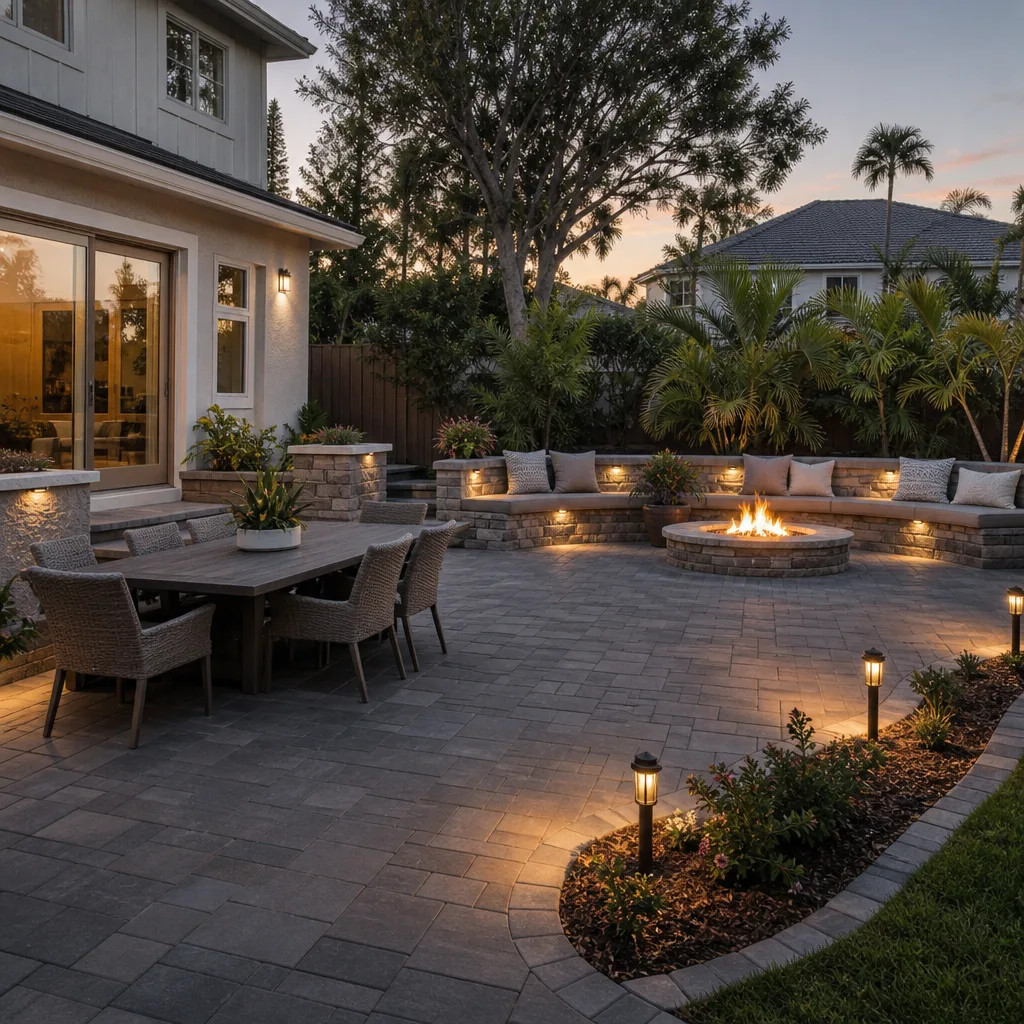
- Driveway & pavers
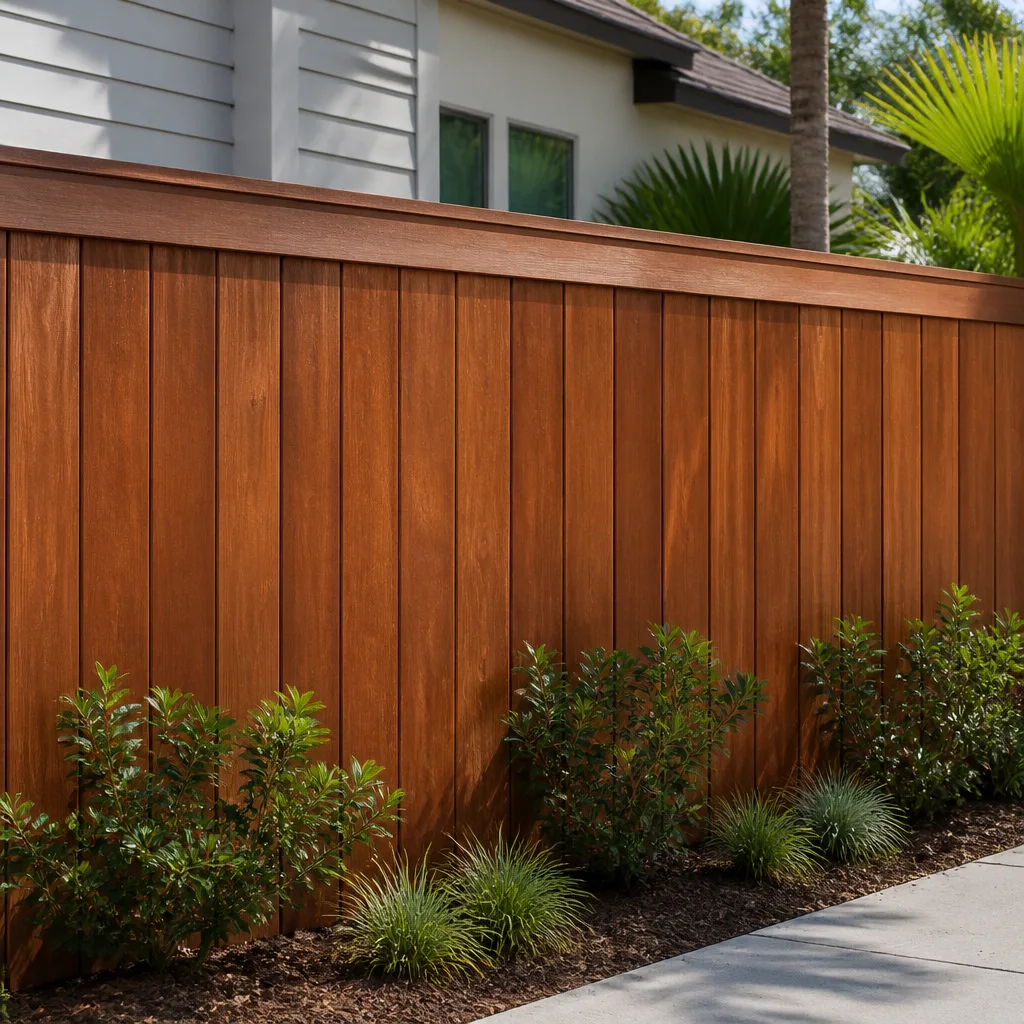
- Fence
See the difference
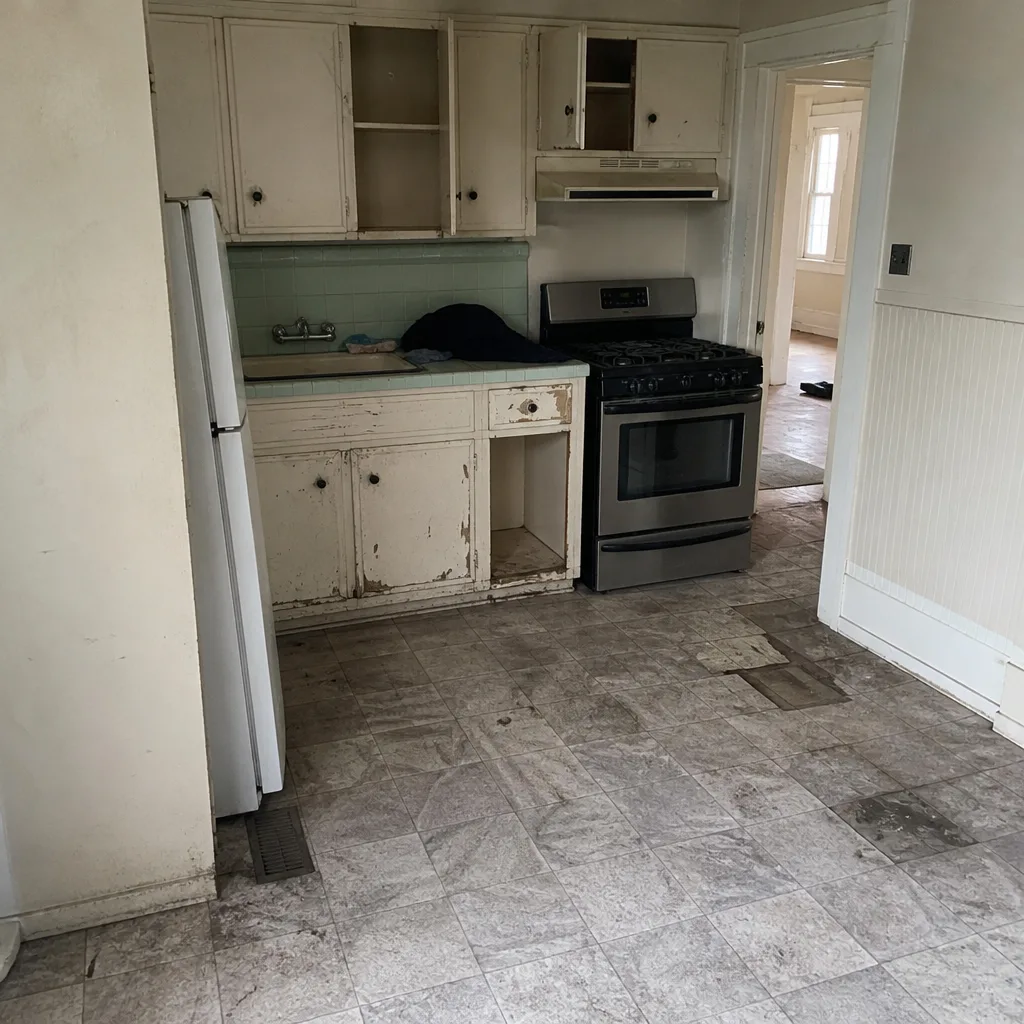 Before
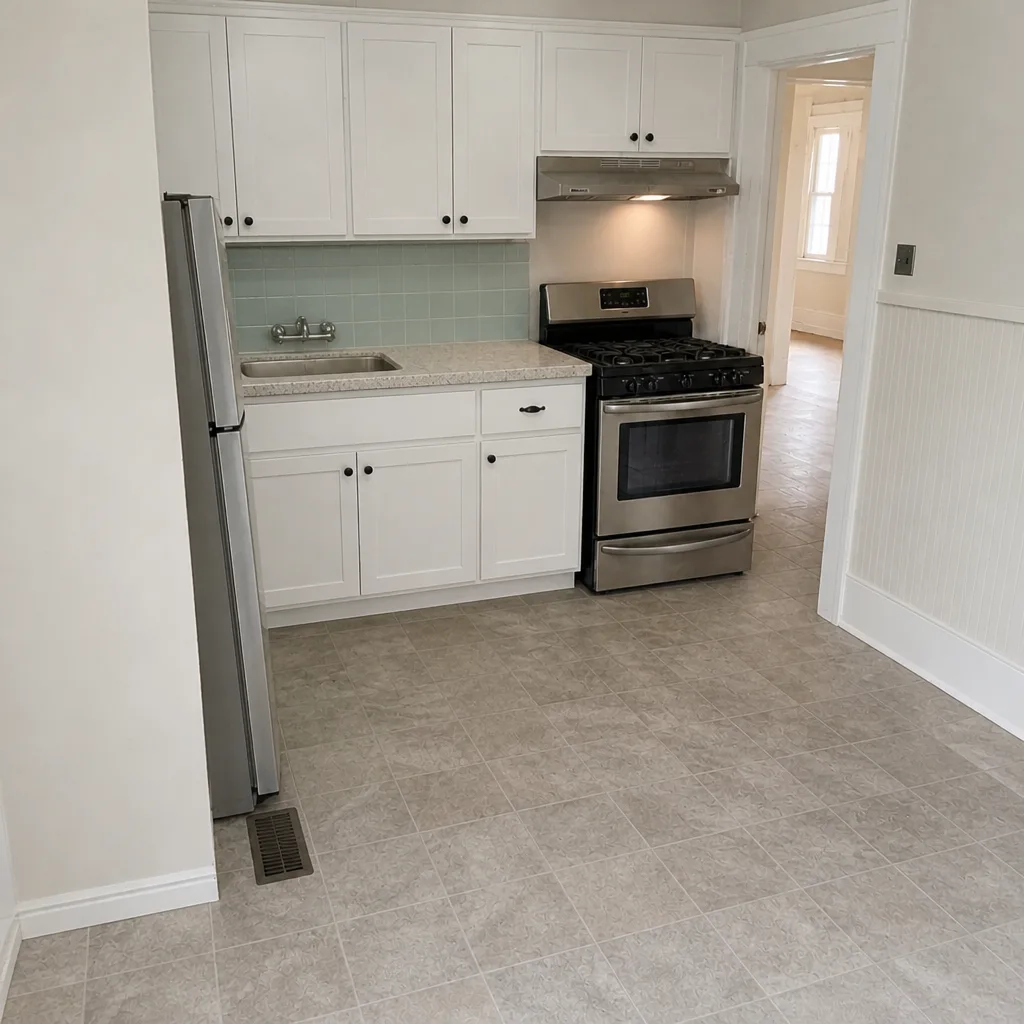 After
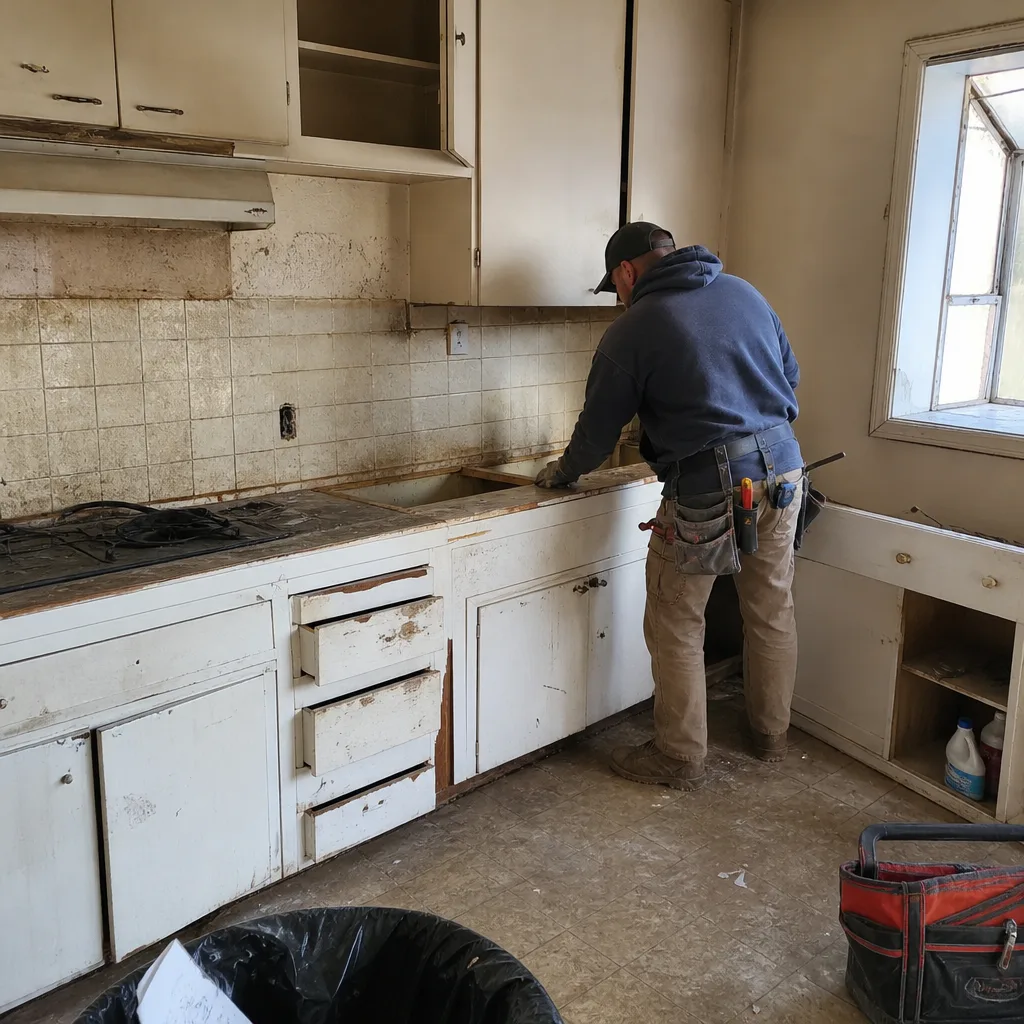 Before
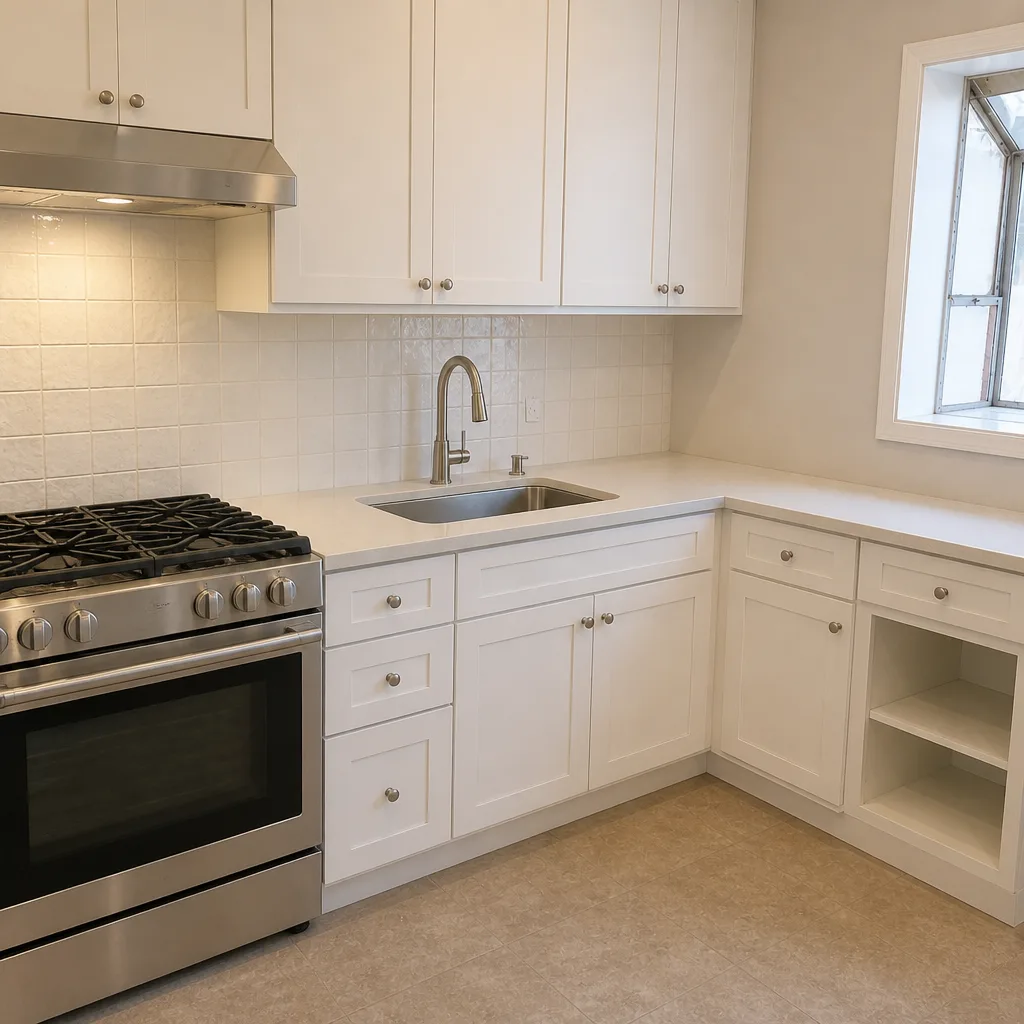 After
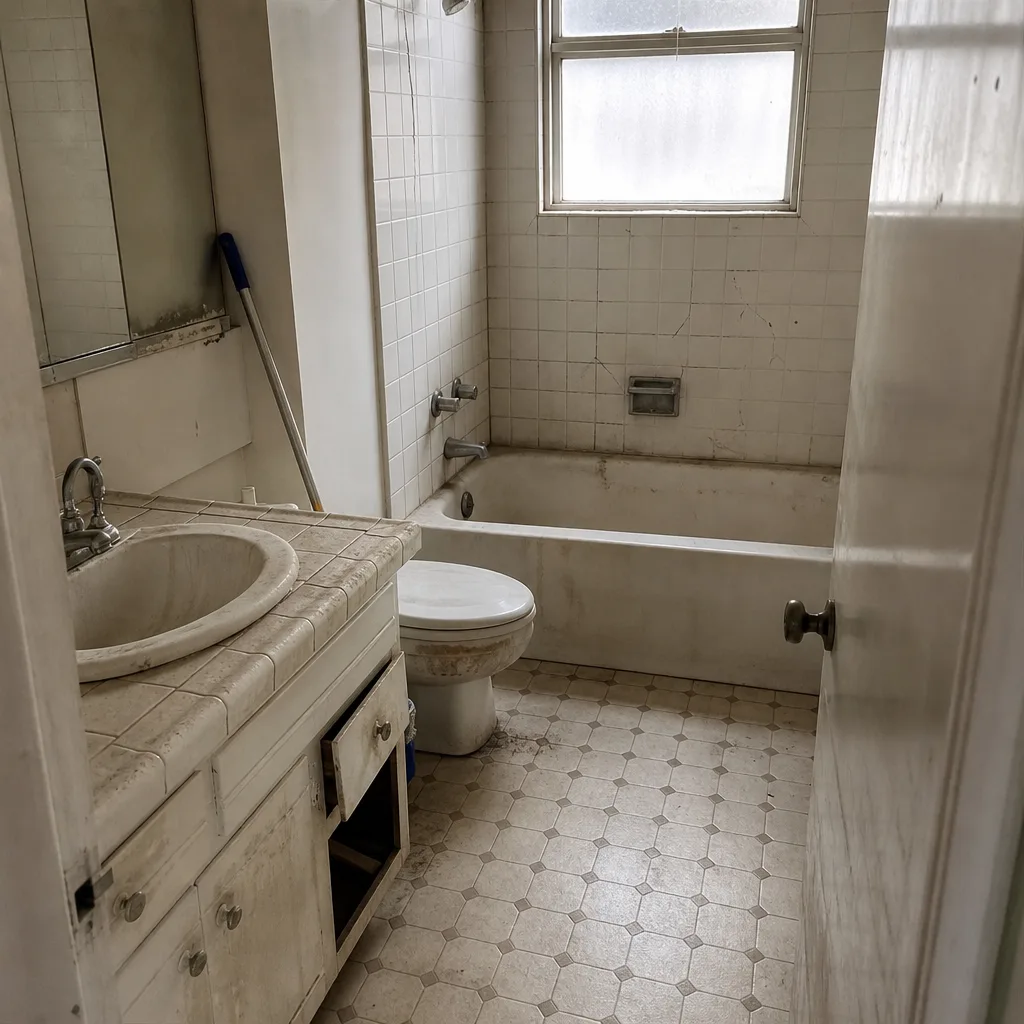 Before
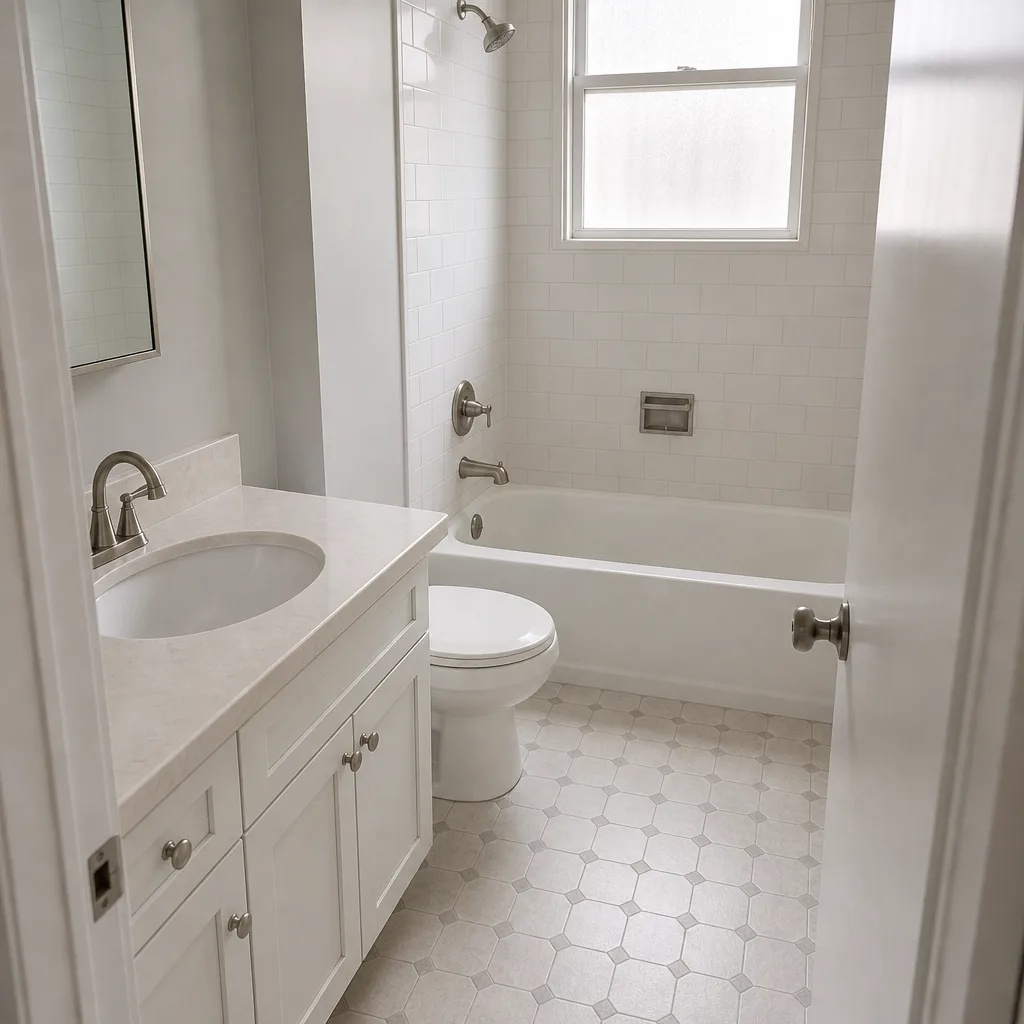 After
How to Choose a General Contractor in San Francisco: A Checklist That Goes Past the License
Choosing a general contractor in San Francisco means verifying more than a state license number: you want proof the contractor has pulled permits through SF’s Department of Building Inspection in the last two years, can explain the Chapter 4D soft-story retrofit ordinance in plain language, and will stop work for a signed change order before doing extra work. License and insurance are the floor, not the filter. What separates a contractor who will finish your project from one who will not sits in three SF-specific checks most homeowners never run.
A licensed, insured contractor with twenty years of Marin County experience is a different contractor from one who has queued at the DBI counter on Mission Street, filed a 311 neighbor notification for a rear addition, and framed inside a balloon-frame Edwardian with shared walls on both sides. This page covers those checks in order, with the questions to ask and the answers that should make you pause. If you would rather have the whole list walked through with you, call Rowan Construction Group San Francisco at (844) 797-6388.
Why the Standard Vetting Checklist Doesn’t Transfer to San Francisco
Most “how to choose a contractor” advice was written for suburban building. Check the license, check the insurance, call three references, done. That advice assumes a jurisdiction where an over-the-counter permit covers most work and where your nearest neighbor is 20 feet away.
San Francisco does not work that way. Construction here is dominated by the logistics of building on and between dense pre-1906 wood-frame Victorians and Edwardians, most on 25-foot-wide lots built out to the sidewalk. That means the actual work is vertical additions, rear extensions, soft-story retrofits, and seismic upgrades squeezed into zero-lot-line parcels where a dumpster, a scaffold, or a material pallet cannot simply be parked curbside. Every project is as much a permitting and neighbor-relations exercise as a build.
So the checklist changes. Instead of asking “do you pull permits,” you ask which permits, in which system, how recently, and who signs the neighbor notice. Below are the four checks that matter.
Check #1: SF Permit Volume Through DBI, Not Permit Promises
Ask directly: how many permits has this contractor pulled through San Francisco’s Department of Building Inspection in the last 24 months? Not how many years they have been licensed. Not how many jobs they have done “in the Bay Area.” How many in this city, in this system, recently.
The reason is mechanical. San Francisco runs two parallel permit paths. Simple work like a water heater replacement or a like-for-like window swap can move through an over-the-counter process at 49 South Van Ness. Structural work, additions, and anything touching a soft-story retrofit enters the plan-check queue, which runs on its own timeline and its own set of correction cycles. A contractor who has never navigated that queue will learn it on your clock. The correction letters become your delays.
Our technicians have up to 19 years of experience across seven residential trades, from kitchen remodeling through home additions and ADUs, and every project starts the same way: a written flat price with a written scope before anyone picks up a tool. That discipline is Clause 1 of The Haven Standard, and it exists because a job that begins with an estimate is easier to control than one that begins with a handshake. See our home page for how the guarantee and the pricing standard fit together.
Check #2: Soft-Story and Seismic Literacy
Any contractor working on a pre-1978 wood-frame building in San Francisco should be able to explain Chapter 4D of the SF Building Code, the mandatory soft-story retrofit ordinance, without reaching for a binder. They should be able to look at your building and tell you whether your project triggers it, is exempt, or sits in a gray area that needs the plan checker’s opinion.
This is not an academic test. A soft-story building has a ground floor that is weaker than the floors above it, usually because a garage or storefront has replaced most of the shear wall that would normally stiffen it. Retrofitting means adding a steel moment frame, new shear walls, or both. It is well-specified work, and it is not optional where the ordinance applies.
A contractor unfamiliar with Chapter 4D is a contractor who will discover it after demolition, when the drawing set is open and the framing is exposed. That discovery arrives as a change order, and change orders on a structural retrofit are not small. Ask the question before you sign anything. The right answer names the chapter, names the trigger, and describes how the retrofit is scoped on jobs like yours.
Check #3: Written Change Order Discipline
Ask for the contractor’s written change order policy. Then ask what percentage of their projects finish within 10% of the original written quote. The second question is the one that tells you the truth.
The most important financial protection in a home renovation is a contractor who will not proceed on additional work until a change is written down and signed. Without that rule, extra work happens informally, and informal work shows up as a number at the end that nobody agreed to. Under our Haven Standard, no work proceeds on a change until the change order is signed, and projects have finished within a few percent of the agreed cost since 2007 across 4,000-plus jobs.
Bring a competitor’s estimate to us and we will review it line by line at no charge, as a Free Second Opinion. It is a fast way to see which line items are allowances dressed up as prices and which are fixed. A quote built on allowances is not a price. It is a starting position.
Check #4: Neighbor Relations on a Zero-Lot-Line Parcel
Rear additions and second-story work on San Francisco’s 25-foot lots usually require a 311 Planning notification to adjacent neighbors, who have 30 days to request a Discretionary Review hearing. A hearing does not kill a project, but it does stop it. A contractor who has managed the process knows how to present a scope so that the neighbor’s objections get answered before they become a hearing request.
Ask how they handle the notice. Ask whether they have ever had a Discretionary Review requested and how it resolved. The answer tells you whether they see the neighbor side of the project as their problem or yours.
What Documentation to Require Before the Crew Arrives
The paperwork you should expect from a contractor is the clearest signal of how the job will run. On every visit, you should get:
- A background-checked, uniformed crew. Not a rotating cast of subcontractors who have never met the general contractor.
- A documented photo record of what was found and what was done, delivered to you as a standard deliverable. Not an add-on, not a PDF you have to ask for.
- A live person on the phone when you call. A voicemail box is not a service standard.
- A written warranty with a named standard behind it, such as our 365-Day Done Right Promise. A handshake is not a warranty.
None of these should be premium tiers. If a contractor offers them as upgrades, that is a signal about the base tier.
What Should You Expect to Spend in San Francisco?
Pricing in San Francisco reflects the parcel geometry and permit timeline as much as materials. These are the ranges we quote, written down before work begins, and the same ranges we stand behind across the city:
| Project | Typical Range |
|---|---|
| Kitchen remodel | $16,520-$53,100 |
| Bathroom remodel | $10,620-$33,040 |
| Roof replacement | $9,440-$23,600 |
| Window replacement | $5,310-$17,700 |
| Home addition | $53,100-$153,400 |
| ADU construction | $106,200-$259,600 |
| Garage conversion | $35,400-$94,400 |
Two things move these numbers more than anything else in San Francisco. First, fog. The city’s cool, salt-laden coastal air and near-constant moisture mean painted wood siding and ironwork need maintenance on a shorter cycle than in drier inland markets, and west- and north-facing walls carry persistent fog-driven condensation and rot. Second, access. On steep streets in Russian Hill, Potrero Hill, and Noe Valley, a delivery truck or concrete mixer often cannot reach the door, so crews hand-carry materials and build in temporary sidewalk and street closures. Both facts show up in the written quote, which is exactly why the quote should be written.
When it comes to material selection inside those ranges, brand choice is one of the levers you control. KraftMaid and Wellborn cabinets, Cambria and Caesarstone countertops, GAF and Owens Corning roofing, and Therma-Tru doors all price differently inside the same project, and the honest way to present those choices is line by line in a fixed scope.
FAQs
Ask how many permits they have pulled through SF’s Department of Building Inspection in the last 24 months, and ask for the permit numbers on two recent projects. Permit history is public record, and a contractor who has done the work can name the addresses and the permits. Call (844) 797-6388 if you would like us to walk you through what to look for in the DBI portal.
A soft-story retrofit strengthens a building whose ground floor is structurally weaker than the floors above it, usually because a garage or storefront has replaced most of the shear wall, and Chapter 4D of the SF Building Code makes it mandatory for many pre-1978 wood-frame buildings of a certain size. Most pre-1978 wood-frame buildings of a certain size in San Francisco fall under it, and a contractor should be able to check your building against the ordinance before you sign. We can review your address against the ordinance on a free estimate call.
Yes, and you should not work with a contractor who will not provide one. A written flat price with a written scope and a written warranty should arrive before any work starts, and it is the only number you can compare against another estimate. Call (844) 797-6388 to schedule a free in-person assessment in San Francisco.
Kitchen remodels run $16,520-$53,100, bathroom remodels $10,620-$33,040, and a full home addition $53,100-$153,400, with ADUs higher. Site access, soft-story scope, and material brand choice move the number most. Call (844) 797-6388 for an exact written quote on your project.
If you would rather have the checklist walked through with you, Rowan Construction Group San Francisco offers a no-pressure assessment in San Francisco, and we will review any competitor’s written estimate line by line at no charge. Call (844) 797-6388.
Written by the team at Rowan Construction Group San Francisco, serving San Francisco, CA.