
Last updated November 17, 2026








Free written scope consultation - allowances, timeline, and change-order rules on paper before a single trade is scheduled
Construction Warning Signs: A San Francisco Homeowner’s Reference Guide
A crack in drywall is almost never the first warning sign of a construction problem in San Francisco. The first warning sign is usually a bid that doesn’t itemize permit fees, because that’s the contractor telling you they don’t plan to pull them. The signs that actually predict structural failure or five-figure cost overruns live in documents, line items, and contractor behavior long before a tool gets lifted. This guide separates the cosmetic from the structural, gives you the math for spotting a too-low bid, and names the mid-project red flags worth stopping work over.
Quick Answer
The warning signs that matter most in San Francisco construction are process-based, not cosmetic. A bid that omits a permit line, a change-order process that lives only in conversation, a payment schedule front-loaded before milestones, and subcontractors who don’t know the permit number all predict trouble more reliably than a hairline crack. Cosmetic warning signs are real but rarely urgent; structural warning signs and document gaps are the ones that cost money.
Styles & brands we work with
- Kitchen remodeling
- Bathroom remodeling
- Home additions & ADU
- Roofing
- Windows & doors
- Driveway & pavers
- Fence
Table of Contents
- Cosmetic vs. Structural Warning Signs: How to Tell Them Apart
- The Five Pre-Construction Document Warning Signs
- Warning Signs of Unpermitted Previous Work
- What a Low Bid Actually Looks Like, Mathematically
- Mid-Project Warning Signs Worth Stopping Work Over
- San Francisco-Specific Warning Signs: Climate, Code, and Housing Stock
- The Stop-Work Checklist
- Common Mistakes to Avoid
Cosmetic vs. Structural Warning Signs: How to Tell Them Apart
Every San Francisco home older than about twenty years has some cracking. The question is which cracks are movement and which are distress. Cosmetic signs sit on the surface and usually trace back to a patch, a paint job, or normal seasonal expansion. Structural signs run through the material in a pattern that follows load, and they don’t close up when the weather changes.
Cosmetic warning signs (usually not urgent)
- Hairline vertical cracks over a door or window header, less than 1/16 inch wide, that haven’t grown in a year.
- White powdery bloom on a concrete or stucco surface (efflorescence) where water has wicked through and dried. It signals moisture, not failure, but it tells you to look upstream for the source.
- Minor settlement at a driveway apron or porch step, where the slab has dropped a quarter inch or less against the structure.
- Nail pops in drywall, which are the fasteners backing out as framing dries, not the frame moving.
Structural warning signs (get them looked at)
- Diagonal cracking that runs from the corner of a window or door toward the ceiling or floor. A 45-degree crack radiating from an opening corner is a classic sign of differential settlement or a failing header.
- Stair-step cracking through mortar joints in a brick or masonry wall. When the crack follows the mortar in a zigzag pattern, the wall is moving.
- Floor bounce or a slope you can feel when you walk across a room. In a San Francisco Victorian or Edwardian, a spongy floor often points to a compromised joist or girder, sometimes where a prior remodel cut a member without adding a post.
- Doors and windows that suddenly stick in one season and not another, especially if the sticking is new.
The rule of thumb: if a crack is wider than a nickel, is diagonal, or is getting wider, treat it as structural until a licensed professional says otherwise. The hairline cracks and efflorescence can wait for the next service call.
The Five Pre-Construction Document Warning Signs
These five gaps in a bid or contract predict cost overruns better than any crack. Read the paperwork before you read the reviews.
1. No itemized permit line
A legitimate bid includes a line for permit fees, plan review, and inspection costs, or it states in writing who pulls the permit and at what cost. When permit fees are folded into a vague “miscellaneous” line or left out entirely, the contractor is either planning to skip the permit or planning to surprise you with the fee later. In San Francisco, permit costs on a kitchen remodel or a home addition or ADU are significant enough that their absence is a real signal.
2. No subcontractor list
The bid should name which trades are subbed out and, ideally, which subcontractors. If plumbing, electrical, and drywall are all “handled by our team” with no names, you have no way to verify who’s licensed to touch what.
3. No defined change-order process
Ask what happens when a change comes up mid-build. If the answer is verbal (“we’ll work it out”), the price is not fixed. A written change order that requires your signature before work proceeds is the mechanism that keeps a project near its agreed cost.
4. No payment schedule tied to milestones
Payments should follow completed, inspectable work, not calendar dates. A contract that asks for a large deposit up front and the rest on a schedule rather than at milestones is a cash-flow arrangement, not a project plan.
5. No lien waiver language
A lien waiver is the document that confirms a subcontractor has been paid and won’t come after your property. If the contract never mentions lien waivers, you have no protection if the general contractor doesn’t pay a sub.
Any one of these five is worth asking about. Two or more together is a pattern.
Warning Signs of Unpermitted Previous Work
San Francisco’s housing stock is old and heavily remodeled, and a lot of that remodeling happened without permits. Unpermitted work often surfaces years later when you sell, refinance, or pull a permit of your own. Here’s what to look for.
- Electrical panel labels in multiple handwriting styles. Original breakers labeled by one hand and later additions labeled by another tell you circuits were added over time, possibly by different people with different standards. A panel that’s been opened for unpermitted circuits often has breakers that don’t match brand or era.
- Mismatched insulation depths in an open wall or attic. Walls opened at different times get stuffed with different materials and depths. If a wall cavity shows three different insulation products, parts of that wall were redone at different times, and not all of it under permit.
- Foundation anchor bolts of inconsistent diameter. Retrofit work added over the years can leave bolts of different sizes and spacing along the same sill plate. Uniform bolts are the sign of a single permitted retrofit; a mix tells you somebody came back later.
- Outlets, fixtures, or plumbing in a location with no record of a permit. A bathroom that was clearly added in a basement that has no permit record, for example.
- Ceiling heights and door widths that don’t match the era. A Victorian with a modern-height doorway or a ceiling that was clearly lowered to hide ductwork is worth a closer look.
If you spot these, you can ask the city for the permit history on the address. If a prior owner’s driveway and pavers or fence installation work was done without permits, the fix usually starts with a conversation about what’s on record before anything new gets built.
What a Low Bid Actually Looks Like, Mathematically
A bid that’s meaningfully below the others isn’t a bargain, it’s a math problem. Here’s how to run it.
- Get the material cost floor. Pull current unit costs from RSMeans, the construction cost estimating database that most contractors already use. For a given scope, RSMeans gives you a national baseline per square foot or per unit. Adjust it for San Francisco labor and material premiums, which run well above national averages.
- Compare bid to material floor. If a bid lands below the raw material cost for the specified products, the contractor is either planning to substitute cheaper materials (and not tell you), planning to skip steps, or planning to come back for more money mid-project. None of those is a discount.
- Check the material brands against the bid. A roofing bid that specifies GAF or Owens Corning shingles at a price that can’t cover those shingles is a bid that will arrive with a different shingle. A cabinet bid that names a line of KraftMaid or Wellborn cabinets at a price below that line’s floor is the same problem.
- Look at the labor line. Labor below the market rate usually means unlicensed or uninsured labor, or a change order coming. The gap between a suspiciously low labor line and a fair one shows up as a “surprise” somewhere in the last two weeks of the job.
You don’t need to be an estimator to run this. Ask for the material spec and a line-item breakdown, then compare the total to published cost data. If the gap is large enough to explain, ask the contractor to explain it. If the explanation is “we get better prices,” ask for the supplier and the spec in writing.
Mid-Project Warning Signs Worth Stopping Work Over
These are the signs that should make you pause work and put a conversation in writing.
- Material substitution without written approval. The spec said one brand, one line, one grade; a different product shows up. Even a “better” substitution needs your signature. Silently swapping a Kohler or Grohe fixture for a cheaper equivalent is a change to your project.
- Rough-in covered before inspection sign-off. Electrical, plumbing, and framing get covered by drywall or finish only after the rough-in inspection is passed. If drywall goes up before the inspector has signed the rough-in, the work under it is not verified.
- Subcontractors who don’t know the permit number. Ask any sub on site for the permit number on the job. If they can’t produce it or name it, the permit may not exist or may not cover their trade.
- No photo record of work in progress. You should have evidence of what was found and what was done, documented as it happens, not promised after the fact.
- Change orders that show up as a page in a final invoice, not a signature before the work. A change order requires your signature before the change proceeds. Anything else is a retroactive bill.
If you see two or more of these, ask the general contractor to pause and put the status in writing. The Rowan Construction Group San Francisco home page walks through the documentation we provide on every visit, including the photo record and the signed change order.
San Francisco-Specific Warning Signs: Climate, Code, and Housing Stock
San Francisco’s mild, wet winters and aging housing stock create their own warning signs. The city gets most of its rain between November and March, and the soil under parts of the city is fill or bay mud that moves differently from bedrock. That matters for what you see on a foundation.
- Wet-season cracking that closes in summer. In San Francisco’s clay soil, expansion and contraction can open and close cracks seasonally. Cracks that don’t close are the ones to chase.
- Efflorescence on a retaining wall or foundation. The city’s wet winters push water through concrete and stucco, and the bloom that dries on the surface is a moisture map. Where the bloom concentrates tells you where water is getting in.
- Cracked stucco around the weep screed. The weep screed is the narrow metal flashing at the base of a stucco wall that lets water drain out. If it’s missing or buried in soil, water has nowhere to go but into the wall.
- Seismic retrofit warning signs. The city’s soft-story retrofit requirements have pushed a lot of work through older apartment buildings. Look for retrofit hardware that doesn’t match the drawings, or a foundation with new bolts but no permit record.
- Fog-belt moisture at wood windows and doors. Homes in the Sunset and Richmond districts get persistent fog moisture, and wood windows that haven’t been maintained show it in the sill and the frame before they fail.
Roofing and window warning signs in San Francisco tend to appear at the same season. A roof specified with certain GAF or CertainTeed shingle lines that’s failing well before its rated life usually points to a ventilation or install problem. The Driveway & Pavers in San Francisco guide covers the drainage side of that equation, and the Fence Installation in San Francisco guide covers how to spot a fence that’s failing from the post up.
The Stop-Work Checklist
When something feels wrong mid-project, run this checklist before you say another word. It gives the conversation structure and protects your position.
- Write down what you saw, the date, and who was on site.
- Photograph the condition before anything gets covered or moved.
- Ask the general contractor to pause work on that scope until you have a written response.
- Request the permit number and the inspection record for the scope in question.
- Ask for the change order that authorized any material or scope change, signed by you.
- Put your concerns in an email so there’s a written record of the conversation.
None of that is hostile. It’s the same documentation discipline that a well-run contractor should already be keeping. Under Clause 1 of our Haven Standard, the price is written before anyone starts, and no change proceeds until the change order is signed. That’s the standard we’d want on any project, including one we’re not building.
Common Mistakes to Avoid
- Reading the reviews before reading the bid. A five-star review can’t tell you whether the contractor itemized permit fees. The bid can, and the bid is the document that governs your project.
- Treating the low bid as the best value. If the bid is below the material floor, the difference comes out of scope, substitution, or a change order later. Run the math before you sign.
- Accepting a verbal change order. A change approved in a hallway conversation has no signature, and a change without a signature has no protection if the cost becomes a dispute.
- Ignoring diagonal cracking as cosmetic. Hairline vertical cracks are usually cosmetic. Diagonal cracks radiating from a window corner are not.
- Skipping the permit history on the address. In a city with San Francisco’s remodeling history, the permit record is the cheapest inspection you’ll ever get.
- Letting drywall go up before the rough-in inspection. Once the wall is closed, the inspection is more expensive and more disruptive to redo.
- Paying on a calendar schedule instead of milestones. Payments should follow inspected work, not the week on the calendar.
See the difference
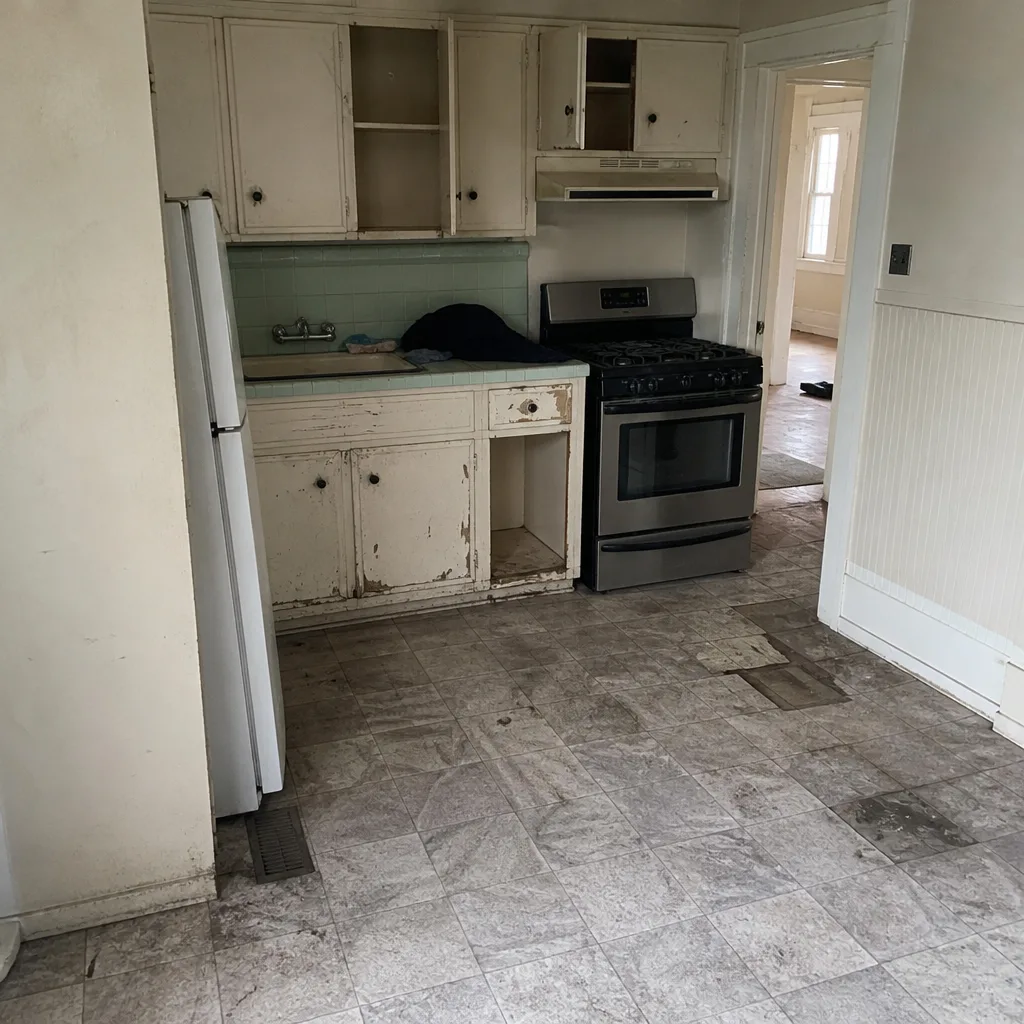 Before
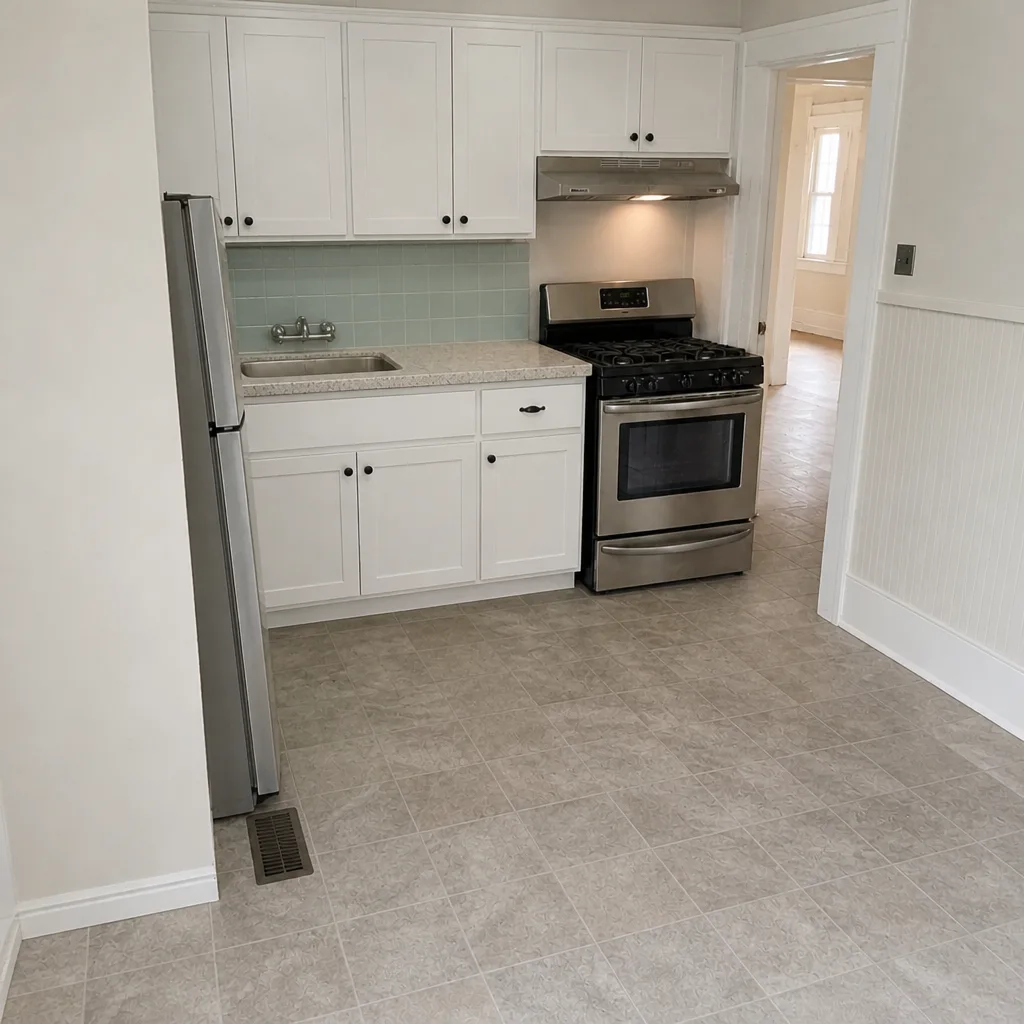 After
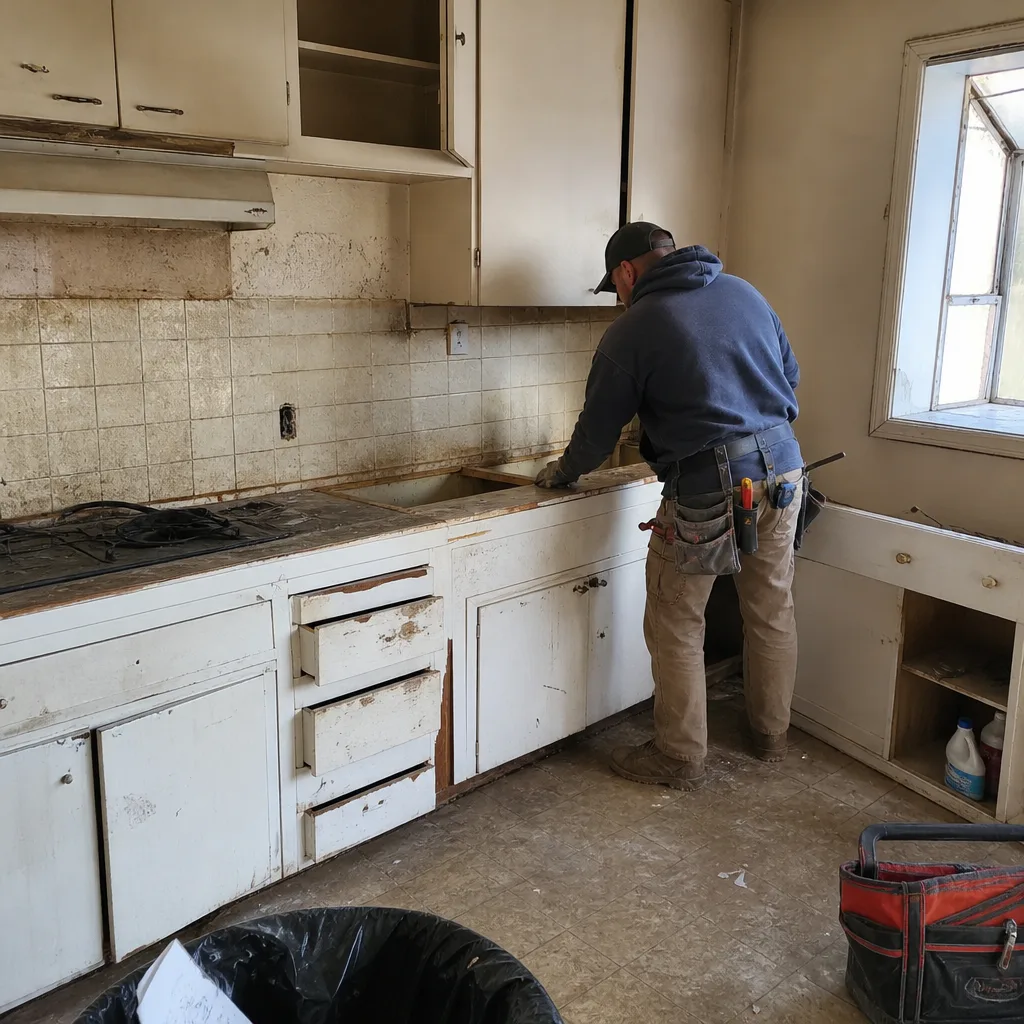 Before
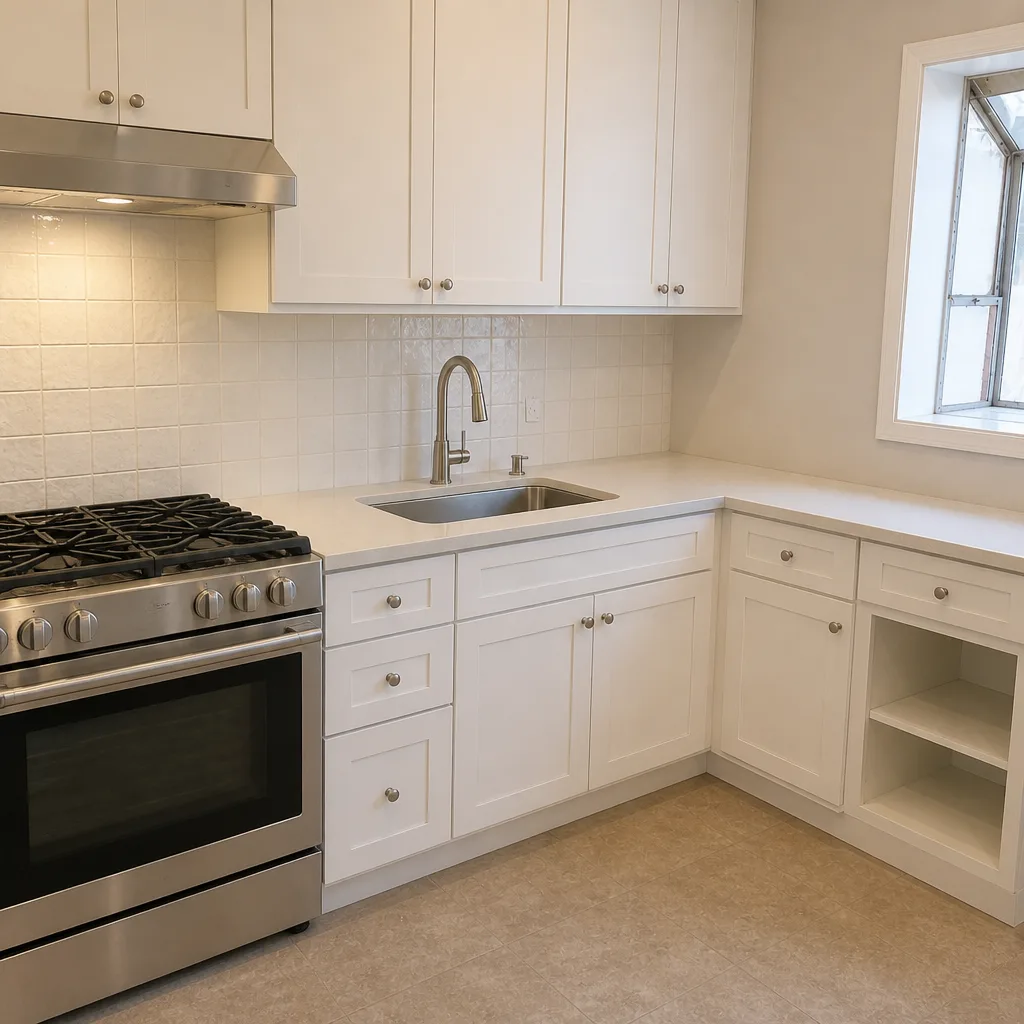 After
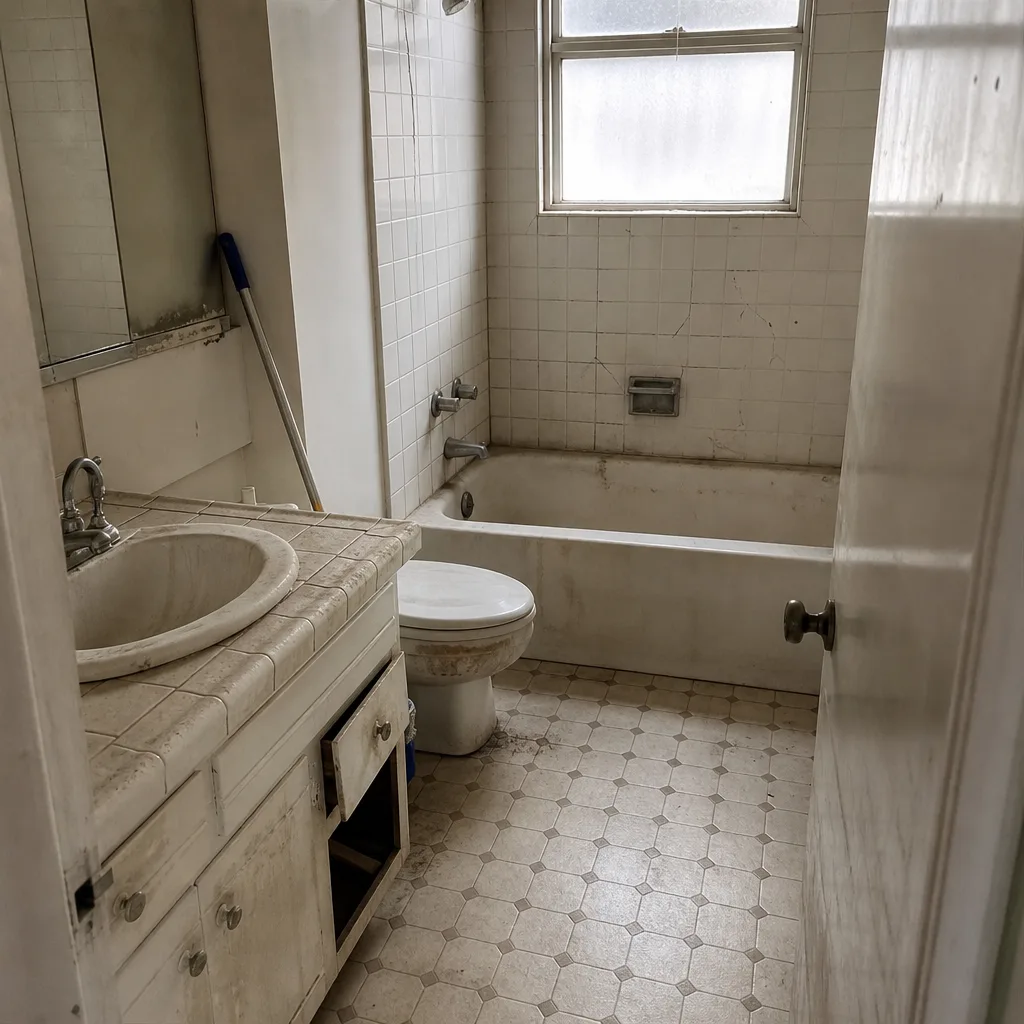 Before
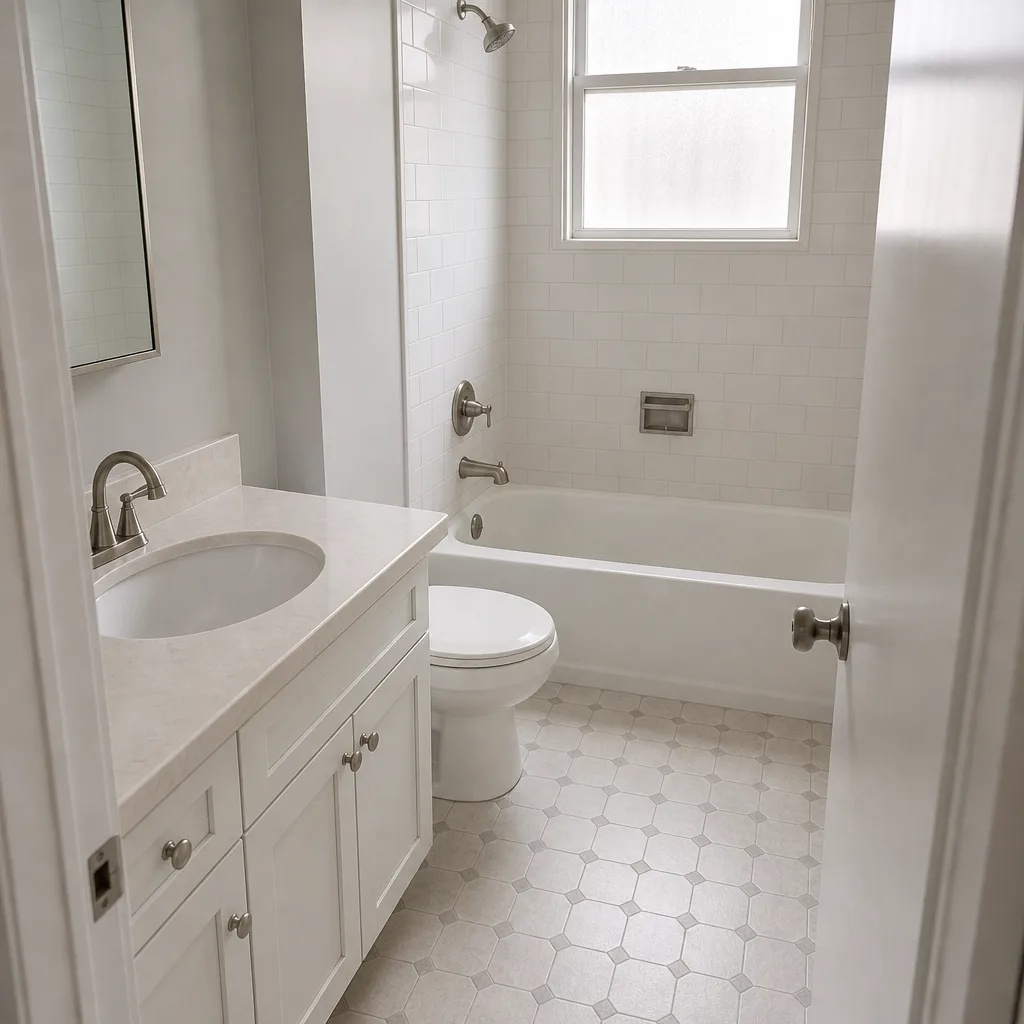 After
When to Call a Professional
Some of what’s on this page you can assess yourself with a flashlight and a phone camera. A diagonal crack wider than a nickel, stair-step mortar failure, a floor that bounces or slopes, a foundation with mismatched anchor bolts, a panel with circuits of unclear origin, or a bid missing two or more of the five document lines all warrant a professional evaluation. So does any project where the contractor won’t put a flat written price and a written scope in front of you before work starts. Our technicians have up to 19 years of experience reading these conditions on San Francisco homes, and we’ll tell you plainly what we see. Rowan Construction Group San Francisco offers free estimates in San Francisco. Call (844) 797-6388 to schedule one, or bring a competitor’s written estimate and we’ll review it line by line at no charge as a free second opinion.
Frequently Asked Questions
A bid that doesn’t itemize permit fees. It tells you the contractor either doesn’t plan to pull the permit or plans to surprise you with the fee later. Call (844) 797-6388 for a free estimate with a written, itemized price.
No, but it’s the crack pattern most worth checking. Diagonal cracking that runs from a window or door corner at roughly 45 degrees is a classic sign of settlement or a failing header, so it warrants a professional look. Vertical hairline cracks under 1/16 inch are usually cosmetic.
Look for electrical panels labeled in multiple handwriting styles, mismatched insulation depths in an open wall, and foundation anchor bolts of inconsistent diameter and spacing. Any of those point to work done at different times, possibly without permits. The city’s permit history on the address is the definitive check.
Compare the bid to the raw material cost for the specified brands using RSMeans data adjusted for San Francisco premiums. If the bid falls below the material floor, the contractor is planning to substitute materials, skip steps, or come back for more money. Call (844) 797-6388 for a free second opinion on any written estimate.
No. Any substitution should be proposed in writing and approved by your signature before the material goes in. A silent swap of a named brand like Grohe or GAF for a cheaper equivalent is a change to your project and should be treated as one.
Stop work on that scope, photograph the condition, and ask the general contractor to respond in writing before work resumes. Request the permit number, the inspection record, and the signed change order for the scope in question. A contractor with a real documentation process will have all three on hand.
The Bottom Line
The warning signs that predict failure in San Francisco construction are usually in the documents, not the drywall. Read the bid for the permit line, the sub list, the change-order process, the milestone payment schedule, and the lien waiver language. Run the math on a low bid. Learn which cracks are cosmetic and which are structural. Look for unpermitted work in the panel and the foundation. None of this requires a construction background; it requires reading the paperwork before the work starts. If you’d rather have a professional read it with you, that’s what the free estimate and free second opinion are for.
Call (844) 797-6388 to schedule your free estimate with Rowan Construction Group San Francisco. We put the price in writing before any work starts, include a documented photo record on every visit, and back every project with the 365-Day Done Right Promise under The Haven Standard.
Written by the team at Rowan Construction Group San Francisco.