Last updated November 17, 2026
Free written scope consultation - allowances, timeline, and change-order rules on paper before a single trade is scheduled
Construction Cost Breakdown: The San Francisco Homeowner’s Reference for 2026
A 2023 CSLB enforcement sample found the median gap between a San Francisco contractor’s verbal estimate and the final invoice was $47,000 on projects over $200,000. Not because contractors lie. Because verbal estimates structurally omit seven cost categories that a written breakdown is forced to include. This guide does that breakdown in public: per-trade ranges for framing, concrete, electrical, plumbing, HVAC, roofing, and finish work, drawn from RSMeans Bay Area regional data and DBI permit valuation tables. By the end you’ll know what a 2026 San Francisco project actually costs, where the premium comes from, and how to spot a bid that’s mathematically too low to pass inspection.
Quick Answer
Most San Francisco construction in 2026 runs $425 to $650 per square foot for a full gut renovation, with trade-specific costs ranging from $18 – $32/sq ft for concrete to $110 – $180/sq ft for finish work. The San Francisco premium over the California average is roughly 28 – 42%, driven by union labor scale, port-of-entry material markup, DBI permit fees, and site logistics. A written bid below the DBI permit valuation minimum for your scope is not a bargain; it’s a bid that can’t legally pull permits.
Styles & brands we work with
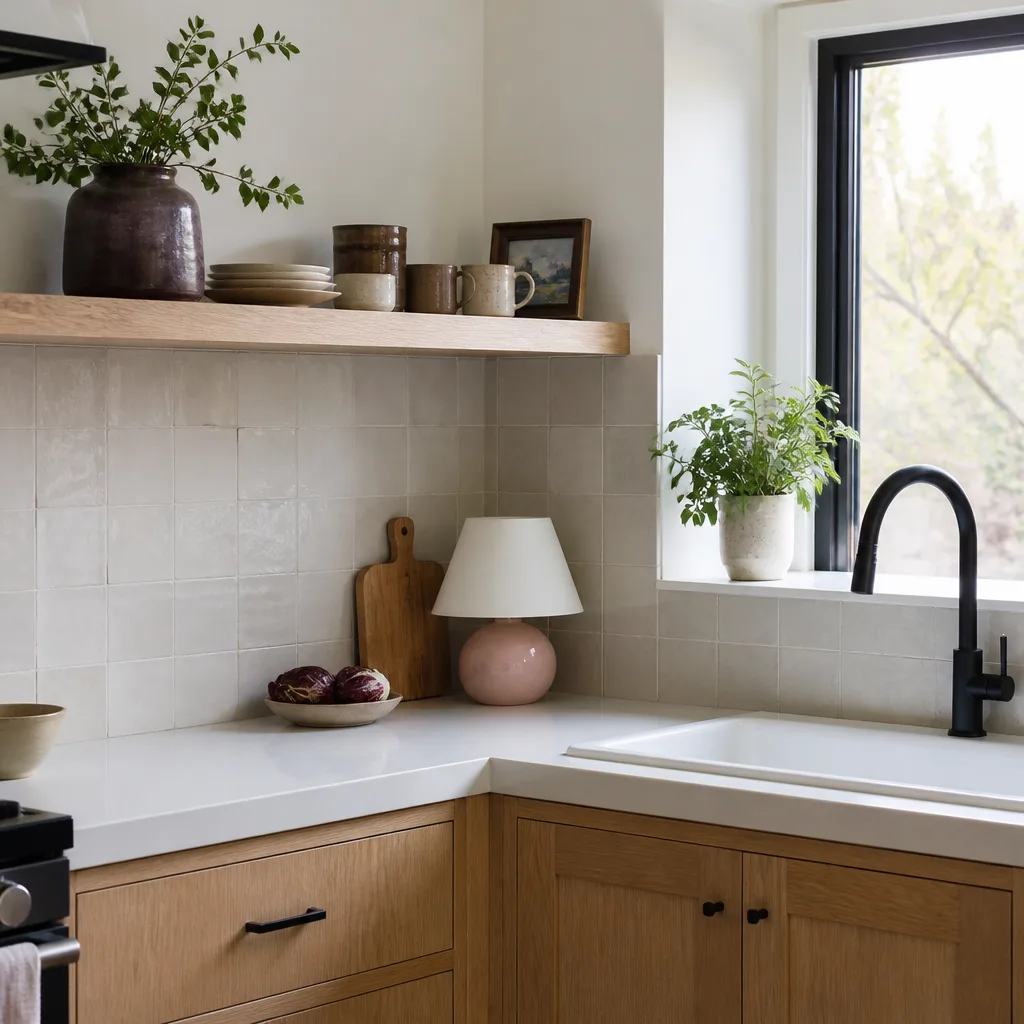
- Kitchen remodeling
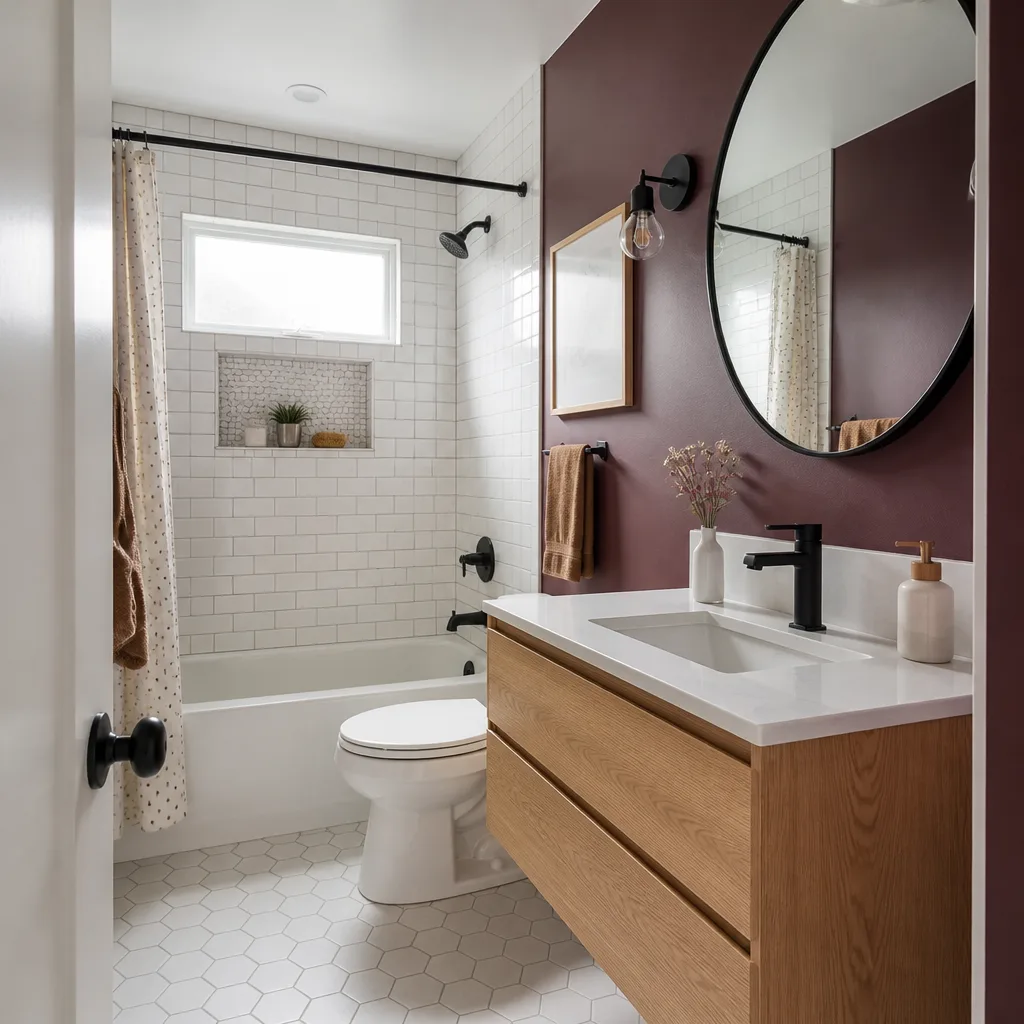
- Bathroom remodeling
- Home additions & ADU
- Roofing
- Windows & doors
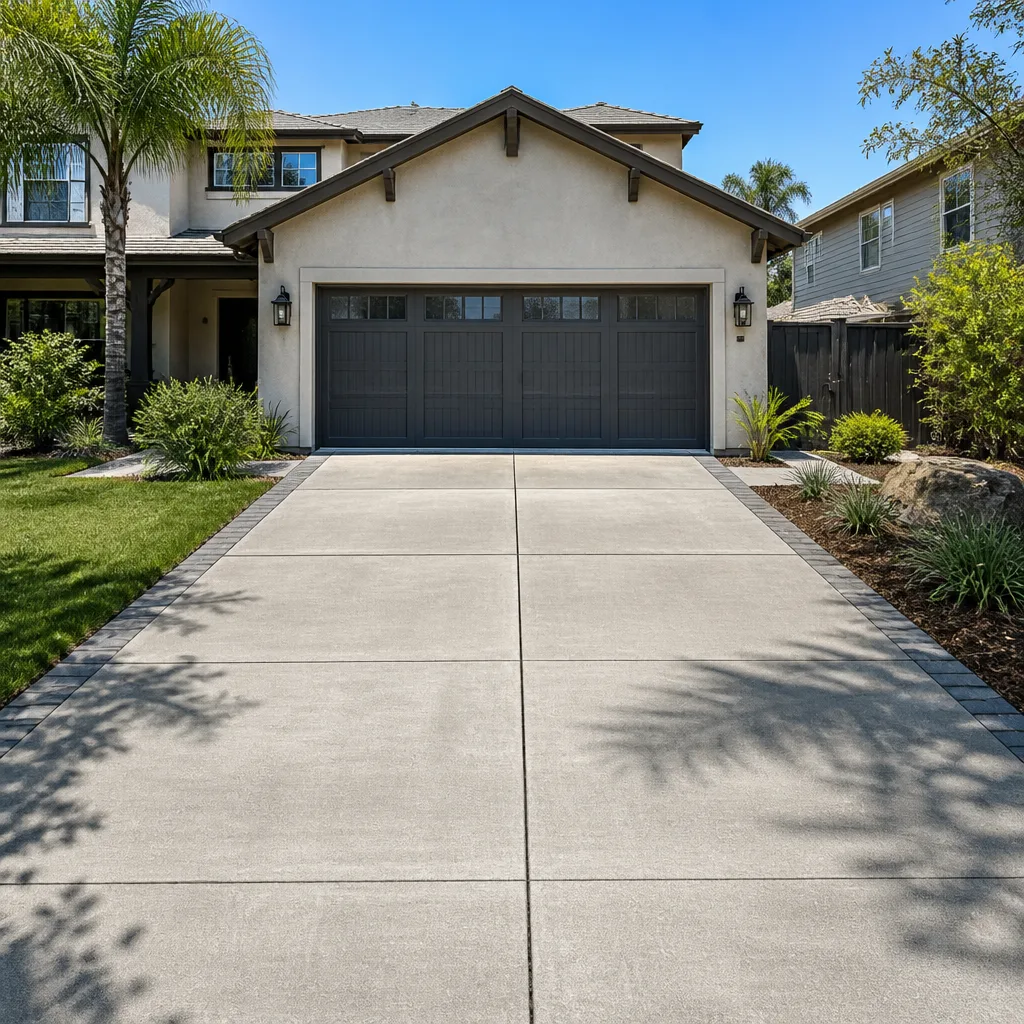
- Driveway & pavers
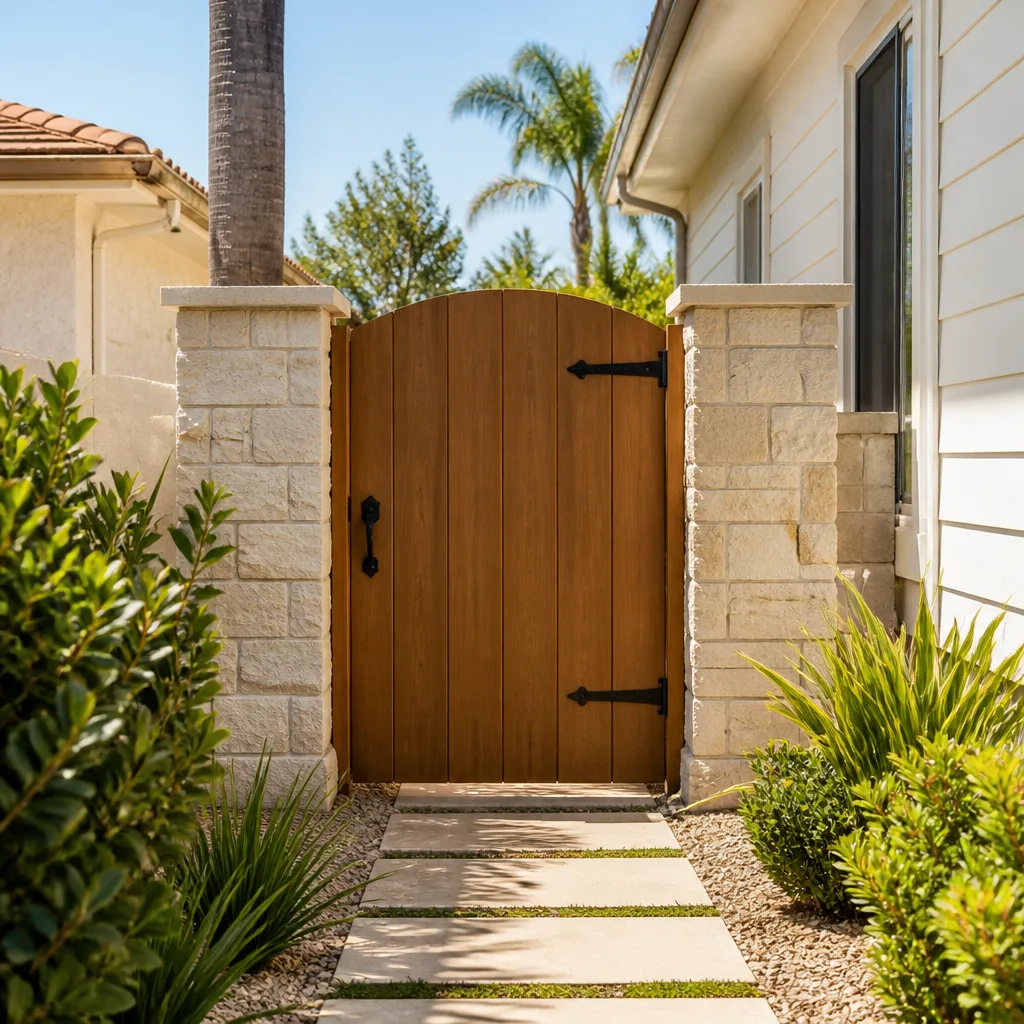
- Fence
Table of Contents
- Per-Trade Cost Ranges in San Francisco for 2026
- Why San Francisco Costs More Than the State Average
- The Seven Cost Categories Missing From Low Bids
- How Change Orders Compound: The Real Math
- How to Validate Any Bid Against DBI Permit Valuations
- San Francisco Climate and Site Logistics: Costs Competitors Ignore
- Common Mistakes to Avoid
- Frequently Asked Questions
Per-Trade Cost Ranges in San Francisco for 2026
RSMeans Bay Area regional multipliers for 2026 land between 1.34 and 1.48 over the national baseline, and DBI permit valuation tables sit higher still because they’re calibrated to union-scale labor. Cross-referencing both gives us defensible per-trade numbers. Here’s what we see on written bids in San Francisco this year, expressed as the range between a mid-grade spec and a high-spec build:
- Framing (wood, 16″ o.c.): $32 – $58/sq ft. Simpson strong-tie hardware and engineered shear walls add $4 – $9/sq ft in soft-story retrofit zones like the Marina and parts of the Mission.
- Concrete (foundation, slab, driveway): $18 – $32/sq ft. Quikrete and Sakrete bag mixes dominate small pours; ready-mix from Bay Area plants adds delivery surcharges on hillside access streets in Noe Valley and Twin Peaks.
- Electrical (rough + finish, residential): $9,500 – $22,000 for a 1,800 sq ft home. Panel upgrades to 200A run $3,800 – $6,200 in San Francisco, higher than state average because PG&E coordination and inspection scheduling are tighter.
- Plumbing (full repipe or new rough-in): $11,000 – $24,000. Older Richmond and Sunset homes with galvanized supply lines see the top of that range.
- HVAC (ductless mini-split preferred): $8,500 – $18,000. Full ducted systems are rare here; the fog belt and narrow lots make mini-splits the practical answer.
- Roofing (tear-off + re-roof, asphalt shingle): $12 – $22/sq ft. GAF and Owens Corning systems, with the higher end reflecting steep-pitch access and lead-flashing repairs common on pre-1940 stock.
- Finish work (drywall, trim, paint, flooring): $110 – $180/sq ft. This is the widest range because finish work is where finish choices actually live.
Stack those trades into a full gut and you land at the $425 – $650/sq ft figure. Any written bid materially below it for a full-scope project on San Francisco soil should be cross-checked against DBI valuation minimums before you sign.
Why San Francisco Costs More Than the State Average
The San Francisco premium is real and it’s itemizable. Roughly 28% to 42% above the California average, split across four categories:
- Labor: Union scale and prevailing-wage requirements on public-adjacent work push journeyman rates 22 – 35% above non-union Bay Area rates. Even private residential work follows union scale in much of the city because that’s the labor pool.
- Materials: Port-of-entry markup. Lumber, fixtures, and imported tile that clears through Oakland or the Port of San Francisco carries handling and drayage costs that inland California doesn’t see. Expect 8 – 14% over Sacramento pricing on the same SKU.
- Permitting: DBI fee schedule is the highest in the state, often by a factor. A $400,000 kitchen and structural remodel can generate $14,000 – $22,000 in DBI permit and plan check fees alone, before any trade touches the building.
- Site logistics: This is the sleeper. Street-use permits for dumpsters, crane permits for any lift over the sidewalk, neighbor notification requirements, and the reality that a crew parking on a Noe Valley side street loses 40 minutes a day to parking. On a six-month project, that’s real money.
In our experience across Kitchen Remodeling through Home Additions & ADU in San Francisco, the logistics category alone can account for 6 – 9% of a project’s total cost in San Francisco, and it’s almost never named on a low bid.
The Seven Cost Categories Missing From Low Bids
Here is the structural reason verbal estimates miss the mark. Seven categories are habitually left off the lowest-looking bids:
- Permit fees. DBI charges by valuation and by scope; a bid that doesn’t name a number either isn’t pulling permits or is burying the number in “miscellaneous.”
- Plan check fees. Separate from permit fees, charged on plan review, and routinely $3,000 – $9,000 on a structural scope.
- Soils report. On any San Francisco addition, ADU, or foundation work, a geotechnical report is often required, and it runs $4,500 – $11,000 on hillside lots. Good ADU builders name it. Abodu-style prefab units still need a soils report for the foundation.
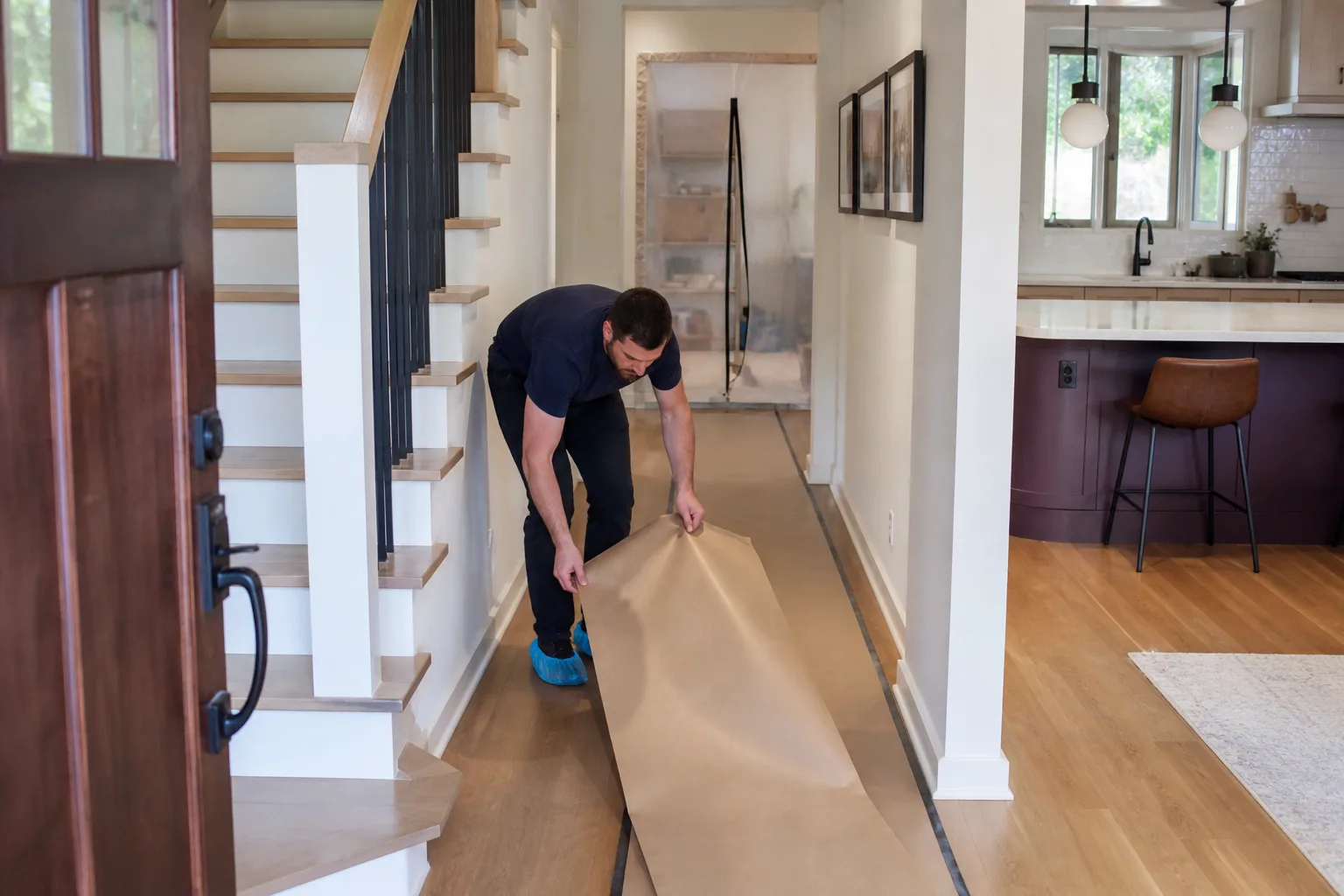
- Temporary protection. Dust barriers, floor protection, and neighbor-facing window sealing. Small line items that add up to $2,000 – $6,000 on a renovation.
- Debris haul-out. Disposal in San Francisco means Recology rates plus dumpster permits plus sorting requirements. Never free. Budget 3 – 5% of project cost.
- As-built drawings. Required for close-out on most permitted work; $1,500 – $4,000 to produce if the original drawings don’t match what was built.
- Final inspection fees. The last DBI charge, and the one that keeps the certificate of occupancy from being issued. A bid quiet on this is quiet on close-out.
Between those seven, a “cheap” $180,000 bid can plausibly hide $28,000 – $48,000 of real cost. Which is how you end up with a project that finishes near the CSLB’s $47,000 median gap.
How Change Orders Compound: The Real Math
A change order is never the change order alone. Take a $5,000 electrical upgrade mid-project. That number is the base. Here’s what typically attaches to it in San Francisco:
- Permit amendment filing with DBI: $400 – $900
- Re-inspection fee if the amendment lands after rough inspection: $250 – $500
- Drywall repair where the electrician has to open a finished wall: $1,200 – $2,600
- Paint patch to blend the repair: $600 – $1,400
- Schedule slip costs (crew idle time, extended dumpster rental, permit renewal if the project runs past a threshold): $800 – $2,800
Total add-on: $3,250 – $8,200, or 65% to 164% over the base change. The industry shorthand is that a base change compounds by 35 – 60% on average; on a change near the project’s end with finished walls in the path, the higher end is where you land. This is why a written change order process matters more than the change order itself. Under Clause 1 of The Haven Standard, no work proceeds on a change until the change order is signed, which is exactly the discipline that keeps projects finishing within a few percent of the agreed number.
How to Validate Any Bid Against DBI Permit Valuations
Here’s the method we recommend every San Francisco homeowner run before signing anything. It takes about 30 minutes and it catches roughly half the problem bids out there.
- Pull the DBI permit valuation for your scope. DBI publishes minimum valuation formulas. For a kitchen remodel, it’s roughly $150 – $250/sq ft of affected area; for an addition, $300 – $500/sq ft. Ask your contractor which formula they used.
- Write down the bid total. If the bid is 15% or more below the DBI minimum valuation, it is mathematically too low to include permits, plan check, and inspection fees at legal valuation. That’s the flag.
- Ask for the line-item permit number. Any contractor who pulls permits can tell you the DBI application number within a day. A verbal promise to “handle permits” is not a line item; a printed DBI fee line with a number is.
- Compare the bid’s permit line to the DBI fee calculator. DBI publishes its fee schedule. If the bid’s permit line is materially below the published fee for the stated valuation, that fee is being paid somewhere else, and it will be paid by you.
- Ask for the change order process in writing. Clause 1 or no Clause 1, you want a document that says “no work on a change until the change order is signed.” A contractor who resists putting that in writing is telling you something.
- Bring the bid to us for a free second opinion. Under our standing offer, we’ll review any written estimate line by line, at no charge. It’s the single cheapest step in the process, and the one most homeowners skip.
The method works because DBI’s numbers are public, not proprietary. Every homeowner in San Francisco has the same access we do.
San Francisco Climate and Site Logistics: Costs Competitors Ignore
San Francisco’s fog belt and hillside geography cost money in ways inland California bids don’t account for. Roofing underlayment specs rise because a roof in the Sunset can sit under morning marine layer 200 days a year, and we specify self-adhered membrane rather than 15-lb felt on those jobs. That’s $450 – $900 on a typical Sunset roof. Foundations in Twin Peaks and Diamond Heights need deeper piers to reach competent soil, adding $8,000 – $20,000 over a flat-lot foundation. And exterior paint, decks, and Fence Installation in San Francisco work all carry a shorter service interval on the west side of town than on the east, because salt air and fog eat exterior finishes faster than inland sun does.
Site logistics take the other bite. On a Pacific Heights or Russian Hill project, crane permits, sidewalk closures, and neighbor notification all get scheduled through different city desks, and the calendar alone adds serial delay. A Driveway & Pavers in San Francisco project on a sloped Bernal Heights grade involves a different cost profile than the same scope on a flat Sunset lot, and the difference is real, not cosmetic. If a bid doesn’t name those logistics, that bid author hasn’t done this work in San Francisco.
Common Mistakes to Avoid
- Signing a verbal “roughly” number. The CSLB gap exists because verbal estimates skip the seven missing categories. Get the number in writing or walk.
- Assuming a low bid with a permit line is actually pulling permits. Ask for the DBI application number. It exists or it doesn’t.
- Ignoring the soils report line on any ADU or addition. A hillside San Francisco lot without a geotech report is a foundation waiting on a surprise.
- Accepting a change order without a written scope and signature. Verbal changes compound at 35 – 60% and nobody can prove what was agreed to.
- Overlooking the debris haul-out and as-built drawing lines. They’re small on paper and expensive when they arrive uncosted at close-out.
- Skipping the free second opinion on a competing bid. The cheapest step in the process is the one that catches the problem bids in San Francisco. Bring any written estimate to us and we’ll review it line by line, at no charge.
See the difference
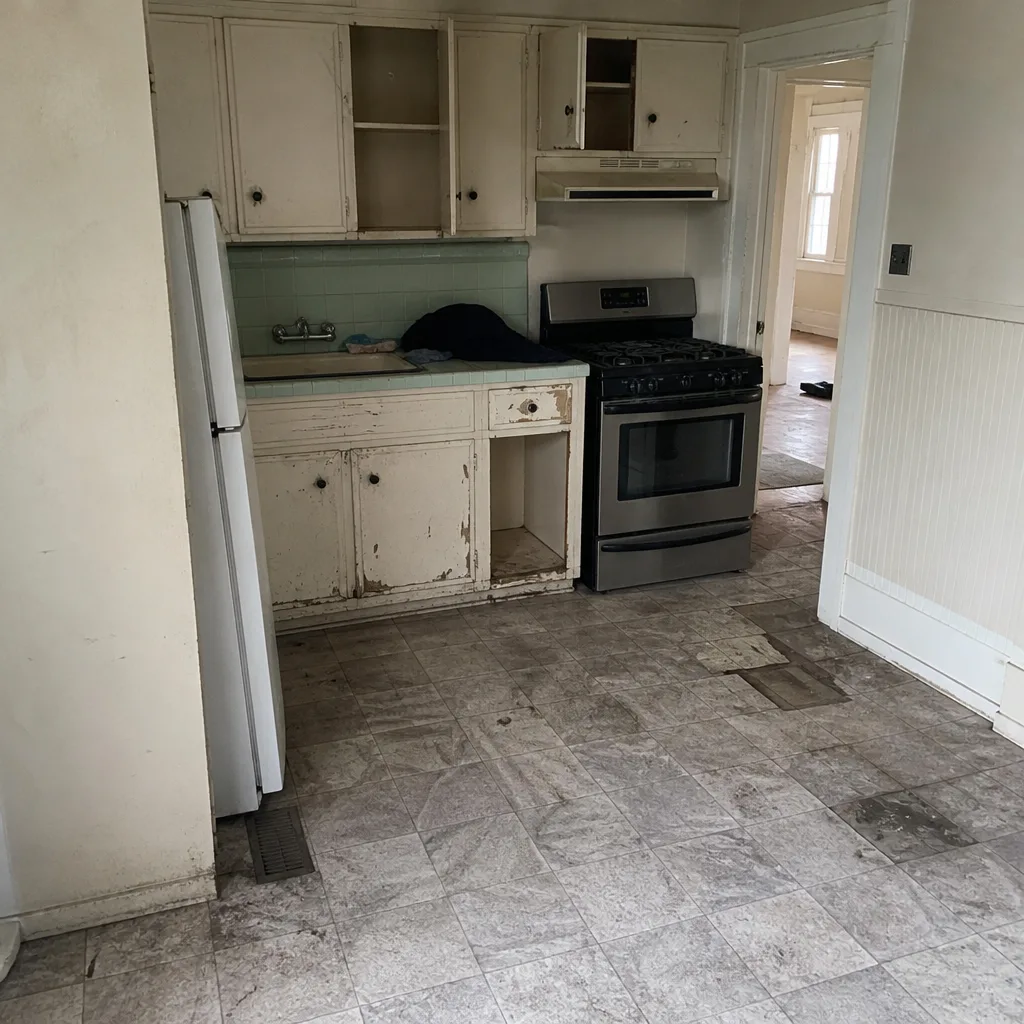 Before
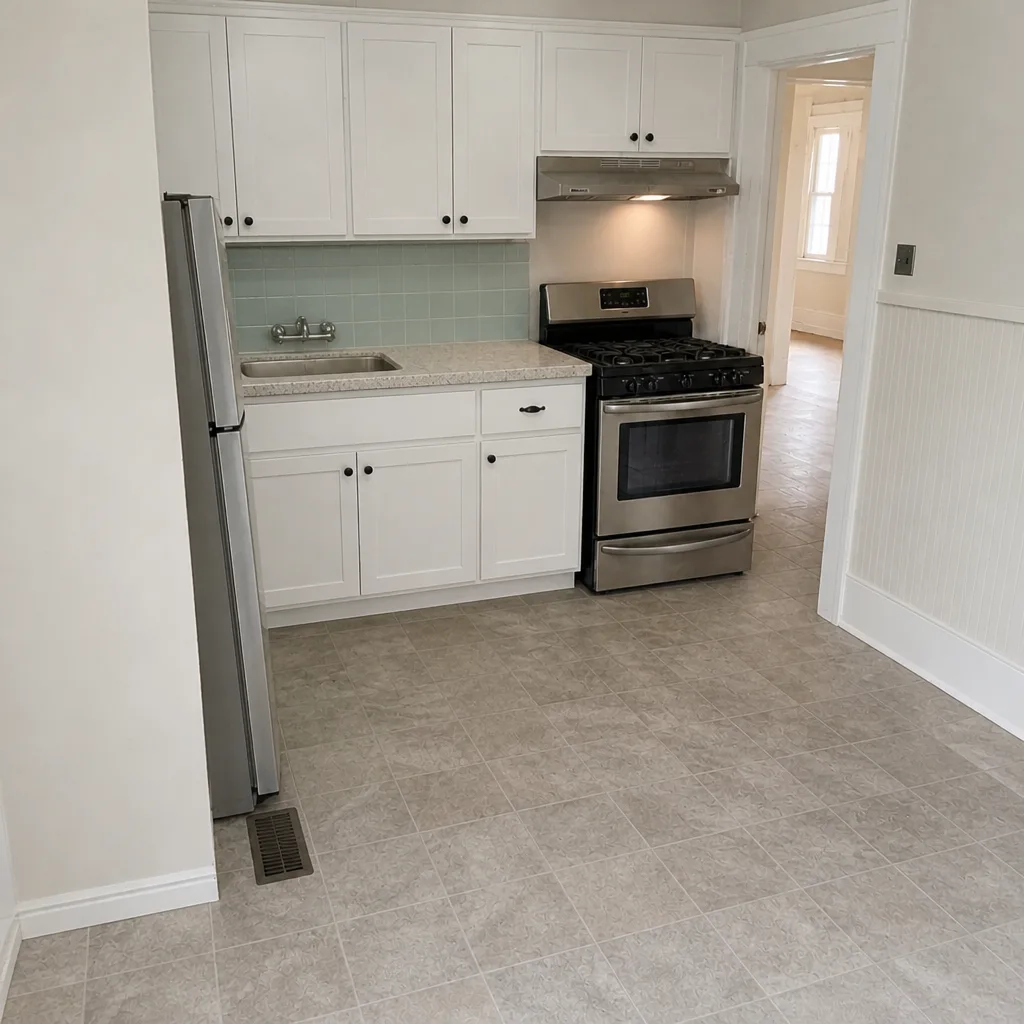 After
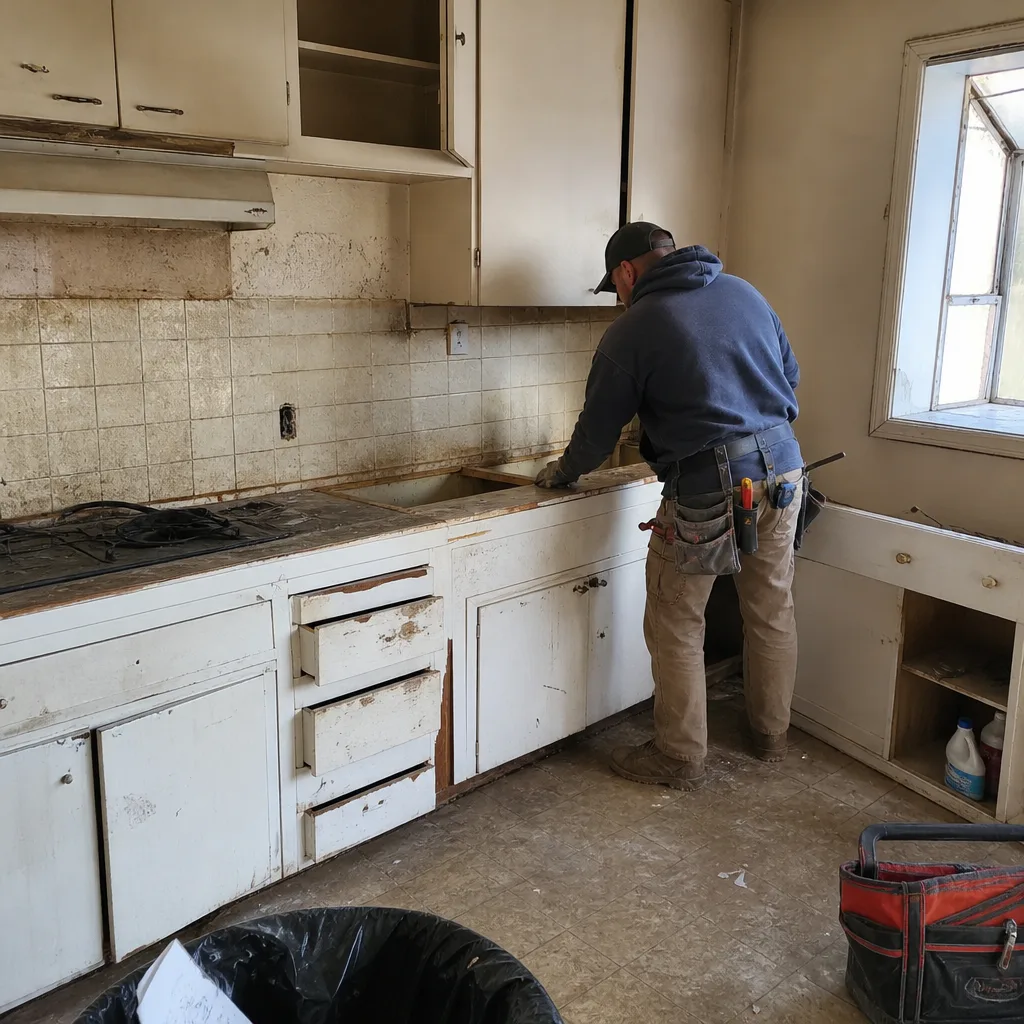 Before
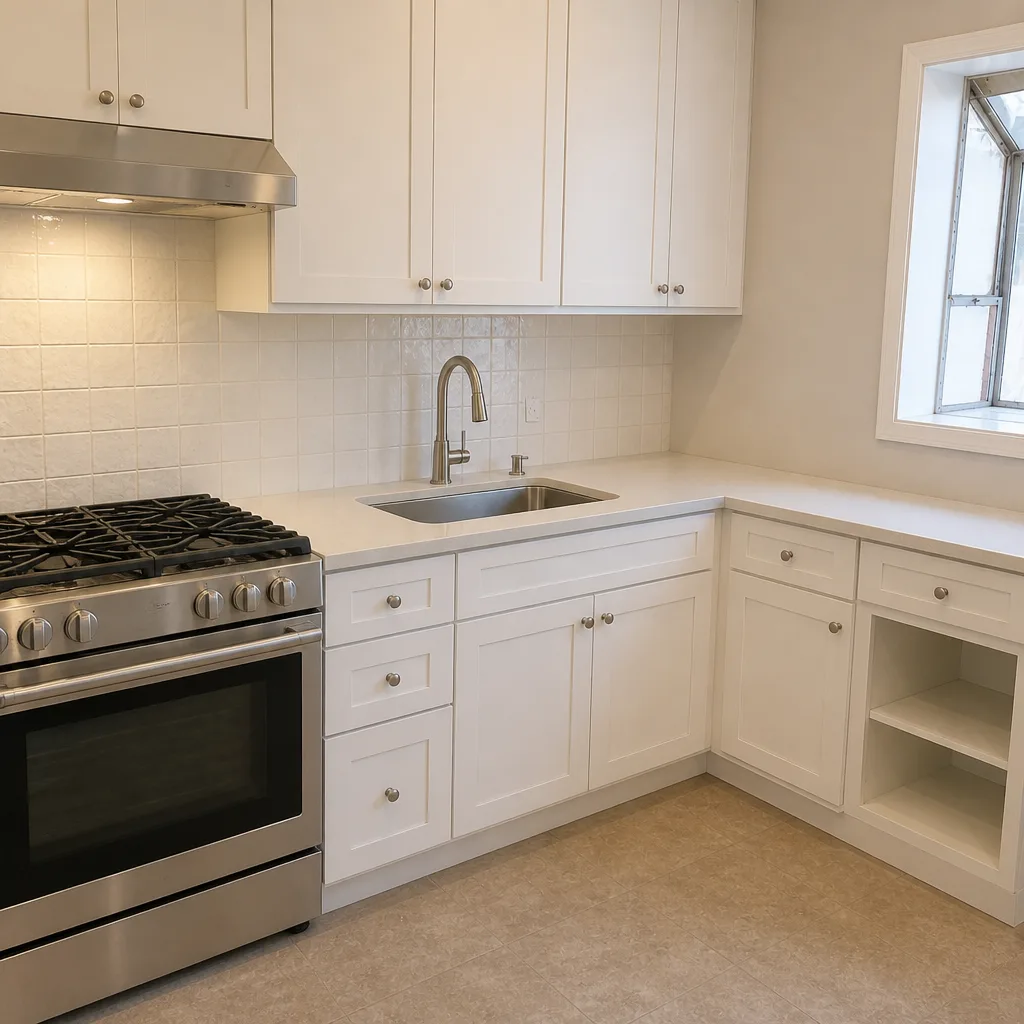 After
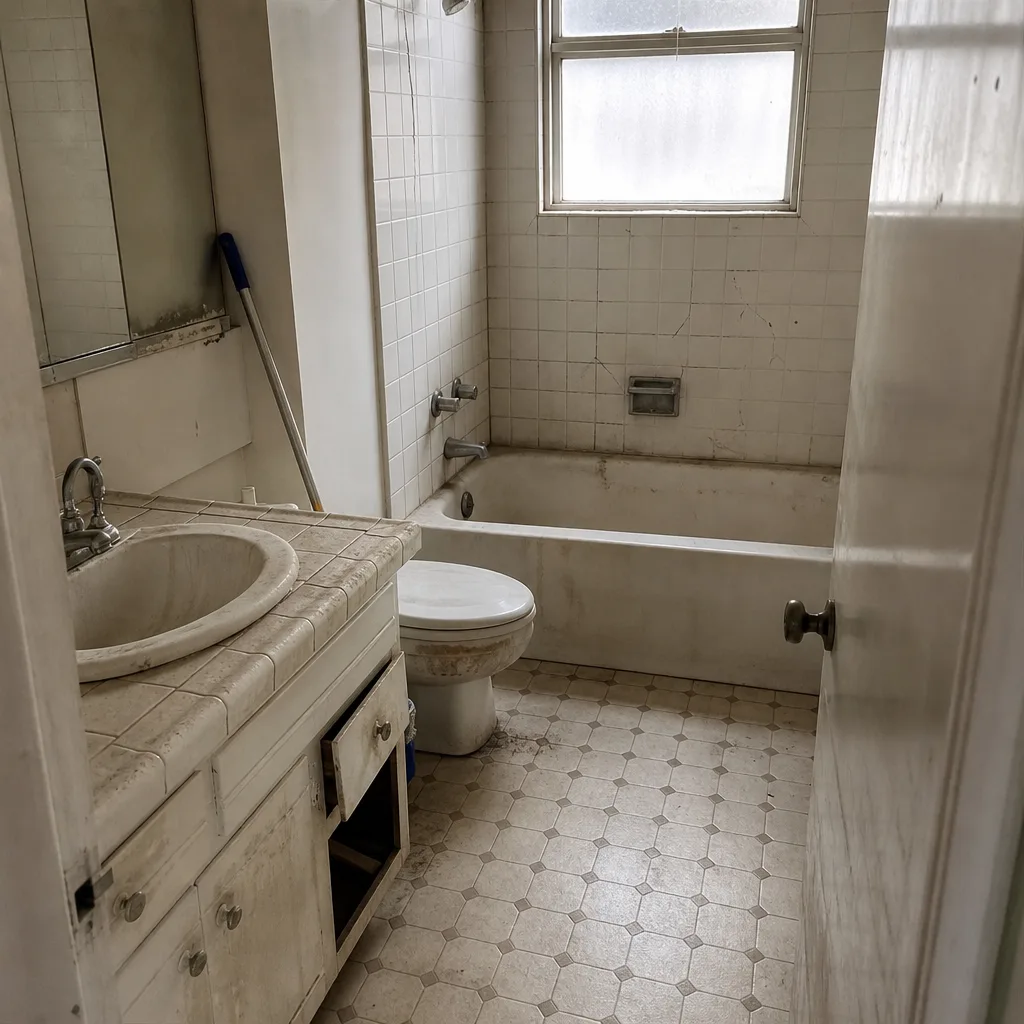 Before
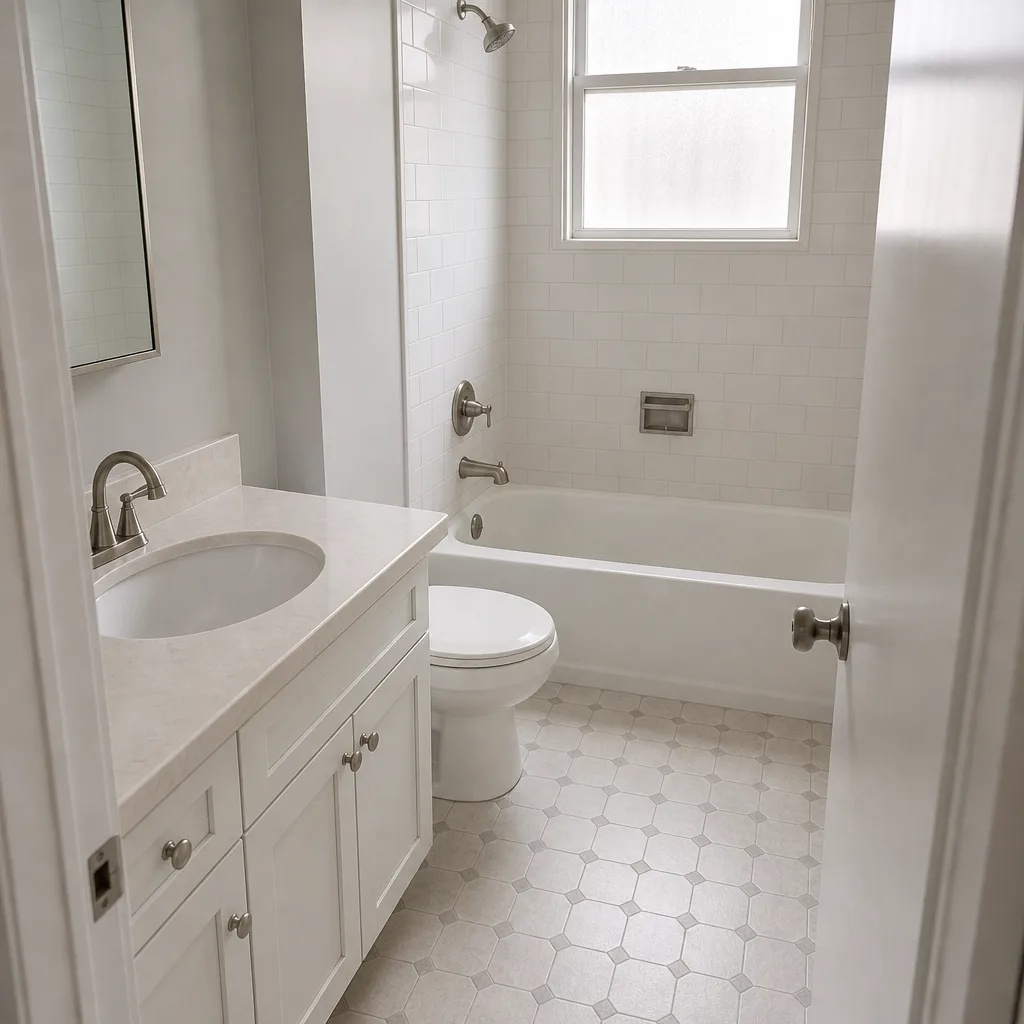 After
When to Call a Professional
Call a professional for anything that touches structure, electrical service, gas, or permits. Any San Francisco project that requires a DBI permit – additions, ADUs, electrical panel upgrades, full rewires, foundation work, and structural changes – needs a licensed contractor who writes the number before work starts. High-tension work, gas line connections, and roof height access are not DIY categories. For everything from Rowan Construction Group San Francisco home projects to a written price on a single room, the right first call is the one that produces a document you can compare. Rowan Construction Group San Francisco offers free estimates in San Francisco – call (844) 797-6388 to schedule yours.
Frequently Asked Questions
A full kitchen remodel in San Francisco runs $85,000 to $185,000 in 2026, with a median around $135,000 for a mid-grade 200 sq ft kitchen with new cabinets, countertops (Cambria or Caesarstone), plumbing relocation, and electrical upgrade. The high end reflects structural changes, appliance packages, and pre-1950 homes with knob-and-tube wiring. Call (844) 797-6388 for an exact quote on your kitchen – estimates and written breakdowns are free.
Not unless the scope changes in writing. Under our process, no work proceeds on a change until the change order is signed, and every project starts with a flat written price and written scope. The structural reason jobs overrun is scope creep without a written change order; the fix is administrative, not a promise. Call (844) 797-6388 to see the written price on your project before anyone picks up a tool.
Yes. Every permitted San Francisco project starts with a DBI application, and the plan check and permit fees appear as line items on the written bid, not buried in “miscellaneous.” Expect $14,000 – $22,000 in DBI fees on a $400,000 kitchen and structural remodel.
A kitchen remodel runs 8 – 14 weeks in San Francisco, a bathroom 4 – 7 weeks, an ADU 9 – 14 months including DBI plan review and inspections. Add 3 – 6 weeks for plan review on any project over $150,000. Call (844) 797-6388 for a written schedule with your estimate.
Union labor scale, port-of-entry material markup on Bay Area deliveries, DBI permit fees, and site logistics add 28 – 42% over the California average in 2026. The logistics piece alone – parking, street-use permits, crane permits on hillside projects – accounts for 6 – 9% of total cost and is almost never itemized on low bids.
No. Any ADU in San Francisco requires a DBI permit and inspections, and a written soils report unless you’re on a proven flat lot with competent existing soil. Prefab ADU builders like Abodu still need a foundation permit and a geotech report. Call (844) 797-6388 for a written breakdown of ADU costs and the permit sequence.
The Bottom Line
San Francisco construction in 2026 costs $425 – $650 per square foot for full-scope work, and every dollar of that is defensible against RSMeans and DBI. The $47,000 CSLB gap exists because verbal estimates structurally omit seven cost categories, and low bids are quiet on the exact seven. Write the number down. Ask for the DBI application. Cross-check the permit line against the published fee schedule. Bring the competing bid to us for a free second opinion. The math is public, and it belongs in your hands before you sign anything. Call Rowan Construction Group San Francisco at (844) 797-6388 for a free estimate.
Written by the team at Rowan Construction Group San Francisco.