Last updated November 17, 2026



Free written scope consultation - allowances, timeline, and change-order rules on paper before a single trade is scheduled
DIY vs Professional Bathroom Remodeling: What’s Safe to Do Yourself
In San Francisco, a bathroom remodel that touches plumbing without a permit can follow a seller for years. When a drain gets relocated without a DBI permit, the unpermitted work may surface during a pre-sale inspection, and the seller is then legally required to disclose it. We’ve watched that single disclosure push a renegotiation past the price of the original remodel, on a property in the Sunset where a bathroom had been “freshened up” a decade earlier. This guide is about where the real line sits between what you can safely do yourself and what carries consequences you can’t undo. It isn’t a skill line. It’s a permit-and-moisture line, and that distinction matters more than any tutorial.
Quick Answer
Finish-level bathroom work is genuinely safe to self-perform: swapping a faucet on existing supply lines, replacing a toilet on the same flange location, painting, recaulking, or regrouting. Anything that moves a drain, adds a circuit, relocates a vent pipe, or opens a wall or floor to moisture deserves a licensed trade and, in most cases, a San Francisco Department of Building Inspection permit. The dividing line runs at the permit threshold and the moisture barrier, not at how confident you feel with the tools.
Styles & brands we work with
- Kitchen remodeling
- Bathroom remodeling
- Home additions & ADU
- Roofing
- Windows & doors
- Driveway & pavers
- Fence
Table of Contents
- The Permit Threshold: What Requires a San Francisco DBI Permit
- The Truly Permit-Free List: What You Can Safely Do Yourself
- The Moisture Barrier: Where DIY Bathrooms Fail
- What Each Professional Task Costs in San Francisco
- The Insurance and Liability Gap in SF Condos
- Three Tasks That Look DIY-Safe but Require a Correction Call
- How to Make a Genuine DIY vs Hire Decision
- Common Mistakes to Avoid
- When to Call a Professional
- Frequently Asked Questions
The Permit Threshold: What Requires a San Francisco DBI Permit
San Francisco treats bathroom work seriously because the building stock is dense, old, and stacked on top of neighbors. The Department of Building Inspection draws a clear line between maintenance and alteration. Maintenance keeps the existing system in place. An alteration changes it, and that’s where the permit comes in.
These tasks almost always require a permit from San Francisco DBI:
- Relocating a drain or supply line. Changing where the shower drains or moving a toilet to a new wall changes the rough-in plumbing, and that means an inspection of the trap arm, slope, and venting.
- Vent pipe work. Adding, rerouting, or capping a vent stack is plumbing alteration. If your bathroom gurgles and you think a new vent will fix it, that’s a licensed plumber and a permit, not a weekend project.
- Adding an electrical circuit. A new GFCI receptacle on a dedicated bathroom circuit, an added exhaust fan on its own circuit, or upgraded wiring all require permits and a licensed electrician.
- Moving or enlarging a wall opening. Opening a wall to change a tub to a walk-in, or moving a partition, is structural work with inspection requirements.
- Adding or relocating a fan that penetrates the exterior envelope. In a San Francisco multi-unit, the exterior wall is often shared or regulated, and ventilation penetrations require review.
The costs of skipping the permit aren’t just fines. An unpermitted alteration can complicate an insurance claim, stall a sale, and in a condominium association may violate the CC&Rs, which typically require disclosure to the board before alteration. We’ve seen it in Noe Valley, where a bathroom electrical upgrade done without a permit turned a fast closing into a three-week scramble to get an as-built inspection, and the seller paid both for the inspection and for correcting an undersized circuit.
The Truly Permit-Free List: What You Can Safely Do Yourself
The good news is that a lot of visible bathroom work is genuinely low-risk. If you keep the plumbing, electrical, and structure where they are, the following tasks are sensible to self-perform and stay in the maintenance column:
- Swapping a faucet or shower head on existing supply lines. Hand-tightening the supply connections, replacing a cartridge, or changing a spout doesn’t alter the plumbing system. This is real DIY territory.
- Replacing a toilet on the same flange location. A toilet swap in the same position is maintenance. The camera can’t see the wax ring, but you can, and a fresh wax ring is the key.
- Replacing a vanity top while leaving the plumbing connections in place. Dropping a new top on the existing cabinet requires care around the P-trap but does not move a drain.
- Painting, caulking, regrouting, and cosmetic tile repair. Regrouting a shower surround is helpful and safe once you understand what the grout is supposed to do.
- Installing a new mirror, light fixture on an existing box, or towel bar. A fixture swap on an existing electrical box is fine; adding a new circuit is not.
- Replacing shower glass, a door, or the vanity hardware. These are finish items with no system impact.
- Building a floating shelf or installing a storage cabinet outside the wet zone. Anything that doesn’t penetrate the waterproofing is fair game.
The rule of thumb: if you’re touching the same hole the last fixture used, you’re probably fine. If you’re making a new hole, call a trade. If you’re not sure, our Rowan Construction Group San Francisco home overview explains how the written-price process works before you commit to anything.
The Moisture Barrier: Where DIY Bathrooms Fail
This is the single most common failure point we see on bathrooms that were self-installed. Waterproofing membranes – the sheet or liquid products that sit behind the tile – are specified as a complete system, and the system depends on how the panels and corners are joined. A Schluter Kerdi membrane, for example, requires a specific overlap between sheets and the use of pre-formed Kerdi corner pieces at inside and outside corners. The unmodified thinset must be mixed to the manufacturer’s ratio and the membrane must be pressed so no air pockets remain. When it’s done right, the assembly is watertight by design. When it’s done wrong, the wall looks perfect under the tile and leaks into the framing behind it for two years before anything shows.
The most common mistakes we encounter in San Francisco bathroom remodels:
- Butt joints where an overlap was specified. A two-inch overlap is not optional. Skimping it creates a capillary gap.
- Cut corners made from flat material. Pre-formed corner pieces exist for a reason. A folded scrap of Kerdi rarely seats flat, and the split happens where the mesh pulls.
- No curb wrap or a curb built from pressure-treated lumber without a membrane. Water wicks into the wood and the curb swells.
- Membrane applied over bare drywall. Schluter specifies a substrate that will take the thinset; paper-faced drywall is not a proper base.
- Forgetting the drain flange connection. The Kerdi drain flange pairs with the membrane, and if the bond isn’t right, water gets under the tile at the one point it always finds.
In San Francisco’s cool, damp air, a slow leak under the tile doesn’t dry out quickly, and the wood framing in an older Victorian or Edwardian stays wet long enough for fungal growth. If you’re building a new shower, the waterproofing detail is the one place where the answer to “DIY vs professional bathroom remodel” is almost always professional. We install these systems as part of our bathroom remodeling work, and the difference between a five-dollar corner piece and a two-thousand-dollar tear-out is staggering.
What Each Professional Task Costs in San Francisco
Here’s a genuine cost comparison so you can price the difference between doing it and hiring it. These ranges reflect licensed-trade labor in San Francisco, separate from materials and permit fees, and they will move based on access, floor level, and how much of the old assembly has to come out.
| Task | Typical Licensed Labor Range | Permit Needed? |
|---|---|---|
| Plumber rough-in (drain relocation, new shower valve) | $800 – $1,400 | Yes |
| Tile installation, 50 sq ft (floor or wall) | $600 – $1,100 | No, if not altering substrate |
| Shower waterproofing system installation | $400 – $900 | No |
| Electrician: new bathroom circuit and GFCI | $500 – $900 | Yes |
| Exhaust fan install with ducted vent | $350 – $650 | Sometimes (vent penetration) |
| Toilet flange correction after tile | $150 – $350 | No |
| Permit and inspection fees (city) | $250 – $800 | This is the permit |
Notice that the high-permit tasks are also the expensive ones. A plumber’s rough-in at $800 – $1,400 is the number that decides whether this is a weekend project or a contracted one, and the tile at $600 – $1,100 assumes the substrate is already sound. In our experience, a homeowner who spends a Saturday on a $200 faucet swap gets full value. A homeowner who spends the same Saturday relocating a drain usually pays a professional twice – once to undo the mistake and once to do it correctly. If you’d like a written price for the whole scope, see our bathroom remodeling in San Francisco page for how the quote is structured.
The Insurance and Liability Gap in SF Condos
Homeowners insurance covers sudden and accidental water damage. It does not cover damage from work that was never permitted or was performed outside code. That distinction matters enormously in a San Francisco condominium, because a leak doesn’t stay tidy behind your own wall. It travels through the subfloor to the unit below, and a short sentence in a policy schedule can decide whether the neighbor’s damaged ceiling is covered.
The specific gaps we regularly hear about:
- Unpermitted plumbing work. Carriers may deny or subrogate a claim if they determine the work was unpermitted or non-compliant. That can leave the homeowner on the hook for a neighbor’s repair and for their own.
- Licensed-trade requirement. Some policies specifically require a licensed contractor for structural, plumbing, or electrical repair. Doing it yourself to save the permit can breach that clause.
- HOA master policy confusion. The building’s master policy and your HO-6 policy each cover different parts of the wall. If the CC&Rs require an alteration disclosure to the board, unpermitted work can also be a bylaw breach, which is a separate problem with separate costs.
- Sale-time disclosure. As the opening example shows, undisclosed unpermitted work is a disclosure item when the home goes on the market. A buyer’s inspector is looking for it, and renegotiation is the least pleasant outcome of a shortcut.
The fix is not exotic. Pull the permit, use a licensed professional, and keep the inspection record. It is the least expensive insurance available for a bathroom in San Francisco.
Three Tasks That Look DIY-Safe but Require a Correction Call
These are the jobs customers ask us to correct after they’ve tried. Each one looks like a small finish item. Each one has a code or moisture consequence.
- The toilet flange height after new tile. When you set new tile over the subfloor, the finished floor rises by up to half an inch. If the toilet flange stays at the old height, the wax ring compresses unevenly, the toilet rocks, and the seal leaks at the back edge. The correct fix is an extended flange or a flange extension set, and that’s a $150 – $350 correction once a plumber is summoned. If you’re tiling the floor yourself, raise the flange to finish height before the toilet goes back on. If you’re not, that’s a task to hand off.
- Exhaust fan backdraft damper orientation. A well-purchased fan has a backdraft damper that opens only one way. Installed upside down or backward, the damper stays open, and San Francisco’s damp air comes straight back into the bathroom alongside the neighbor’s kitchen smells. The fix is usually a fifteen-minute correction but a firm diagnosis. It requires the fan box to come down and the duct to be reconnected with the damper checked before reassembly.
- GFCI circuit distance-to-water calculations. The National Electrical Code requires GFCI protection for bathroom receptacles, and it sets minimum distances from the tub and shower. Where does the receptacle go and which zone does it sit in? That’s a licensed-electrician calculation in every real bathroom. A GFCI in the wrong place is a fail at inspection and a hazard in daily use. Any new outlet or circuit belongs to an electrician.
How to Make a Genuine DIY vs Hire Decision
A real cost comparison starts with a written scope, not a feeling about your own hands-on ability. Here’s the process we recommend to homeowners deciding how much to self-perform on a bathroom in San Francisco:
- List every task in the remodel and sort them by permit status. Maintenance tasks go in one column; alteration tasks go in another. Permits live in the alteration column.
- Price the labor for the alteration tasks using the table above. Note the permit fee separately.
- Confirm what your insurance policy requires for licensed trades. Call your agent and ask specifically about plumbing and electrical.
- Estimate the risk cost of getting it wrong. A failed shower pan is a full tear-out, not a repair, and the risk of a neighbor’s ceiling damage in an SF condo is real.
- Choose the finish tasks you genuinely want to self-perform. Painting, caulking, glass, hardware, and shelf installation are low-risk, and the labor saving there is real.
- Get a written second opinion on any bid you’ve already received. Compare scope line by line, not bottom lines.
For projects that grow beyond a cosmetic refresh, we handle the whole scope as a single written price, and our home additions & ADU in San Francisco page covers some of the neighboring work if the bathroom is part of a wider project. Concrete exterior work during a simultaneous project is a different decision entirely, and if the driveway is on your list, our driveway & pavers in San Francisco page explains how the material choices weigh out. Perimeter changes and fence installation in San Francisco decisions can also be scoped in the same visit if the yard is in play.
See the difference
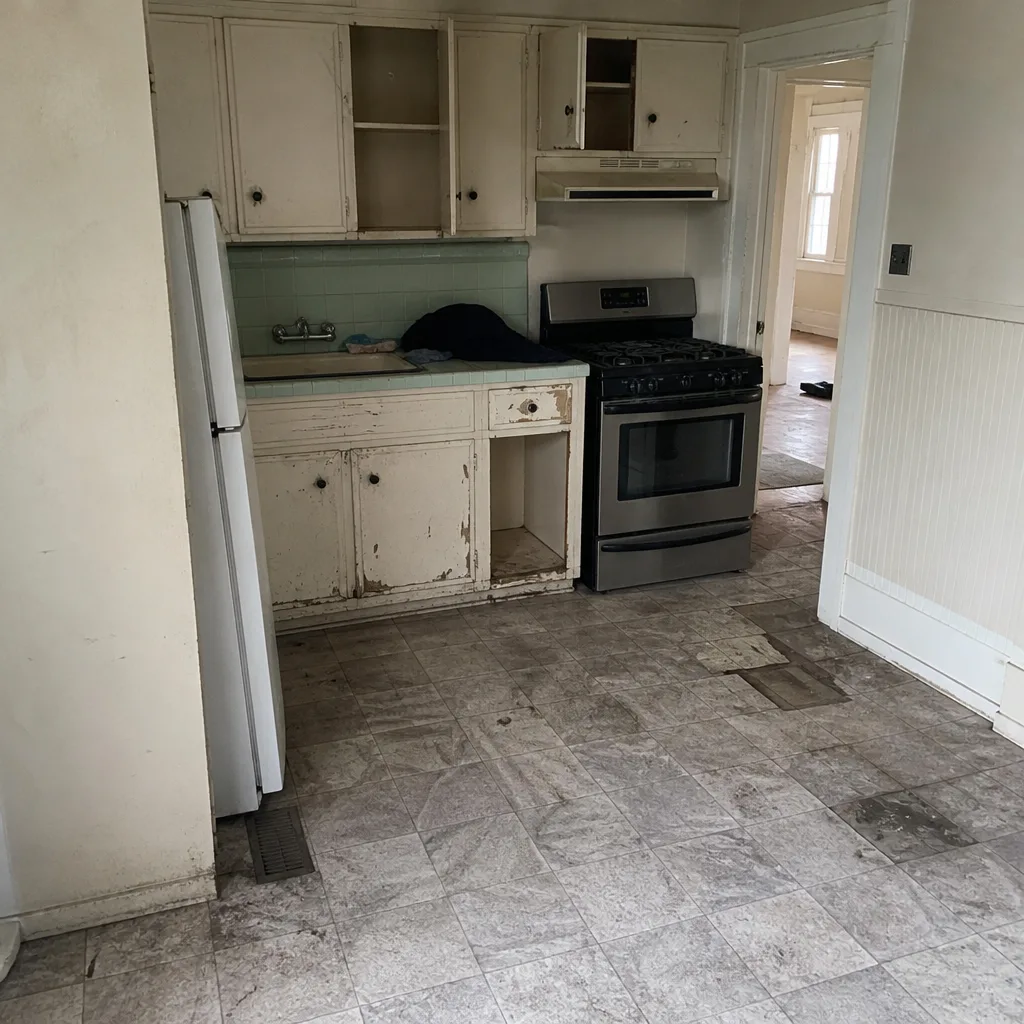 Before
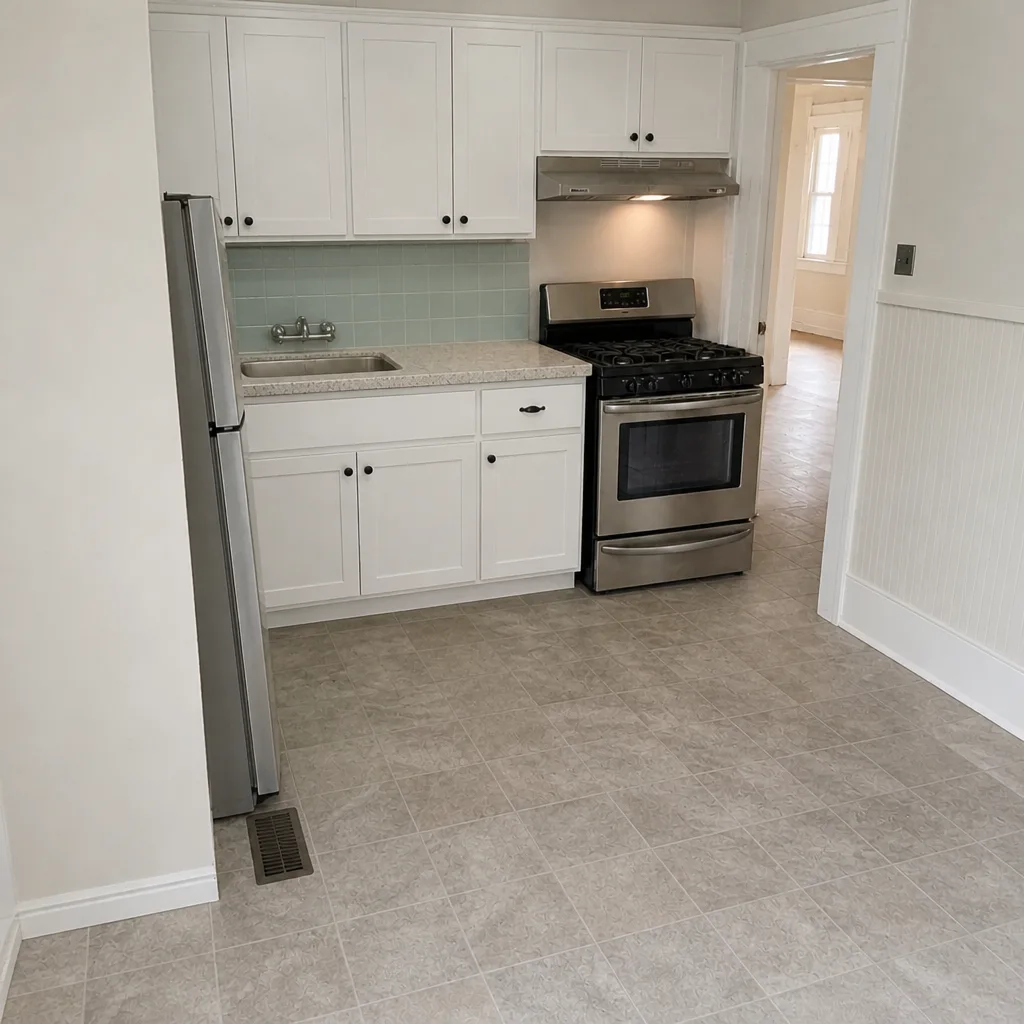 After
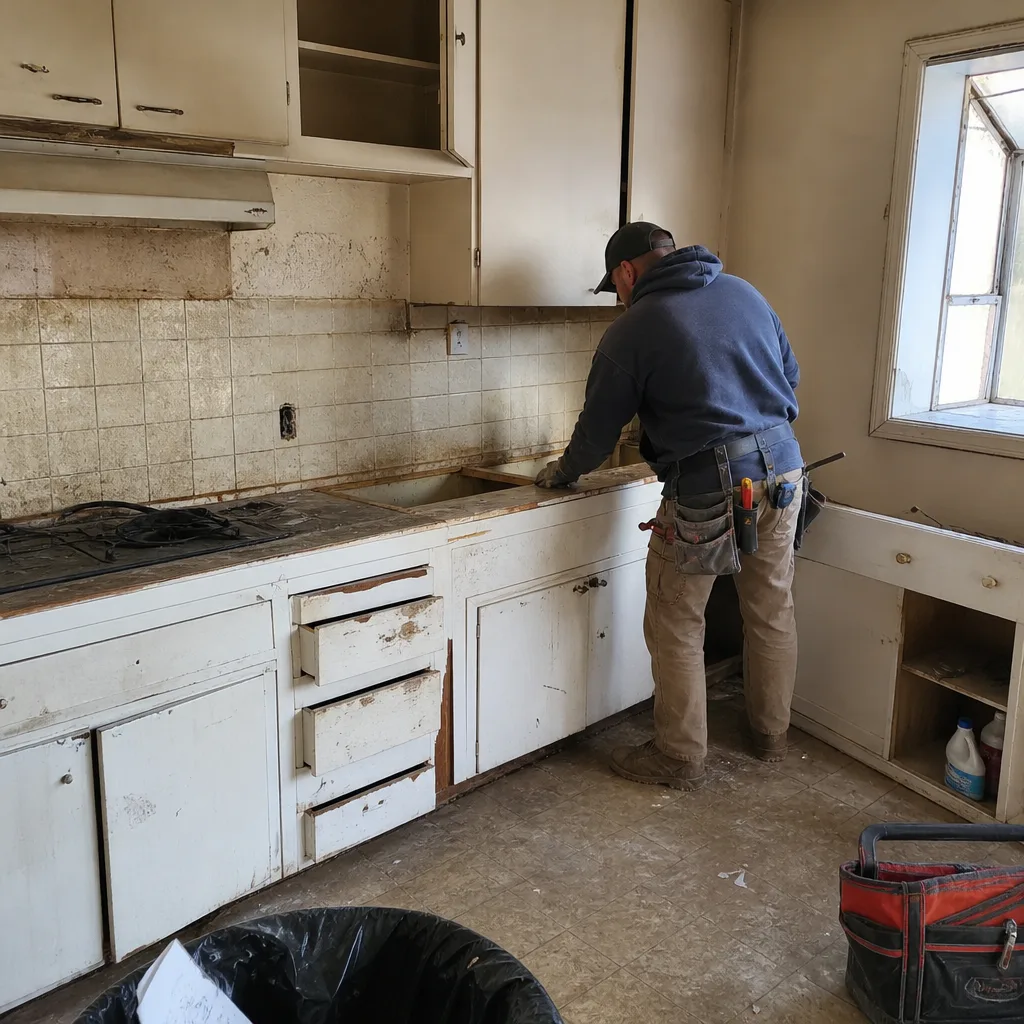 Before
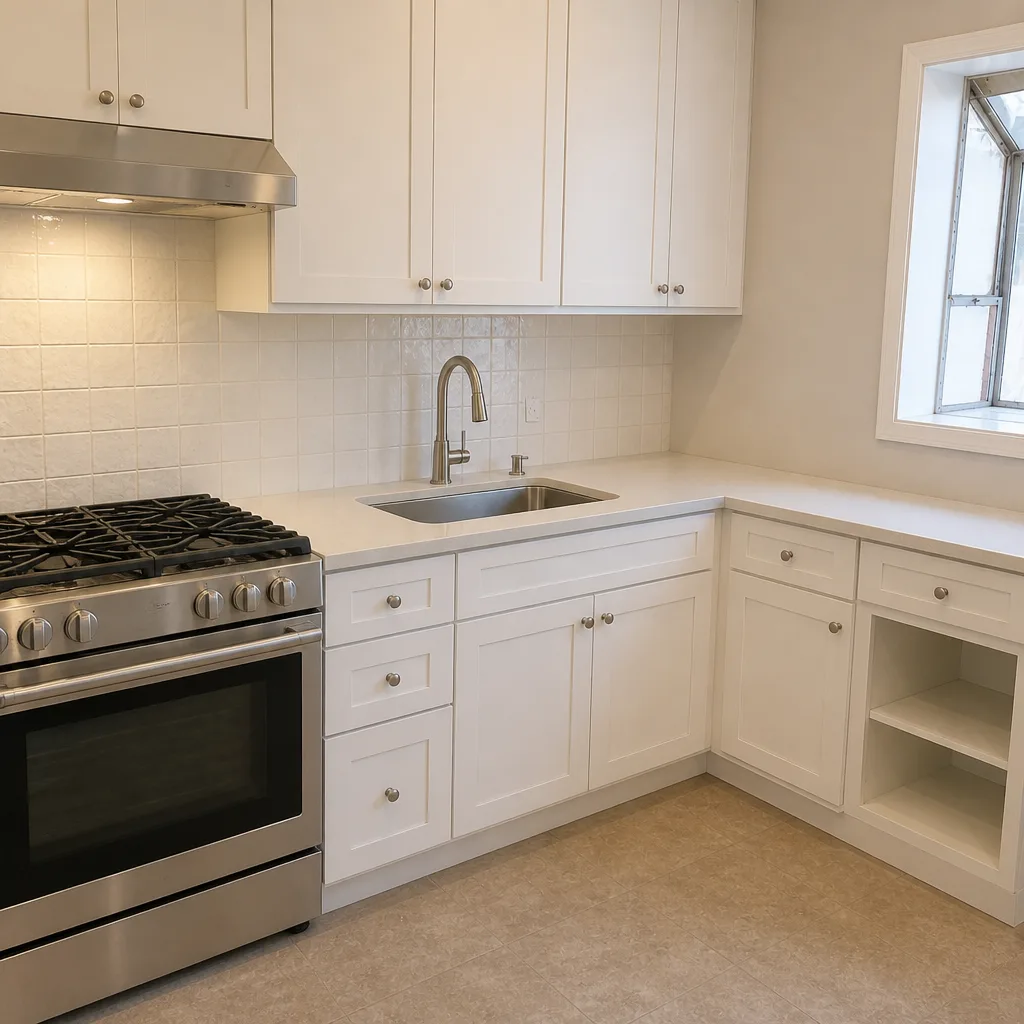 After
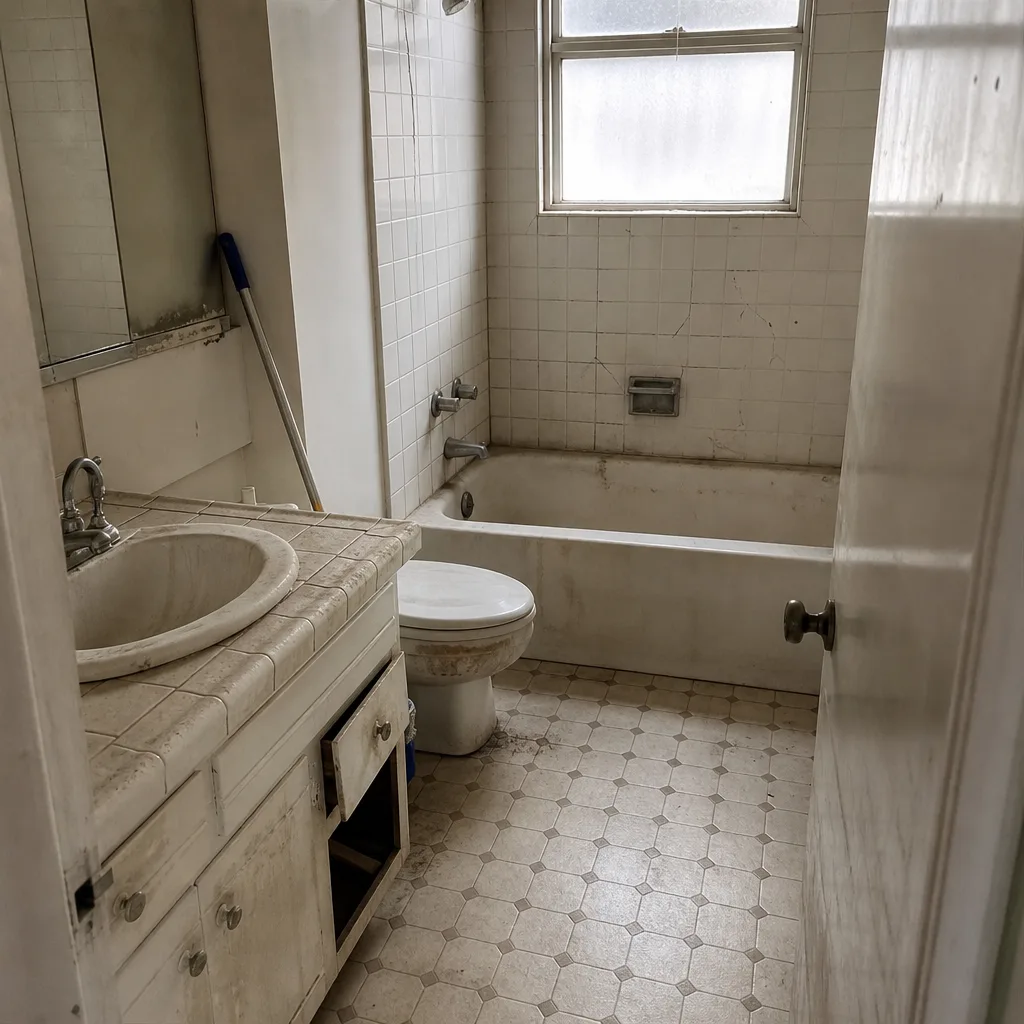 Before
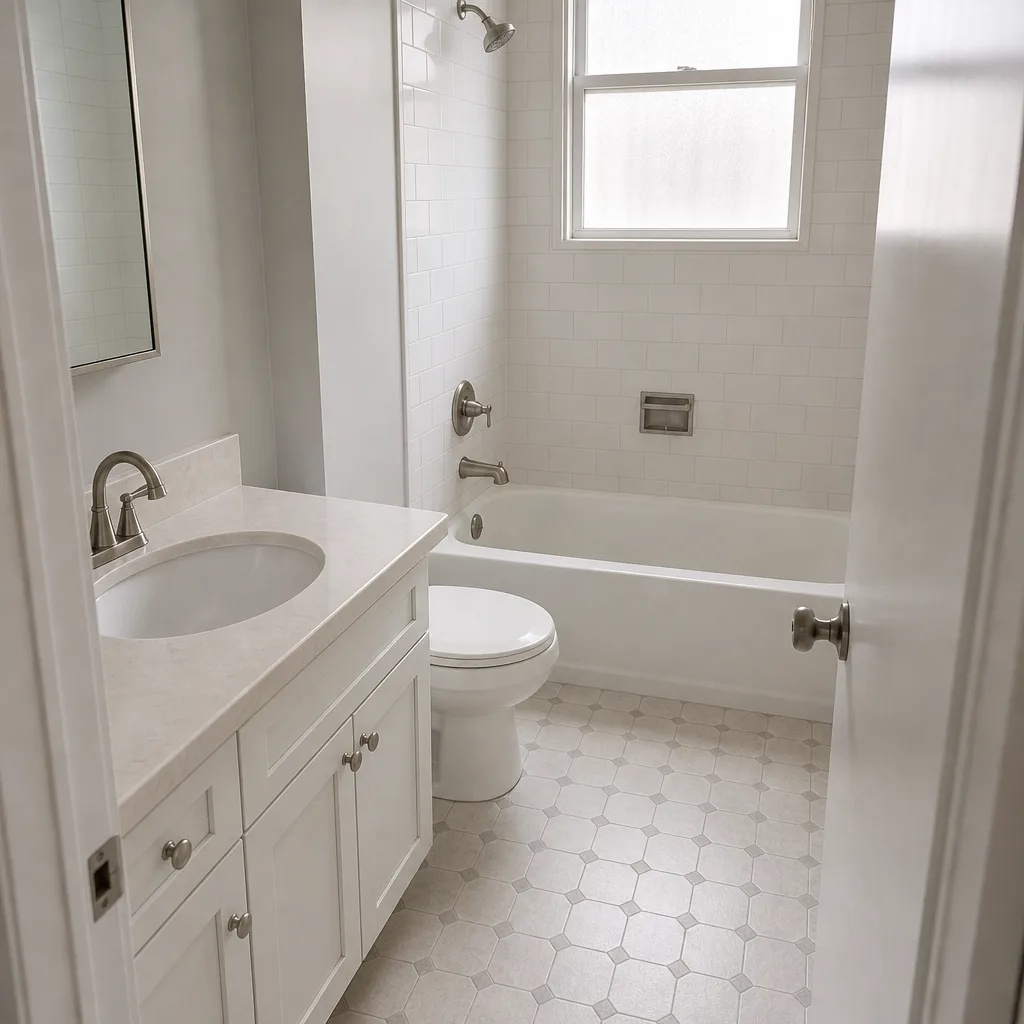 After
Common Mistakes to Avoid
- Treating “maintenance” as permission to relocate a drain. Changing the drain route is an alteration, not maintenance, and in San Francisco it requires a sewer and drain inspection. The unpermitted work becomes a disclosure on sale.
- Installing a Kerdi shower pan without pre-formed corners. Cutting corners from flat membrane is the most common failure we correct. The wall under the tile looks perfect while the framing behind it soaks.
- Forgetting to raise the toilet flange after a tile floor. The new tile adds height, and the old flange position leaves the wax ring uneven. A $150 – $350 plumber’s correction catches it, but only after the toilet is already out.
- Mounting the exhaust fan with the backdraft damper reversed. San Francisco’s damp air flows back through the duct, and the bathroom stays damp. In a multi-unit, that also means sounds and odors from the neighbor.
- Wiring a bathroom receptacle without GFCI or outside the water-distance zone. A licensed electrician’s calculation matters, and an inspector will check. This is a code item, not a style choice.
- Assuming the condo policy covers unpermitted work. Carriers can deny claims for non-permitted or non-licensed work, and the master policy coverage gap in San Francisco multi-unit buildings can leave a remediation bill with the homeowner.
- Skipping the documented record. Photograph the open wall before the tile goes up. Every plumbing and electrical detail you can show an inspector later is protection against a renegotiation.
When to Call a Professional
Call a licensed professional whenever the work touches plumbing alteration, electrical circuits, structural openings, or the waterproofing assembly of a new shower. Call before you remove a wall, before you relocate a drain, before you open the subfloor. The permit threshold is the line, and the moisture barrier is the second line, and the two together decide the answer on almost every task. Our technicians have up to 19 years of experience and will quote the scope in writing before anyone picks up a tool. Rowan Construction Group San Francisco offers free estimates in San Francisco – call (844) 797-6388 to schedule yours, and bring any existing bid for a free second opinion if you already have one.
Frequently Asked Questions
Yes, a toilet replacement on the same flange location is typical maintenance and doesn’t require a DBI permit. The catch is the wax ring and the flange height: if the floor was tiled, the flange needs to be extended to finish height before the toilet goes back on. If the toilet needs to move to a new wall, that’s plumbing alteration and a permit applies. Call (844) 797-6388 for an exact quote on a flange correction.
No, tiling over existing substrate is generally maintenance and doesn’t require a permit, provided the substrate is sound and the added height doesn’t affect a door swing or a flange. A new shower pan, a drain relocation, or a change in the waterproofing system does require a permit, and the latter also requires a membrane detail we would expect to see installed by a trade. Call (844) 797-6388 for a written scope if you’re unsure where your project lands.
Licensed plumbing rough-in for a bathroom typically runs $800 – $1,400 in San Francisco, plus the permit fee. The rough-in includes the drain and supply lines and the vent, and it’s followed by a DBI inspection before the wall closes. Call (844) 797-6388 for an exact quote on your scope.
Often not if the work was unpermitted or performed outside code. Most homeowners policies cover sudden and accidental damage but exclude or subrogate claims tied to unpermitted or non-compliant work, and in a San Francisco condo the leak can reach a neighbor’s unit. Confirm with your carrier before you decide to skip the permit on any task in the alteration column. Call (844) 797-6388 if you’d like a written scope that satisfies the licensed-trade requirement your policy may specify.
Licensed tile installation for 50 sq ft runs roughly $600 – $1,100 in labor, separate from tile materials and any substrate repair. A shower that requires a waterproofing system adds $400 – $900, and that portion is the one we’d recommend against self-installing in most cases. Call (844) 797-6388 for an exact quote and a written line-item breakdown.
Replacing a fan on the existing electrical box and existing duct is a reasonable DIY task, but the backdraft damper must face the correct direction or the fan recirculates damp air. Adding a new fan on a new circuit or penetrating the exterior wall envelope requires an electrician and sometimes a DBI review in a multi-unit building. Call (844) 797-6388 for a quote if the ducting or the circuit needs to be added.
The Bottom Line
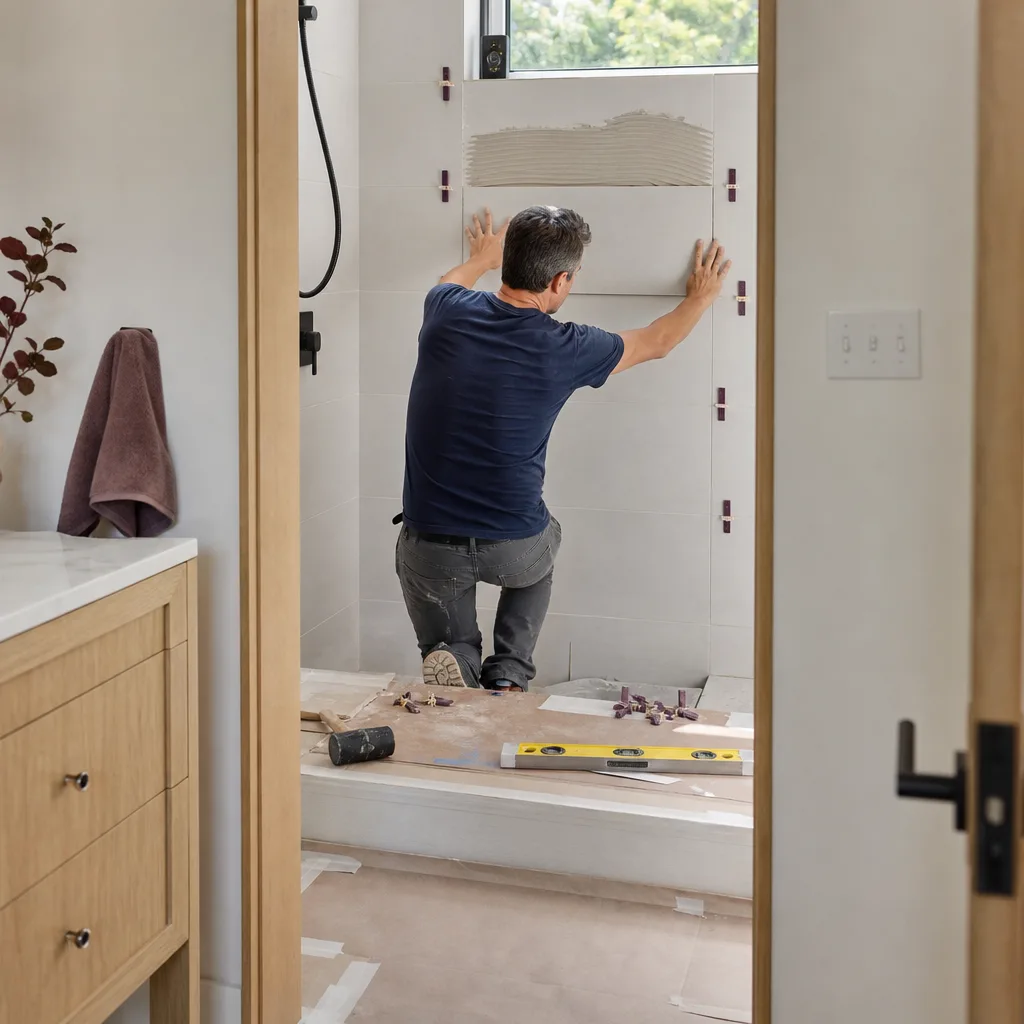
The DIY-versus-hire decision on a bathroom in San Francisco comes down to two thresholds. Tasks that keep the existing plumbing, electrical, and structure in place are genuinely safe to self-perform: faucet swaps, toilet replacements on the same flange, regrouting, painting, glass, and hardware. Tasks that relocate a drain, add a circuit, move a vent, or build a new shower assembly cross the permit threshold and the moisture-barrier threshold at the same time. Those are the tasks where the cost of a professional is the cheaper number. If any part of your project sits in the second column, call us at (844) 797-6388 for a free estimate and a written price before anyone starts.
Written by the team at Rowan Construction Group San Francisco.