Last updated November 17, 2026
Free written scope consultation - allowances, timeline, and change-order rules on paper before a single trade is scheduled
The Complete Windows & Doors Guide for San Francisco Homeowners
San Francisco’s Title 24 residential energy code requires windows to meet a maximum U-factor of 0.32 and a maximum SHGC of 0.25 in most of the city’s climate zones. That single fact eliminates a large share of the products sold at big-box stores and left off most dealer comparison charts. A window that’s perfectly legal in Sacramento or San Jose can fail a San Francisco inspection, and a door that fits a Sunset tract home may not clear review in a historic district. This guide works through every constraint in sequence: energy code, historic review, condensation, seismic movement, and real installed cost by window type. If you’ve been gathering quotes and getting conflicting answers, this is where the numbers and the rules live in one place.
Quick Answer
For most San Francisco homes, compliant replacement windows must hit a U-factor of 0.32 or better and an SHGC of 0.25 or lower, which is stricter than most national retailers advertise. Historic districts add a Certificate of Appropriateness step for visible changes to window profile or muntin pattern. Budget $400 to $700 per single-hung vinyl window installed, $900 to $1,600 per wood clad casement, and $600 to $1,100 per window for historic wood restoration. Verify energy ratings, review rules, and frame squareness before you sign anything.
Styles & brands we work with
- Kitchen remodeling
- Bathroom remodeling
- Home additions & ADU
- Roofing
- Windows & doors
- Driveway & pavers
- Fence
Table of Contents
- What Title 24 Requires for San Francisco Windows
- Which Window Lines Actually Meet San Francisco’s Energy Code
- Historic District Review: When You Need a Certificate of Appropriateness
- Fog, Condensation, and Failed Seals
- Seismic Movement and Frame Squareness
- What Windows and Doors Cost in San Francisco
- Sliding and Entry Doors in San Francisco Homes
- The Replacement Process, Step by Step
What Title 24 Requires for San Francisco Windows
Title 24 is California’s building energy code, and it sets the minimum performance specs a window must meet to be installed legally. San Francisco sits largely in Climate Zone 3, which carries demanding requirements because of our mild, marine-influenced weather: a maximum U-factor (how fast heat escapes) of 0.32 and a maximum solar heat gain coefficient (SHGC, how much solar heat passes through) of 0.25. Lower numbers are better on both. Many popular products miss on SHGC, since southern manufacturers tune glass for cooling-dominated climates.
What trips people up is that window labels show a whole-product rating, frame included. A glazing package can hit the target and still fail because the frame’s thermal performance drags the assembly number above 0.32.
Here’s what to check before you order anything:
- Ask for the NFRC label. Only the National Fenestration Rating Council label counts. It lists U-factor, SHGC, and visible transmittance for the whole product.
- Compare the SHGC specifically. Anything above 0.25 for a typical San Francisco installation needs a documented exception, and those exceptions are narrow.
- Watch visible transmittance. Low SHGC can darken a room if it’s pushed too far. A range of roughly 0.40 to 0.55 keeps rooms bright without cooking them.
- Get the compliance documentation in writing. The window schedule submitted for permit has to match the ordered product, model number to model number.
Because our crew has up to 19 years of experience with San Francisco permitting, we check every window schedule against the NFRC data before it goes to the city. That step alone saves weeks of back-and-forth.
Which Window Lines Actually Meet San Francisco’s Energy Code
Plenty of product lines clear the bar. The trick is knowing which configurations qualify, since a manufacturer’s window and door catalog is wide and only some models carry the right glass package for our zone.
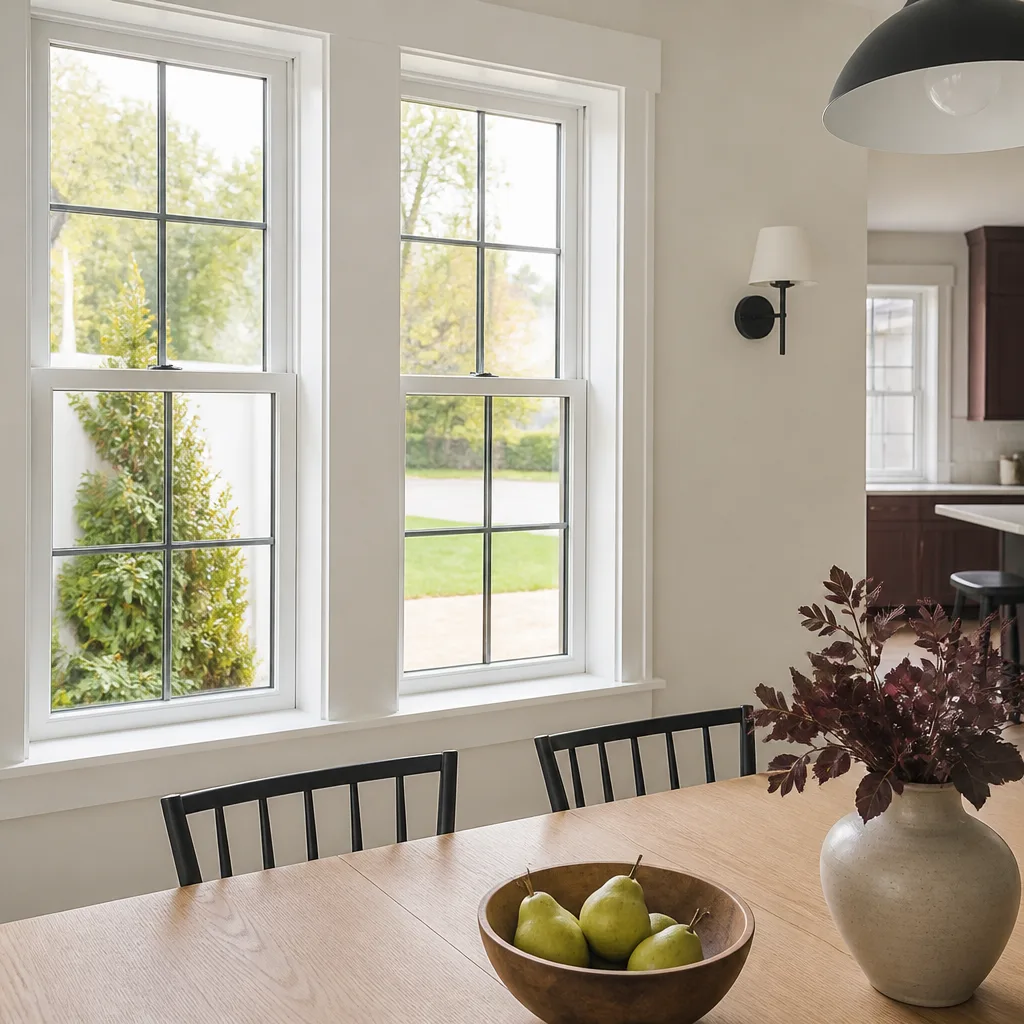
Milgard vinyl replacement lines with a low-E glass package routinely meet the 0.32 U-factor and 0.25 SHGC thresholds in double-hung configurations. Their narrower frames help the assembly number stay under the limit. Marvin offers clad wood products where the specified gas fill and coating bring U-factor down for San Francisco installs. Their hinged and casement units perform well because a tighter seal beats a slider on leakage. Andersen fiberglass and clad products, when ordered with the correct glazing option, meet or beat the numbers here.
What matters more than any brand name is the model-and-glass combination on the order sheet. Two windows from the same brand can differ by 0.1 in U-factor depending on glass option and frame material. A few practical rules:
- Vinyl performs best per dollar on U-factor. Clad wood wins on aesthetics and long-term repairability.
- Casement and awning styles seal tighter than double-hung and slider styles. A double-hung will pass where a slider might not.
- Fiberglass frames beat aluminum on thermal performance. Aluminum is common in older city buildings and often needs an interior thermal break to comply.
We keep a documented list of which configured models meet San Francisco’s limits, and we print it in the written quote so you can compare it against any other bid. If you’re weighing glass choices alongside a larger project, our Rowan Construction Group San Francisco home page outlines how these decisions fit into bigger jobs.
Historic District Review: When You Need a Certificate of Appropriateness
In neighborhoods like Duboce Triangle, Dolores Heights, and the other districts with active design review, replacing windows isn’t just a code question. It’s a preservation question. Changing a window’s visible profile, muntin pattern, or glazing type on a street-facing elevation usually requires a Certificate of Appropriateness from the city’s preservation staff. Skipping it can force you to remove brand-new windows.
Here’s the general split between what’s fast and what needs review:
- In-kind replacement: Same material, same profile, same muntin configuration, same glazing appearance. This typically moves through quickly and may not require full review.
- Profile or muntin changes: Going from true divided lites to a single pane, changing muntin width, or switching from wood to vinyl on a street-facing facade almost always triggers review.
- Glazing appearance changes: A mirrored or heavily tinted glass that changes how a window reflects light on the street face will draw comment.
Rear and interior courtyard elevations have more freedom, but not unlimited freedom. The practical move is to bring the actual product specs and photos of the existing window to the review, not a generic catalog. Reviewers respond to documentation. We’ve watched approvals move faster when the submittal shows the exact muntin width and frame profile in fractions of an inch.
Drawings and documentation are part of the paperwork we deliver. We don’t guess at what the district will accept. We pull the rules and match the product to them before ordering.
Fog, Condensation, and Failed Seals
Interior fog on a San Francisco window is usually not a window failure. It’s a ventilation problem. In a city where the marine layer keeps outdoor air near the dew point, warm moist indoor air meets cold glass and condenses. That’s physics, not a defect.
The signs that point to a real failure rather than a humidity issue:
- Fog between the panes. That’s a failed insulated glass unit (IGU) seal. The gas has escaped and moisture has entered the sealed space. Only replacing the glass, not the whole frame, fixes it.
- Condensation pooling at the bottom of interior glass only in bathrooms and kitchens. That’s ventilation. Running a fan before and during showering, and leaving a cracked window, usually resolves it.
- Condensation only on one window in a room while neighbors stay clear. That’s a local air flow issue or a failing seal on that specific unit.
A failed IGU in a Milgard or Marvin unit is often replaceable under warranty, and many manufacturers cover seal failure for years. When a window is otherwise sound, a glass replacement at roughly $250 to $500 per unit often beats a whole-window replacement at $400 to $1,600. We document the fog and the frame condition with photos on every visit so you have evidence in hand when you call a manufacturer about a warranty claim.
Seismic Movement and Frame Squareness
Door frames go out of square when a house moves. In San Francisco, soft-story buildings and cripple wall retrofits shift loads, and a door that closed cleanly five years ago now sticks at the top corner. Ordering a custom replacement door before checking this is a common and expensive mistake.
Before ordering any custom-sized door, verify these:
- Measure diagonal corner-to-corner. Both diagonals of the same opening should match within 1/8 inch. If they don’t, the opening is out of square.
- Check the level of the header. A header that’s dropped on one side is a sign the wall above has settled.
- Confirm any retrofit work is complete and inspected. If the building has a soft-story retrofit or is in process, the framing movement has to settle and pass inspection before a replacement door goes in.
- Inspect the sill for rotation. Window sills that have tilted are a sign the frame is under stress.
An out-of-square opening doesn’t mean a new door is impossible. It means the opening needs correction first, which is framing work, not glazing work. That’s the kind of scope item we put in the written quote before anyone touches a tool, because a change order after the door arrives is the worst time to find out.
Windows also move with the structure. Newer window frames attached to an older wall need proper shimming and anchoring so the glass doesn’t carry structural load. It’s a detail, but it’s the detail that makes a window last two decades instead of two seasons.
What Windows and Doors Cost in San Francisco
Prices here reflect San Francisco labor and material costs, not national averages. Labor runs higher because city permits, historic review, and tight urban access all add hours to a job. The ranges below are installed, meaning materials, removal of the old unit, and disposal.
- Single-hung vinyl replacement: $400 to $700 installed per window. The most common choice for standard openings in non-historic neighborhoods.
- Wood clad casement: $900 to $1,600 installed per window. The aesthetic and long-term repair choice, and often the path that clears historic review for visible elevations.
- Historic wood restoration: $600 to $1,100 per window. Refinishing and re-glazing existing windows keeps original frames and usually moves past review fastest.
- Replacement entry door: $2,000 to $5,500 installed, depending on material and whether the opening needs correction.
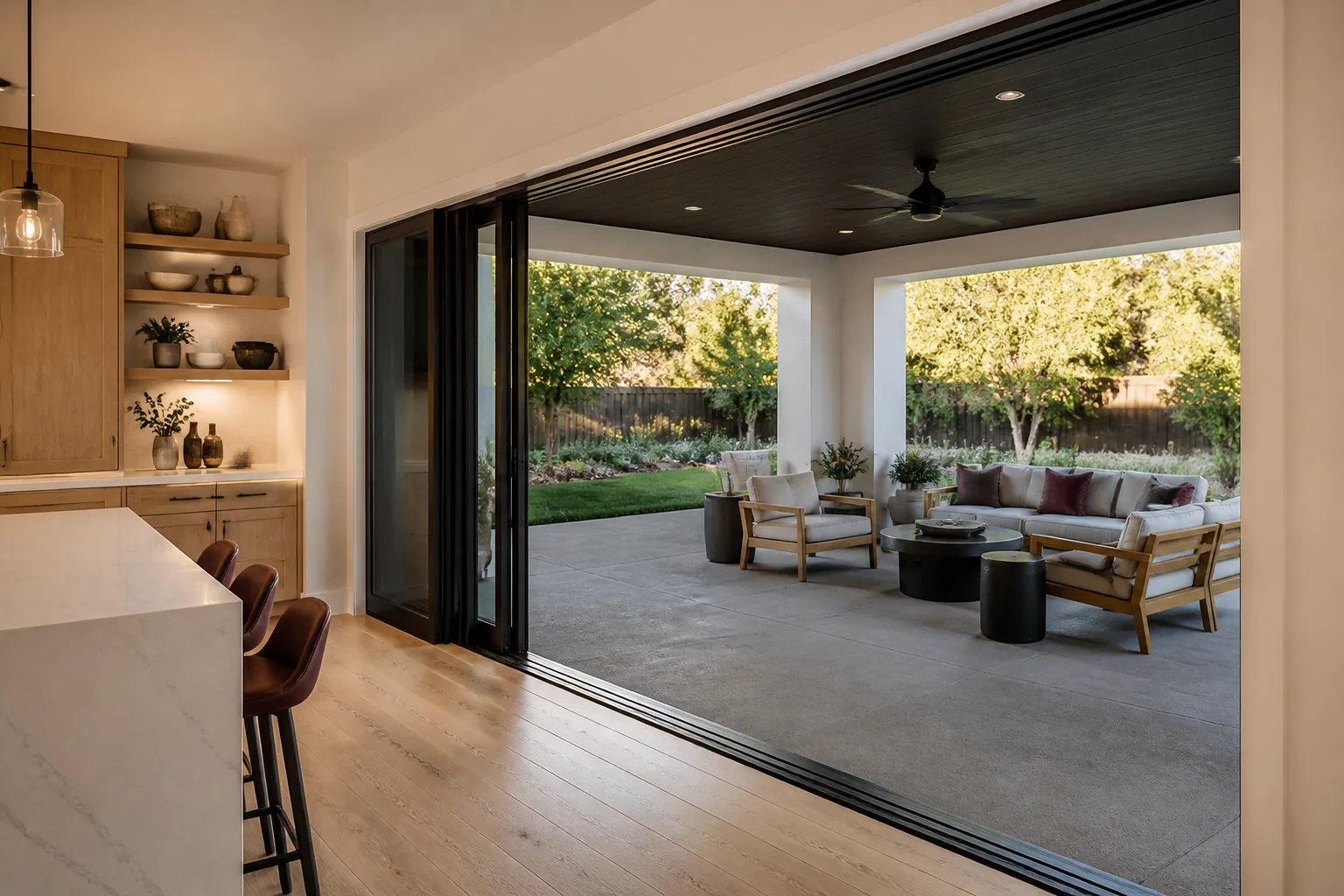
- Sliding glass door (6-foot): $2,800 to $4,800 installed. Patio doors facing an active historic review can push the upper end.
Permit fees are separate and vary by project scope. A window-by-window swap set of permits typically runs a few hundred dollars; a full-facade replacement adds more documentation and inspection steps.
Every quote we send is a flat written price with a written scope. There’s no “call for pricing” step. If you already have a competitor’s quote, we’ll review it line by line at no charge as a free second opinion. That’s how a homeowner finds out whether the SHGC and U-factor numbers on the bid actually match the product being sold.
Sliding and Entry Doors in San Francisco Homes
Doors in San Francisco work under the same energy code windows do, and sliding glass doors are the hardest to get right on performance. A big glazed surface is a big heat loss or gain path, so sliding doors typically need a better glass package to hit the same U-factor. An underspecified slider can fail the whole window and door schedule.
Entry doors are less about energy and more about wind and moisture. Westside homes near the ocean take wind-driven rain that standard doors don’t handle well. Look for:
- A proper sill and threshold seal. The intersection of the door and the threshold is where most water gets in.
- Kohler and Moen hardware finish durability. Salt air in western neighborhoods eats through cheap plating. Solid brass and marine-grade finishes survive.
- Continuous weatherstripping. Gaps in the gasket are the door’s weak point in a wind-driven storm.
Sourcing deeper into hardware and finish options with Kohler and Moen, and into door and window product lines with Marvin, Milgard, and Andersen, is how a written quote gets honest numbers. There’s no inflated allowance to cover a guess.
For neighborhoods where the door is part of a larger exterior package, coordinating it with an entry gate or privacy screen is worth thinking about early. Our Fence Installation in San Francisco page covers how those pieces get sequenced alongside door work.
The Replacement Process, Step by Step
Here’s how a window or door replacement runs from start to finish, in the order we do it:
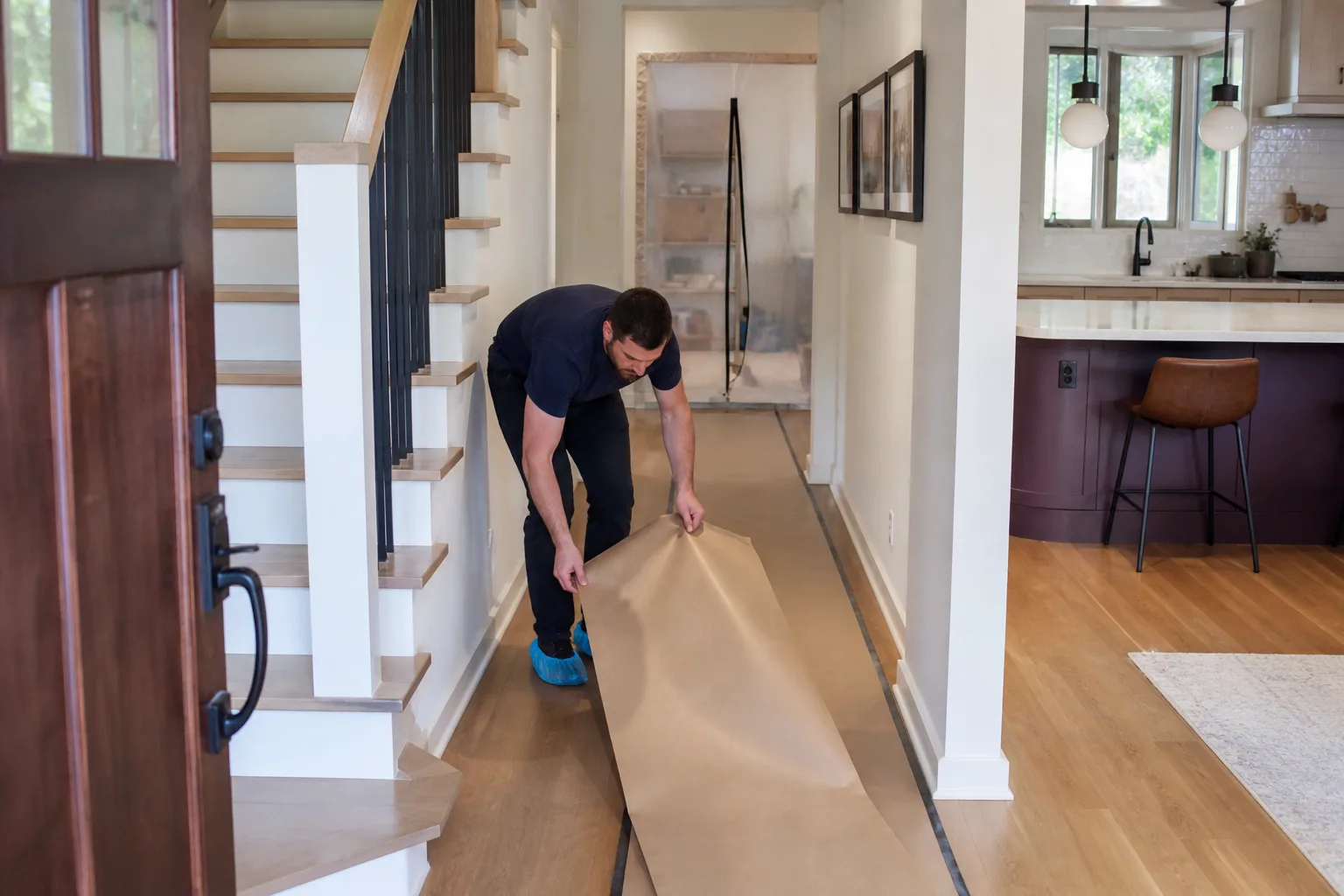
- Measure and photograph. Every opening gets measured and photographed, including the interior trim and exterior surroundings. The photo record is part of the job file.
- Check code compliance. We pull the NFRC data for each proposed model and match it against San Francisco’s U-factor and SHGC limits before the quote is final.
- Review historic status. If the address sits in a district with design review, we determine which elevations need a Certificate of Appropriateness and what product changes require one.
- Deliver the written price. Flat number, written scope, written warranty. No work begins until that’s in hand and signed.
- Pull permits and order product. Lead times on some window lines run 8 to 14 weeks, so ordering early keeps the schedule.
- Install and document. Removal, installation, sealing, and trim go in sequence. We photograph every opening after installation and leave the record with you.
No change proceeds mid-job without a signed change order. That discipline is what keeps the final number within a few percent of what you agreed to, and it applies on every trade, from windows and doors to a full Home Additions & ADU in San Francisco project where windows get ordered as one scope item in a much larger build.
Outside the house, windows and doors often go in alongside driveway and hardscape work. If you’re planning a front-of-house project, our Driveway & Pavers in San Francisco page shows how that sequencing works.
Common Mistakes to Avoid
- Buying on the manufacturer’s national rating. Whole-country U-factor numbers don’t apply here. A product tuned for Phoenix won’t pass on SHGC in San Francisco.
- Ordering before verifying squareness. Doors and pre-hung windows bought to a measurement taken with a measuring tape and not check for square can fit past the point of no return.
- Ignoring historic review on the street-facing side. Property owners in Duboce Triangle and Dolores Heights have removed windows after the fact. The review board doesn’t care that the workmanship is good.
- Mistaking condensation for a failed window. Replacing a sound window because of an interior humidity issue solves nothing. The moisture comes back on the new glass.
- Accepting a verbal quote. Window prices move with product availability and glass options. A number given over the phone isn’t a price, it’s a guess.
- Skipping the second opinion. Two bids with very different numbers usually means one of them has the wrong product, not that the other has better pricing.
- Not ordering early. Factory lead times during peak season can slip past 14 weeks. A late order can push an entire project out by a season.
See the difference
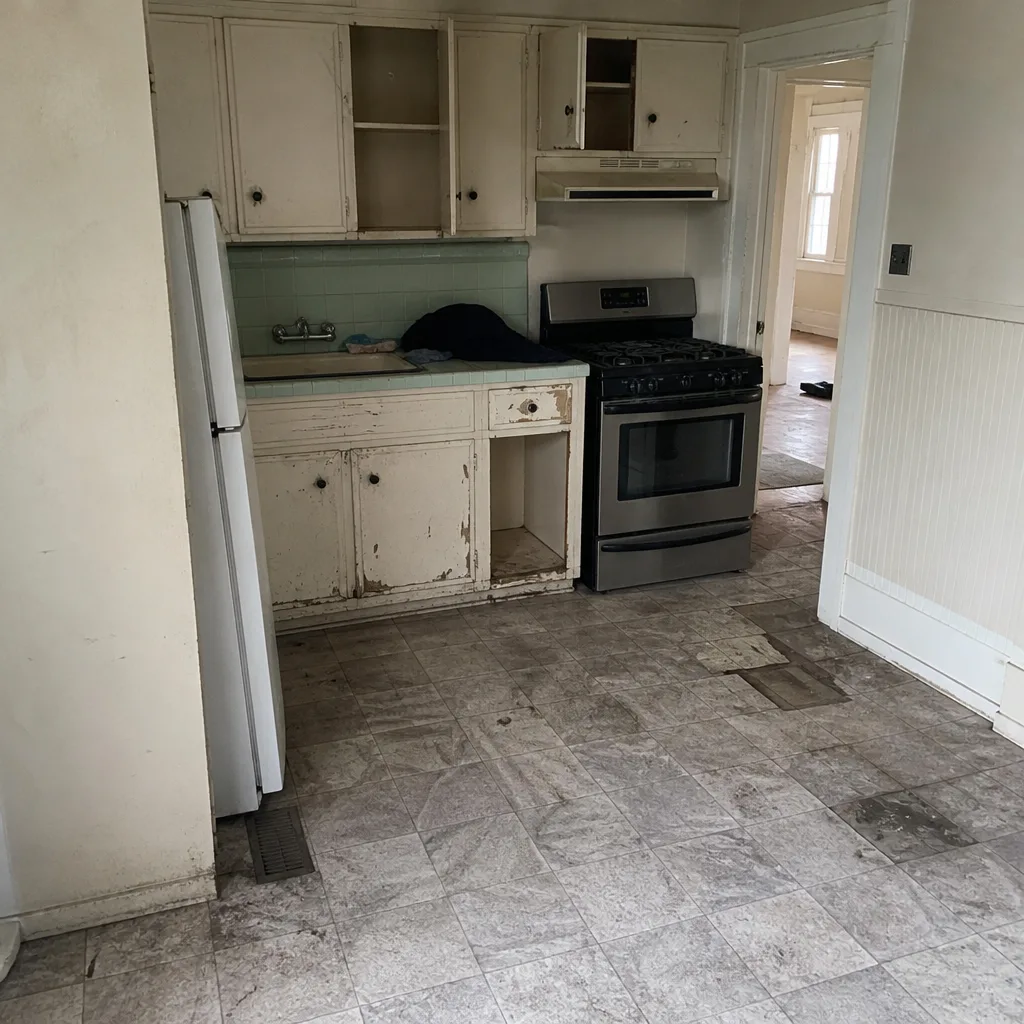 Before
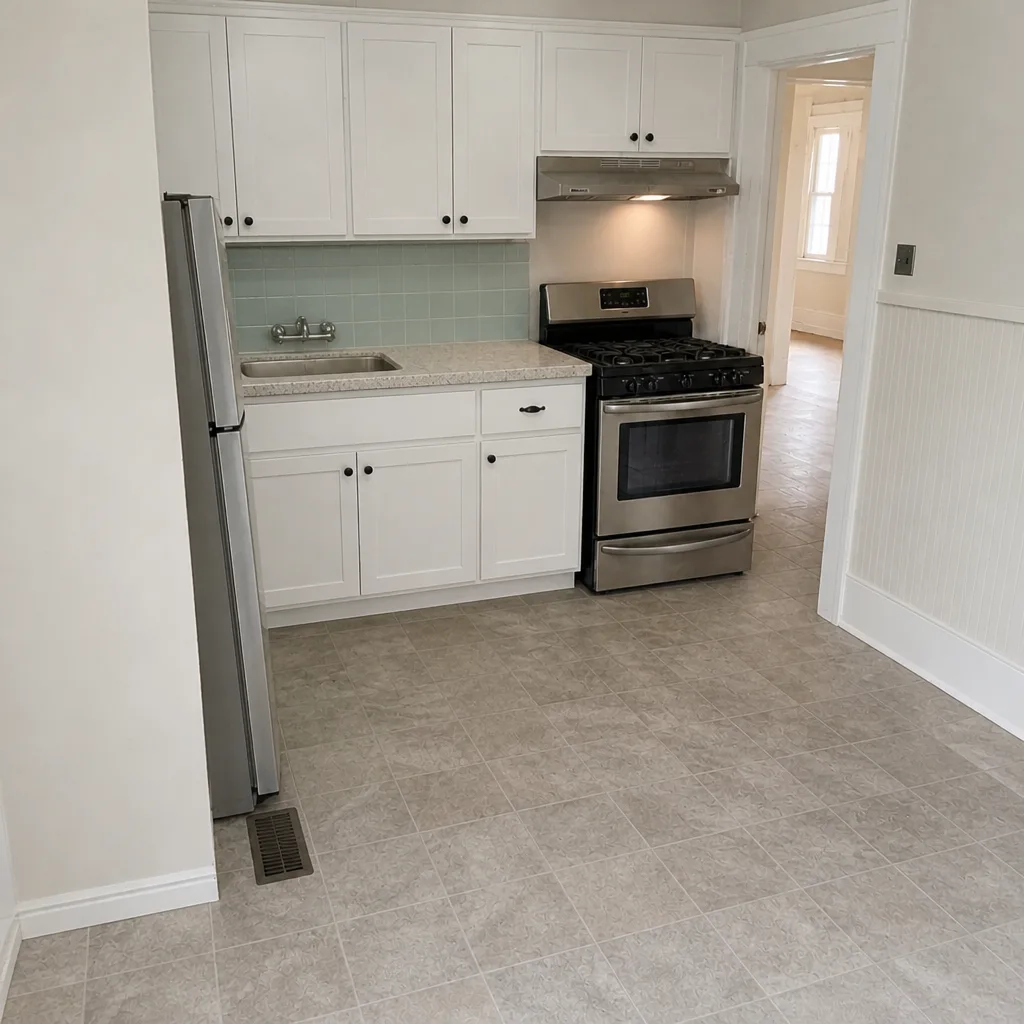 After
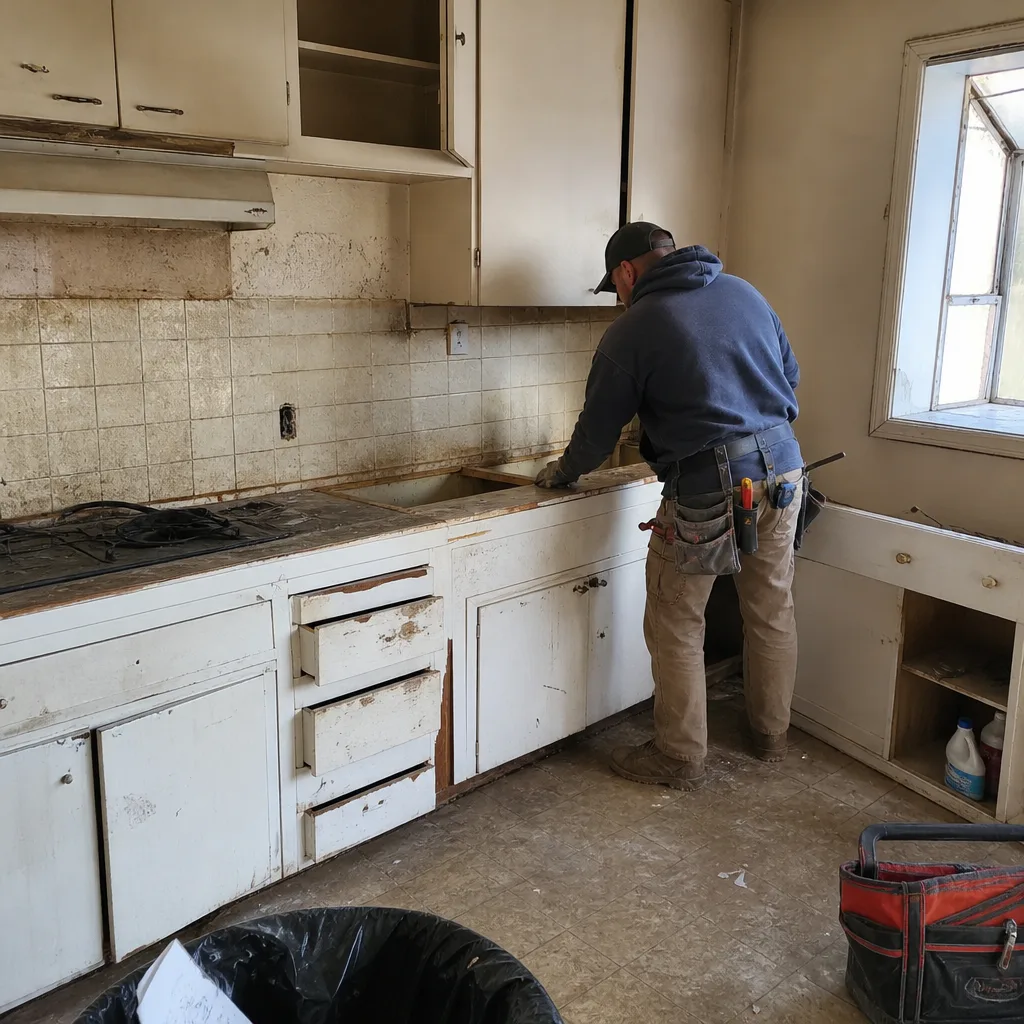 Before
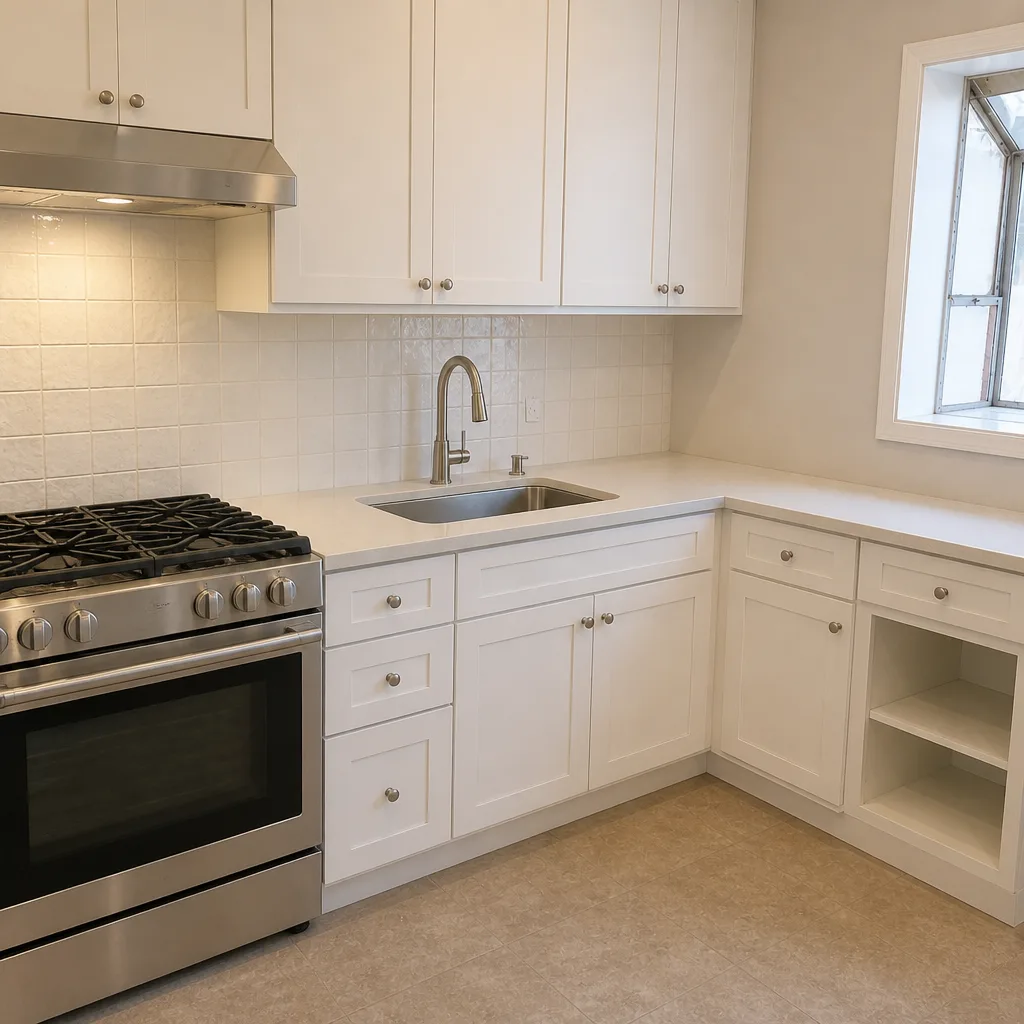 After
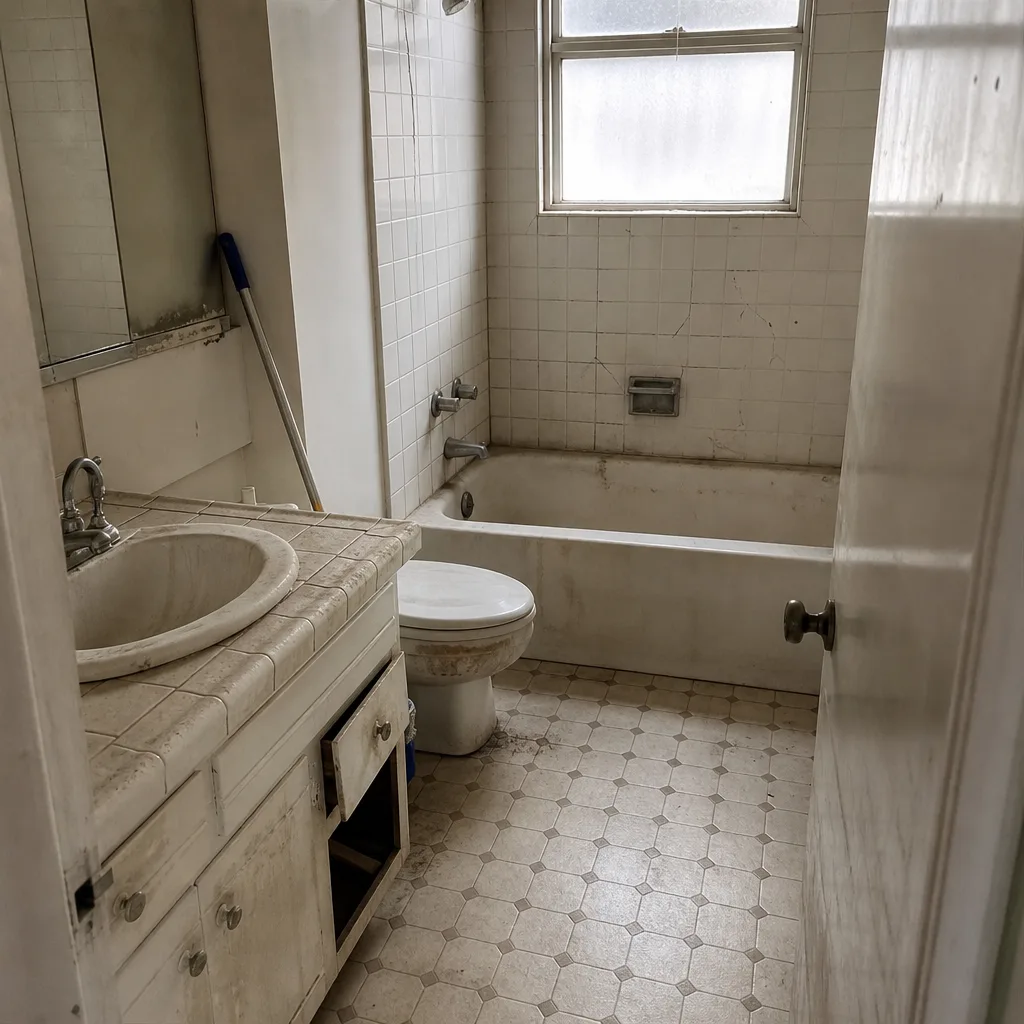 Before
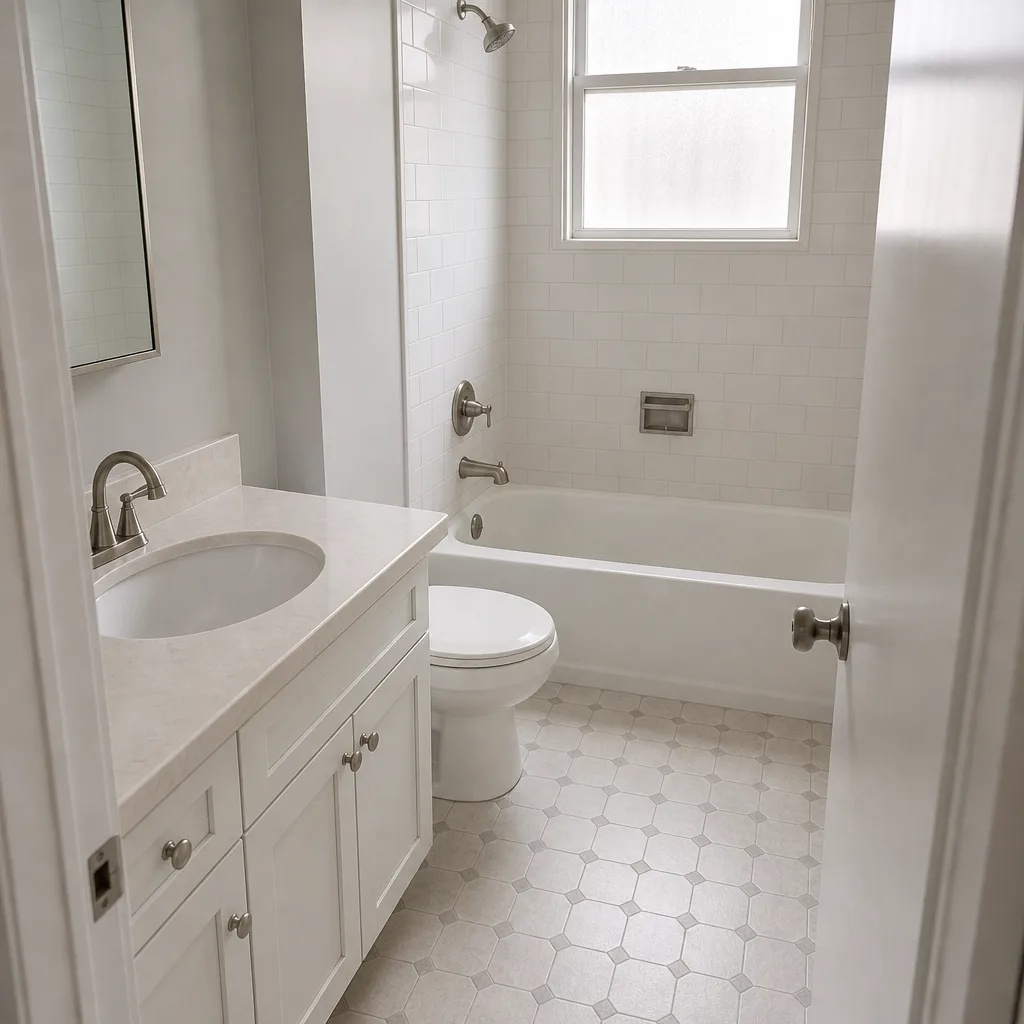 After
When to Call a Professional
Call a professional when you’re replacing more than a couple of windows at once, when any opening is out of square, when the address sits in a district with design review, or when the window schedule has to pass a city permit. A failed IGU seal on one unit is often a manufacturer warranty case rather than a replacement job, and the photo documentation matters. A door that sticks after a soft-story retrofit needs a framing check before anything gets ordered. And any job involving anchors, structure, or code compliance on a multi-unit building belongs in the hands of a licensed contractor. Rowan Construction Group San Francisco offers free estimates in San Francisco – call (844) 797-6388.
Frequently Asked Questions

Most San Francisco windows need a maximum U-factor of 0.32 and a maximum SHGC of 0.25 under Title 24. Ask for the NFRC label and verify both numbers before ordering. Call (844) 797-6388 for a free estimate and we’ll check the product specs with you.
Often yes. A Certificate of Appropriateness is typically required when you change the window’s visible profile, muntin pattern, or glazing appearance on a street-facing elevation in districts like Duboce Triangle or Dolores Heights. In-kind replacement that matches the original material and profile usually moves through with far less review. Call (844) 797-6388 and we’ll look at your specific address.
Fog between the panes means a failed insulated glass unit seal, not a ventilation issue. Fog on the interior room-facing glass is almost always condensation from indoor humidity, not a window defect. The two look similar in photos, so it pays to inspect the glass on both faces before spending on a replacement. Call (844) 797-6388 for a free assessment.
Installed pricing runs about $400 to $700 per single-hung vinyl window, $900 to $1,600 per wood clad casement, and $600 to $1,100 per window for historic wood restoration. Permit fees are separate. Call (844) 797-6388 for a written line-item quote, free and with no obligation.
Usually yes. A large glazed surface needs a stronger glass package to hit the same U-factor, so sliding doors often need a specific low-E and gas option to pass the window and door schedule. Under-specify the slider and the whole compliance package can fail. Call (844) 797-6388 for a free review of your door and window specs.
Yes. Soft-story and cripple wall retrofits shift structural loads, and a door opening that was square before the work can sit out of square after. Check both diagonals of the opening before ordering a custom door. Call (844) 797-6388 and we’ll measure the opening and check the framing before anything goes to the factory.
The Bottom Line
San Francisco windows and doors are governed by a specific combination of rules a national buying guide won’t cover: Title 24’s 0.32 U-factor and 0.25 SHGC limits, historic review with a Certificate of Appropriateness where it applies, condensation that’s more often ventilation than failure, and seismic movement that has to be checked before any custom order goes out. Budget between $400 and $1,600 installed per window depending on style, and understand that the model-and-glass combination matters more than the brand name on the frame. Get the NFRC label, get the review rules confirmed, and get the price in writing before anyone touches a tool.
Rowan Construction Group San Francisco delivers a flat written price before any work starts, a documented photo record on every visit, background-checked and uniformed technicians, and free second opinions on any written estimate. Under the 365-Day Done Right Promise, if it’s not done right, we make it right. Call (844) 797-6388 to schedule your free estimate.
Written by the team at Rowan Construction Group San Francisco.