Last updated November 17, 2026
Free written scope consultation - allowances, timeline, and change-order rules on paper before a single trade is scheduled
Home Additions & ADU Maintenance Schedule: What to Do and When
A tankless water heater serving an ADU needs an annual descaling flush, and most owners never do it. In San Francisco’s moderately hard water, three skipped years is enough to halve that unit’s service life, from roughly 20 years down to about 10. Here’s the part that catches people: the maintenance calendar for a second dwelling on your lot is not the same as the one for your main house. This guide breaks the schedule down by ADU type (detached new build, garage conversion, basement JADU), covers the tie-in points and sub-panels most owners forget, and gives you the deferred items worth budgeting for now.
Quick Answer
An ADU should be inspected on its own schedule: roofing and tie-in flashings every year, gutters twice a year, the electrical sub-panel and GFCI/AFCI breakers annually, and a tankless water heater descaled every 12 months. Detached units need exterior envelope checks that garage and basement conversions don’t, while conversions need moisture and ventilation checks that new builds usually don’t. Treat the ADU as a separate building with its own systems, and you’ll catch the $300 problems before they turn into $12,000 ones.
Styles & brands we work with
- Kitchen remodeling
- Bathroom remodeling
- Home additions & ADU
- Roofing
- Windows & doors
- Driveway & pavers
- Fence
Table of Contents
- Why an ADU Needs Its Own Maintenance Schedule
- The Month-by-Month ADU Maintenance Calendar
- Schedule by ADU Type: Detached, Garage Conversion, Basement JADU
- Roofing at the Tie-In Points: Where Leaks Actually Start
- Electrical Panel and Breaker Maintenance for ADU Sub-Panels
- Documenting Maintenance for a Tenant-Occupied ADU
- The 5-Year and 10-Year Items Homeowners Defer
- Common Mistakes to Avoid
Why an ADU Needs Its Own Maintenance Schedule
An accessory dwelling unit is a second building on your property, not a room. It has its own roof, its own electrical panel, its own water heater, and its own envelope holding weather out. Each of those systems wears at a different rate than the main house because the ADU gets different sun exposure, different traffic, and often a different occupant who doesn’t know what a normal sound from the water heater sounds like.
We’ve walked through ADUs in Noe Valley and the Sunset where the main residence was meticulously maintained and the unit behind it hadn’t seen a roofer in six years. The result is predictable: a soft spot at the step flashing, a sub-panel that’s never had a breaker exercised, and a water heater limping toward its tenth birthday on borrowed time. In a city where a detached two-bedroom ADU can run $400,000 or more to build (2026 permits in San Francisco routinely land in the $300 to $500 per square foot range for new detached construction), protecting that investment costs a few hundred dollars a year.
The San Francisco climate makes this a bit more specific. Our fog belt means the western neighborhoods (Sunset, Richmond, Parkside) see persistent moisture on north-facing roof planes, while the eastern side (Bernal, Potrero, Bayview) gets more sun cycling and thermal expansion. An ADU’s maintenance priorities tilt based on which side of the city it sits on. That’s the case for writing the schedule to the building, not to a generic checklist.
The Month-by-Month ADU Maintenance Calendar
Here’s the calendar we recommend to owners. It’s built around San Francisco’s dry-season window (roughly April through October) so exterior work happens when the weather actually cooperates.
- January: Post-storm walkaround. Check interior ceiling corners for new stains, look at window and door frames for gaps, and visually inspect the sub-panel cover for moisture.
- February: Test all GFCI and AFCI breakers in the ADU panel. Press the test button on each; reset. If any fail to trip, that’s a call-now item.
- March: Tankless water heater descaling. If you have a tank unit, this is the month to check the pressure relief valve and drain a few gallons from the bottom to clear sediment.
- April: Roof inspection at the tie-in points (more on this below). Clear any debris from valleys and step flashings before the dry season.
- May: Gutters and downspouts cleaned. If you’re in the Sunset or Richmond, expect more debris than the eastern side of the city.
- June: Exterior paint and caulking inspection. Any crack wider than a credit card edge gets recaulked before the fog season.
- July: Deck and stair recoating if the ADU has an exterior deck. Waterproofing membranes on walkable decks take the most sun this month.
- August: HVAC filter change, and a walk-through of every appliance (range hood, bath fan, dryer vent) to confirm they move air.
- September: Pre-winter attic and crawlspace check. Look for any sign of water intrusion before the rains return.
- October: Last exterior touch-up window. Get any roof or flashing repairs scheduled before the wet season.
- November: Rainy-season readiness: confirm downspouts discharge away from the structure, check sump or drainage if there’s a basement JADU.
- December: Full documentation update for tenant-occupied units (more on this below) and a review of the year’s photo log.
This is a working outline, not a rigid script; San Francisco winters vary, and a warm, dry November means you can push exterior work a few weeks. But the principle holds: exterior items cluster in the dry months, systems tests land in the shoulder months.
Schedule by ADU Type: Detached, Garage Conversion, Basement JADU
Every ADU in San Francisco is roughly one of three construction types, and the maintenance focus shifts with each. This is where most online schedules fall short: they treat all three as the same, which they’re not.
Detached New Construction
A detached unit is a standalone building with its own envelope, roof, and foundation. Its maintenance needs are closest to a small house: full roofing inspection, gutter cleaning, exterior paint cycles, and envelope (wall, soffit, fascia) checks. Detached ADUs in San Francisco also carry their own utility meters more often, so you’ll want to read the panel and meter box at least once a year for signs of weather intrusion.
Garage Conversion
A garage conversion ADU shares a wall or slab with the main house and often sits low on the lot, which brings slab moisture and ventilation to the front of the list. The interior air quality depends on mechanical ventilation because garage conversions typically have fewer operable windows and a lower ceiling profile. Check the bath and kitchen exhaust fans every six months (they should pull a tissue to the grille). Watch for any sign of moisture at the shared wall, and inspect the perimeter drainage around the garage door opening annually.
Basement (JADU)
A junior ADU in a below-grade space depends entirely on its waterproofing and drainage. The schedule shifts toward: inspecting interior drains and sump systems monthly during the rainy season, checking the perimeter foundation drainage each fall, watching for efflorescence (the white chalky mineral bloom that signals moisture moving through masonry), and confirming the dehumidification and ventilation systems are working. A wet fall in San Francisco can stress a basement JADU faster than anything else on the property.
If you’re planning an addition or ADU from scratch and want the design to set up maintenance well, our Home Additions & ADU in San Francisco team walks through the construction choices that make the first five years easier, from roof pitch to drainage placement.
Roofing at the Tie-In Points: Where Leaks Actually Start
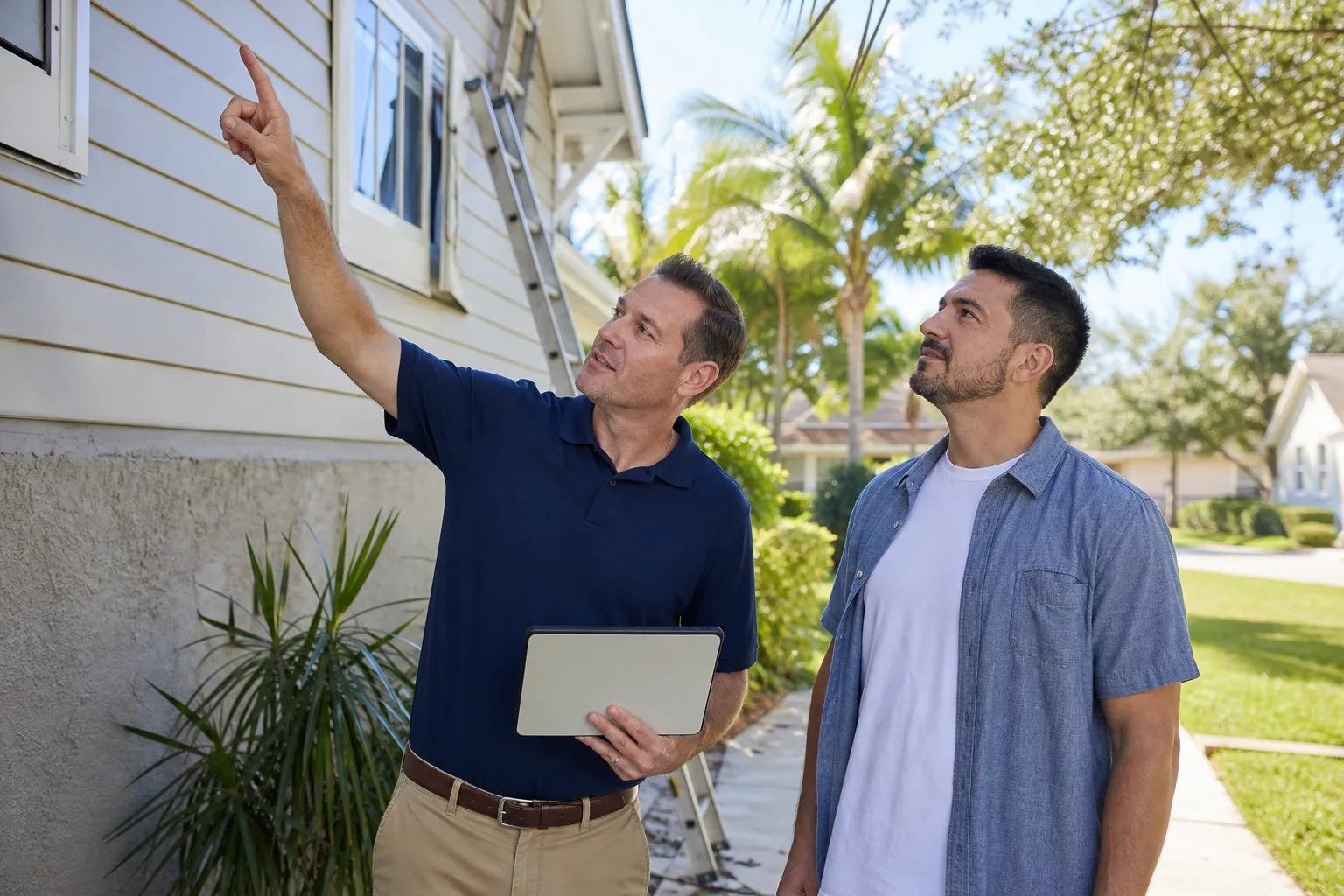
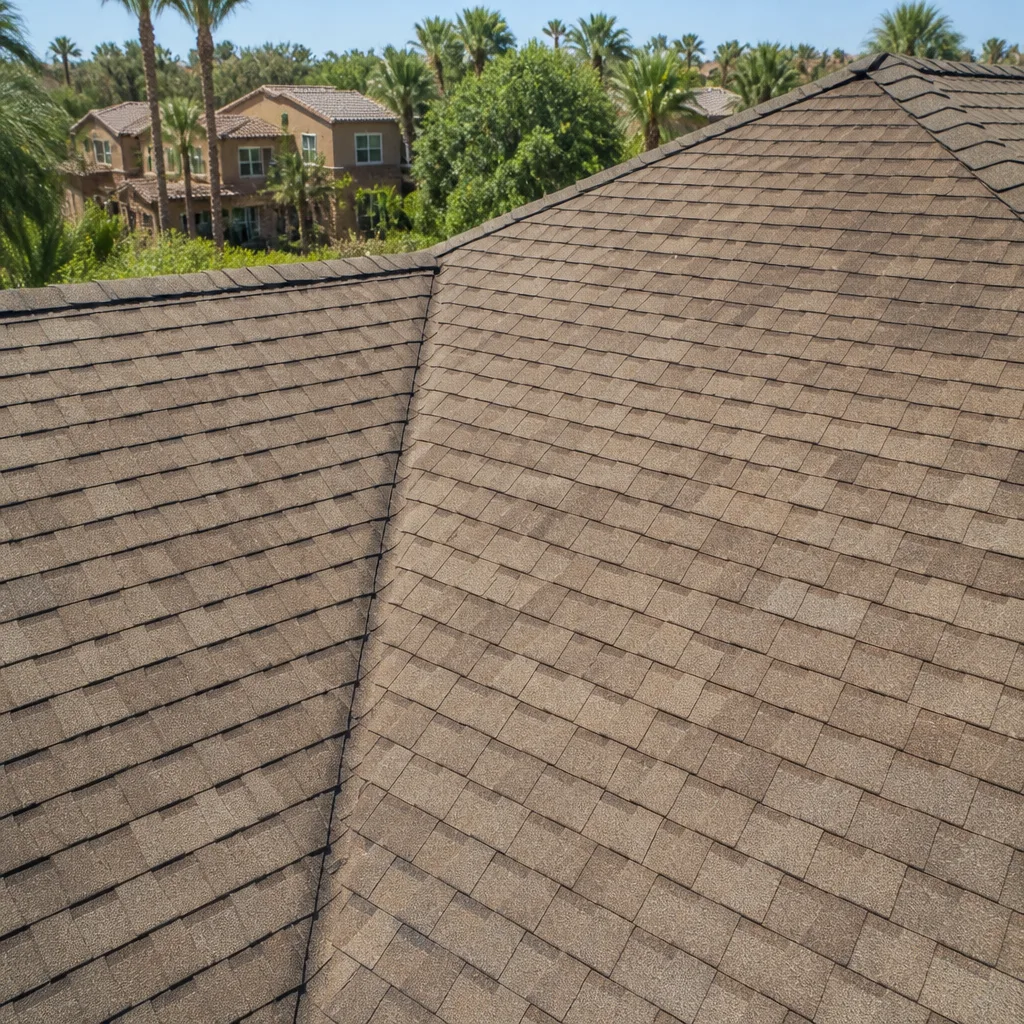
On any attached ADU and on detached units with a roof that ties into an existing structure, leaks almost always begin at the tie-in points: the valleys and step flashings where new roofing meets old. This is where we see the first failure, typically in the fourth or fifth year. Annual visual inspection of those areas is the single highest-value thing an ADU owner can do.
Here’s what a proper annual roof inspection looks like for an ADU:
- From the ground with binoculars, scan the roof plane for lifted or missing shingles, and look specifically at valley lines for staining or debris buildup.
- From inside the attic or top-floor ceiling, look for water staining at the tie-in valley. A brown stain on the sheathing is a warning; a soft spot is a call-now item.
- Check step flashings at each chimney, wall, or dormer intersection. The flashing should sit tight against the masonry or siding with no gaps; a caulk line that’s cracked pulls moisture behind the metal.
- Look at the gutter attachment at the tie-in valley. If water is overshooting the gutter because the valley dumps faster than the gutter handles, you’ll get rot at the fascia. GAF and Owens Corning roofing systems both spec their valleys to handle the volume, but installation angle and gutter sizing are what make them work.
For those in the Outer Sunset or Parkside, where fog sits on north-facing roof planes for weeks at a time, add a spring moss inspection. Moss isn’t the leak itself, but it holds moisture against shingles and accelerates granule loss. A five-minute check is cheaper than a shingle replacement.
Electrical Panel and Breaker Maintenance for ADU Sub-Panels
Most ADUs carry their own electrical sub-panel, and that sub-panel needs a small maintenance routine that most owners don’t know exists. Here’s the schedule:
- Annually: exercise every breaker. Flip each breaker off and back on once a year to keep the internal contacts clean. Breakers that sit in one position for years can develop a stiff mechanism and trip late.
- Annually: test all GFCI and AFCI breakers. Press the test button on each; verify it trips; reset. GFCI protects kitchen, bath, and exterior outlets; AFCI protects the bedrooms and living areas. If any breaker fails to trip, call an electrician, not a handyman.
- Every two years: visual inspection of aluminum wiring connections, if present. Aluminum branch wiring shows up in some older San Francisco structures, particularly if the ADU was carved from an existing building built in the late 1960s or 1970s. Aluminum connections oxidize and loosen over time; a licensed electrician should check the terminations, not the homeowner.
- Each fall: look at the panel cover for rust or water stains. A sub-panel in a garage or basement JADU sits in a moisture-prone spot. Any rust on the cover or inside the panel is a call-now item.
A safety note that matters: panel maintenance beyond flipping breakers and pressing test buttons is not DIY work. Opening a panel cover exposes live bus bars and mains voltage. A mistake can be fatal. If you have any doubt about the state of your ADU’s sub-panel, hire a licensed electrician.
One more San Francisco-specific pattern we see: a converted garage ADU often inherits the original 100-amp main panel from the 1950s or 1960s house, and the sub-panel was added downstream. That ages the whole system. If your ADU was permitted more than 15 years ago, it’s worth having an electrician check whether the sub-panel is properly sized for today’s loads (EV charger, induction range, heat pump).
Documenting Maintenance for a Tenant-Occupied ADU
If you rent your ADU, the maintenance log is not optional. San Francisco’s housing code and rent ordinance expect landlords to keep units habitable, and in a dispute the landlord has to show what was maintained and when. A written log with dated entries and photos is the difference between a clean defense and a costly settlement.
The log should capture, at minimum:
- Every maintenance visit with the date, what was inspected, what was found, and what was done. A photo record on every visit is our standard for a reason: it’s the evidence that leaves no debate.
- Tenant-reported issues with the date the tenant reported it and the date it was addressed.
- System ages and service dates for the water heater, HVAC, and any appliance in the unit.
- Any safety-relevant item like a failed GFCI, a moisture stain, or a cracked step flashing, with the repair date.
Habitability items San Francisco landlords must maintain include running water, hot water, heat, working smoke and carbon monoxide detectors, functioning electrical systems, and a weather-tight envelope. Those aren’t annual check-offs; they’re ongoing obligations. A maintenance log is how you prove you’ve honored them.
If a fence separates the ADU from the rental yard or a neighboring property, its condition is part of the tenant’s usable space too. Our Fence Installation in San Francisco team handles repair or replacement when it’s time to fix a failing line, and using ActiveYards or Belgard materials means it’s built to last through the Salt air and fog cycle.
The 5-Year and 10-Year Items Homeowners Defer
These are the projects on the ADU that homeowners put off, sometimes for years, and the numbers below are what we’d expect in 2026 San Francisco labor market pricing. Deferring them doesn’t save money; it raises the eventual catch-up bill.
Exterior paint (5 to 8 year cycle)
A properly prepped and painted exterior on an ADU typically runs $6,000 to $12,000 in San Francisco for a detached unit, depending on size and surface. Skimping on surface prep is the reason some repaints fail in four years. Prep includes caulking, scraping, and a primer coat that’s meant to fail before the topcoat does.
Deck waterproofing recoat (every 3 to 5 years)
Walkable deck membranes on ADUs with exterior stairs and landings should be recoated every 3 to 5 years, at $2,000 to $5,000 depending on square footage. A missed recoat is how the framing underneath softens, and once framing goes, a $3,000 recoat becomes a $15,000 rebuild.
Water heater anode rod replacement (every 5 years)
If the ADU has a tank water heater, the anode rod protects the tank from corrosion and should be replaced roughly every five years. The job is small ($300 to $600 for a plumber to replace) but the consequence of skipping it is a failed tank at 8 to 10 years instead of 15 to 20. Tankless units don’t have anode rods but need the annual descaling flush we opened with.
Roof replacement (25 to 30 year cycle, but inspect annually)
A properly installed GAF or Owens Corning asphalt shingle roof should last 25 to 30 years in our climate, but only if the flashings are maintained. The roof itself isn’t the deferral risk; the $400 flashing repair is the deferral risk that turns into a $9,000 roof. Annual inspection catches it.
If the ADU has a paver driveway or walkway, our Driveway & Pavers in San Francisco team can restore joint sand and reseal on a 3 to 5 year cycle, which keeps the Belgard or Unilock surface stable through freeze-thaw (which San Francisco gets less of than the East Bay, but the wet-dry cycle does similar work over time).
Common Mistakes to Avoid
- Treating the ADU as a room rather than a building. A second dwelling has its own envelope, roof, panel, and water heater. If you only maintain the main house, you’ll discover the ADU’s failures late, when they’re more expensive.
- Skipping the annual tankless descaling flush. In San Francisco’s moderately hard water, missing three flushes cuts the unit’s life roughly in half. It’s a $150 to $250 service that protects a $3,000 appliance.
- Ignoring the tie-in flashings until water shows up inside. The valleys and step flashings at the ADU-to-main-house junction are the first leak points. Annual inspection, not reactive repair, is the discipline.
- Never exercising the sub-panel breakers. Breakers that sit for years can fail to trip when they should. Flipping them once a year keeps them operational.
- Not documenting tenant-reported issues in writing. San Francisco housing code disputes hinge on the record. Verbal reports and handwritten notes don’t hold up; a photo log and dated log entries do.
- Deferring exterior paint past eight years. Once the topcoat fails past the primer, the prep work doubles and the cost climbs. The paint cycle is a maintenance item, not a cosmetic one.
- Letting moss sit on north-facing roof planes. In the Sunset and Richmond especially, moss accelerates shingle wear. A spring check-and-remove routine is part of the ADU roof schedule, not an optional extra.
See the difference
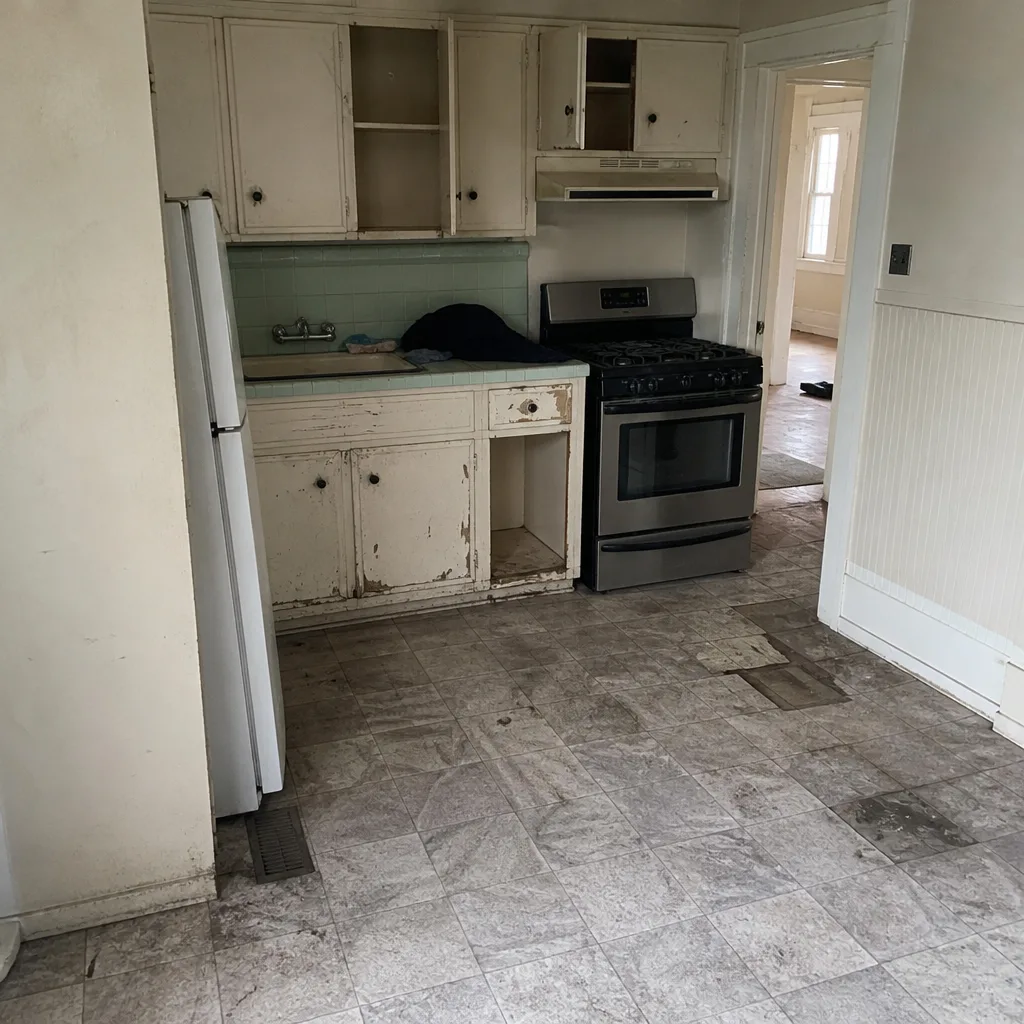 Before
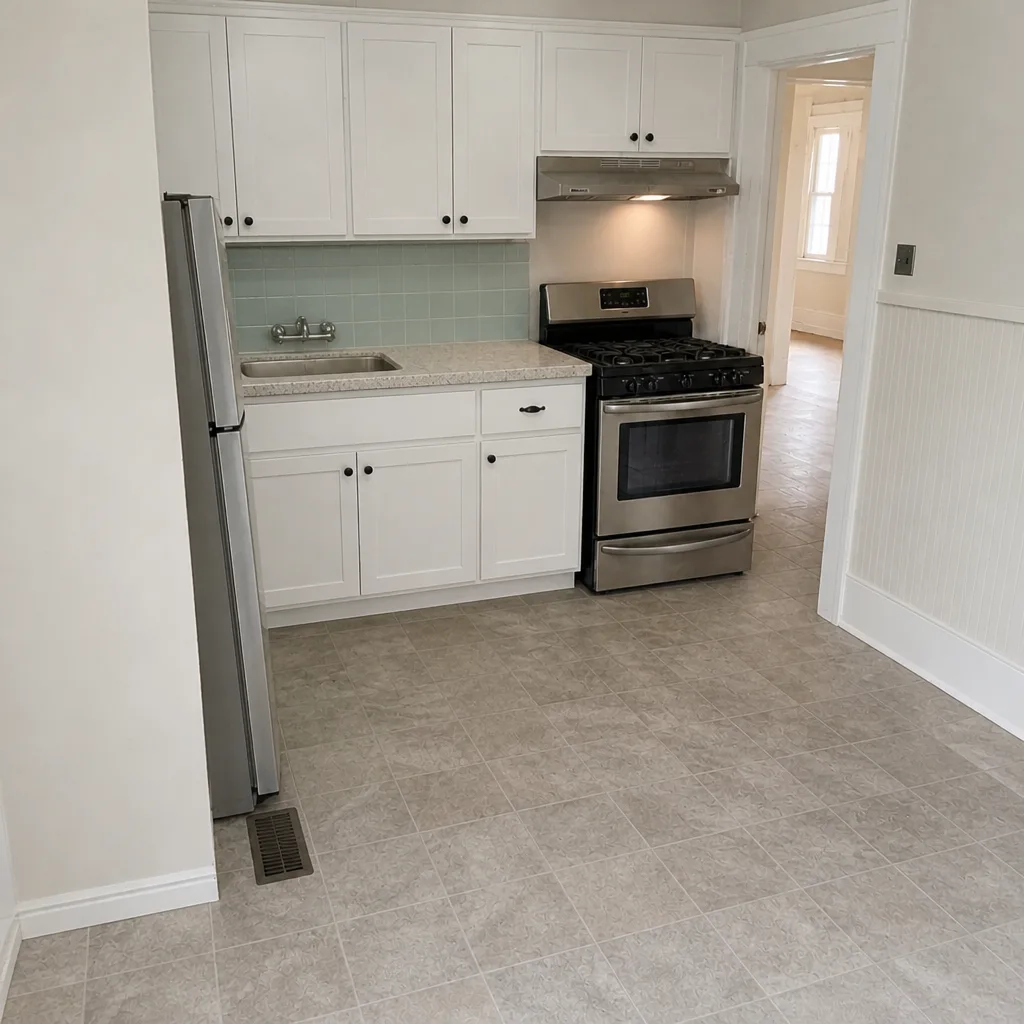 After
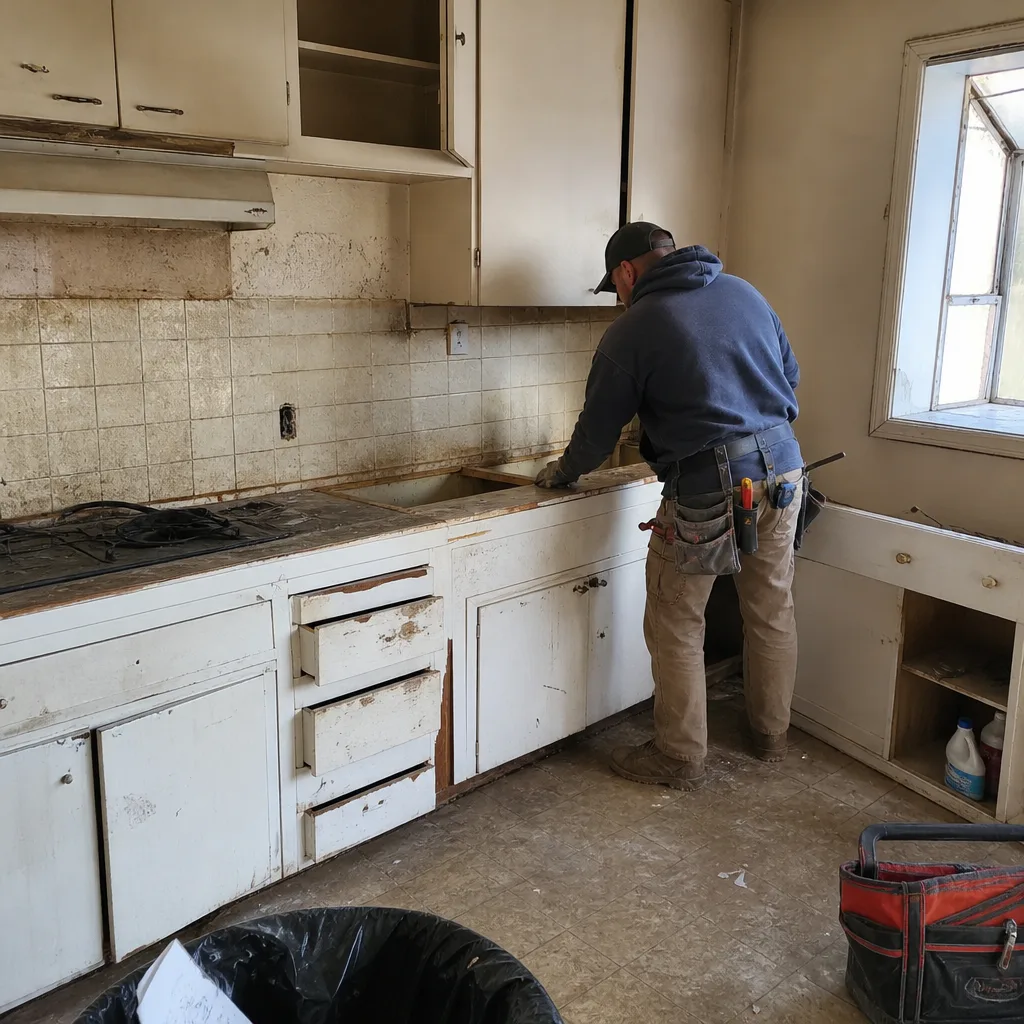 Before
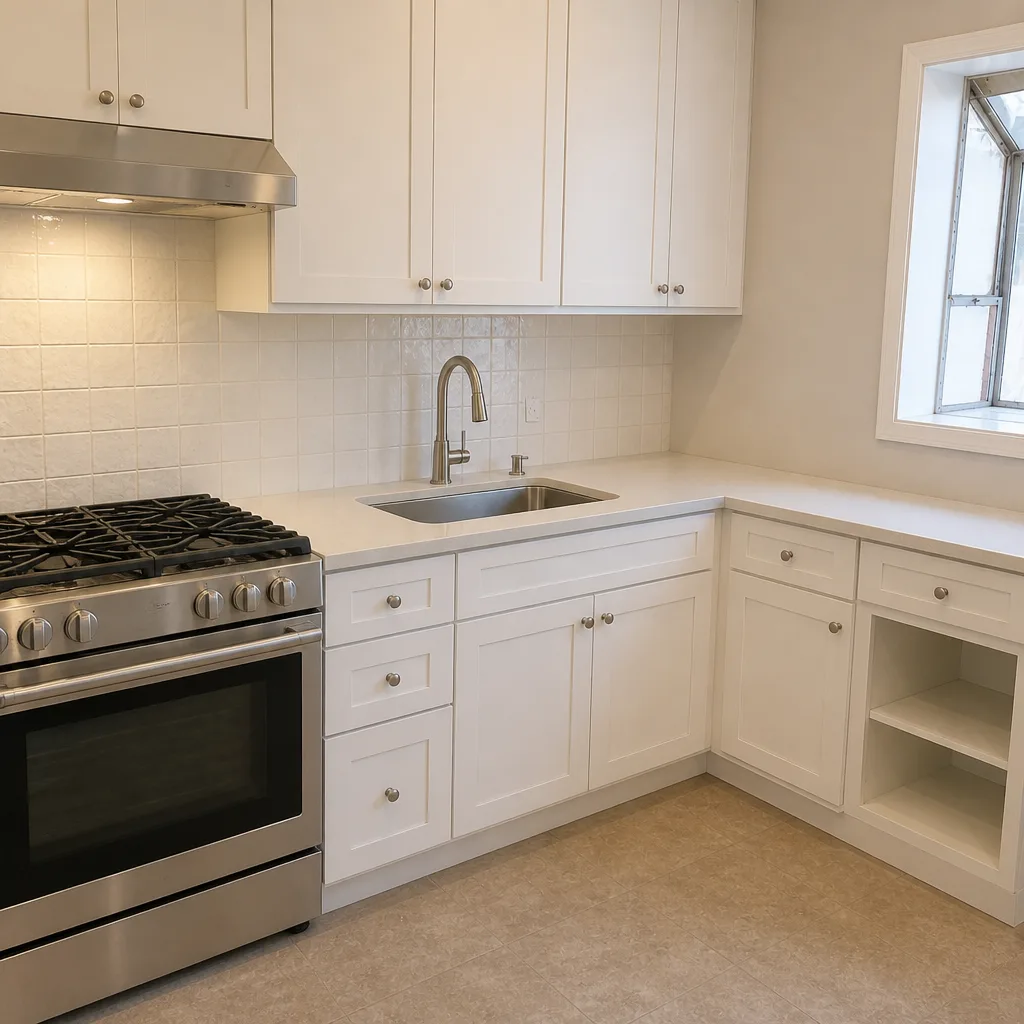 After
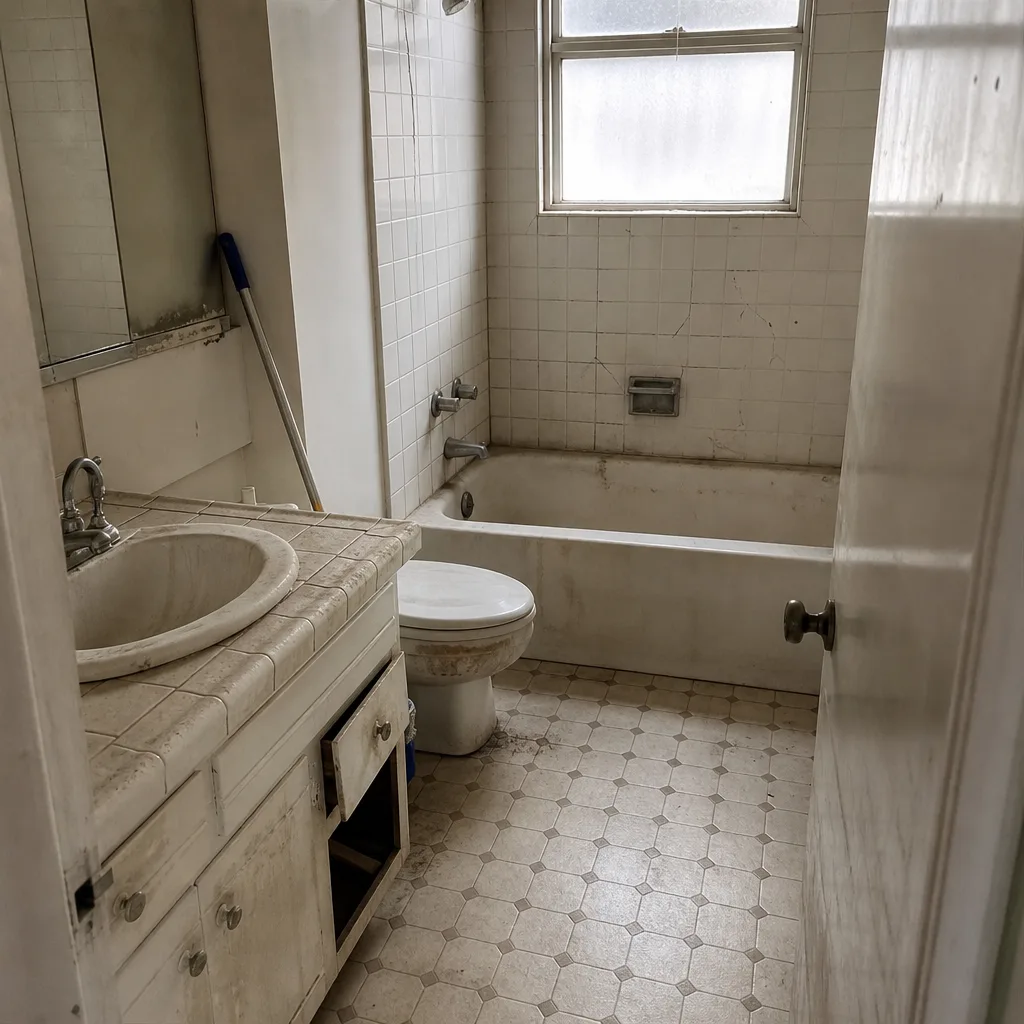 Before
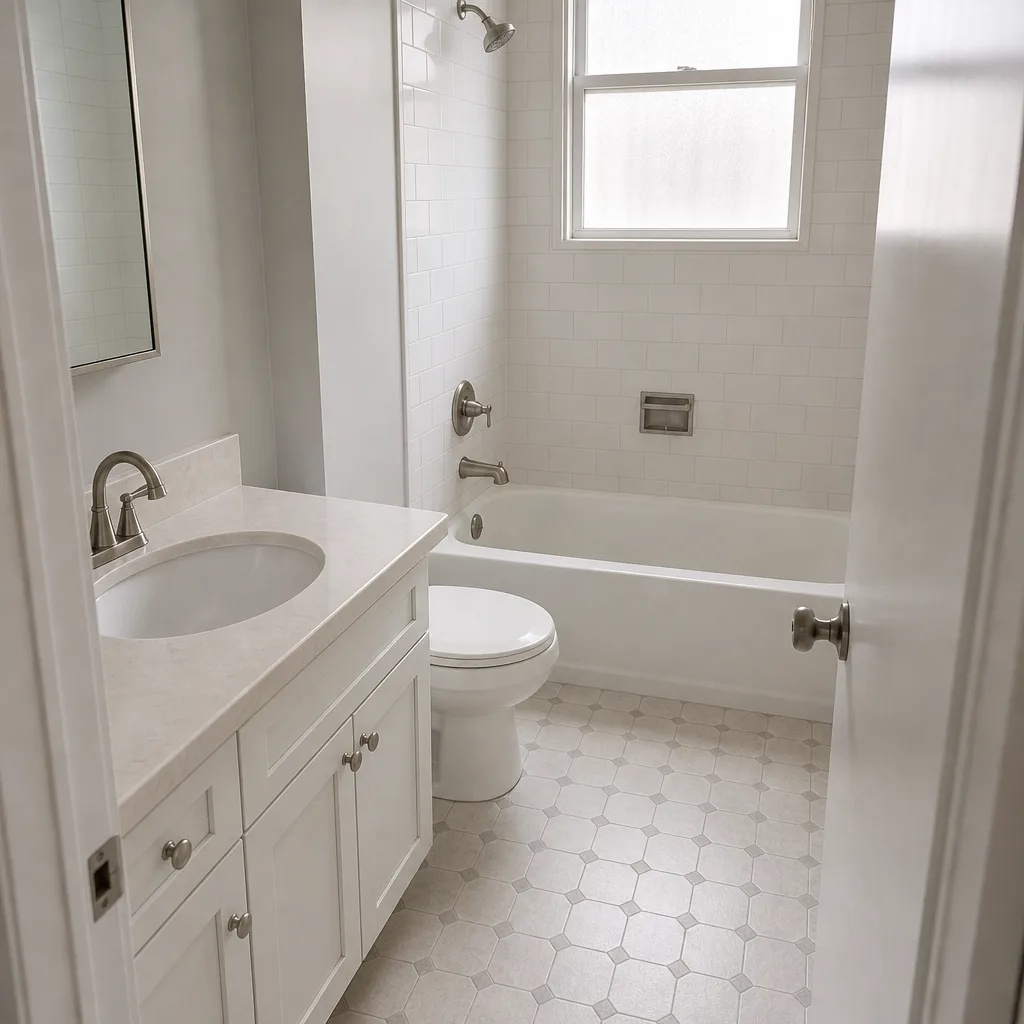 After
When to Call a Professional
Call a licensed contractor or trade when the item crosses from “check” to “repair” or when it crosses into safety territory. Roof leaks with active staining, any sign of moisture at the electrical sub-panel, a failed GFCI or AFCI test, a water heater that’s past its rated life, and any soft framing found during an annual inspection all belong in a professional’s hands. Panel work and roofing at height are not safe DIY territory; the risk isn’t inconvenience, it’s injury. Rowan Construction Group San Francisco offers free estimates in San Francisco; call (844) 797-6388 and we’ll come out, document what we find, and give you a written price before any work starts.
Frequently Asked Questions
A tankless ADU water heater should be descaled annually, and a tank water heater should be flushed and inspected annually with the anode rod replaced every five years. In San Francisco’s water, skipping the tankless flush for three years can cut the unit’s life from 20 years to about 10. Call (844) 797-6388 for a free estimate on a service plan or a replacement.
Yes. An ADU should have its own annual roof inspection, and the critical areas are the valleys and step flashings where the ADU roof ties into the main structure. Those tie-in points are the first place leaks develop, typically in the fourth or fifth year. Call (844) 797-6388 and we’ll inspect and document the roof condition in writing.
A garage conversion ADU needs more ventilation and moisture attention because it sits low on the lot and shares walls with the main house. Check the bath and kitchen exhaust fans every six months, watch for moisture at the shared wall, and inspect the perimeter drainage around the garage door annually. Call (844) 797-6388 for a free estimate on any ventilation or moisture repair.
San Francisco requires landlords to maintain running water, hot water, heat, working smoke and carbon monoxide detectors, a functioning electrical system, and a weather-tight envelope. Those are ongoing obligations, and a maintenance log with dated entries and photos is how a landlord documents compliance in a dispute. Call (844) 797-6388 if you want a professional inspection to start or update your log.
Exterior paint on a detached ADU in San Francisco typically runs $6,000 to $12,000 for a full prep and two-coat job, depending on size and the condition of the siding. Repaint intervals are 5 to 8 years. Call (844) 797-6388 for a free estimate on your specific unit.
You can handle the visual checks, the annual breaker test, the GFCI/AFCI test-button presses, and the water heater flush if you’re comfortable. Anything involving the panel interior, roof access at height, or a suspected leak in the envelope belongs with a licensed contractor. The safety risk outweighs the savings. Call (844) 797-6388 for a free second opinion on any written estimate you’ve received.
The Bottom Line
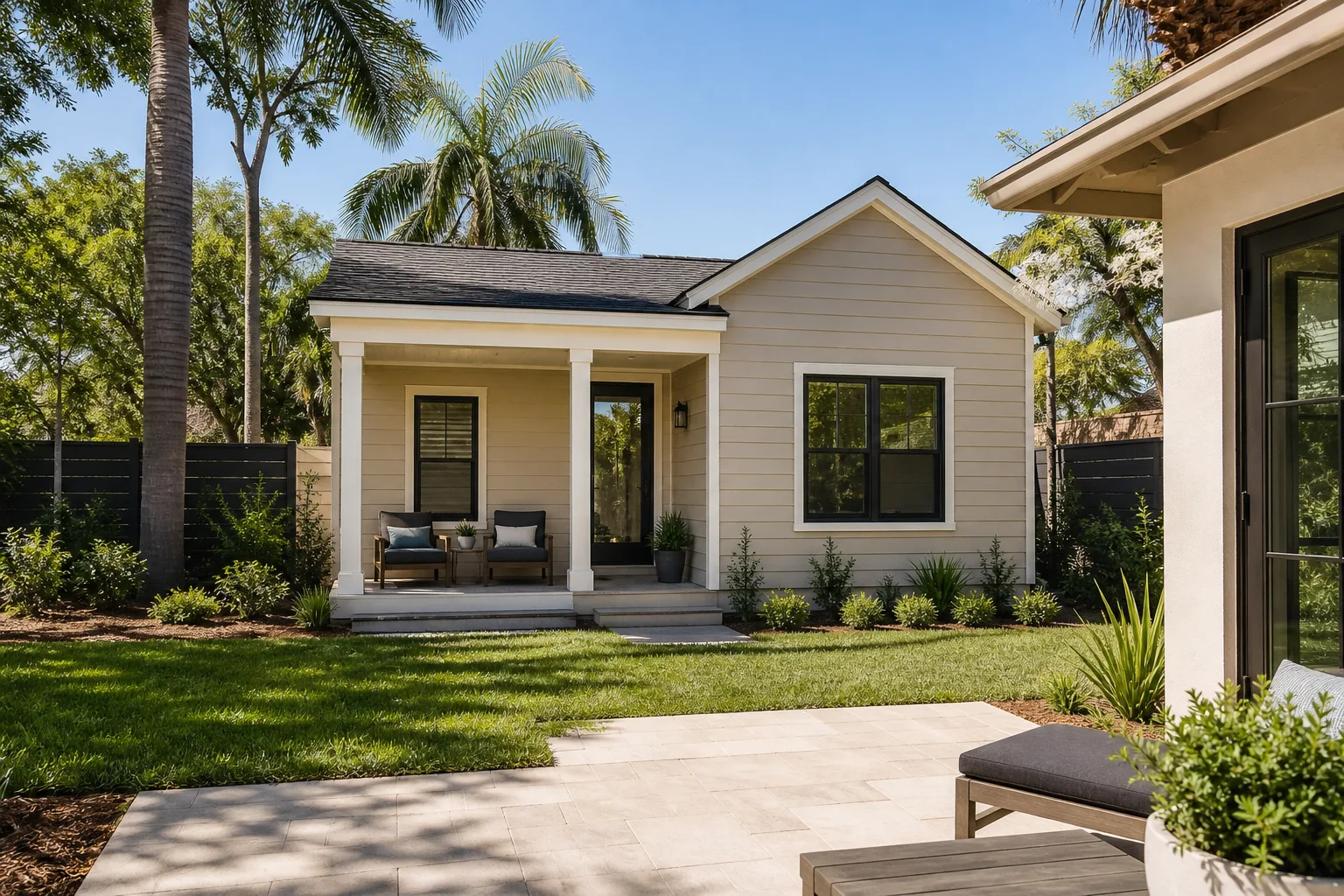
An ADU’s maintenance calendar is not the main house’s calendar. Its roof tie-ins, its sub-panel, its water heater, and its envelope need their own annual, five-year, and ten-year rhythms, and the specifics shift depending on whether you have a detached new build, a garage conversion, or a basement JADU. Get the annual inspections done, keep the documentation, and don’t defer the exterior paint or the tankless flush. Each one is a few hundred dollars now or a several-thousand-dollar catch-up later. If you’re planning an addition or want a maintenance baseline drawn up for your San Francisco property, our Rowan Construction Group San Francisco home page has the full picture of the seven trades we cover. Call (844) 797-6388 to schedule a free estimate; we’ll give you a written price before any work starts, and our technicians bring up to 19 years of experience to the job.
Written by the team at Rowan Construction Group San Francisco.