Last updated November 17, 2026



Free written scope consultation - allowances, timeline, and change-order rules on paper before a single trade is scheduled
Home Additions & ADU Warning Signs Every Homeowner Should Know
Here’s the pattern we see most often in San Francisco: a contractor files the ADU building permit before the structural drawings are finished, using the permit review period as design time. It sounds efficient. It isn’t. When the plan checker finally returns comments, the design has to change, and those changes land as change orders that run 15% to 30% above the original contract price. The trouble almost never starts on the job site. It starts in the paperwork. This guide walks through the contract, permit, and payment warning signs that tell you a home addition or ADU project is heading for overrun, and how to catch them before the foundation is poured.
Quick Answer
The biggest warning signs on a home addition or ADU are a lump-sum contract with no allowance schedule, permit drawings submitted without an engineer of record stamp, a deposit request above 10% (California’s legal cap for most residential jobs), and payment requests that outpace completed work. If a contractor can’t show you a written scope with brand and grade specifications, a permit timeline with milestones, and a lien waiver with each payment, the risk is already on your side of the table. In San Francisco, where ADU permits go through a plan check that can take months, those gaps become expensive fast.
Styles & brands we work with
- Kitchen remodeling
- Bathroom remodeling
- Home additions & ADU
- Roofing
- Windows & doors
- Driveway & pavers
- Fence
Table of Contents
- Contract Red Flags Specific to ADU Projects
- Permit Document Warning Signs
- Site and Construction Red Flags During the Work
- Financial Warning Signs
- Completion Warning Signs
- What Makes San Francisco ADU Projects Different
- Seven Checks Before You Sign Anything
- Common Mistakes to Avoid
Contract Red Flags Specific to ADU Projects
The contract is where an ADU project either holds together or comes apart. An ADU is a full dwelling unit – it needs its own kitchen, bathroom, sleeping area, and utilities, plus fire separation, egress, and often a separate address. That complexity is exactly why vague contract language costs more on an ADU than on almost any other residential job. Three patterns should stop you before you sign.
- Lump-sum pricing with no allowance schedule. A single number with no breakdown tells you nothing about what’s actually included. Ask for a line-item scope with dollar allowances for cabinets, countertops, fixtures, windows, and finishes. “Standard finishes” is not a specification. A written quote should name the grade and the brand – KraftMaid versus a builder-grade cabinet, Cambria versus a generic quartz – so you can compare bids honestly.
- No written change order clause. The contract should say, in plain terms, that no change proceeds until you sign a change order with a written price. Without that clause, “while we’re in there” becomes an open tab. We’ve watched homeowners in Noe Valley get billed for framing changes they never approved in writing because the contract was silent on it.
- No permit timeline with milestones. A good ADU contract names dates: when drawings go to the plan checker, when the permit is expected to issue, when rough framing inspection happens, when the certificate of occupancy is expected. If those milestones aren’t in the document, nobody is accountable for delay – and in San Francisco, delay is where budgets die.
We tie every scope to The Haven Standard’s Clause 1 – the price is written before anyone starts. If a contractor won’t put the number on paper with a scope attached, that’s your first sign. For a deeper look at how a well-run addition is sequenced, see our Home Additions & ADU in San Francisco page.
Permit Document Warning Signs
Permit documents are public record. You can read them before work starts, and you should. An ADU application in San Francisco goes through the Department of Building Inspection and plan check, and the drawing set is the map your whole project runs on. Three document-level problems stand out.
- Drawings submitted without an engineer of record stamp. Structural drawings for an ADU or a second-story addition need a licensed structural engineer’s stamp. If the set in the permit file has no stamp, or the stamp belongs to an engineer who can’t be reached, the design may not be buildable as drawn. That’s a problem you inherit, not the contractor.
- Wrong permit category. An ADU is its own permit category with its own fee structure and its own review path. A contractor who files a “remodel” permit for what is actually a new dwelling unit is setting you up for a later correction – which means re-review, fees, and lost months.
- Owner-builder permits on a project you aren’t building yourself. An owner-builder permit is a legal declaration that you, the owner, are doing or directly managing the work. If a contractor files on an owner-builder permit while you’re actually hiring them to build, you’ve taken on the liability of a general contractor without the license or the insurance.
Ask for the permit number and read the file at DBI. If the applicant of record and the drawing stamps don’t match the picture your contractor is painting, press before you sign.
Site and Construction Red Flags During the Work
Once framing starts, attention shifts to the job site – and some of the clearest signals live there. In our experience across San Francisco additions, these three situations predict expensive corrections.
- Framing that proceeds before rough framing inspection sign-off. Rough framing must be inspected and signed off before the walls are closed with insulation and drywall. A crew that races ahead – covering framing before the inspector has signed – risks tearing out finished work. This is the most common sequencing error we get called in to fix.
- Subcontractors who can’t name the general contractor of record. If the plumber or electrician on site can’t tell you who the GC is and who writes their check, the chain of responsibility is broken. That’s how defects fall between the cracks of a project.
- Concrete pours without inspector notification. Foundation and slab pours need the inspector notified and present. A pour done without notification usually has to be tested or removed. That’s a genuine safety issue, not a paperwork inconvenience, and it should be escalated immediately.
Insist on a documented photo record of every visit – what the crew found, what they did, what comes next. We treat that record as a standard deliverable on every visit, not an upgrade, so you have evidence if a question arises later.
Financial Warning Signs
Money problems tend to reveal themselves in the first two weeks. Watch the payment terms closely.
- Deposit requests above 10%. California’s Contractors State License Board rules limit the down payment on most residential improvement contracts to 10% of the contract price or $1,000, whichever is less. A request for 30% upfront is a red flag, full stop.
- Payment requests that outpace completed work. Payments should follow progress, not anticipate it. If you’re being asked for the framing payment before framing is done, slow the process down and ask for a schedule tied to completed milestones.
- Resistance to providing lien waivers with each payment. A lien waiver is the contractor’s written confirmation that they’ve been paid and won’t file a mechanic’s lien. It’s routine, and a contractor who pushes back on it is signaling that the paper trail isn’t clean. Ask for a conditional waiver with every payment and an unconditional one once the check clears.
Ask for a written payment schedule before work begins. A flat, written price with clear milestones protects both sides, and it makes “the price moved” conversations much shorter.
Completion Warning Signs
The finish line is where a project either closes out cleanly or leaves you holding an open file. Three signs say a completion is going sideways.
- A contractor who discourages final inspection. Final inspection is how the certificate of occupancy gets issued. If your contractor suggests skipping it or “handling it later,” treat that as a serious problem – an unpermitted dwelling can’t legally be rented and can complicate a future sale.
- A punch list with open structural or safety items. Cosmetic punch items are normal. Open structural, electrical, or life-safety items are not. A punch list that keeps those items open for weeks is a sign the closeout isn’t being managed.
- No certificate of occupancy or final inspection card on request. You should be able to ask for the signed-off inspection card and get it the same day. If you can’t produce that document when you sell, the ADU doesn’t count.
Ask for the final inspection card before you release the last payment. A documented closeout – with the photo record and the signed card – is the evidence an ADU is done right.
What Makes San Francisco ADU Projects Different
San Francisco’s housing rules have pushed a lot of homeowners toward ADUs, and the local build environment adds specific pressure points you won’t see in a suburb. Fog and salt air along the Avenues corrode exterior hardware and accelerate wear on anything exposed – window frames, flashing, and deck fasteners – so material grade matters more here than the bid sheet suggests. Steep lots in areas like Bernal Heights and Diamond Heights often need foundation and drainage work that flat-lot bids don’t anticipate, which is exactly the sort of hidden cost a lump-sum contract hides. And the plan-check queue at DBI can run for months, so a contractor who treats the permit review as design time burns your timeline.
On window and door specs for an addition, you may see brands like ES Windows or CWS in the plans. Ask which grade and which U-value is specified – coastal exposure in San Francisco is hard on cheap units, and a specification of “windows, as specified” with no brand or model number is a gap you’ll pay for. The best protection is to read the finish schedule and confirm each line item before signing.
Seven Checks Before You Sign Anything
Run this checklist before you sign a home addition or ADU contract in San Francisco. It takes an afternoon, and it’s the highest-leverage afternoon in the whole project.
- Read the contract for a written change order clause – no signature, no change, no charge.
- Ask for a line-item scope with allowance ranges and brand/grade specifications.
- Confirm the permit number and read the application at DBI. Check the applicant and drawing stamps.
- Verify the deposit is 10% or less.
- Ask for a payment schedule tied to completed milestones.
- Confirm lien waivers will be provided with each payment.
- Get the milestone dates for plan check, permit issuance, framing inspection, and closeout in writing.
If a contractor can produce all seven, you’re working with someone who runs a documented job. If they can’t, the missing pieces are the risk you’ll absorb later. You might also review our pages on Driveway & Pavers in San Francisco and Fence Installation in San Francisco for how documentation looks on smaller scopes – the principle is the same at any size.
Common Mistakes to Avoid
- Signing a lump-sum contract because it’s the lowest bid. The low number often hides undefined finishes and unplanned permit corrections. In San Francisco, plan-check comments alone can add weeks and dollars to a bare-bones bid.
- Paying more than 10% upfront. The limit exists to protect you. A contractor who insists on 30% is asking you to fund their other projects.
- Skipping the permit file check. Reading the DBI application takes twenty minutes and can reveal missing engineer stamps or a wrong permit category before you’re committed.
- Not asking for lien waivers. A forgotten waiver can turn into a mechanic’s lien on your property even after you’ve paid in full.
- Letting framing get covered before inspection. Rough framing sign-off must happen before drywall. Once covered, fixing it means demolition.
- Treating owner-builder permits as a shortcut. You take on the general contractor’s liability without the license or insurance.
- Releasing final payment without the certificate of occupancy. Without it, the ADU isn’t legally habitable and won’t count in a future appraisal or sale.
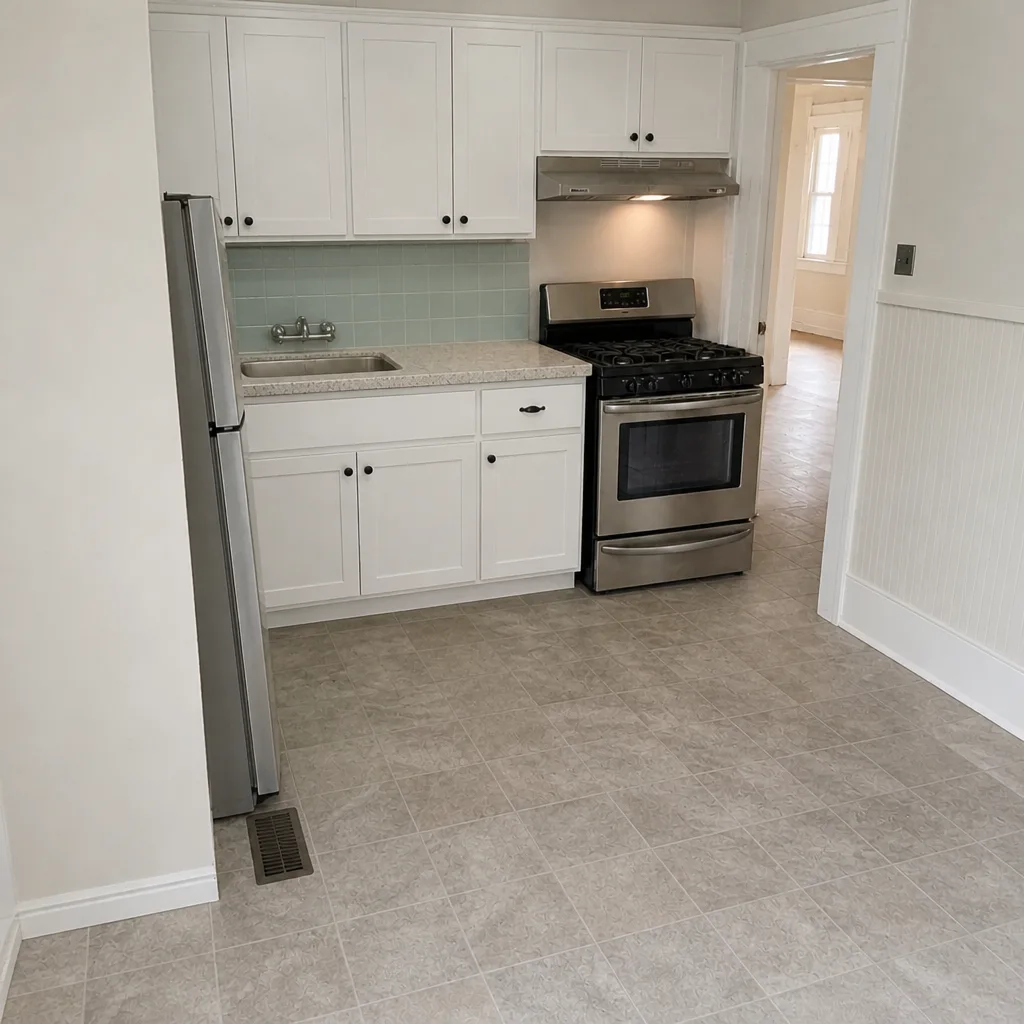
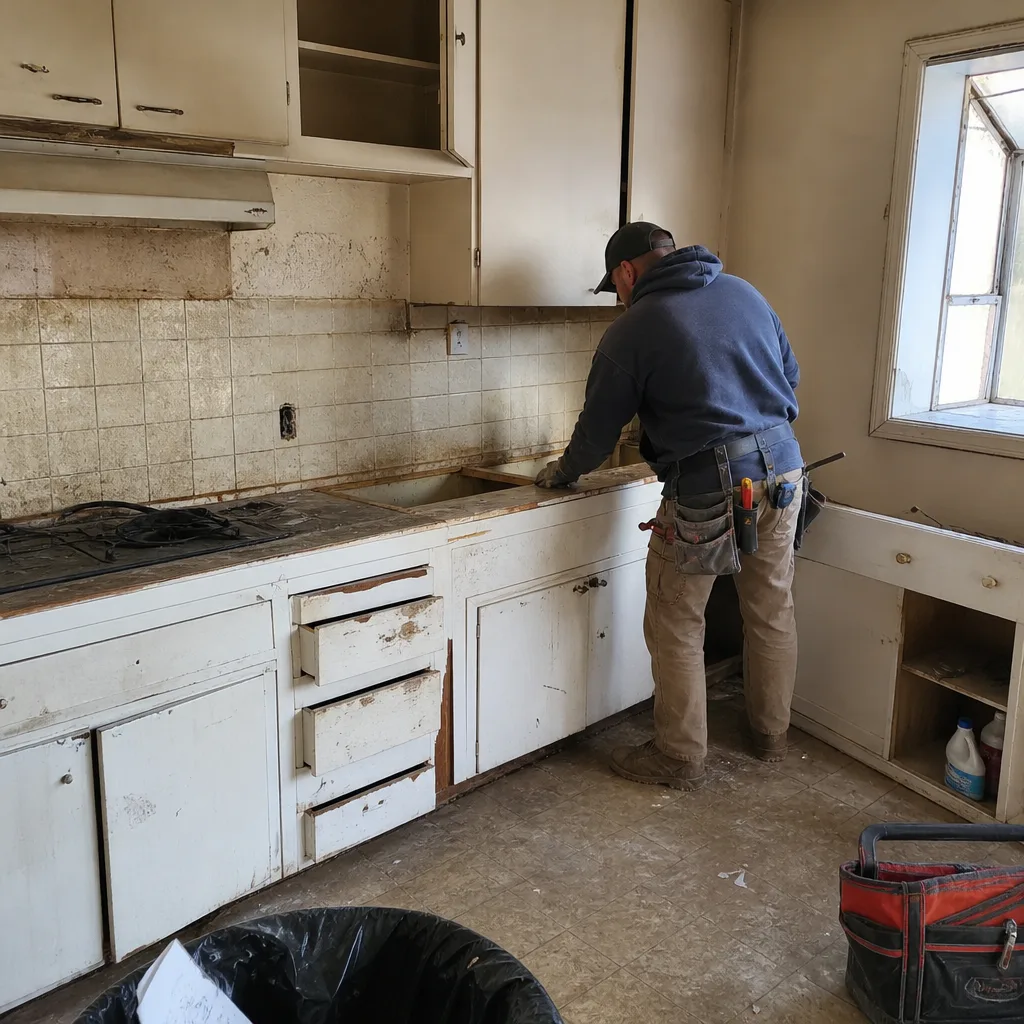
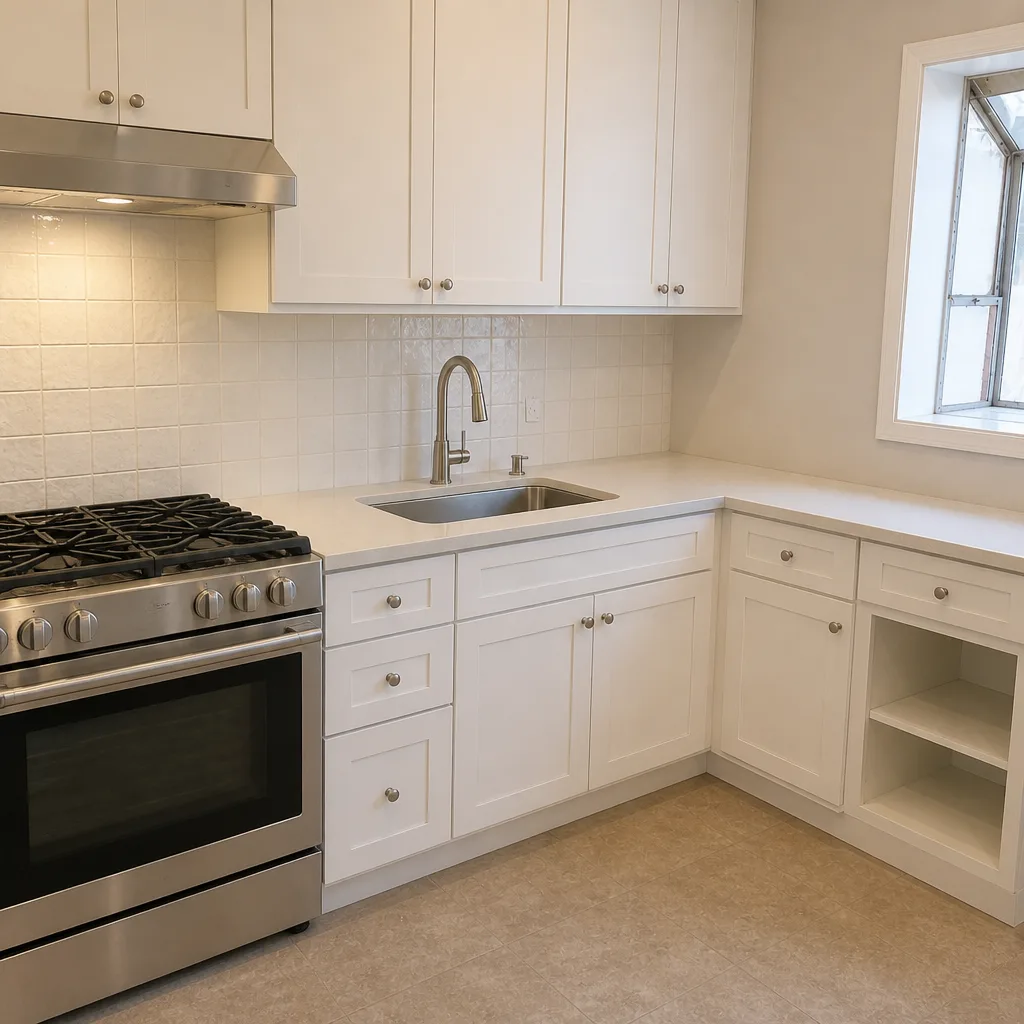
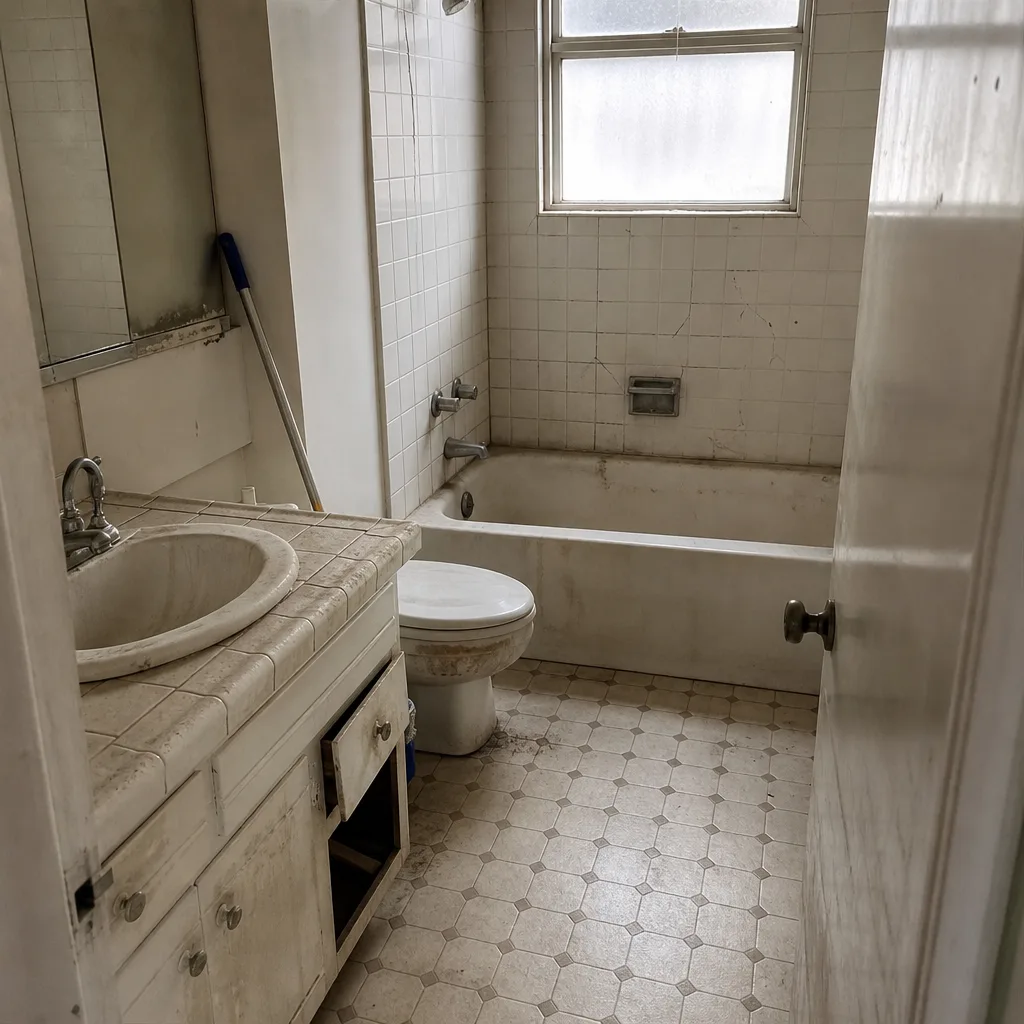
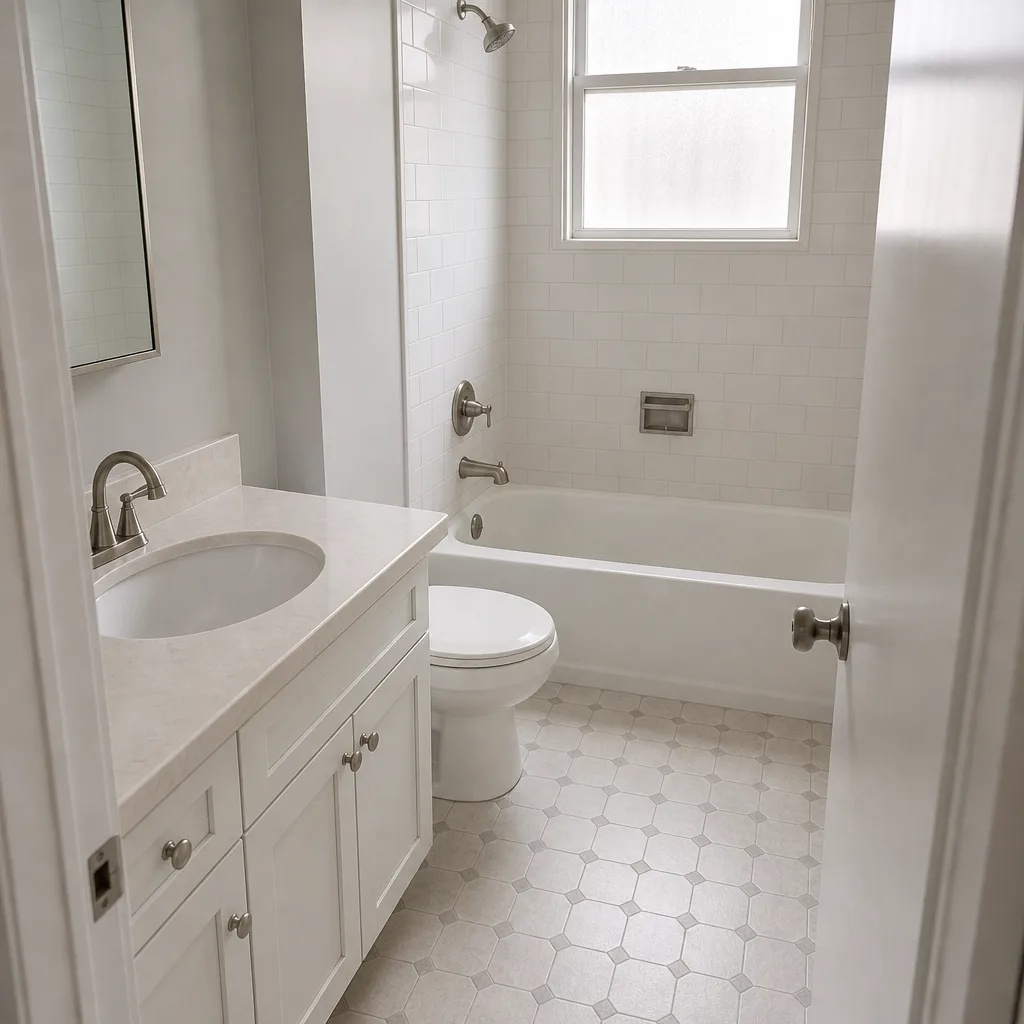
See the difference
 Before
 After
 Before
 After
 Before
 After
When to Call a Professional
Call a licensed contractor when you’re reviewing a written estimate and can’t tell whether the scope is complete; when permit drawings are missing an engineer of record; when framing is about to be covered before inspection; or when a contractor resists lien waivers or final inspection. Those are the moments where a second set of eyes saves the most money. We offer a free second opinion on any written estimate – bring a competitor’s quote and we’ll review it line by line at no charge, no pressure to switch. Rowan Construction Group San Francisco offers free estimates in San Francisco – call (844) 797-6388 to schedule yours. Our technicians have up to 19 years of experience, and every visit comes with a documented photo record.
Frequently Asked Questions
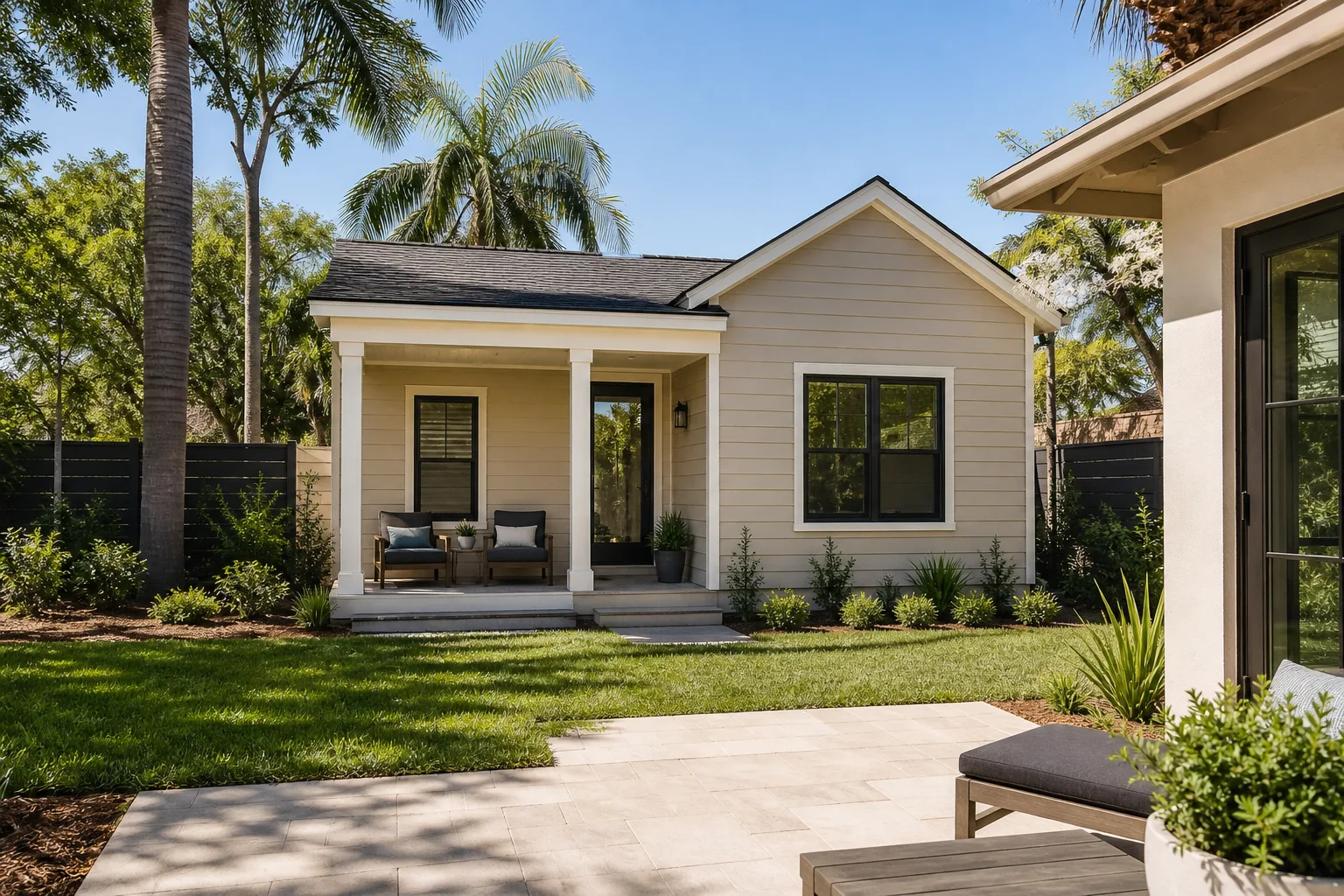
Most San Francisco ADU projects land in a wide range depending on whether it’s a garage conversion or a new detached unit, roughly $150,000 to $400,000 or more, with garage conversions at the lower end and new detached structures at the upper end. Permits, foundation work on a steep lot, and utility upgrades drive most of the variance. Call (844) 797-6388 for an exact written price before work begins – estimates are free.
No. For most residential improvement contracts, California limits the down payment to 10% of the contract price or $1,000, whichever is less. A contractor asking for 30% upfront is a serious warning sign. Ask for the payment schedule in writing before you sign.
The engineer of record is the licensed structural engineer whose stamp on the drawings means the structural design meets code and can be built. Without a stamp, or with a stamp from someone who can’t be reached, the design may not pass plan check or may not be buildable. Read the drawing set in the permit file before you sign the contract.
DBI plan check reviews the drawing set for code compliance, and ADU projects require detailed review of fire separation, egress, utilities, and sometimes steep-lot foundations. The queue can add months to a project. A written permit timeline with milestones is the protection you need so delays don’t become surprise change orders.
A lien waiver is the contractor’s written confirmation that they’ve been paid and won’t file a mechanic’s lien on your property. Ask for a conditional waiver with each payment and an unconditional one after the check clears. A contractor who resists providing them is signaling a messy paper trail.
No. The final inspection is what gets you the certificate of occupancy, and without it an ADU isn’t legally habitable and can complicate a future sale or refinance. Ask for the signed inspection card before you release the final payment. Call (844) 797-6388 if you need help reviewing a closeout.
The Bottom Line
Most ADU and home addition overruns start in the paperwork, not the framing. A lump-sum contract with no allowance schedule, permit drawings without an engineer’s stamp, a deposit above 10%, payments that run ahead of completed work, and a missing certificate of occupancy are the signals that a project is heading somewhere expensive. San Francisco adds its own pressure – months of plan check, steep lots, corrosive coastal air – which is why the written record matters more here. Read the contract and the permit file before you sign. Get a flat, written price with a written scope and a payment schedule tied to milestones. And if you’d like a second set of eyes on a quote, call (844) 797-6388 for a free estimate and a line-by-line review. Start at the Rowan Construction Group San Francisco home to see how we run every trade.
Written by the team at Rowan Construction Group San Francisco.