Last updated November 17, 2026
Free written scope consultation - allowances, timeline, and change-order rules on paper before a single trade is scheduled
How Long Does Fence Installation Take? Timelines and What to Expect
A 150-foot cedar fence can be stood up and finished in two working days. That same project routinely takes four to six weeks from signed contract to the last post being set, and the gap has almost nothing to do with how fast a crew swings a hammer. The time disappears into permit processing, utility marking, material lead times, and one or two site conditions that a bid never mentions out loud. This guide breaks the full schedule into phases you can actually measure, so you can hold any contractor in San Francisco to dates instead of a vague “a few weeks.”
Quick Answer
Fence installation in San Francisco usually takes 3 to 5 weeks from signed contract to completion for a typical wood or composite fence, and about 1 to 2 weeks for the physical build itself once materials are on-site and the permit is in hand. The largest variable is pre-construction: a San Francisco permit can take 3 to 10 business days (longer for anything visible from the street), the 811 utility locate is legally required 3 days before digging, and cedar or composite delivery can add another 5 to 15 business days. The crew’s build window is the shortest part of the timeline, not the longest.
Styles & brands we work with
- Kitchen remodeling
- Bathroom remodeling
- Home additions & ADU
- Roofing
- Windows & doors
- Driveway & pavers
- Fence
Table of Contents
- The full timeline, phase by phase
- Permits and utility marking: where the weeks go
- Material lead times by fence type
- How San Francisco soil changes your schedule
- HOA approval and shared-property surveys
- Installation day-count by fence type and length
- What a real written schedule looks like in a contract
- Frequently asked questions
The Full Timeline, Phase by Phase
Every fence project moves through the same six phases. The mistake homeowners make is treating the whole thing as one number. Break it apart and each phase has its own benchmark you can compare across bids.
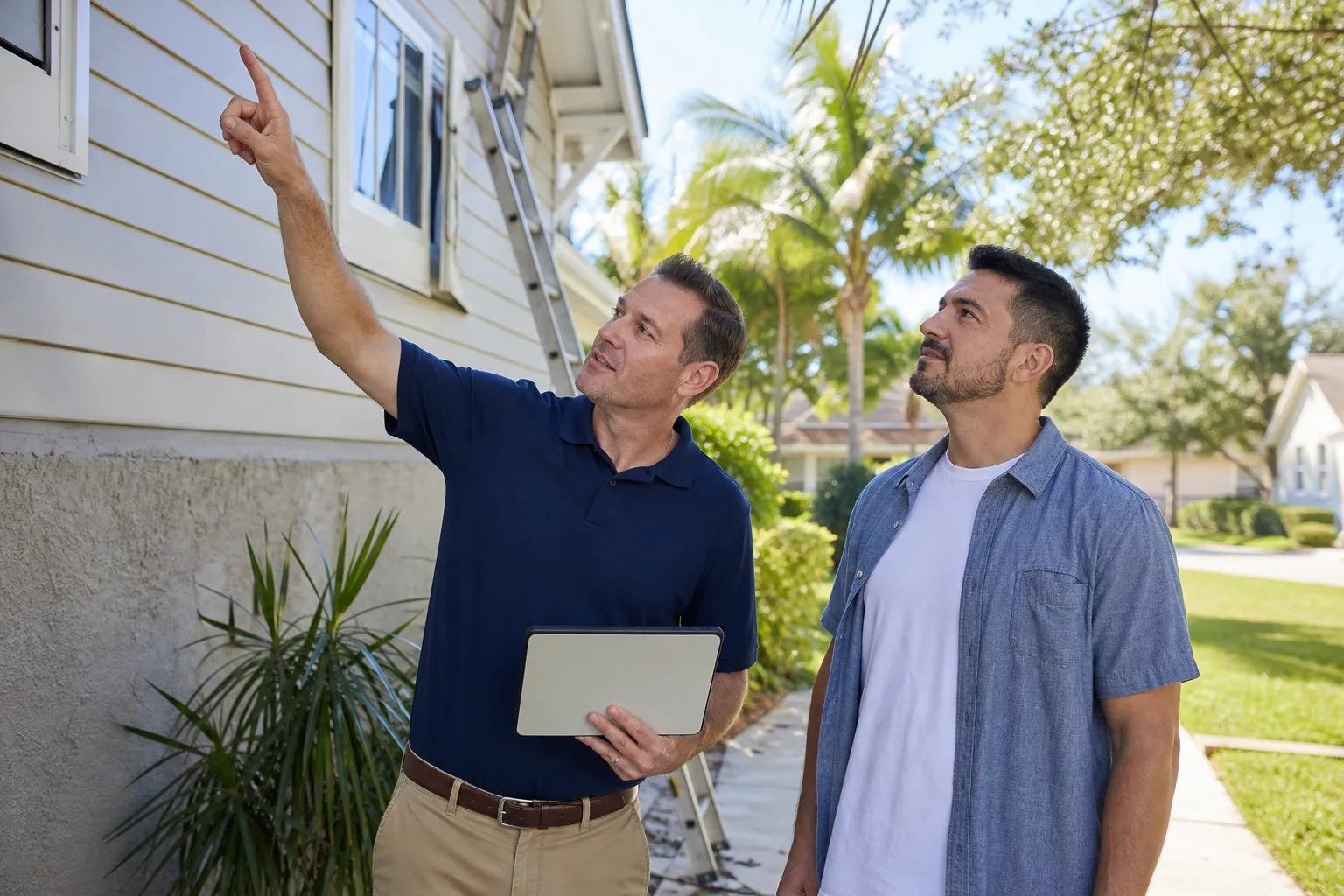
- Site assessment and signed contract (1 to 5 days). You walk the property line, confirm the material, and sign a scope with a written price. Under Clause 1 of The Haven Standard, that price is written before any work starts, and it should be a flat number on paper, not a range.
- Permit application and processing (3 to 10 business days in San Francisco). Over-the-counter for a standard privacy fence on a clear lot; longer if the fence sits on a street-facing side, on a corner, or in a historic district where planning review steps in.
- 811 utility locate (3 business days minimum by law). Before any post-hole is dug, the locating service must mark buried gas, water, electric and fiber lines. This step is not optional and no licensed contractor skips it.
- Material order and delivery (5 to 15 business days). Depends entirely on the material. Standard cedar is often in Bay Area yards; a specific composite color or a set aluminum panel system can be a custom order.
- Physical installation (1 to 3 days for most residential runs). Post setting, waiting for the concrete to cure, panel or picket installation, and gates.
- Walk-through and documentation (same day). A final inspection with the customer, a photo record of every post and panel, and the written warranty.
Add the days, not the weeks, and a realistic San Francisco project lands between 20 and 35 calendar days for standard material, or longer for anything custom. In our experience the two phases that most often blow a schedule are material delivery and utility marking conflicts, not the build.
Permits and Utility Marking: Where the Weeks Go
This is the part most bids leave out. A fence permit in San Francisco is required for most new fences and any fence over six feet, and the review clock starts when the application is complete, not when you first called the contractor. A clean over-the-counter permit for a rear-yard privacy fence can clear in 3 to 5 business days. A street-facing fence, a corner-lot fence, or a property inside a historic district can take two or three times that, because planning staff have to confirm it meets height, setback and design rules for the district. We’ve seen a Washington Street address run 12 business days for a street-facing fence that would have cleared in 4 days in the backyard.
Utility marking runs in parallel if your contractor is organized, and causes chaos if they aren’t. The 811 locate request must be filed at least 3 business days before the first shovel goes in. If a marked line sits in the middle of a post run, the crew has to hand-dig or shift posts, which adds a day. Every honest proposal should show both the permit pull and the utility locate as line items with dates, not buried in “site prep.”
Before you sign anything, ask two questions: who pulls the permit, and what date does the utility locate get submitted. If a contractor can’t answer both, they’re guessing at the schedule they just handed you.
Material Lead Times by Fence Type
Material is the single most unpredictable phase of a fence project, and it’s the one homeowners most often dismiss. A contractor can promise a start date; only the supply yard controls whether material shows up. The ranges below reflect what we see across Bay Area supply for standard residential fence lines.
- Western red cedar (standard pickets and rails): 5 to 10 business days. Most common residential fence material in San Francisco; frequently stocked locally, so the short end applies if you’re flexible on board grade.
- Composite (Trex, Fiberon and similar panel systems): 10 to 15 business days. Color selection and panel lengths matter here; a run in a less-common color can push to the back of the production queue.
- Aluminum and steel panel fencing: 10 to 20 business days. Often a custom-cut order; ask your contractor whether the panel lengths are stock or made to your run.
- Chain-link (galvanized or vinyl-coated): 3 to 7 business days. Fastest of the standard materials; the frame and fabric are usually available from any commercial supplier.
Ask for the material order date and the delivery window in writing. That single line item tells you more about whether a fence will finish on time than any verbal promise. If you’re weighing fence against other exterior projects, it’s worth comparing the schedule to a larger scope like Home Additions & ADU in San Francisco, where material sequencing decides the timeline even more directly.
How San Francisco Soil Changes Your Schedule
Post setting is where San Francisco’s geology earns its reputation. Much of the city sits on expansive clay, and in neighborhoods like Noe Valley, the Inner Sunset and Bernal Heights, the clay swells and shrinks with the wet and dry seasons. Post holes dug into that soil need concrete that has cured enough to resist a side load before the panel goes up, and the cure window is not the same as a simple 24 hours.
Two conditions genuinely change the day-count:
- Expansive clay: posts should be set in a concrete mix drawn to the soil, and the crew needs one to two days of extra cure time before picking up panels on the posts. A contractor who sets and immediately panels on wet clay will hand you a fence that leans by the first rainy season.
- Bedrock and rock shelves: homes on the slopes of Twin Peaks, Diamond Heights and parts of the Sunset hit hard material in the post hole. Hand-digging slows to a crawl and, on some lots, posts have to be set with a rock-pin anchor rather than a full pour. That can add half a day to a full day for every fifteen to twenty feet of run.
The fix is a soil-aware method, not a faster one. For expansive clay, a gravel-pack method (a wider hole backfilled with crushed rock instead of a full concrete pour) is often used because it gives water somewhere to go. Ask which method is planned for your lot, and don’t accept “whatever’s easiest” as an answer. The same care with what’s under the ground is what makes a good base for Driveway & Pavers in San Francisco, where the subgrade decides how long the surface lasts.
HOA Approval and Shared-Property Surveys
Two administrative steps can quietly add a week or more to a fence schedule, and neither belongs on a contractor’s clock.
HOA approval applies to many townhome and condo communities around the city and to newer developments in the eastern neighborhoods. The board has to review the material, height and color against the community standard, and that review often runs 7 to 14 calendar days on its own schedule. A fence that fails board review has to be redesigned, so get written approval before the material order, not after. If the paperwork is submitted in parallel with the permit, the two clocks overlap.
Shared-property surveys matter on any fence that sits on or near a property line. If the survey shows the line isn’t where the existing fence sits, the project needs a boundary decision with the neighbor before work begins. That discussion can run from a phone call to a couple of weeks. On a San Francisco lot where fences routinely sit tight against a neighbor’s unit, a 6-inch discrepancy is enough to stop the crew on day one.
Any proposal that doesn’t mention HOA approval or a survey has either confirmed your fence isn’t affected or haven’t thought about it. Make them tell you which. On larger projects, the same administrative care is what makes a whole Fence Installation in San Francisco project run on a schedule you can hold them to.
Installation Day-Count by Fence Type and Length
Once material is on-site and the permit is posted, a two- to three-person crew moves fast. Here’s the range to expect for standard residential heights, set on good ground with a normal post spacing.
| Fence type | 50 to 100 linear ft | 100 to 200 linear ft |
|---|---|---|
| Wood (cedar pickets, with gates) | 1 to 2 days | 2 to 3 days |
| Chain-link | 1 day | 1 to 2 days |
| Composite (panel system) | 1 to 2 days | 2 to 4 days |
Add a day for anything on rock, for a lot on a steep grade, or for a fence line that has to be torn out and removed before the new one goes in. A run with more than two gates adds part of a day because each gate needs its own hardware set and hinge-side post. The physical build is genuinely fast; the schedule is set almost entirely in what came before it.
What a Real Written Schedule Looks Like in a Contract
Ask any contractor for a written schedule and you’ll get one of two documents. One has dates. The other has weather clauses. The difference tells you whether you can hold them accountable.
A schedule you can actually use has these features:
- Named milestones with calendar dates for permit submission, utility locate submission, material order, delivery, and installation start.
- A stated material delivery window with the supplier or order date noted.
- Weather language limited to wet-season site conditions, not “weather permitting” as a blanket excuse for any delay. Rain can pause a dig day in San Francisco; it doesn’t justify a three-week slide.
- A change-order process in writing. Nothing on the schedule changes without a signed change order, which is exactly how Rowan keeps projects within a few percent of the agreed number.
- A printed warranty and photo record as standard deliverables, not add-ons.
Two contractors quoting the same fence can present schedules that differ by three weeks. The difference is almost always which phases they’ve shown you, not how fast their crew works. It’s the same principle that applies when you’re planning any exterior project from the ground up, as we cover in the Rowan Construction Group San Francisco home page and every written scope we hand over.
Common Mistakes to Avoid
- Choosing a bid on the build price alone. A bid that skips the permit and utility fees is not cheaper; those costs come back as change orders after work begins. Ask for a flat, written, all-in price before comparing two numbers.
- Starting the material order before HOA approval. Around San Francisco’s townhome communities, this is the single most common way a fence project stalls. Get board approval in writing first.
- Skipping the 811 locate “because it’s a small fence.” A gas or fiber line two feet into a post hole is not a small problem. The 3-day locate window is not optional, and the crew that skips it is a liability.
- Trusting a schedule with no dates. “A few weeks, weather permitting” is not a schedule. Every milestone should have a calendar date on the written proposal.
- Ignoring the property line. In Bernal Heights and Noe Valley, existing fences often sit a few inches off the recorded line. Have the boundary confirmed before the crew digs.
- Paneling posts on green concrete. On San Francisco’s expansive clay, this shortcuts the cure time and hands the fence to the wet-season tilt. Ask what the post-setting method is and how long the posts sit before panels.
- Accepting a verbal warranty. Get the warranty in writing, and confirm you’ll receive a photo record of the posts and panels as part of the job, not as a paid upgrade.
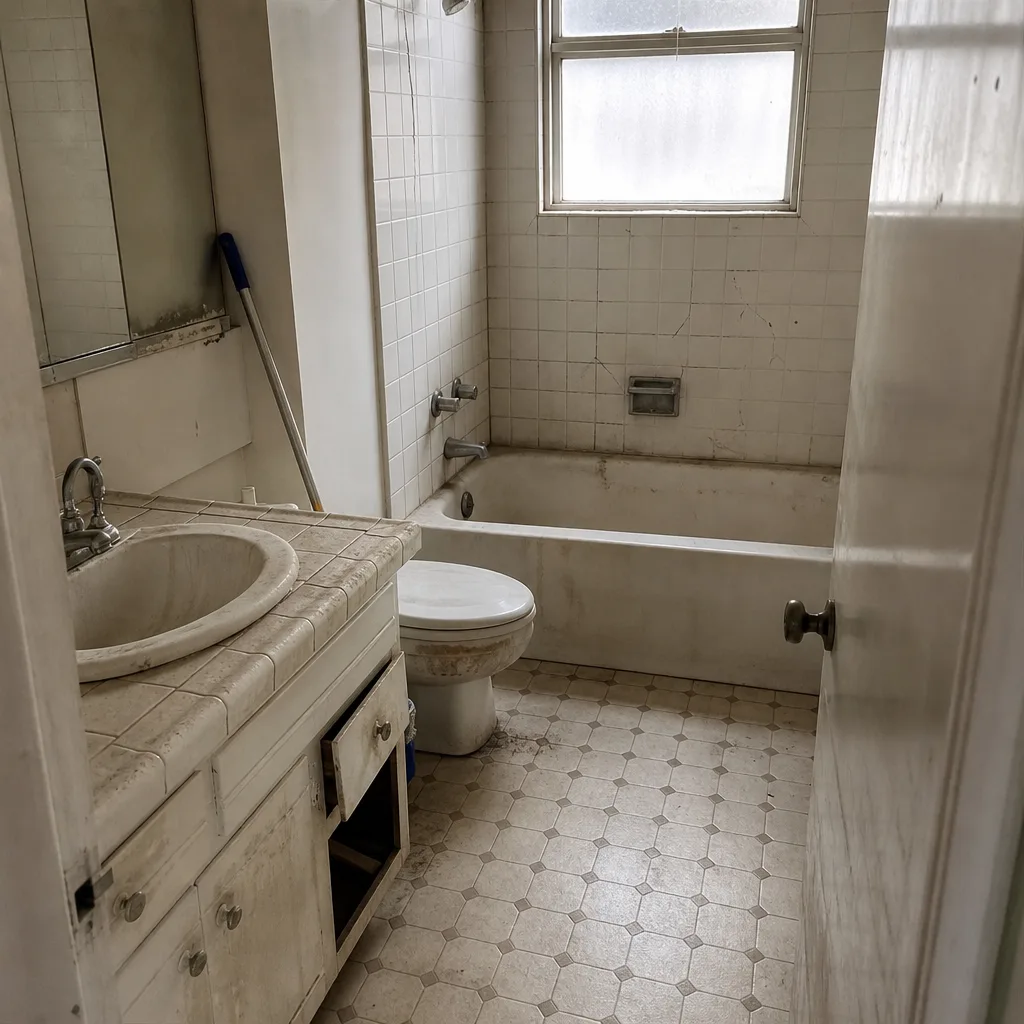
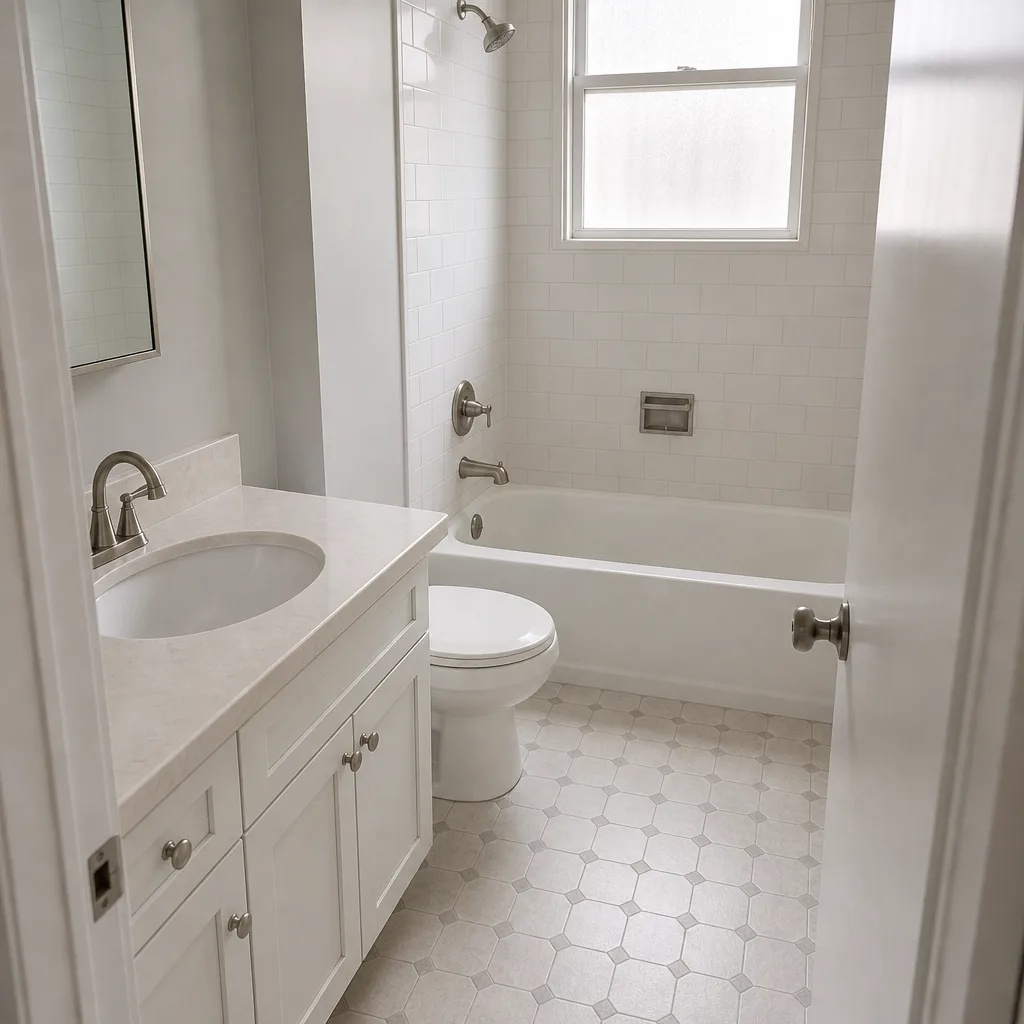
See the difference
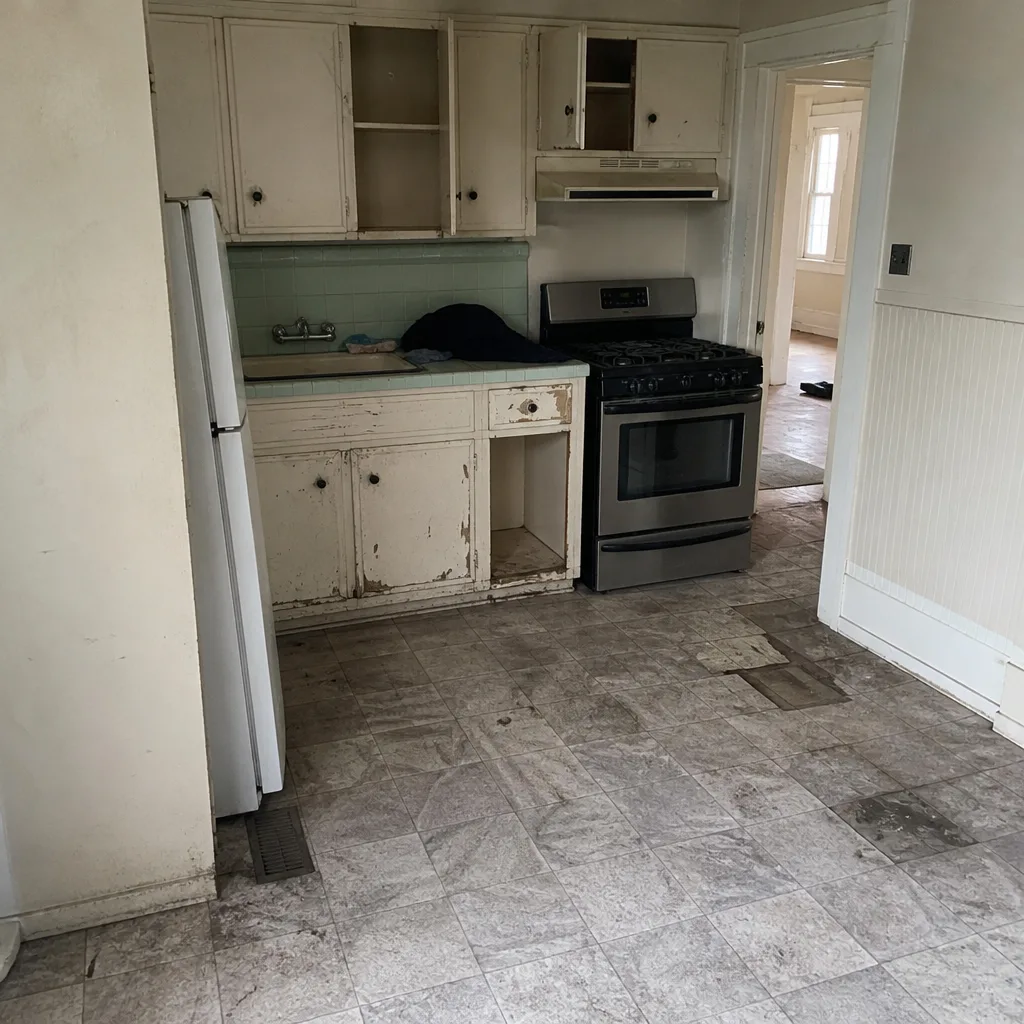 Before
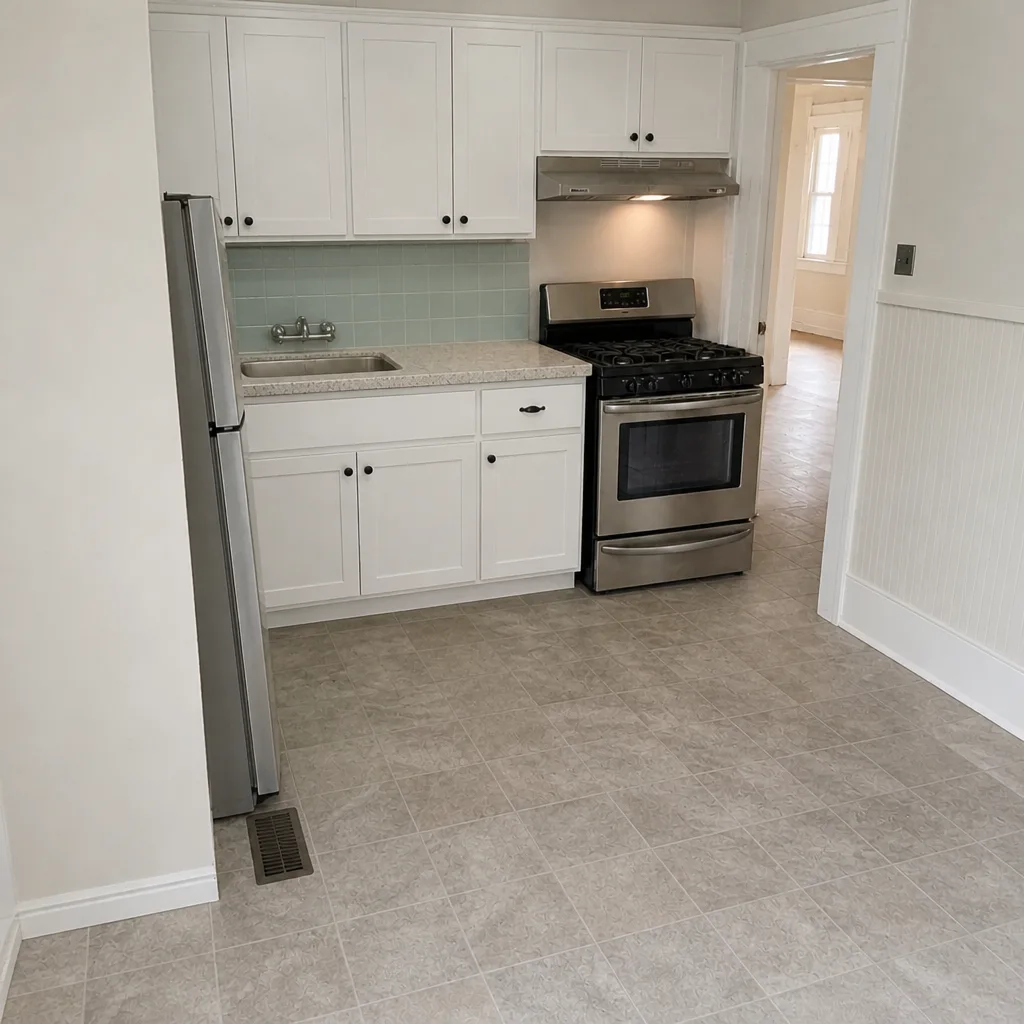 After
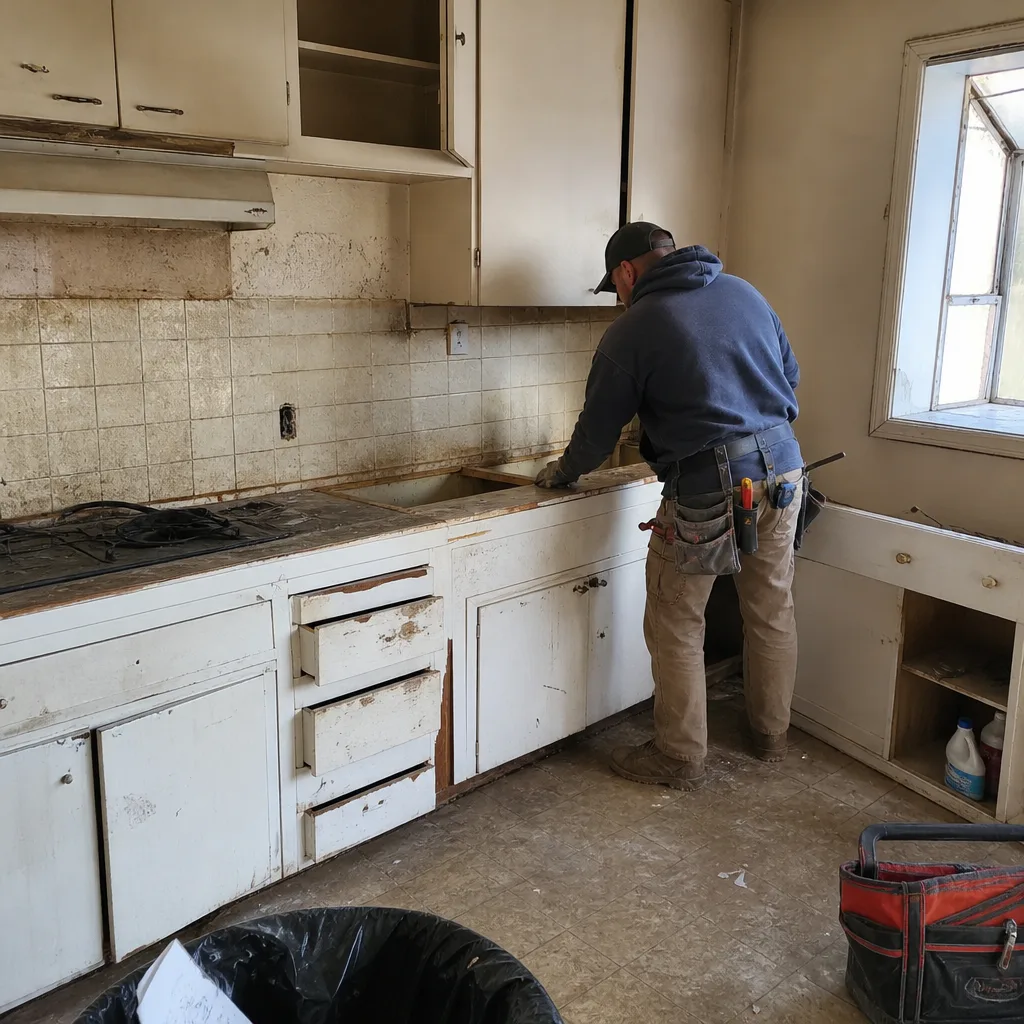 Before
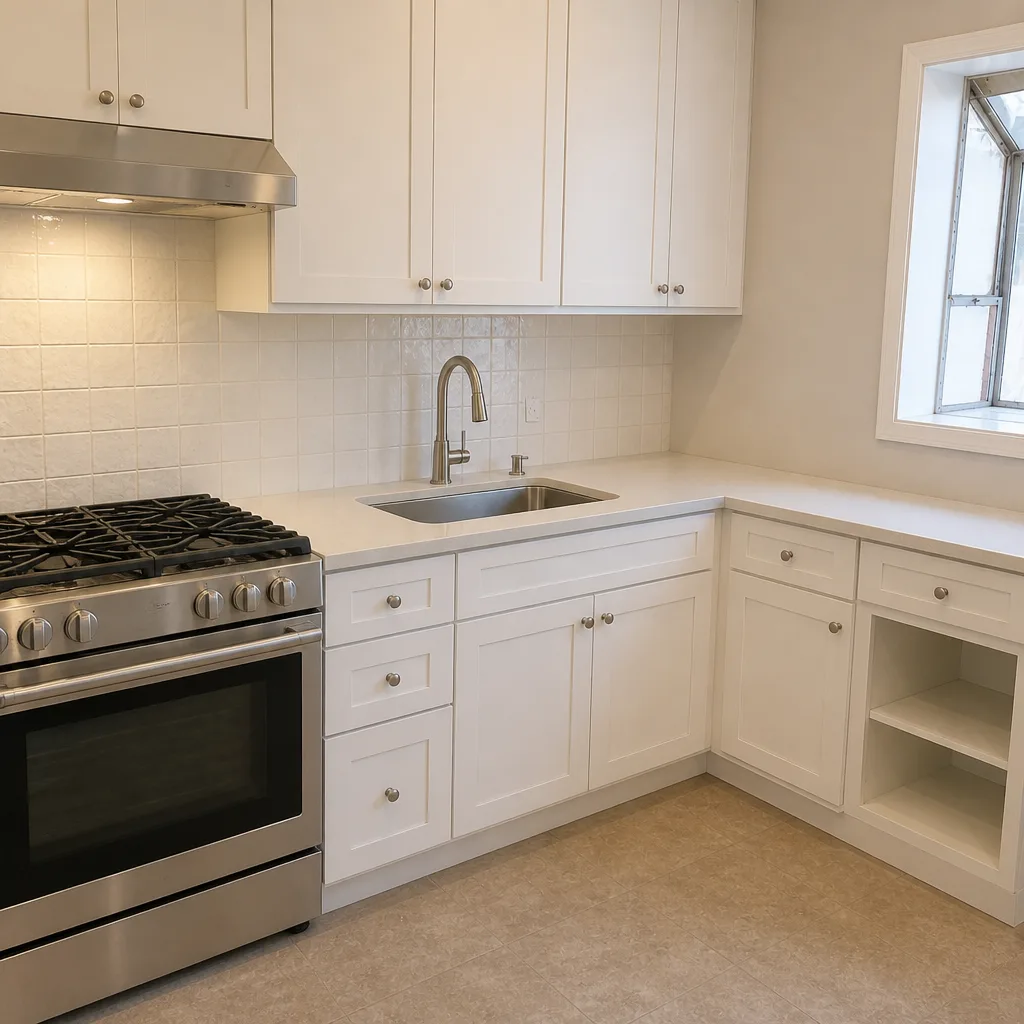 After
 Before
 After
When to Call a Professional
Some fence work is genuinely a homeowner decision; a post on expansive clay, a permit on a street-facing lot, or a run near a buried gas line is not. Call a professional when the fence line crosses a recorded property boundary, when the lot grades sharply enough that posts need an engineered anchor, or when the material choice (composite, aluminum, or a specific cedar grade) requires a custom order with a lead time you can’t schedule around. If a prior crew set posts without a locate and now the panels are bowing, a second opinion is cheaper than a rebuild. Rowan Construction Group San Francisco offers free estimates in San Francisco, with a written price and a written schedule before any work begins. Call (844) 797-6388 to schedule yours, or bring a competitor’s quote and we’ll review it line by line at no charge.
Frequently Asked Questions
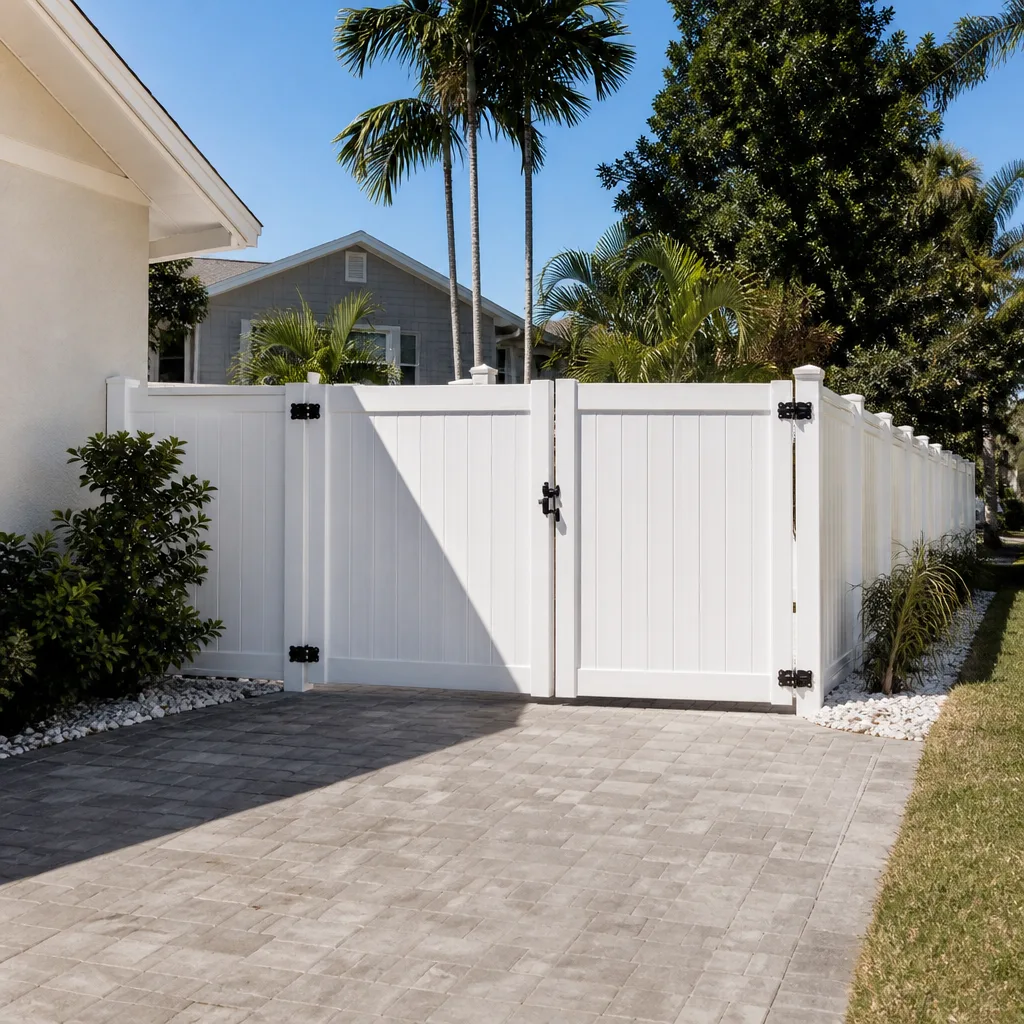
Most wood, composite or chain-link fences in San Francisco take 3 to 5 weeks from signed contract to completion, with the physical installation itself taking 1 to 3 days once material is on-site and the permit is posted. The bulk of the calendar is permit processing, utility marking, and material lead time. Call (844) 797-6388 for a written schedule with actual milestone dates.
A short chain-link or simple cedar run can be physically installed in one day, but the full project can’t, because the permit (3 to 10 business days in San Francisco) and the 811 utility locate (3 days minimum) must happen first. Beware any contractor who says the whole job is a one-day event; they’re almost certainly skipping the permit.
Roughly 20 to 30 percent. A 150-foot wood fence is a 2- to 3-day build for a two- to three-person crew. The other four-plus weeks are permit review, utility marking, material delivery and post cure time. Ask any contractor to break out the build days separately from the pre-construction days; the honest ones will.
Most new fences and any fence over six feet require a permit in San Francisco, and street-facing or corner-lot fences often need planning review for height and design. Permit review typically takes 3 to 10 business days when the application is complete. Confirm in writing that your contractor pulls the permit; a fence installed without one can be required to come down.
It shouldn’t. A written, flat price with a written scope should hold, and any change to the scope requires a signed change order before work proceeds. That change-order discipline is the reason Rowan’s projects finish within a few percent of the agreed number. Call (844) 797-6388 for a free second opinion on any competitor’s written estimate.
Yes. A written scope from Rowan includes the permit pull and 811 utility locate as scheduled line items with dates, not buried in “site prep.” Our technicians have up to 19 years of experience, and every visit includes a documented photo record as standard so you have evidence of what was found and what was done before you’re billed.
The Bottom Line
Fence installation timelines in San Francisco are set by the phases most bids leave out. A realistic residential project runs 3 to 5 weeks from contract to final walk-through: 3 to 10 business days for the permit, at least 3 days for the utility locate, 5 to 20 business days for material depending on the fence type, and 1 to 3 days on-site for the build. Expansive clay and bedrock post-setting add cure time and can lengthen the build; HOA approval and shared-property surveys add administrative days that don’t belong on a contractor’s clock. Hold any contractor to a written schedule with named milestone dates and a change-order process. That’s the number that decides whether the fence gets finished when they said it would.
Ready to price a fence with the timeline in writing before anyone picks up a tool? Rowan Construction Group San Francisco puts a flat written price, a written schedule and a written warranty in your hands before work begins. Call (844) 797-6388 for a free estimate.
Written by the team at Rowan Construction Group San Francisco.