Last updated November 17, 2026




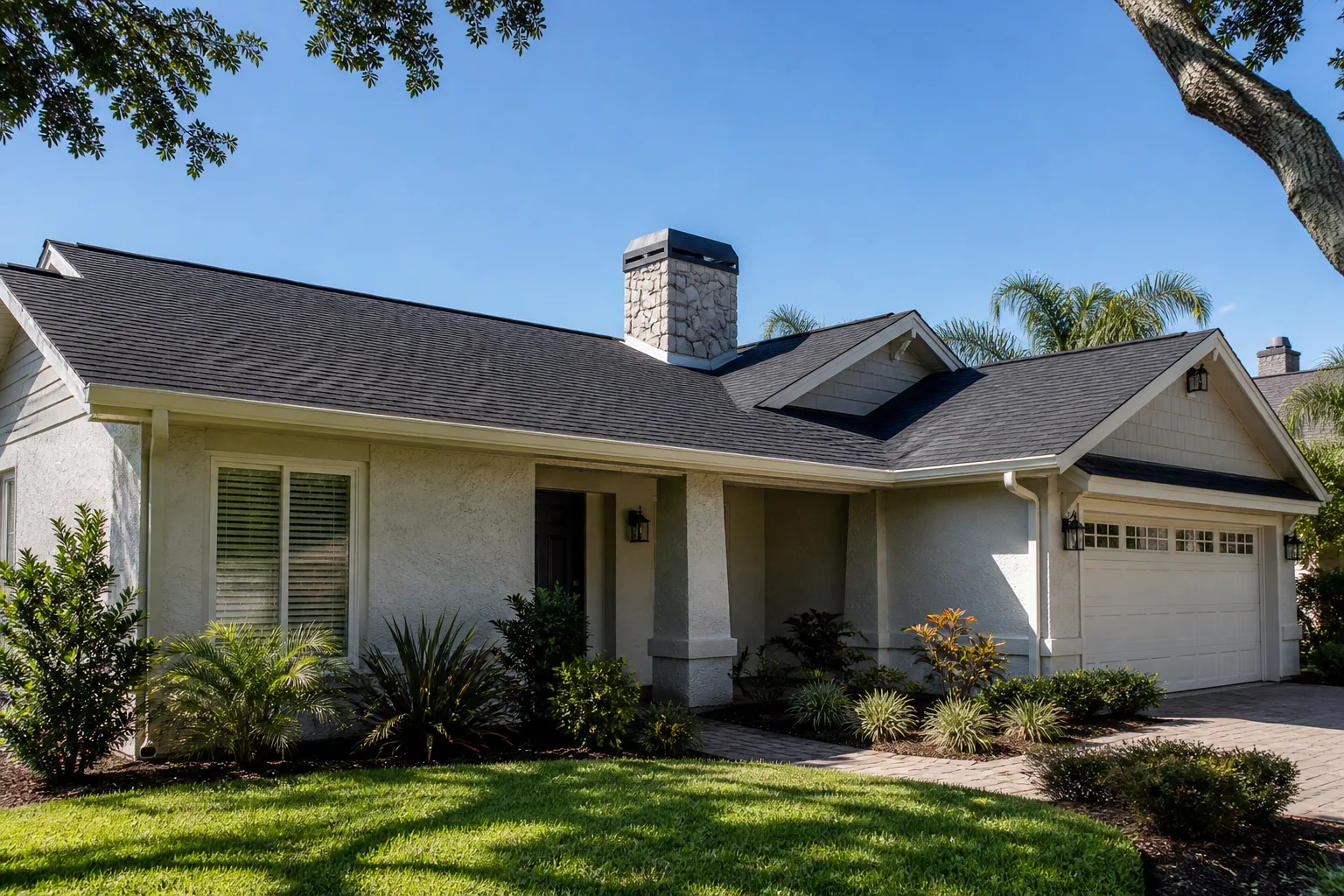
Free written scope consultation - allowances, timeline, and change-order rules on paper before a single trade is scheduled
How to Hire a Construction Contractor in San Francisco: A Step-by-Step Guide
California law requires a written contract for any home improvement job over $500, but it says almost nothing about what that contract has to contain. That gap is where most San Francisco renovation disputes begin. Homeowners sign agreements that leave change order pricing undefined, lien release timing unstated, and permit responsibility unassigned, then discover the problem four months in when the framing is up and the money is gone. This guide walks through the document review that should happen before you sign: how to verify a CSLB license in two minutes, the five documents to request before the first bid, how to spot what a low bid omits, and how to read a San Francisco permit trail.
Quick Answer
To hire a construction contractor in San Francisco, verify their CSLB license number and classification at cslb.ca.gov before anything else, collect five documents (general liability insurance, workers’ comp certificate, subcontractor list, sample change order form, and references complete with permit numbers), and compare bids line by line against a written scope. The right contractor hands you all of it without being asked twice, and puts a flat written price in front of you before any work starts.
Styles & brands we work with
- Kitchen remodeling
- Bathroom remodeling
- Home additions & ADU
- Roofing
- Windows & doors
- Driveway & pavers
- Fence
Table of Contents
- Step 1: Verify the CSLB License in Under Two Minutes
- Step 2: Request Five Documents Before the First Bid
- Step 3: Read the Bid for What’s Missing
- Step 4: The Signed Change Order Discipline
- Step 5: Does the Contractor Understand San Francisco DBI?
- The Red-Flag Interview Checklist
- Common Mistakes to Avoid
- Frequently Asked Questions
Step 1: Verify the CSLB License in Under Two Minutes
Every licensed contractor in California carries a license number, and the Contractors State License Board publishes the whole record for free at cslb.ca.gov. Type the number into the license lookup and you see the status, the classification, the bond on file, and whether any complaints or disciplinary actions are attached. Two minutes of reading replaces an hour of polite conversation. Do this before the contractor steps onto your property for a San Francisco walkthrough.
The classification letters matter more than most homeowners realize. They tell you which work the contractor is legally allowed to perform:
- Class B (General Building Contractor) can take a prime contract on a project involving two or more unrelated trades, such as a kitchen remodel with framing, electrical, and tile. This is the classification to look for on a whole-house scope.
- Class C-8 (Concrete) covers slabs, foundations, and driveways. A C-8 licensee cannot legally pull the electrical permit on your addition.
- Class C-33 (Painting) handles interior and exterior coatings only. It is a specialty license, not a general one.
- Class C-36 (Plumbing) and Class C-10 (Electrical) are the trades you’ll see on the subcontractor list for most San Francisco remodels.
A contractor bidding on a full kitchen rebuild with a Class C-33 license is bidding outside the scope of their license, and any contract you sign with them for that work is unenforceable in court. Check the classification against the job in front of you, not just the status field. We’ve reviewed bids where the license was active and clean but simply didn’t cover the work being quoted, which is a harder mistake to catch than a suspended license.
For a full picture of what licensed general contracting covers across the trades, see our Rowan Construction Group San Francisco home page, which outlines the seven residential trades we quote on flat written pricing.
Step 2: Request Five Documents Before the First Bid
Ask for these before you discuss a number. A contractor who can produce all five in a day is organized; one who stalls on two or three is telling you something. None of these documents is unusual, and a legitimate San Francisco contractor will have them filed and ready.
- Proof of general liability insurance. Call the insurer’s number on the certificate and confirm the policy is active and covers residential work. Certificates are easy to forge; a two-minute phone call to the carrier is not.
- Workers’ compensation certificate. If the crew is not covered and someone gets hurt at your address, your homeowner’s policy can end up in the claim. Read the certificate for the policy period and the named insured.
- Subcontractor list. San Francisco kitchens and additions rarely go one-contractor deep. You want names, license numbers, and which scopes each sub covers. Cross-check every license number on the CSLB site the same way you checked the prime contractor.
- Sample change order form. This is the document that decides whether your project stays on budget. A real change order has a scope description, a dollar amount, a schedule impact, and a signature line for both parties. A contractor who works from verbal agreements has no form to show you.
- References with permit numbers. Ask for three references from the last eighteen months whose projects required San Francisco DBI permits, and ask for the permit numbers. Pull each permit on the DBI online portal and check the final inspection status. A reference with a closed permit and a passed final inspection is worth more than five glowing paragraphs.
Those permit numbers are the part most homeowners skip, and they’re the part that most reliably exposes a contractor who talks well and files poorly. An open permit from two years ago tells you the job stalled or failed inspection, whatever the reference on the phone says about it.
Step 3: Read the Bid for What’s Missing
The lowest bid in San Francisco is almost always the least complete one. Not because the contractor is dishonest, but because the number that wins the job is the number with the fewest line items on it. Three categories go missing on low bids over and over, and each one adds real dollars after the contract is signed.
- Permit fees and DBI plan review costs. San Francisco permit fees scale with project valuation, and a kitchen remodel in Noe Valley can run into the thousands before a single wall comes down. A bid that lists permits as “TBD” or “by owner” is pushing that line to you.
- Debris haul-out and disposal. Demolition weight is real. A 1920s Inner Sunset kitchen with a plaster wall and a tile floor generates hundreds of pounds of waste. Haul-out and dumpster rental run several hundred to a few thousand dollars, and it appears on the back end of surprise invoices.
- Temporary protection. Floor protection, dust barriers, and stair guards are standard on a real remodel and absent from a cheap bid. On a San Francisco Victorian with original fir floors, a missing protection line is a five-figure mistake waiting on the first delivery.
Read every bid against the same written scope. If one contractor lists twelve line items and another lists six, the gap tells you which questions to ask. Ask them in writing and get answers in writing. A bid that cannot survive that comparison is not a lower bid, it’s an incomplete one.
Step 4: The Signed Change Order Discipline
Any contractor who says “we’ll sort it out later” or “don’t worry about a change order for something this small” is a financial risk, not a flexible partner. In our experience across thousands of projects, the budgets that hold are the ones where every change, no matter the size, gets a written order with a dollar figure and a signature before a tool touches the wall. Under Clause 1 of The Haven Standard, the price is written before anyone starts, and that same discipline applies the moment a change is proposed.
Here’s why it matters. On any San Francisco remodel, changes arrive: the wall behind the tile isn’t square, the electrical panel at the back of the house needs an upgrade to hold a new induction range, the original window has rot that wasn’t visible until the trim came off. Each of those is a real cost, and each is legitimate to charge. The question is not whether a change happens. The question is whether the cost was agreed in writing before the work, or discovered on the final invoice after the work.
Ask every contractor you interview how they handle a change that emerges mid-project. The right answer describes a form, a written scope, a price, and two signatures. The wrong answer is a shrug. A signed change order is also the document that protects you if the relationship sours, because it converts a verbal argument into a paper trail.
This discipline is one of the reasons our crews finish within a few percent of the agreed price across thousands of jobs. For scopes where change orders matter most, our Home Additions & ADU in San Francisco page explains how a written scope is built for a project that touches structure, electrical, plumbing, and finish.
Step 5: Does the Contractor Understand San Francisco DBI?
San Francisco’s Department of Building Inspection (DBI) runs a review process that trips up contractors who work in other Bay Area cities. Over-the-counter permits are limited to small scopes. Additions, structural work, and most ADUs go through plan review, and a contractor who hasn’t moved drawings through DBI recently will underestimate both the timeline and the cost of getting to the first inspection. Ask how they handle a plan check with a corrections cycle. A good contractor describes the process and the timeline without hesitating.
The permit path differs by scope. A like-for-like kitchen cabinet swap in a Richmond District condo can move through a minor permit. An ADU in the outer Sunset, or a window replacement on a building subject to San Francisco’s strict exterior rules, requires a more involved review. We’ve seen projects stall for weeks because the contractor filed under the wrong scope and had to resubmit. If your contractor names DBI by its process (online permit system, plan review, field inspection), that’s a good sign. If they talk vaguely about “the city” and “getting it approved,” ask for specifics.
For scopes that involve grading, drainage, or a hardscape buildup, see Driveway & Pavers in San Francisco, which covers the permit and soil considerations specific to San Francisco properties, and Fence Installation in San Francisco for the height and setback rules that apply on this city’s narrow lots and shared property lines.
The Red-Flag Interview Checklist
The interview is where you separate a contractor who works San Francisco from one who works anywhere. These are the seven answers that should end the conversation, or at least prompt a second look:
- They can’t name the DBI permit type that applies to your job.
- They say they’ll “get the permits handled” but won’t put a line item for permit fees in the bid.
- They have no sample change order form to show you.
- Their references don’t come with permit numbers.
- They can’t describe how they’d handle a corrections cycle after plan review.
- They won’t put the price and scope in writing before work starts.
- They can’t name the licensed subs who’ll perform the electrical, plumbing, or structural work.
One of these in isolation is worth a question. Three of them together tells you the contractor hasn’t run a San Francisco DBI project recently, or doesn’t want to.
Common Mistakes to Avoid
- Comparing bids without comparing scopes. A $40,000 kitchen bid and a $60,000 kitchen bid next to each other tell you nothing unless both have the same written scope. Build the scope first, then bid to it.
- Accepting verbal change orders. On a San Francisco Victorian, the first unexpected wall opening is where verbal agreements cost the most. If it isn’t in writing, it isn’t agreed, and it isn’t your price.
- Skipping the permit check on references. A reference who loved the work but whose permit was never finalized tells you almost nothing. Pull the permit on the DBI portal and read the inspection history.
- Ignoring the class of license. Hiring a C-33 painter to handle a structural window replacement in a pre-1950 building is a licensing problem and a code problem at the same time.
- Taking “we’ll pull the permits later” at face value. In San Francisco, permits that get pulled later usually mean work that already went in. That’s a stop-work order waiting to happen.
- Not asking about liability coverage limits. A certificate with a $300,000 limit on a $150,000 remodel leaves a gap. Ask for the limit, not just the certificate.
- Paying a large deposit up front with no written schedule. A written payment schedule tied to milestones is standard on real projects. A request for half the money at signing, before any documented scope, isn’t.
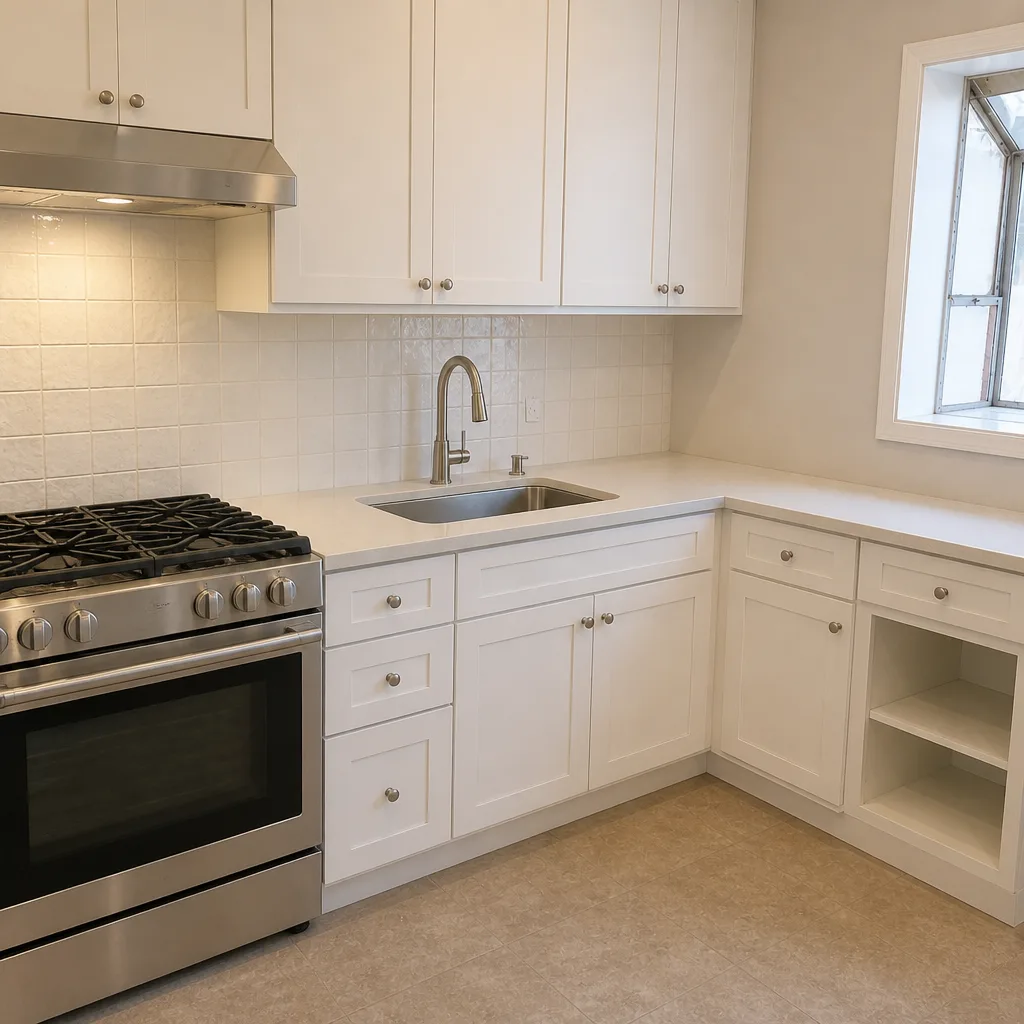
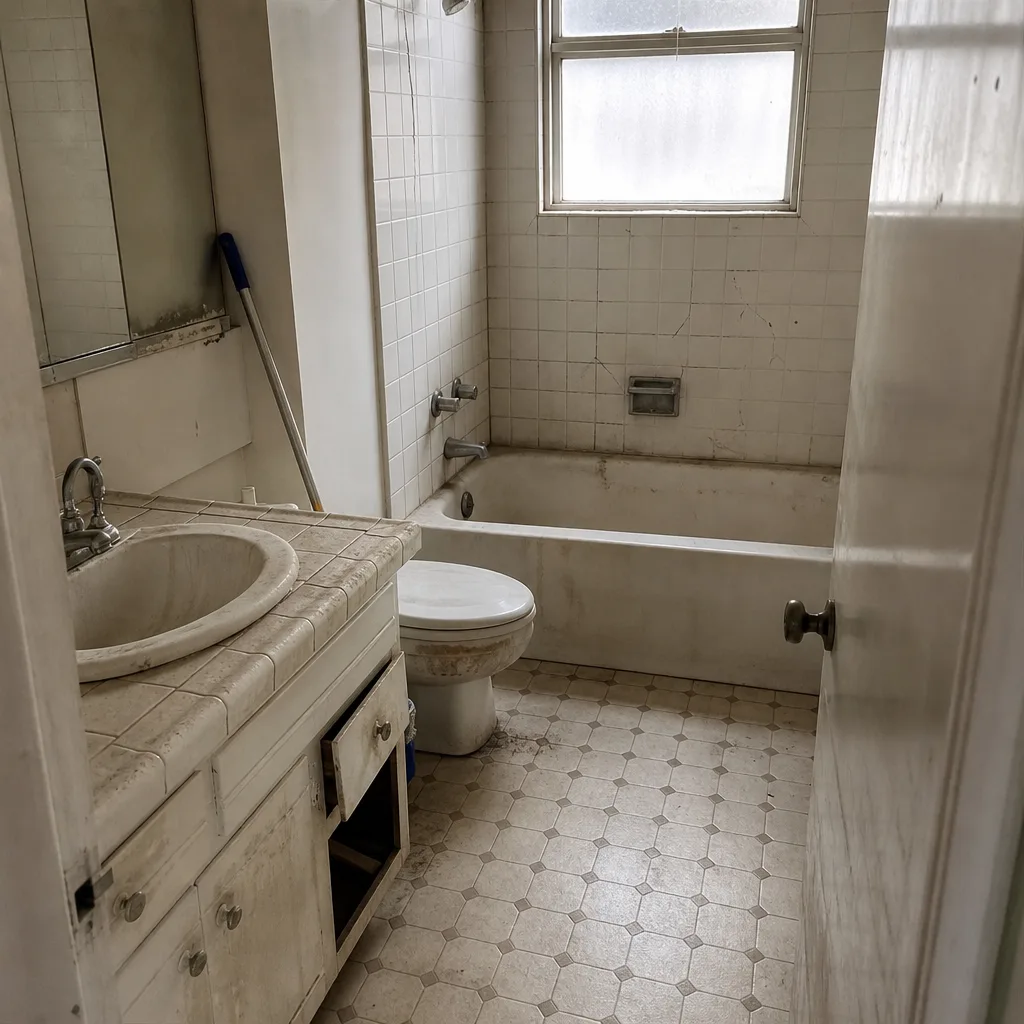
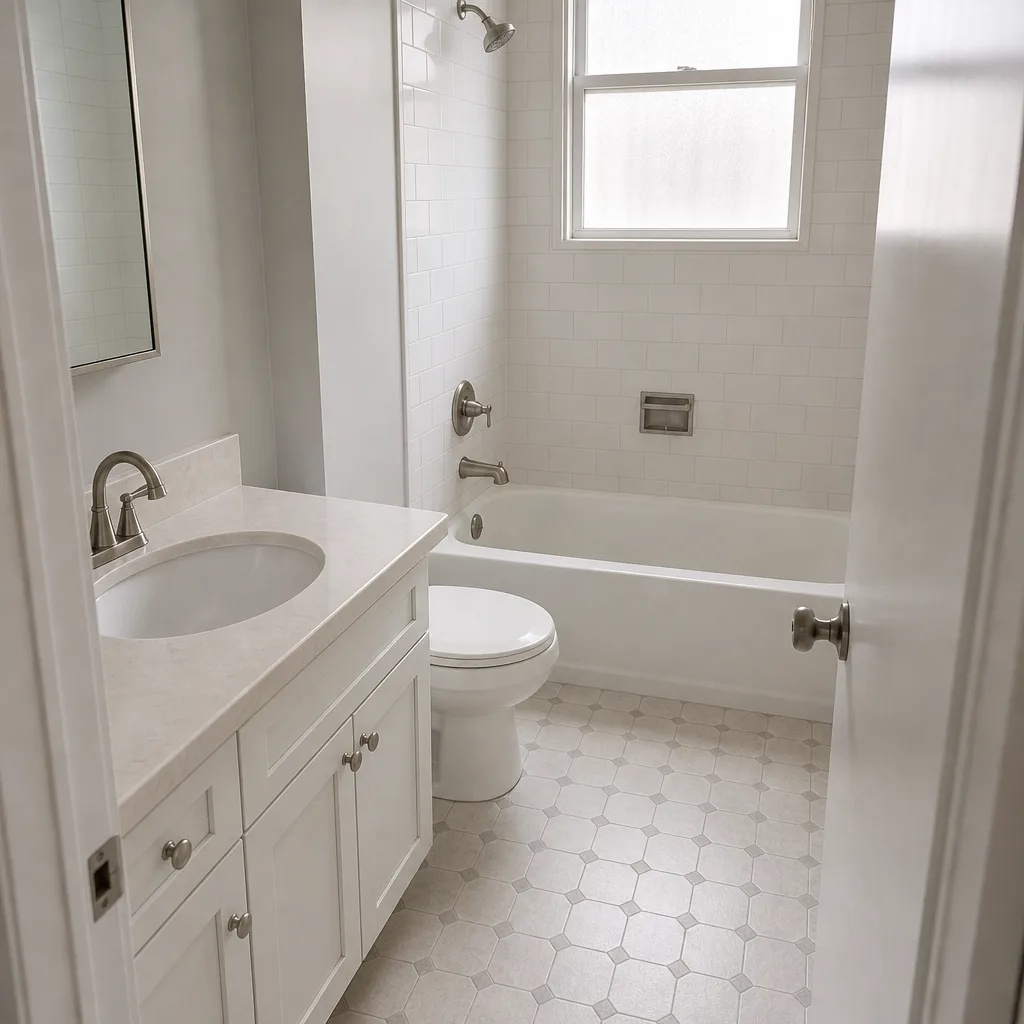
See the difference
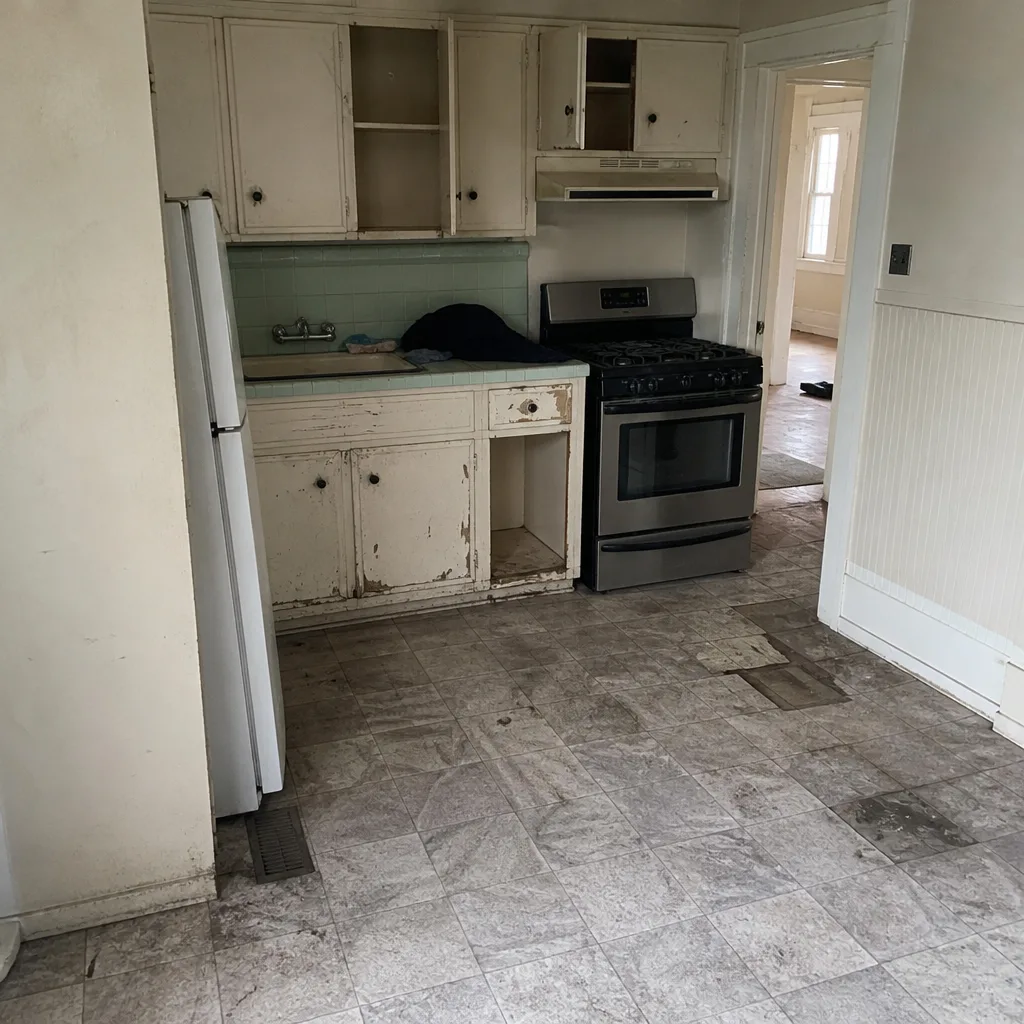 Before
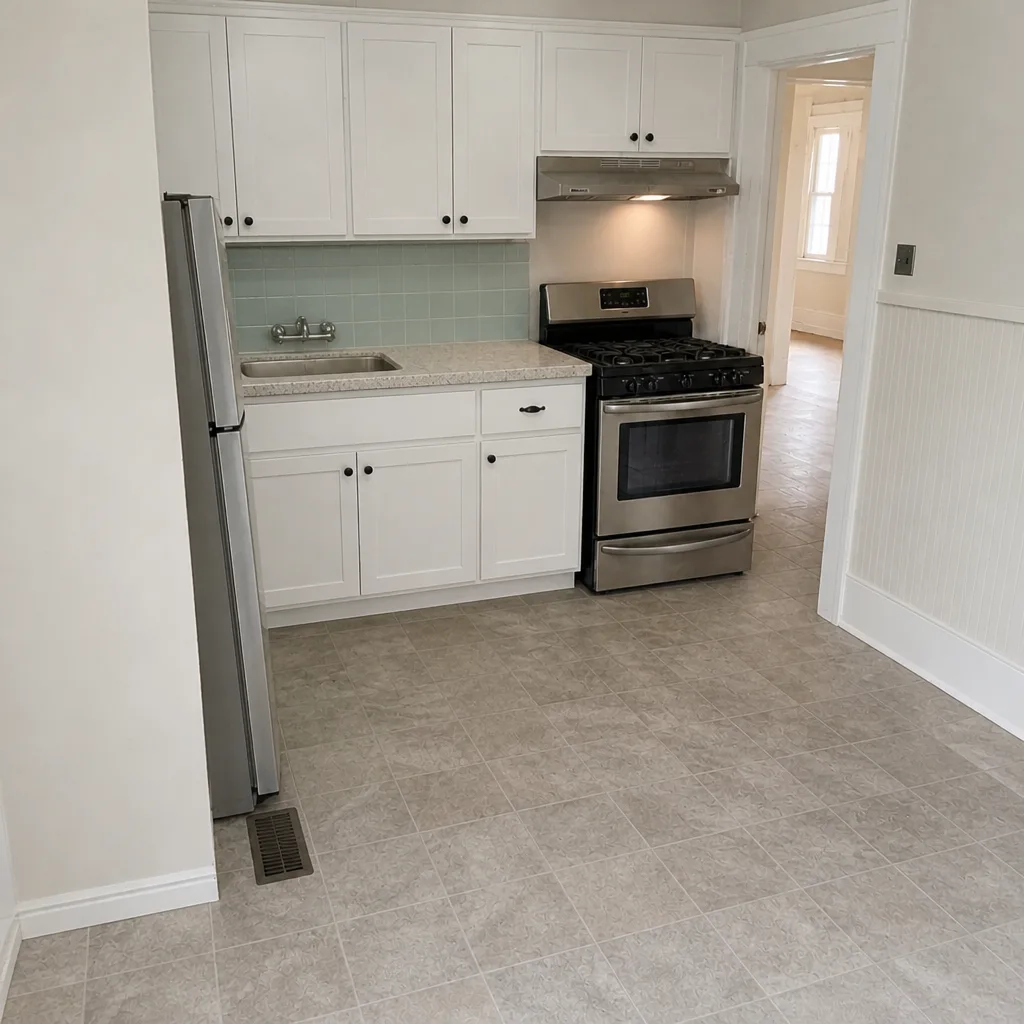 After
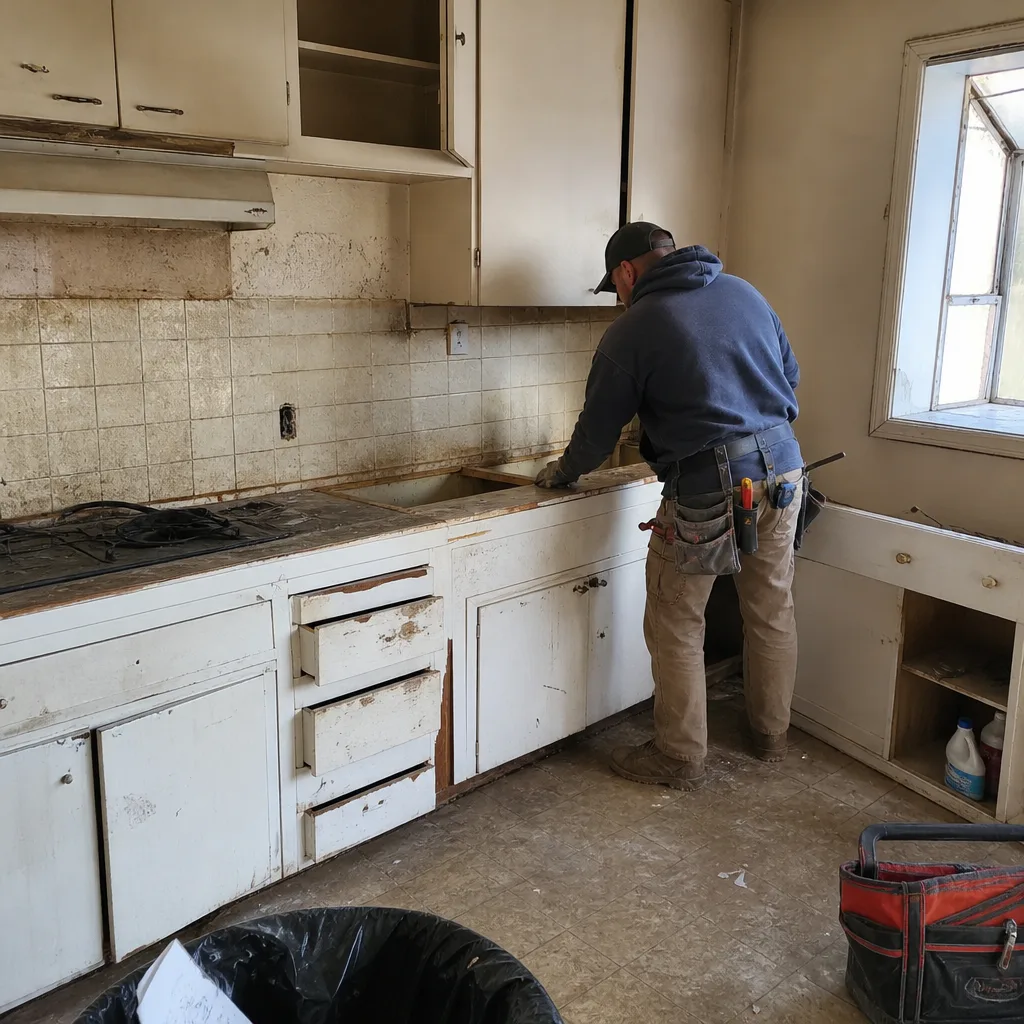 Before
 After
 Before
 After
When to Call a Professional
Some jobs belong in a professional’s hands, and a few belong in a licensed contractor’s hands only. Window and door replacements on San Francisco buildings subject to exterior review, structural openings, electrical panel work, gas line changes, roofing, and anything requiring a DBI permit all need a licensed contractor and, frequently, a specialty subcontractor behind them. For projects involving cabinets branded KraftMaid or Wellborn, countertops from Cambria or Caesarstone, or fixtures from Kohler and Toto, the sourcing depth behind the bid is what keeps the number honest. For exterior doors, Therma-Tru and ViewLux are the lines we source most often for San Francisco homes, and choosing from a vetted list keeps the written quote accurate rather than inflated. Rowan Construction Group San Francisco offers free estimates in San Francisco. Call (844) 797-6388 to schedule yours.
Frequently Asked Questions
Go to cslb.ca.gov, enter the license number, and check three fields: status (must be “Active” or “Current”), classification (must match the work), and bond compliance. The lookup is free and takes under two minutes. Also call the number on the contractor’s insurance certificate to confirm the policy is active. Call (844) 797-6388 for a free second opinion on any written estimate you’ve already received.
San Francisco remodel costs land higher than most of the Bay Area because of permit fees, labor rates, and the age of the housing stock. Kitchen remodels commonly fall in the tens of thousands of dollars range, bathroom remodels somewhat lower, and additions or ADUs run into six figures depending on scope and structural work. The right way to price your project is against a written scope, not a category. Call (844) 797-6388 for an exact written quote, and estimates are free.
Only when the scope changes, and only when a written change order is signed. A contractor who says the price might move after work starts is describing a budget, not a bid. Ask for a flat written price with a written scope and a written warranty before the contract is signed. Call (844) 797-6388 to talk through a scope with us.
Yes, on every project that requires one. San Francisco DBI permits, plan review, and inspections are handled by the contractor of record, and the permit fees should appear as a line item in the bid. A bid that leaves permits “to the owner” is not a complete bid. Call (844) 797-6388 if you have a question about the permit path for your scope.
Timelines depend on the DBI review cycle and the trade scope. A kitchen or bath remodel can move in weeks once permits clear; an addition or ADU spanning structural, electrical, plumbing, and finish work runs longer and usually involves a plan check corrections cycle. Ask for a written schedule with milestones before signing. Call (844) 797-6388 for a project-specific timeline.
Bring a competitor’s written estimate and we’ll review it line by line at no charge, flagging what’s missing (permit fees, haul-out, temporary protection) and what’s unclear (change order pricing, subcontractor scope). The gaps are usually what separates two bids that look far apart in price. Call (844) 797-6388 to schedule a free second opinion.
The Bottom Line
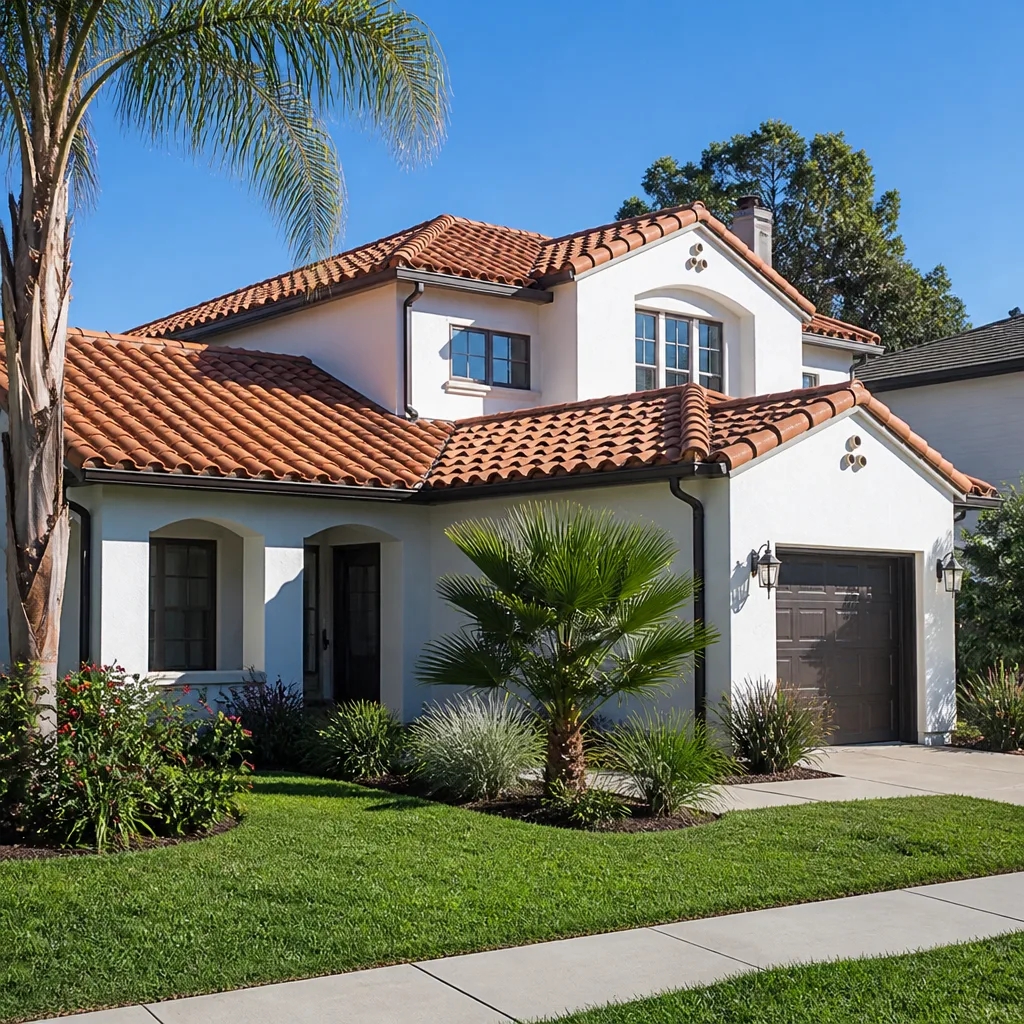
Hiring a contractor in San Francisco is a document review before it’s anything else. Verify the license and its classification, collect the five documents before the first bid, read the bid against a written scope, and hold the change order line on everything, no matter how small. A contractor who can show you a clean paper trail in the first meeting has done this before, and the numbers on the contract will hold. A contractor who can’t, won’t. Every San Francisco crew we work with operates under The Haven Standard, which is why every project quotes a flat written price, every visit includes a documented photo record, and the 365-Day Done Right Promise is backed by a terms page rather than an asterisk.
Call Rowan Construction Group San Francisco at (844) 797-6388 for a free estimate and a written price in hand before any work starts.
Written by the team at Rowan Construction Group San Francisco.