Last updated November 17, 2026
Free written scope consultation - allowances, timeline, and change-order rules on paper before a single trade is scheduled
Windows & Doors Troubleshooting: Common Problems and How to Fix Them
A double-hung window that won’t stay open is nearly always a failed balance spring or balance shoe – a part that costs $25 to $60 and takes about twenty minutes to swap. Yet it’s routinely diagnosed as frame warp, and homeowners walk away with full-unit quotes averaging $600 to $900. That gap between a $45 component fix and a four-figure replacement is the most expensive mistake in window and door repair, and it happens in San Francisco homes every week. In this guide we map symptoms to root causes: the four failure categories, how to test which one you’re facing, and exactly where to draw the line between repair and replacement.
Quick Answer
Window and door problems almost always trace back to one of four root causes: hardware failure, frame movement, seal failure, or weatherstripping degradation. Diagnose the category first – before ordering parts or calling anyone – because each category has a different fix, a different cost, and a different skill requirement. Misdiagnosis, not the damage itself, is what drives most unnecessary full-unit replacements.
Styles & brands we work with
- Kitchen remodeling
- Bathroom remodeling
- Home additions & ADU
- Roofing
- Windows & doors
- Driveway & pavers
- Fence
Table of Contents
- Symptom-to-Cause Diagnostic Table
- How to Diagnose Which of the Four Causes You Have
- Door Alignment: Hinge Wear, Threshold Settlement, or Frame Racking?
- San Francisco-Specific Causes You Won’t Read About Elsewhere
- DIY Parts vs. Technician-Only Parts
- Repair or Replace: Where the Line Actually Sits
- Common Mistakes to Avoid
- Frequently Asked Questions
Symptom-to-Cause Diagnostic Table
Start here. Match the symptom, confirm the likely cause, and note the fix category. A draft you can feel but can’t see comes from compressed weatherstripping, not a gap in the frame – weatherstripping loses its rebound after roughly 8 to 12 years of daily door cycles, and the fix is a $30 to $80 gasket replacement, not a new door.
- Draft with no visible gap – weatherstripping compression failure. The seal has flattened and no longer touches the stop. Fix: replace the gasket or kerf seal.
- Fogging or condensation between the panes – IGU seal failure. The insulated glass unit has lost its gas fill. Fix: sash or IGU replacement; the frame is usually fine.
- Sticks in summer, moves freely in winter – wood expansion against the frame. Seasonal swelling of the sash, not hardware binding. Fix: plane or adjust the sash clearance.
- Sticks in winter, moves freely in summer – hardware binding. Corroded or misaligned locks, rollers, or shoes. Fix: hardware service or replacement.
- Won’t stay open – failed balance spring or balance shoe. Fix: balance replacement, $25 to $60 in parts.
- Door drags on the strike side – hinge wear, threshold settlement, or frame racking. See the dedicated section below.
- Water staining at the sill – failed sill pan flashing or a blocked weep path, not a failed unit. Fix: flashing and drainage correction.
Two symptoms pointing at the same unit usually mean two separate repairs. Treat them that way when you get quotes.
How to Diagnose Which of the Four Causes You Have
Work through these steps in order. Each one takes under two minutes and narrows the category before you spend a dollar.
- Test for draft with a candle or tissue. Run it slowly around the perimeter on a windy day. A flicker at the jamb means weatherstripping. A flicker at the sash center means glass or sash seating.
- Check the glass foggability. Hold a bright flashlight against the pane at night. Fog or a milky haze between the layers confirms IGU seal failure – no amount of caulking will fix it.
- Operate the window in both seasons, or recall the pattern. Summer sticking is wood expansion; winter sticking is hardware binding. The two need different tools and different parts.
- Inspect the balance system. Remove the sash on a double-hung and look at the spring or spiral balance. A broken spring is visibly snapped; a worn shoe slides without resistance. Both are user-replaceable.
- Square the frame. Measure both diagonals of the opening. A difference over 1/4 inch signals frame movement, not hardware.
When the diagnosis is frame movement, stop here. That’s structural correction work, and in our experience in San Francisco, it’s the category homeowners most often try to solve with a bigger hammer.
Door Alignment: Hinge Wear, Threshold Settlement, or Frame Racking?
Three doors that drag on the strike all look alike, and they carry very different price tags. Here’s how to tell them apart before you solicit a quote.
- Hinge wear ($80 or less to correct). Open the door 90 degrees and look for a sag at the latch edge. Toggle the door and watch for slop at the hinges. Worn hinge screws or a bent leaf show up here. Fix is hinge replacement or screw re-setting.
- Threshold settlement (roughly $400 for a rebuild). The door rubs at the bottom exclusively, and the threshold plate has sunk or tilted. Hinge play is minimal. Fix is re-setting or rebuilding the sill, sometimes with a new adjustable threshold.
- Frame racking ($1,200+ for correction). The door drags on one top corner and one bottom corner diagonally opposite. The opening has gone out of square. Measure the diagonals – if the difference exceeds 1/4 inch, you’re in racking territory, and hinge changes will not help.
That distinction matters more in San Francisco than almost anywhere. The Rowan Construction Group San Francisco home page lays out the trades we handle, and door frame correction sits at the boundary between glazing work and structural carpentry. The same discipline applies to window and door work in a home we’ve added onto or reconfigured: measurements taken before anything is ordered, and a written number before any tool comes out of the van.
San Francisco-Specific Causes You Won’t Read About Elsewhere
San Francisco has three failure patterns that don’t show up in generic troubleshooting guides. If you live here, you’ve probably met all three.
Fog-driven wood swelling in west-facing windows
West-facing openings in the Sunset and Richmond districts take the marine-layer moisture head-on. Wood sashes swell across the summer fog season and shrink back when the sun returns, and the daily cycle works hinges and locks loose within a decade. A west-facing double-hung on a Richmond District home often needs seasonal adjustment every few years even when the hardware is sound.
Earthquake-driven door parallelogram shift
Older San Francisco buildings – particularly soft-story structures over garages in the Mission and SOMA – settle and shift in small increments after even minor seismic events. The visible result is a door opening that slowly becomes a parallelogram. That’s frame racking, and hinge work is wasted money on it.
Salt-air hardware corrosion
Sunset and Richmond homes within a few blocks of Ocean Beach see accelerated hinge and lock corrosion. Stainless or brass hardware survives considerably longer there than standard zinc-plated steel. If you’re replacing hinges anyway, spend the extra $10 per leaf on marine-grade hardware.
These aren’t edge cases. They’re the routine causes we see when quoted window and door repairs come through for a second opinion in San Francisco – and they’re why out-of-area remedies often miss.
DIY Parts vs. Technician-Only Parts
Plenty of window and door repair is genuinely owner-friendly. Balance shoes, weatherstripping, locksets, roller assemblies, and strikes are all candidates. Others are not, and the difference is often a safety question, not a skill question.
Parts you can order and install yourself
- Balance shoes and spiral balances – Caldwell and Truth Hardware both publish cross-reference charts by window series. Measure the balance length and stamp number before ordering.
- Weatherstripping and kerf seals – Blaine Window Hardware carries profiles for most wood and vinyl windows from the 1970s forward, including several discontinued lines.
- Locksets, strikes, and rollers – matched by manufacturer and model, widely available.
- Sill shoes and sweep gaskets – straightforward replacements on sliding and hinged doors.
Parts that need a trained technician
Tilt-balance springs on large single-hung units, tensioned coil springs in heavy picture windows, and any balance system under the sash weight of a full-height double-hung carry enough stored energy to break a wrist or worse. Those are not a homeowner project, and we don’t recommend attempting them even with a video tutorial. The same caution applies to window and door work at height on a ladder, and to any adjustment involving the tension carriage on a torsion system. A licensed technician is the right call for all three.
Where we routinely see this matter is on combined projects – a homeowner commissioning Home Additions & ADU in San Francisco who wants the original windows brought up to spec while the walls are open. That’s a sequencing decision, not a parts decision, and it’s cheaper to make it before the wall is closed than after.
Repair or Replace: Where the Line Actually Sits
The repair-versus-replace question has three clear decision points. If you hit any one, replacement is the honest answer. If you don’t, repair usually wins.
- IGU-only failure in a frame older than 20 years. Replacing the insulated unit only makes sense if the frame itself is sound. In a 20-plus-year-old San Francisco wood frame with any evidence of rot or movement, a new sash in a failing frame is money thrown at a dead anchor.
- Hardware failure in a discontinued product line. When the balance, lock, or roller is no longer manufactured and no cross-reference part exists, you’re looking at a custom fabrication or a full replacement. Price both before you commit.
- Rot extending beyond 20% of the frame’s cross-section. Under 20%, a wood dutchman and epoxy repair is viable and durable. Beyond 20%, the frame loses the section depth required to hold hardware, and the repair will fail within a few years.
Below those thresholds, most repairs are worth doing. A balance replacement at $45 in parts against a $600 to $900 full-unit replacement is not a close call.
We rarely recommend jumping straight to replacement. The math usually favors repair, and the documentation habits that make a replacement project go well – written scope, signed change orders where applicable, a photo record when the crew leaves – belong to any trade. The crew that handles a Driveway & Pavers in San Francisco build or a Fence Installation in San Francisco install follows the same document-everything standard, and the window and door crews work the same way.
Common Mistakes to Avoid
- Ordering parts before diagnosing the category. A homeowner buys balance springs for a sticking window that has frame racking. The springs go in, the window still sticks, and the diagnosis has to start over. Diagnose first, order second.
- Caulking a fogged IGU. Caulk will not restore a failed insulated unit. The gas fill is gone and the desiccant is spent. The fix is a new IGU, not a tube of silicone.
- Assuming a draft is a gap. Most drafts in San Francisco homes are weatherstripping compression, not a hole in the building envelope. Replacing the gasket costs a fraction of a new unit.
- Overtightening hinge screws in a settlement-correcting door. The screws will strip the jamb, and you go from an $80 repair to $400 in jamb repair. If the door hinges are worn, replace them; if the frame has settled, correct the frame.
- Ignoring the west-facing seasonal cycle. Replacing a west-facing wood sash that “sticks” every summer is often a waste. In the Sunset and Richmond districts, plan for adjustment every few years instead.
- Skipping the photo record. A documented photo record of what was found and what was replaced is a standard deliverable, not an upgrade. Without it, warranty claims on a repair get murky fast.
- Buying a replacement from a quote that doesn’t name the part. A quote that doesn’t identify the balance series, glass spec, or hinge grade gives you no way to compare it against anything else. Line-item quotes are the only quotes you can actually evaluate.
See the difference
 Before
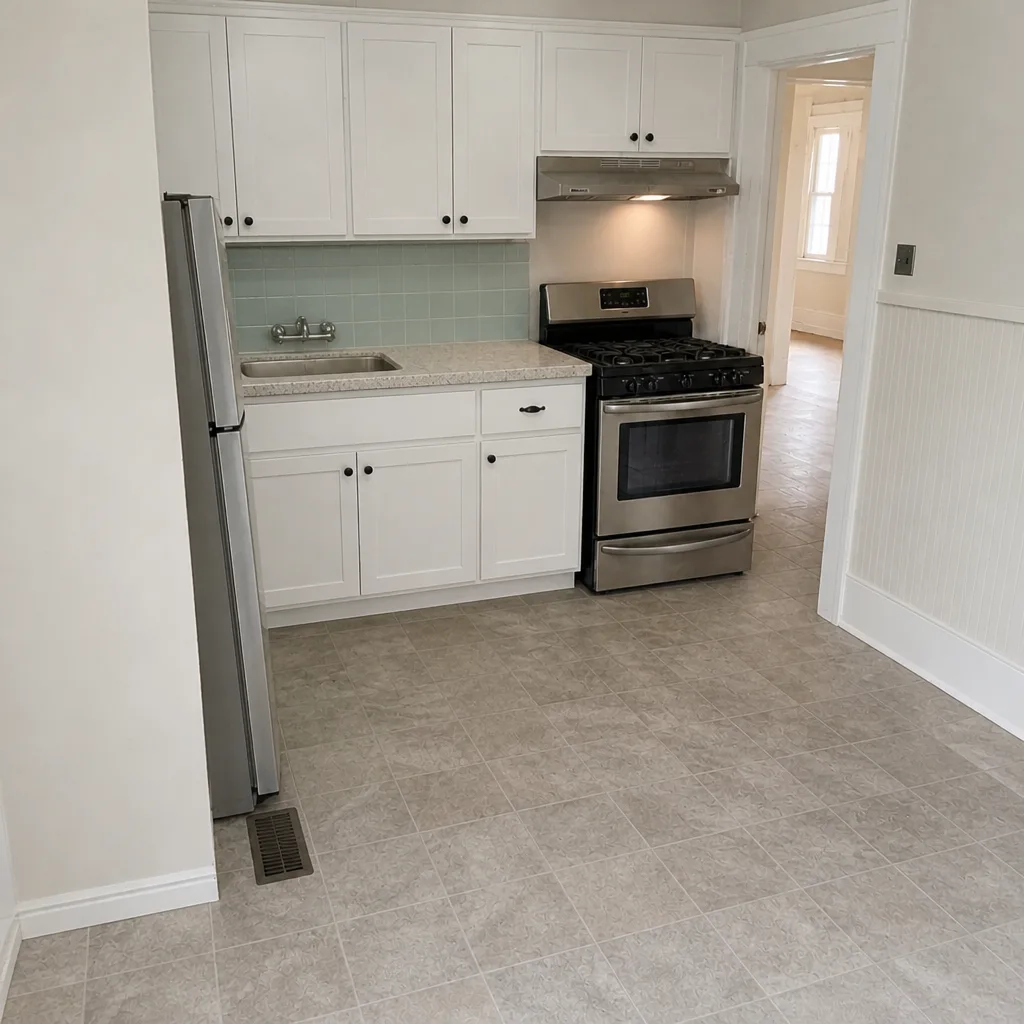 After
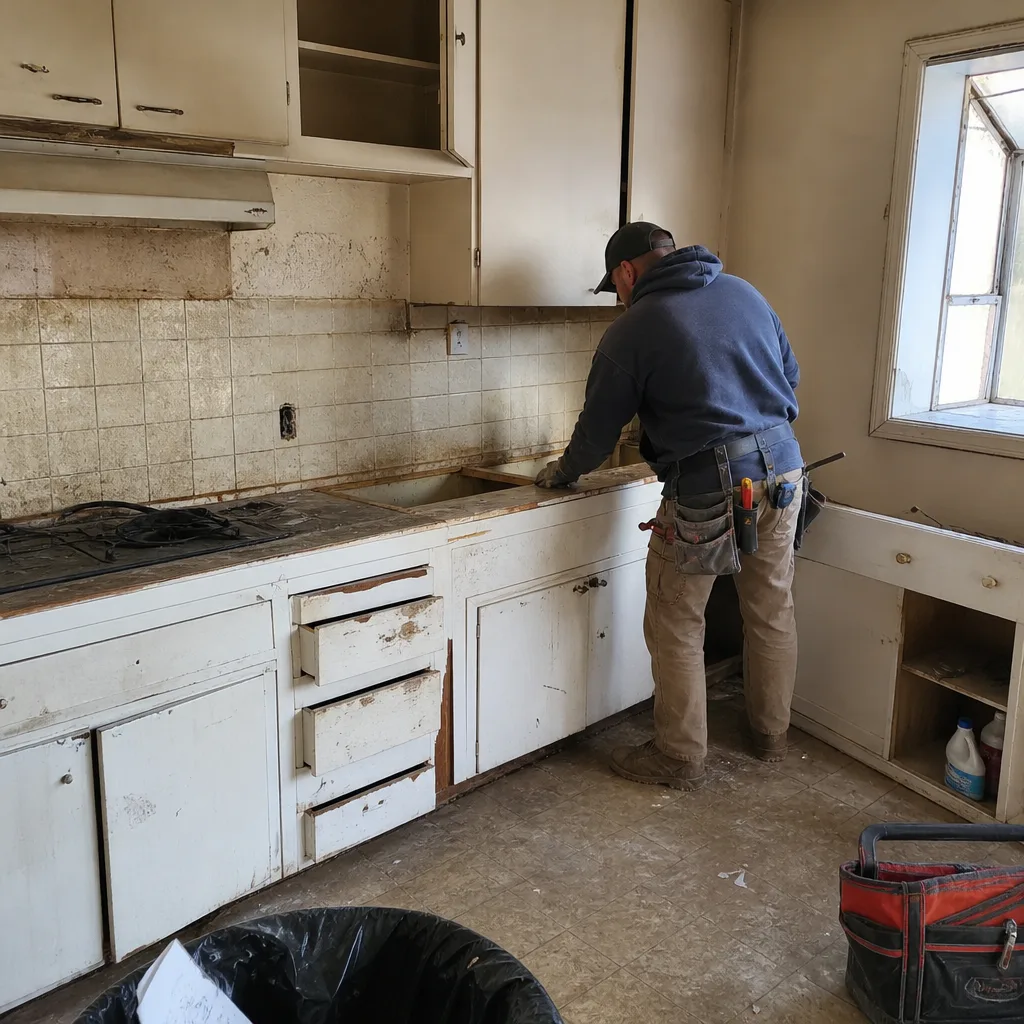 Before
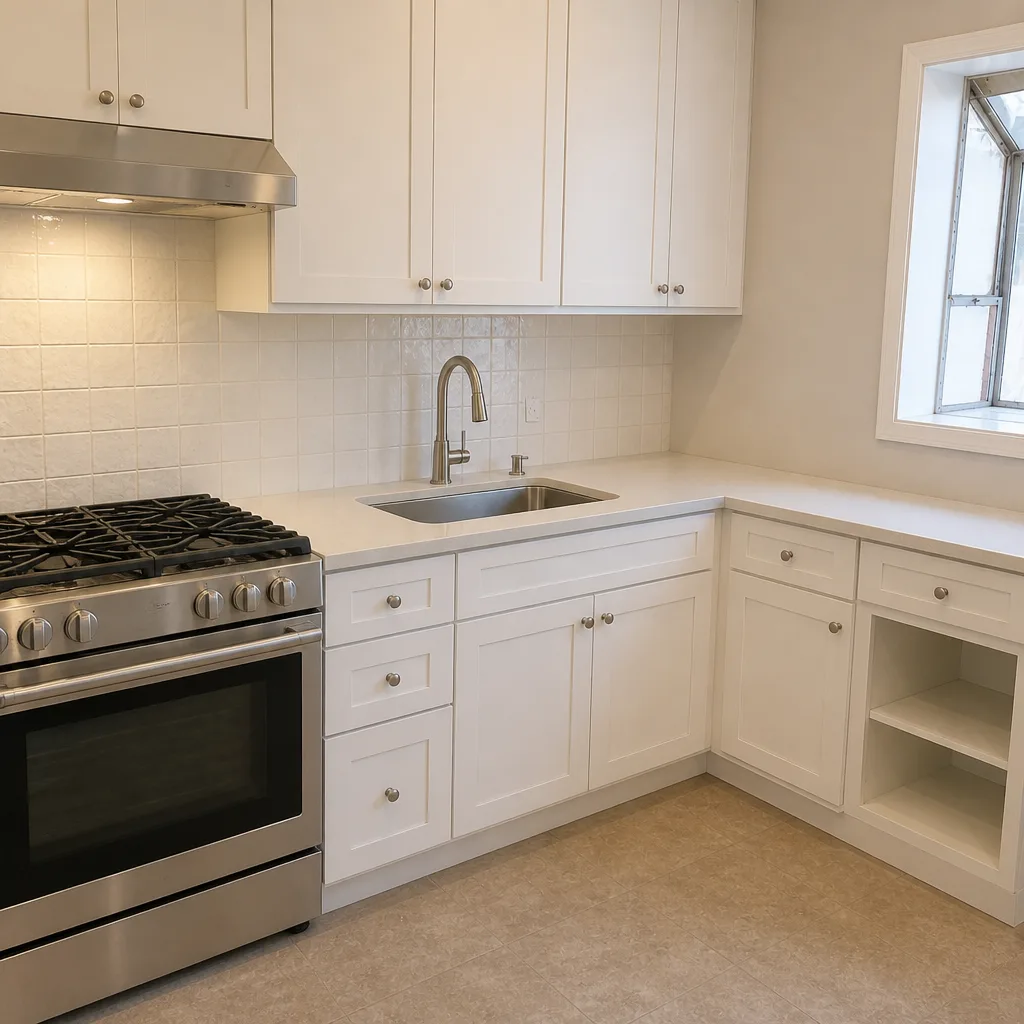 After
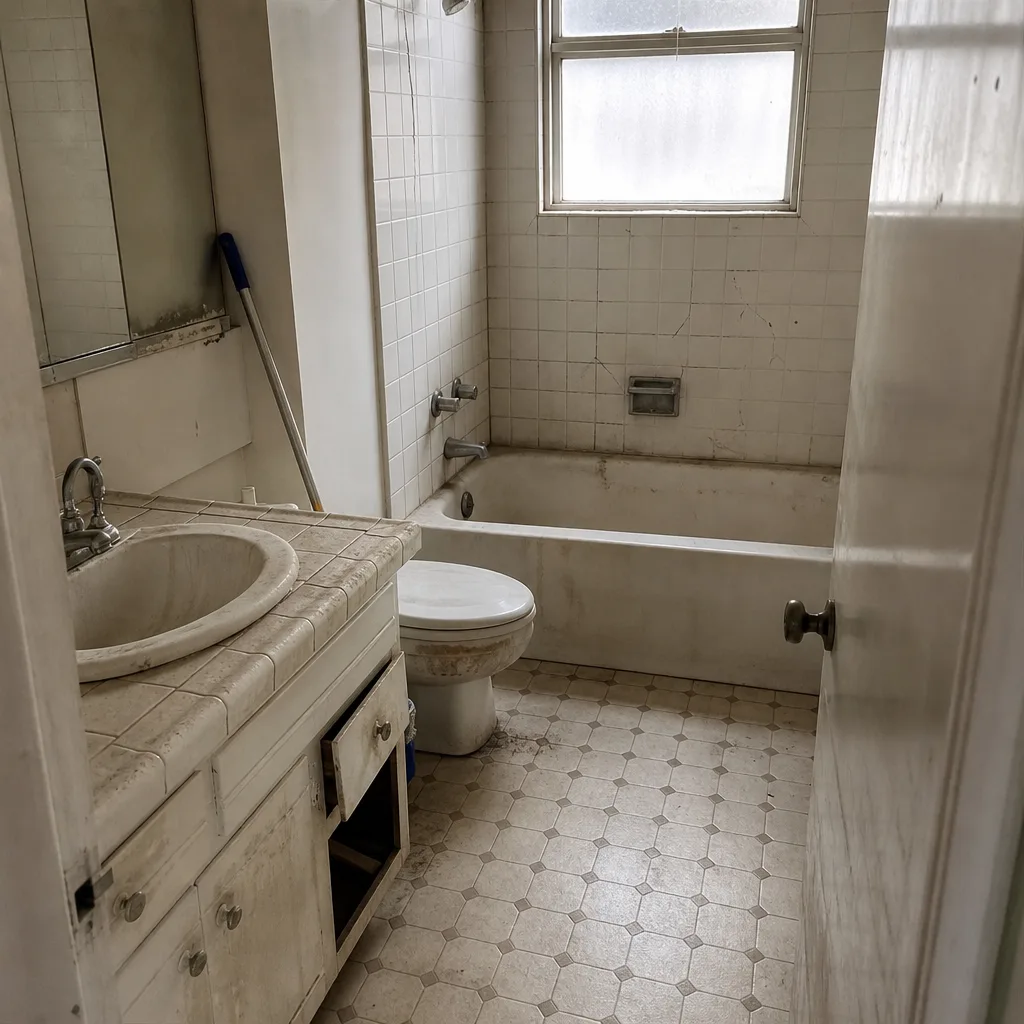 Before
 After
When to Call a Professional
Some window and door problems are genuinely homeowner-solvable, and some are not. Call a technician if you’re facing any of these: a tensioned balance spring or coil that’s failed on a large or heavy sash (stored energy, real injury risk); a door frame that’s out of square by more than 1/4 inch (that’s racking, and it needs carpentry, not hardware); visible rot at more than 20% of the frame’s cross-section; any adjustment needed from a ladder or at second-story height; or a suspected structural shift in a soft-story building. Those five scenarios are where DIY efforts reliably make the problem more expensive, not less. Rowan Construction Group San Francisco offers free estimates in San Francisco – call (844) 797-6388 to schedule one. Bring any quote you’ve already received: a free second opinion, reviewed line by line, is a standing offer.
Frequently Asked Questions
A double-hung window that won’t stay open has a failed balance spring or balance shoe. It’s a $25 to $60 part and not a frame issue in most cases. If your home is in San Francisco and the window is over 20 years old, have the balance system checked before you accept any quote that recommends full-unit replacement. Call (844) 797-6388 for a free estimate.
Typical San Francisco repair costs run $80 for a hinge replacement, $30 to $80 for a weatherstripping replacement, $25 to $60 for a balance-shoe replacement, roughly $400 for a threshold rebuild, and $1,200 or more for frame correction. A full-unit replacement averages $600 to $900, so diagnosing before you replace is where most of the savings sit. Call (844) 797-6388 for a written line-item quote.
No. At Rowan Construction Group San Francisco, the price is written before any work begins, and no work proceeds on a change until a change order is signed. That written-price discipline is what keeps projects within a few percent of the agreed number. Call (844) 797-6388 for a written quote.
Fog between panes means the insulated glass unit (IGU) has failed – the gas fill has escaped and the desiccant is exhausted. The frame is usually fine. The repair is a sash or IGU replacement, not a full-unit replacement, which is the mistake most often made when this is diagnosed incorrectly. Call (844) 797-6388 to get the IGU-only option priced against the full-unit option.
On a small or light sash, yes – with the right cross-reference part from Truth Hardware or Caldwell, a balance-shoe replacement is a reasonable homeowner project. On a heavy or full-height double-hung, no. The tensioned spring carries real energy, and a slipped release can cause serious injury. Call (844) 797-6388 to have a trained technician handle the tensioned units.
Most single-component repairs are done in a single visit: a balance shoe takes about 20 minutes, a hinge replacement about 30, and a weatherstripping reset under an hour. IGU replacement is a two-visit job: one to measure and order the sash, a second to install. Frame correction is the one exception and should be quoted with a scheduled timeline before anything starts. Call (844) 797-6388 for an exact scope.
The Bottom Line

Four categories explain almost every window and door failure: hardware failure, frame movement, seal failure, and weatherstripping degradation. Diagnose the category before you order a part or make a call. That single discipline is what separates a $45 repair from a $900 replacement quote, and it’s especially relevant in San Francisco, where fog-driven swelling on west-facing windows and earthquake-driven frame shift on soft-story buildings are routine causes you won’t find in most troubleshooting guides. When the fix sits past the repair threshold – rot past 20% of the frame’s section, discontinued hardware, a frame out of square by more than 1/4 inch – a documented, written-price replacement is the right call. Call (844) 797-6388 for a free estimate in San Francisco.
Written by the team at Rowan Construction Group San Francisco.