Last updated November 17, 2026



Free written scope consultation - allowances, timeline, and change-order rules on paper before a single trade is scheduled
Windows & Doors Warning Signs Every Homeowner Should Know
Interior paint bubbling within 12 inches of a window frame is not a painting problem. It is a flashing failure indicator, and by the time it shows up inside the wall, water has usually been in the cavity for six to eighteen months. That single fact reshapes how we read every other symptom on a window or door – the stiff crank, the draft you feel at the hinge, the stucco crack running up from the corner. This guide gives you the diagnostic language to sort cosmetic wear from structural failure, so a $1,500 window replacement does not quietly become a $6,000 wall repair. We’ve opened enough rough openings across San Francisco to know which signs are telling you something serious and which are just age.
Quick Answer
Window and door warning signs fall into three tiers: cosmetic (paint, finish, stiff hardware), functional (hard operation, air leakage, fogged glass), and structural (frame rot, water infiltration, building movement). Cosmetic issues run $100 to $400 to address. Functional problems run $200 to $900. Structural failures – rotted frames, failed flashing, distorted openings – start around $1,200 and climb fast. In our experience, the signs most homeowners dismiss as appearance problems are the ones that signal water where it doesn’t belong.
Styles & brands we work with
- Kitchen remodeling
- Bathroom remodeling
- Home additions & ADU
- Roofing
- Windows & doors
- Driveway & pavers
- Fence
Table of Contents
- The Three-Tier Warning Sign System
- The Sign Everyone Misreads: Paint Bubbling Near Frames
- San Francisco Indicators You Won’t See Elsewhere
- The Five-Point Physical Inspection You Can Do
- Warning Signs in a Contractor’s Estimate
- When the Problem Isn’t the Window at All
- What Repairs Actually Cost
- Common Mistakes to Avoid
The Three-Tier Warning Sign System
Most homeowners read every fault on a window the same way – as a nuisance to get to eventually. Sorting them by tier tells you how quickly to act and roughly what it costs.
Tier one: cosmetic. Finish deterioration, chalking paint, minor hardware stiffness, weathered caulk. These are surface conditions. They don’t threaten the structure yet, but caulk and paint are the first defense against water, so letting them fail invites the next tier. Cost to resolve: $100 to $400, and often a weekend of your own time if you’re handy.
Tier two: functional. A casement you can barely crank, a door that sticks in the same spot every summer, a seal you can feel air moving through, a double-pane window fogged between the glass. Functional signs mean the window is no longer performing its job. They don’t signal hidden damage, but they degrade energy performance and, left long enough, feed moisture into the frame. Cost to resolve: $200 to $900 depending on whether it’s hardware, seal, or glass.
Tier three: structural. Soft or crumbling wood at the frame corner, water staining on interior casing, cracks that track diagonally from window corners, doors that have stopped sitting square in their openings. Structural signs mean the assembly has failed or the building has moved. These start around $1,200 and can run well past that once a wall cavity is involved.
Here in San Francisco, we see tier-one signs ignored for years because the climate is forgiving on paper, then a winter storm finds the one failed caulk joint and turns the problem into tier three overnight. That’s why we price window and door work as a written flat number before we touch anything – you should know which tier you’re in before you spend.
The Sign Everyone Misreads: Paint Bubbling Near Frames
Paint bubbling within a foot of a window or door frame is almost always a flashing failure. Flashings are the metal pieces that direct water away from the opening and out of the wall – the head flashing above, the sill flashing below, the pan that sits under the whole assembly. When any of those fail, water enters the wall cavity, sits against the interior drywall or plaster, and pushes the paint off from behind.
The reason this reads as an interior finish problem is that it looks exactly like one. The paint blisters and peels, a homeowner calls a painter, the painter scrapes and repaints, and eight months later the bubble is back in the same spot. In our experience the bubble always comes back when the source is water behind it. The timeline matters: moisture typically takes six to eighteen months to work through a wall cavity and show on the interior face, which means the leak started long before you noticed it.
What to do:
- Photograph the bubbling with a tape measure in frame to document distance from the opening.
- Run a fingertip along the interior casing and the wall just below it. Any softness or dark staining points to active moisture.
- Check the exterior above the window – cracked caulk, separated head flashing, or a drip-edge that stops short of the opening are the usual culprits.
- Have the flashing inspected before you approve any repaint. Repainting over a water problem hides it for one season and costs you the second repair too.
A failed flashing repair on one window typically runs $600 to $1,400 depending on how much trim has to come off. Wait until the wall cavity needs opening and you’re into structural-repair territory with drywall, insulation, and framing to address.
San Francisco Indicators You Won’t See Elsewhere
San Francisco’s construction stock and climate produce three window and door symptoms that don’t come up in most national guides. Reading them correctly is half the diagnostic work.
Stucco cracking at window corners. San Francisco has hundreds of thousands of stucco-clad homes built before 1960. Diagonal cracks radiating from the corners of a window opening in stucco aren’t just finish cracks – they often indicate racking stress, the kind of shifting a frame sees when the building flexes. Older San Francisco homes on cut-and-fill lots or up on piers move more than their owners realize, and framing distortion at the opening is how that movement shows up first. A crack that’s been stable for years is one thing. A crack that grows season to season is telling you something.
Efflorescence on interior sill plaster. White, powdery deposits on interior plaster below a sill are salt pushed to the surface by moisture moving through the wall and evaporating. In practice this means either chronic condensation on a cold window or a flashing failure feeding water into the frame. It’s the single most reliable early warning of stucco-wall water problems we see in San Francisco, and it’s easy to mistake for stained plaster.
Wood sash paint failure on west-facing windows, the first three years after a repaint. If paint on the exterior sash of a west-facing window fails within three years of a fresh coat, the problem usually isn’t the paint – it’s moisture driving from inside the wall out, pushing the paint off the wood. The Marin Headlands fog bank rolling through the Sunset and Richmond districts gives you plenty of exterior moisture as it is; combined with internal drive, exterior paint loses the fight fast.
If any of these three show up, the diagnostic question isn’t which brand of window to buy. It’s whether the assembly is watertight. That’s the level of inspection your estimate should include.
The Five-Point Physical Inspection You Can Do
Before you call anyone, run these five checks. Each one takes a couple of minutes and gives you real information to bring to an estimate.
1. The fingernail test. At each corner of the window or door frame, press a fingernail into the wood trim. If you leave a dent that doesn’t spring back, the wood has softness – rot or sustained moisture. Firm wood doesn’t yield. Test the bottom corners and the sill first; that’s where water collects.
2. The flashlight-at-night draft check. On a dark, windy night, hold a flashlight at the junction of the window frame and the wall trim inside, and have someone watch from outside. Any light between the two is air infiltration. This catches the small gaps that feel like nothing in the daytime.
3. Operation resistance. A casement window that takes more than about 20 pounds of force to close has either a failing crank mechanism or a frame that’s out of square. Force needed has nothing to do with how good the window is – a window that used to close with one finger and now takes two hands has changed condition.
4. The IGU haze check. Look at a double-pane (insulated glass unit) window against a dark background. A consistent fog between the panes means the seal has failed and the unit needs replacement, even if the frame is fine.
5. Exterior caulk continuity. Run your eye around the full perimeter of each window on the exterior. Any break, crack, or gap in the caulk line is a water path. Also look at the head flashing above – if the flashing doesn’t overlap the window frame, water gets behind it.
Write down what you find. A contractor’s estimate that doesn’t address each finding is a red flag.
Warning Signs in a Contractor’s Estimate
Some of the most important window and door warning signs show up not on the building but in the bid. Here is what to watch:
- No flashing replacement in the scope. A window replacement that doesn’t name the flashing has an open question about water. On a proper install, the flashing is either replaced or the bid says why it doesn’t need to be.
- Refusal to open the interior casing to inspect the rough opening. The rough opening is the frame-size void in the wall. Opening the casing to see it is the only way to know whether there’s rot behind the frame. A contractor who won’t do that doesn’t know what they’re pricing.
- Window price only, no installation method. A written scope should specify whether the window is installed full-frame (removing the old frame) or into the existing frame (with a trim kit). The two produce different water performance and often different prices by several hundred dollars per opening.
- Call-for-a-price bids. Any window or door estimate that doesn’t arrive as a written number with a scope and a warranty is not a price yet. Insist on the flat number in writing before any work is scheduled.
- No mention of the warranty in writing. Every window and door quote should tell you what’s covered and for how long.
Our standard: written scope, written price, and a written warranty before anyone picks up a tool – and our Free Second Opinion means you can bring any competitor’s bid in for a line-by-line review at no charge. We’d rather spot a missing flashing line in the review than during demo.
When the Problem Isn’t the Window at All
Here’s the counterintuitive part: many window symptoms originate outside the window assembly. Replacing the window in these cases fixes nothing. What you’re looking for is:
Roof flashing failure above the opening. Water that drips from above – a failed kick-out flashing, a step flashing that lifted, a chimney or wall detail higher up – runs down the wall and pools at the window. The window gets blamed, the roofer gets called. If you see staining that runs higher than 12 inches above a window head, or staining that appears on more than one opening on the same wall, look up first. Our Roofing in San Francisco team gets called for these regularly and finds the water source above the window trim.
A failed window buck in a stucco exterior. A buck is a rough frame built into the wall opening before the window goes in. In stucco-wall installs, a buck that wasn’t flashed or was installed at the wrong depth becomes the water path. Symptoms: water inside the window frame at the bottom corners and stucco damage that surrounds the opening rather than sitting above it.
Foundation settlement causing frame distortion. When a foundation settles unevenly, the framing above it distorts and window openings go out of square. That’s why a door that used to close turns into one that catches at the top, or a window that lies at an odd angle. This is not a window problem. It’s a structural-diagnosis problem, and it’s the single reason we always check the door operation on the floor above an opening before pricing a window replacement.
The point of all this: get the diagnosis before you get the quote. Our Rowan Construction Group San Francisco home page lists the trades we cover across these systems, and our technicians – who come with up to 19 years of experience – inspect in the way I’ve described.
What Repairs Actually Cost
San Francisco pricing for window and door repairs, by tier and by specific symptom:
- Caulk replacement and touch-up paint, per opening: $100 to $250
- Hardware replacement (crank, hinge, lock, roller): $150 to $450
- IGU glass replacement (same frame): $300 to $900 per unit
- Caulk and flashing repair, one opening: $600 to $1,400
- Buck repair and stucco patching, one opening: $900 to $2,200
- Frame rot repair and trim replacement: $1,200 to $3,000
- Full-frame window replacement mid-range, per opening: $1,200 to $3,200
- Structure-level repair once a wall cavity is open: $3,000 and up
Kohler and American Standard hardware upgrades are often bundled into the same job and run $100 to $400 per opening. The line that matters most is where you are in the tiers: cosmetic and functional work can be scheduled, structural repair is more urgent, and the difference between addressing a $600 flashing repair and a $6,000 wall repair is usually a matter of months. We put the number in writing before the job and hold it – a written price that arrives before work starts and stays there.
Common Mistakes to Avoid
- Repainting over bubbling without finding the moisture source. The bubble will return within a season. It’s the single most common costly mistake we see in San Francisco homes.
- Replacing windows without inspecting the rough opening. A new window installed into a rotted frame will fail faster than the old one did. The casing comes off before the number gets written.
- Ignoring a door that sticks seasonally. A door that binds every summer is often a foundation or framing movement issue. Treat it as a clue, not as a door problem.
- Calling the painter first. If you see signs inside the wall, the order is diagnostic first, painter last. Painting over a structural problem wastes the money you spend on the paint.
- Accepting a verbal bid. You can’t compare a spoken price to anything. A written scope, a flat written number, and a written warranty are the baseline.
- Assuming San Francisco fog is why the paint is failing. Exterior fog doesn’t push paint off wood on its own. Paint failure within three years of a repaint usually means moisture from inside the wall.
- Skipping flashing replacement on a window replacement. Replacing the window and reusing old flashing is a common shortcut. Ask for the flashing in the scope.
See the difference
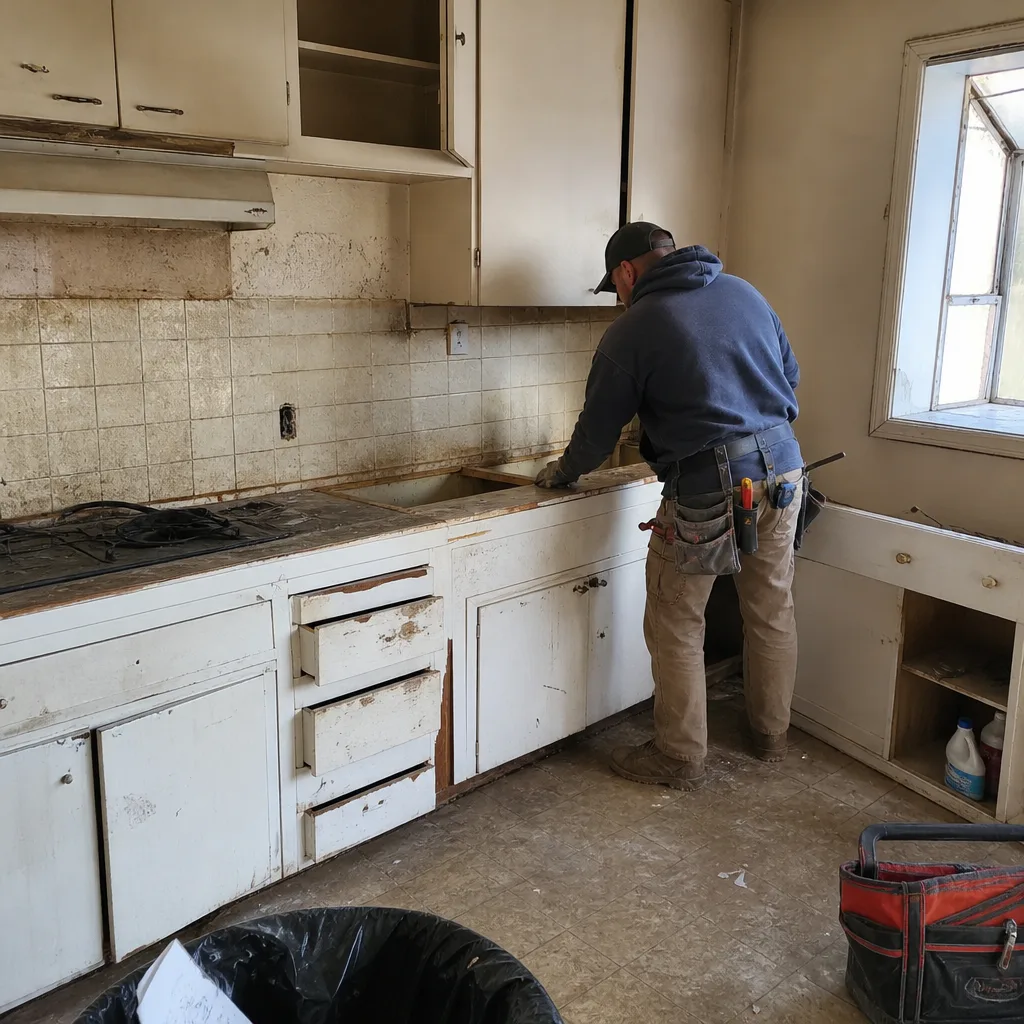
 Before
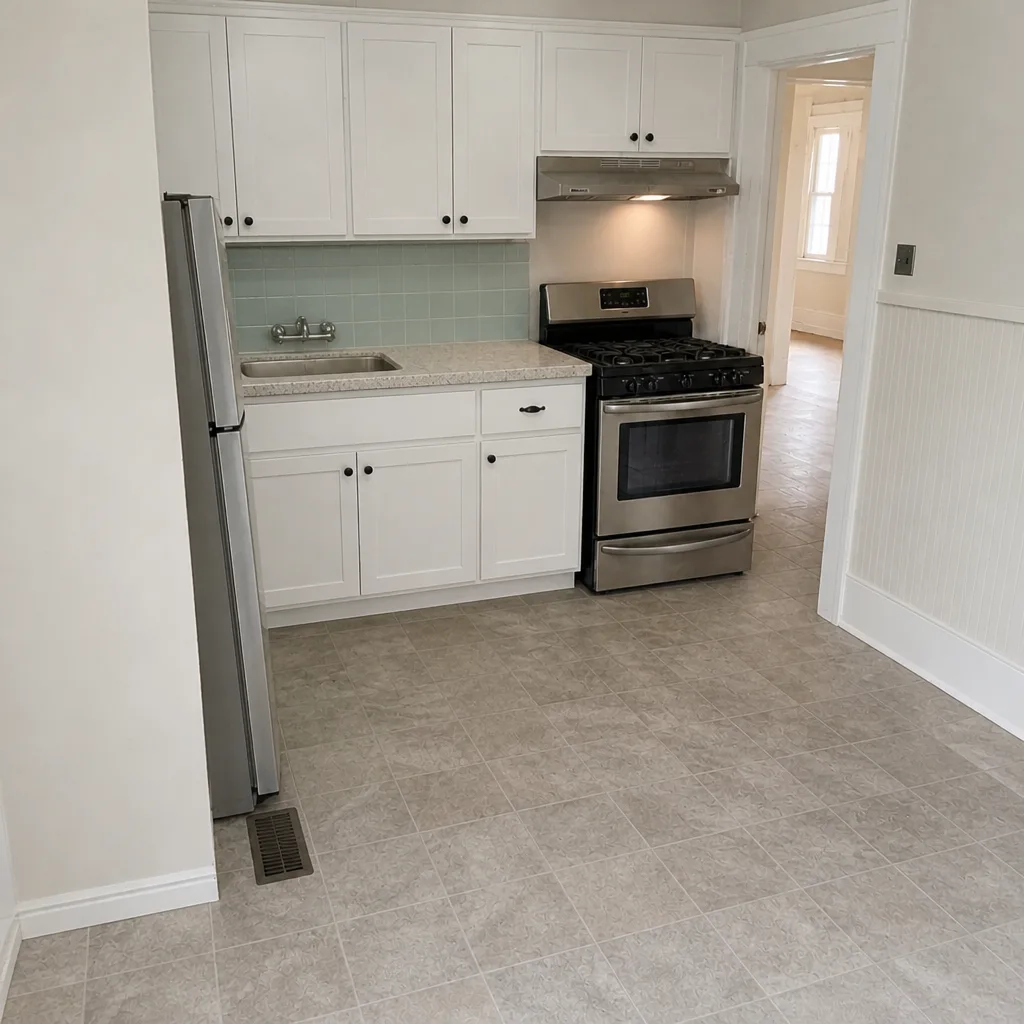 After
 Before
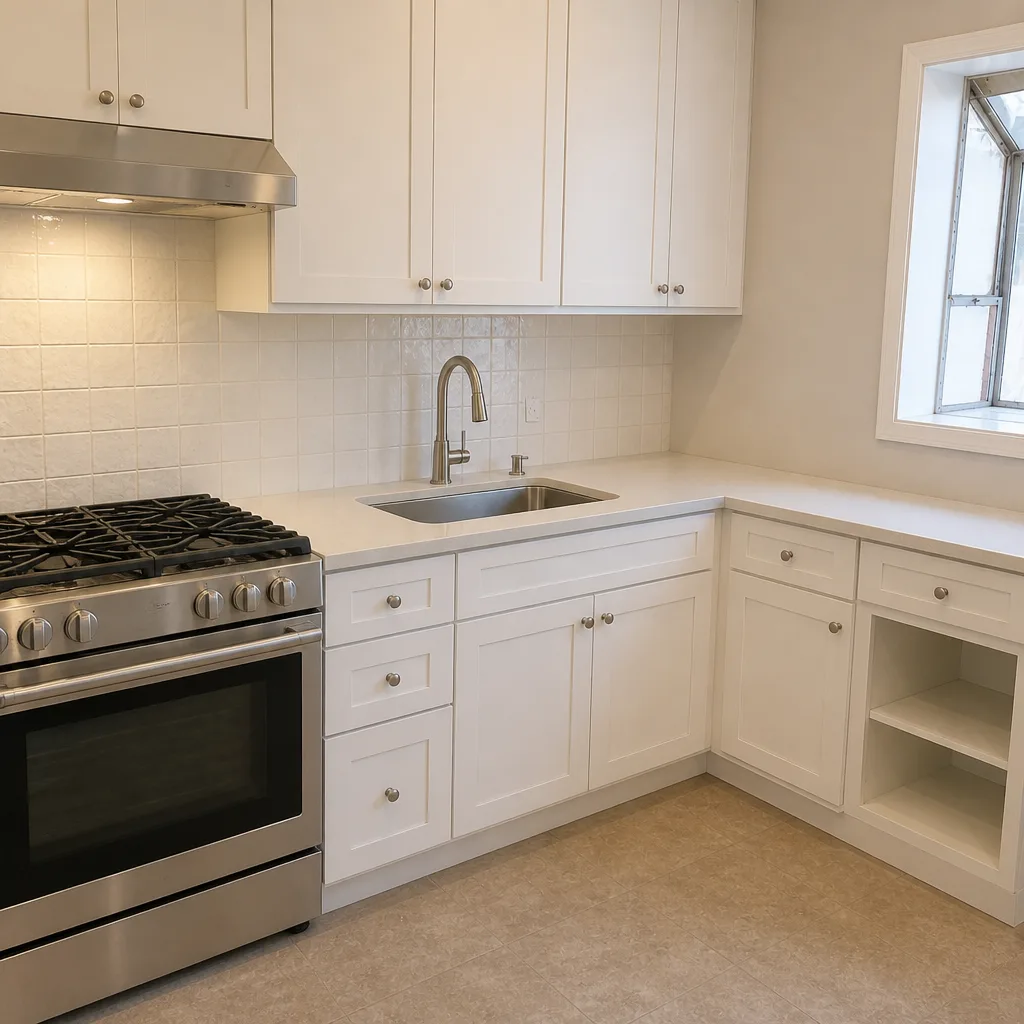 After
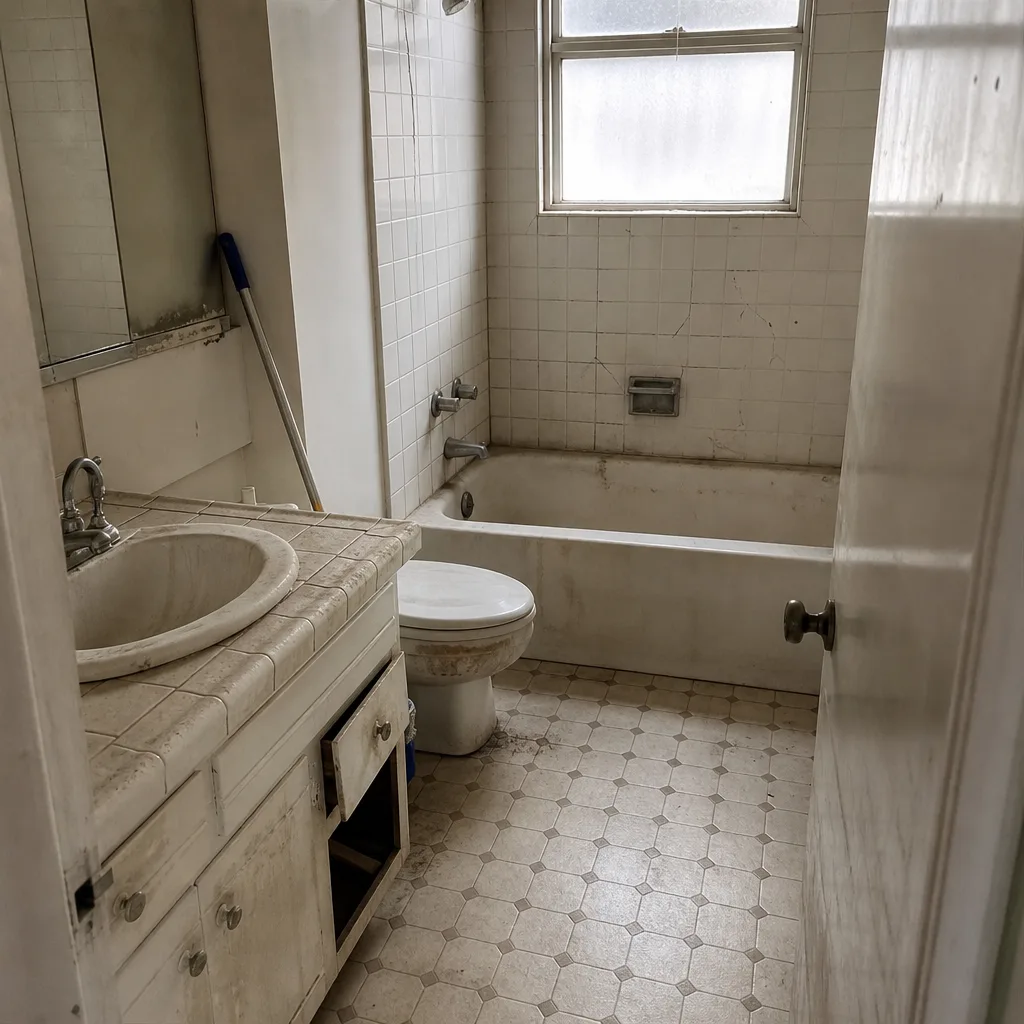 Before
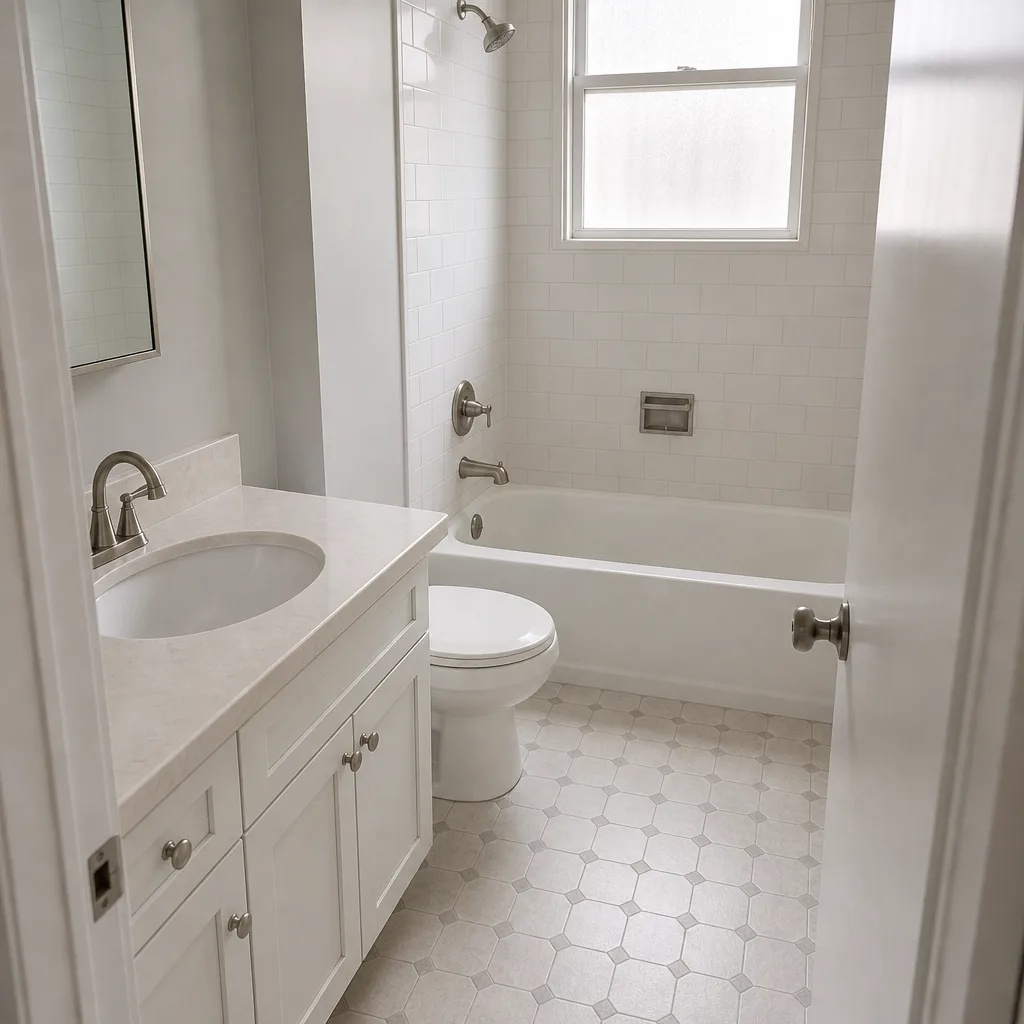 After
When to Call a Professional
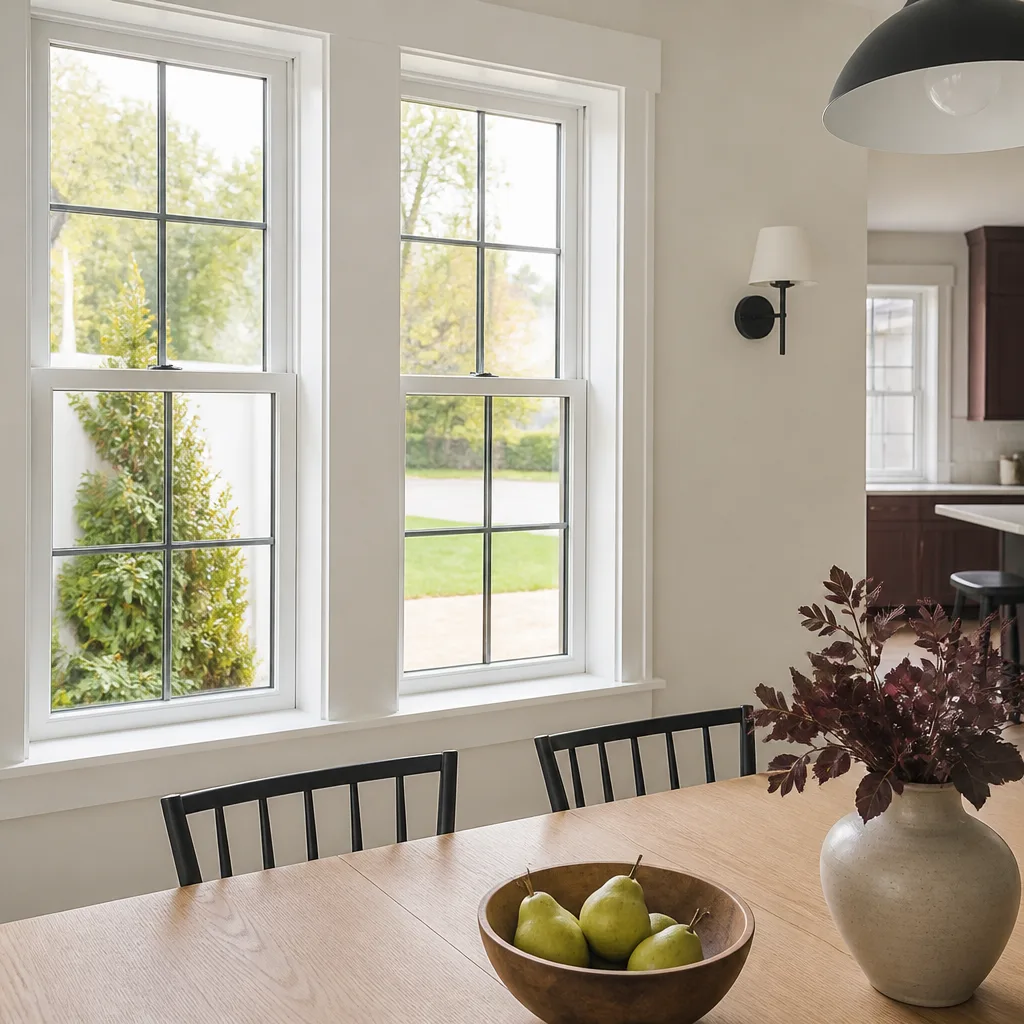
Call a professional when the diagnostic signs point to tier two or tier three: paint bubbling within a foot of a window, efflorescence on interior plaster, a wood frame that yields to a fingernail, a door that no longer closes square, or cracks that grow at window corners. Those signs tell you water or movement is present, and both need to be found and resolved before any surface repair. Get a professional on it before the next storm season. Rowan Construction Group San Francisco offers free estimates in San Francisco – every estimate arrives as a written flat price with a written scope and warranty, and no work starts until you’ve read the number. Call (844) 797-6388 to schedule yours.
When we quote window and door work, the estimate includes the flashing line, the rough-opening inspection, the installation method, and the warranty in writing. You leave the visit with the photo record of what was found.
Frequently Asked Questions
Almost always at least a moisture problem. Paint bubbles push off the wall from behind, which means water is in the wall cavity. The most common source is a failed head flashing or a failed caulk joint above the opening, but interior condensation on cold glass is the other frequent cause. Get the moisture source found before any repaint.
Cosmetic repairs run $100 to $400, functional repairs $200 to $900, and structural repairs start around $1,200 and can pass $6,000 if a wall cavity is involved. The tier you’re in drives the number. Call (844) 797-6388 for an exact quote – estimates are free.
No, when you’re working with us. Our price is written with a written scope before work begins, and no change proceeds until a change order is signed. When the scope expands because we found rot or a failed flashing behind the frame, we document it, price the change, and get your signature before touching it. Our projects finish within a few percent of the number you agreed to.
Yes, where permits are required. Replacement windows and doors and structural repairs at an opening typically require a permit in San Francisco, and the requirements depend on whether you’re doing a like-for-like replacement or changing opening size. The written scope names permit responsibility and inspection before work starts.
Yes. A door that binds at the same point every season is often telling you about foundation or framing movement, especially in older San Francisco homes up on piers. Replacing the door will not fix a building that’s out of square. Get the movement diagnosed.
If the fog is between the panes (an IGU seal failure) and the frame is sound, only the glass unit needs replacement – $300 to $900 per unit. If the frame is soft or distorted, the whole opening needs attention. The fingernail test at the frame corners tells you which.
The Bottom Line
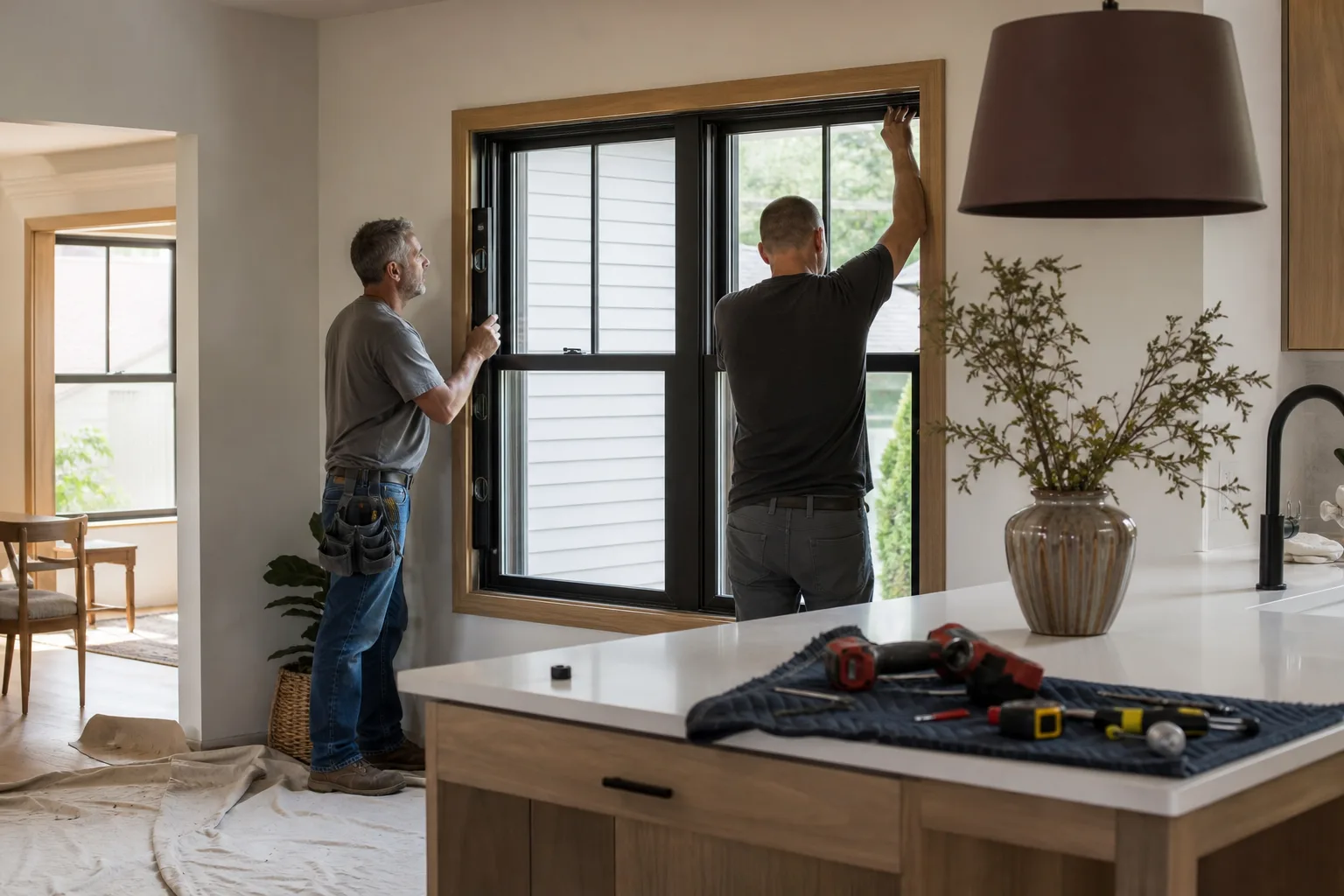
Window and door warning signs come in tiers, and the difference between a cheap fix and a costly one is how quickly you read them. Cosmetic wear runs $100 to $400. Functional wear runs $200 to $900. Structural failure runs $1,200 and up, and the damage climbs the longer water stays in the wall. Paint bubbling within a foot of a frame is water, not paint. Efflorescence on interior plaster is moisture. Stucco cracks that grow at window corners are movement. Frame nothing as decoration that might be structure – get an inspection, demand a written scope and flat price, and check the flashing line on every quote. That’s how we approach window and door work in San Francisco, and it’s how you avoid paying twice.
Rowan Construction Group San Francisco operates under The Haven Standard, which means a written price before any work starts, a signed change order before any scope change, and the 365-Day Done Right Promise: if it’s not done right, we make it right. Every visit includes a photo record of what was found and what was done. Ready to put a number on it? Call (844) 797-6388 for a free estimate.
Written by the team at Rowan Construction Group San Francisco.