Last updated November 17, 2026
Free written scope consultation - allowances, timeline, and change-order rules on paper before a single trade is scheduled
DIY vs Professional Home Additions & ADU: What’s Safe to Do Yourself
In California, an owner-builder can legally construct their own ADU. But San Francisco adds a condition most DIY guides never mention: owner-builders must sign a disclosure acknowledging they cannot sell the property for one year after obtaining an owner-builder permit. That single restriction reframes the whole question. The real line between DIY and professional isn’t skill. It’s what San Francisco’s building code, your lender, and a future appraiser will require to have been done by a licensed contractor. This guide covers which trades you can legitimately take on, which ones create liability, and how partial DIY actually pencils out on a San Francisco ADU.
Quick Answer
In San Francisco, finish-stage work like painting, tile setting, finish carpentry, and insulation installation is genuinely safe and cost-effective to do yourself. Electrical, plumbing, mechanical, and anything affecting the structural shell are not: those permits require licensed oversight, and unpermitted owner-work surfaces as liability at resale. Realistic partial-DIY savings run about $6,000 to $18,000 on a $250,000 ADU; correcting a single failed rough trade runs $8,000 to $25,000. The math only works when you stay on the finish side of the line.
Styles & brands we work with
- Kitchen remodeling
- Bathroom remodeling
- Home additions & ADU
- Roofing
- Windows & doors
- Driveway & pavers
- Fence
Table of Contents
- What California’s Owner-Builder Rules Actually Require in San Francisco
- The Trades That Need a Licensed Contractor No Matter What
- Where Owner Labor Adds Real Value Without Adding Risk
- The Cost Math of Partial DIY on a San Francisco ADU
- Structuring a Contract That Carves Out Owner Labor
- Resale, Appraisal, and Rental Implications
- Common Mistakes to Avoid
- When to Call a Professional
What California’s Owner-Builder Rules Actually Require in San Francisco
California’s Business and Professions Code allows a homeowner to act as their own general contractor on their primary residence. But San Francisco’s Department of Building Inspection layers on a specific disclosure: an owner-builder must acknowledge in writing that an owner-builder permit restricts the sale of the property for one year. If life changes and you need to sell inside that window, you’ve built an asset you can’t easily move.
That one-year restriction matters more in San Francisco than it does elsewhere, because ADUs here are often built with near-term financial goals in mind. A homeowner in Noe Valley adding a 700-square-foot unit over the garage is usually either planning to rent it or sell it with the improved value. A one-year lockout changes the timing of both plans.
The owner-builder route also changes what the permit record shows. When a contractor pulls a permit, the licensed professional’s name is on the record for each trade. When an owner-builder pulls it, the owner is on the hook for every inspection, every re-inspection fee, and every correction notice. In San Francisco, re-inspection fees and the time required to schedule with DBI can add weeks and thousands of dollars to a project that hits even minor code issues.
Our technicians have up to 19 years of experience across seven construction trades, and the pattern we see in San Francisco is consistent: the owner-builder projects that go smoothly are the ones where the owner took the finish scope and hired out everything that touches a permit.
The Trades That Need a Licensed Contractor No Matter What
Electrical, plumbing, and mechanical work on a San Francisco ADU stays with licensed professionals, even under an owner-builder permit. This is not a preference. It’s a practical reality of how DBI inspects and what the trades themselves require.
Here’s how the licensed requirement breaks down on a typical ADU build:
- Electrical: Panel upgrades, subpanel installation, branch circuit wiring, and final connections all require a licensed electrician. Owner-builder status changes who holds the permit, not who can legally install.
- Plumbing: Any work beyond fixture replacement needs licensed plumbing. San Francisco’s older housing stock often has galvanized or cast iron lines that trigger upgrades during an ADU build, and those upgrades are not DIY scope.
- Mechanical (HVAC): Ductwork, venting, and gas appliance connections all need licensed contractors. A gas line in an ADU is a genuine safety risk, not a skill test.
- Structural shell: Foundation work, framing, shear walls, and roof connections require licensed oversight. San Francisco sits on soft soils and within seismic zones, making structural work an area where shortcuts have real consequences.
- Fire and life safety: Sprinkler systems, egress windows, and smoke/CO interconnected alarms fall under licensed trades and specific inspection regimes.
The pattern is simple. If the work requires a permit, the licensed trades handle it. If it can be done finish-side, you can consider it. For the structural and shell work that more and more San Francisco homeowners are adding through Home Additions & ADU in San Francisco, that line is drawn by DBI’s inspection sequence, not by negotiation.
Where Owner Labor Adds Real Value Without Adding Risk
Finish-stage work is where DIY saves money on a San Francisco ADU without triggering permit or liability issues. The key is choosing tasks where your labor doesn’t touch the building’s systems or structure, and where the result can be documented for the appraiser.
These are the tasks where we’ve seen owners legitimately save money:
- Interior painting: Walls, ceilings, trim, and doors. No permit required, no system involved, and the results are visible in any walkthrough. Budget-grade prep and two coats of a quality paint will hold up in San Francisco’s foggy western neighborhoods.
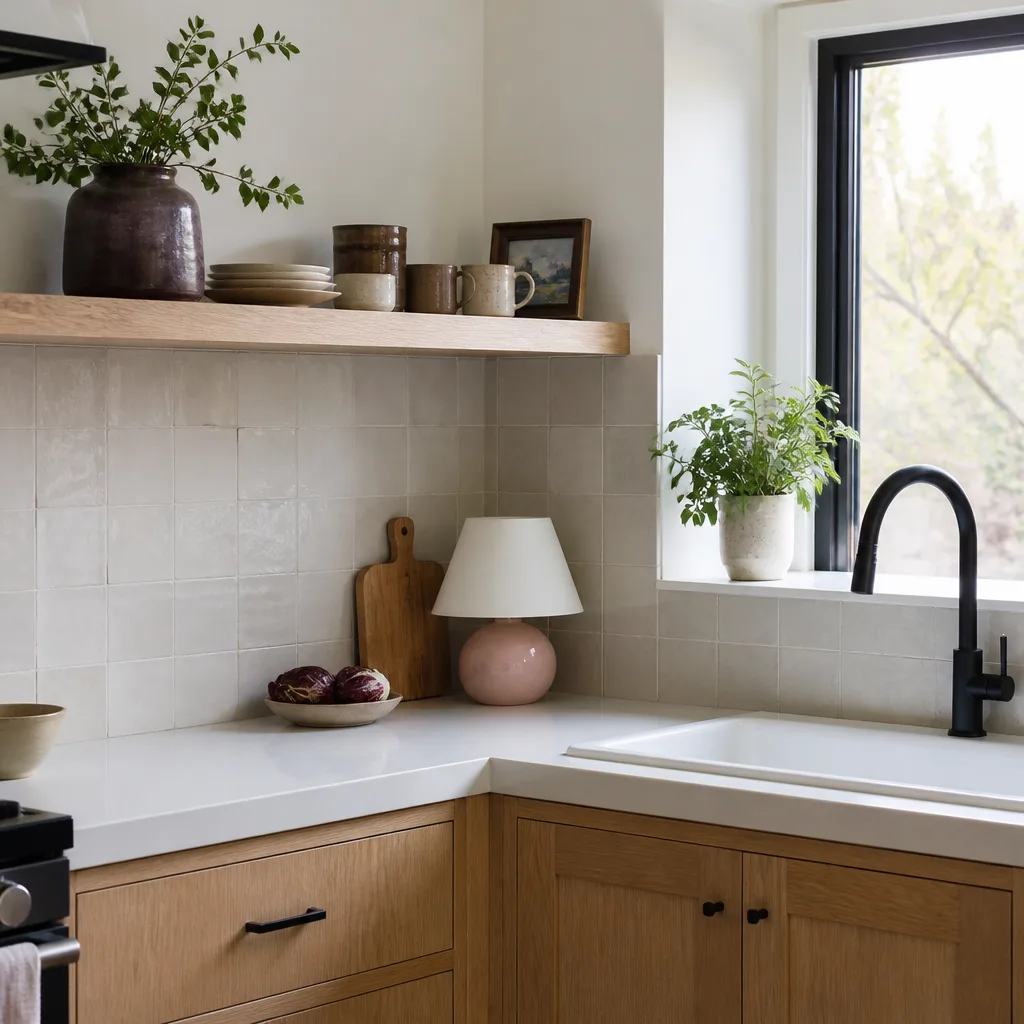
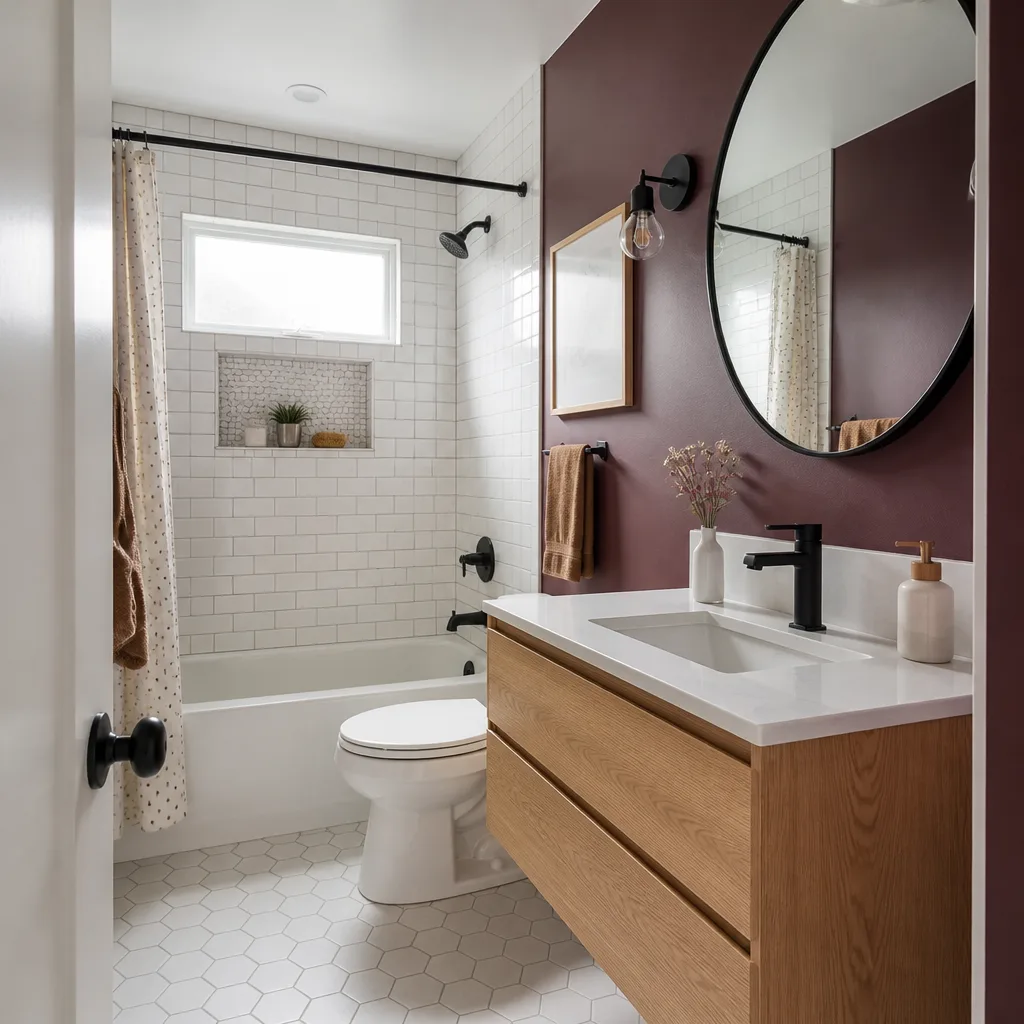
- Tiling: Bathroom walls, backsplashes, and floor tile over an existing, properly-set substrate. The tile setting itself is finish work; waterproofing membranes and shower pan construction are not, and should stay with a professional.
- Finish carpentry: Baseboard, crown, window and door casings, closet shelving. These are cosmetic and reversible. Mistakes cost time, not safety.
- Insulation installation: Batts in open stud cavities. Spray foam and any insulation affecting fire-rated assemblies should stay with the installer.
- Cabinet and fixture installation under supervision: Hanging pre-fab cabinets and setting finish fixtures like a Sterling or Grohe shower trim. Water connections still go to a licensed plumber.
The documentation piece is what makes this work appraiser-visible. Photos of each finish stage, receipts for materials, and a written scope showing what the homeowner completed all feed the eventual appraisal. Without that record, unpermitted-looking finish work can raise flags even when it was always allowed.
Weather matters in San Francisco more than DIY guides admit. Paint should be applied when humidity is stable, ideally not during a foggy June or July stretch. Exterior work on the west side of the city has a shorter reliable window than the east side. Tile set over a slab in a garage conversion should account for the moisture that creeps into older San Francisco foundations.
The Cost Math of Partial DIY on a San Francisco ADU
A realistic San Francisco ADU build falls in the $250,000 to $400,000 range depending on size, site constraints, and finish level. Partial DIY on the finish scope saves meaningfully, but only if you stay on the right side of the line. Below are honest numbers based on what we see on San Francisco projects.
- Interior painting of a 600-square-foot ADU: Materials $800 – $1,400. Contractor cost would run $4,500 – $7,500. Realistic owner savings: $3,000 – $6,000.
- Bathroom tile (walls and floor): Materials $1,200 – $2,500. Contractor cost $5,000 – $8,500. Realistic savings: $3,500 – $6,000.
- Finish carpentry (baseboard, casing, closet systems): Materials $600 – $1,200. Contractor cost $3,500 – $5,500. Realistic savings: $2,500 – $4,500.
- Insulation installation in open cavities: Materials $400 – $900. Contractor cost $2,000 – $3,500. Realistic savings: $1,200 – $2,500.
Add those up and a homeowner taking on the entire finish scope saves roughly $10,000 to $18,000. That’s meaningful money. But the correction cost on the other side of the line is sharper:
- Electrical rough-in failure (panel or branch circuit): $8,000 – $15,000 in re-work, re-inspection, and schedule delay.
- Plumbing rough-in failure (slab or wall): $12,000 – $25,000 including demo and finish restoration.
- Structural or framing correction: $10,000 – $25,000 depending on scope, plus engineering fees.
One failed rough trade wipes out every dollar saved on the finish side, and then some. That math is the whole argument for keeping owner labor on the finish stage. For a detailed breakdown of ADU project costs by scope, the Rowan Construction Group San Francisco home page has the written-price approach on every trade.
Structuring a Contract That Carves Out Owner Labor
A partial-DIY ADU needs a contract that explicitly identifies what the homeowner is doing, who carries liability for that portion, and how the general contractor’s warranty applies when owner work is adjacent to contractor work. If the contract doesn’t say it, no one does.
Here’s the structure that protects both sides:
- A written owner-scope exhibit: A short document listing every task the owner will perform, with a definition of completion for each. Painting the interior of unit X to two coats of Sherwin-Williams Emerald, ready for final walkthrough. Vague scope is where disputes start.
- Insurance boundaries: The general contractor’s liability policy covers its own work. Owner labor should be covered by the homeowner’s policy, and that coverage should be confirmed in writing with the homeowner’s carrier before work begins. Most homeowner policies cover owner-performed work on their own residence; not all do.
- Sequencing and access clauses: Owner labor happens on the contractor’s schedule or not at all. A clause that says finish work starts after rough trade sign-off and inspection, with owner labor planned inside a defined window, prevents the schedule slip that comes from DIY tasks running long.
- Warranty carve-out language: The contractor’s workmanship warranty covers the contractor’s work. Where owner work touches contractor work, the boundary should be spelled out. Under Rowan’s Haven Standard, the 365-Day Done Right Promise applies to work we perform; the contract should name what that means when an owner-installed tile wall meets a contractor-installed shower valve.
- Change order discipline: If your finish scope changes mid-project, the change order process should still apply to the contractor’s side, with the owner scope adjusted in writing at the same time. Clause 1 of the Haven Standard is that no work proceeds on a change until the change order is signed.
Bring any written estimate you have, including one from a competitor, and we’ll review it line by line under our Free Second Opinion offer. The scope boundaries in a partial-DIY contract are usually where the savings get eaten quietly.
Resale, Appraisal, and Rental Implications
The ADU you build in San Francisco becomes an asset the moment it’s finished. What an appraiser and a future buyer’s lender see on the permit record is what the asset is worth.
On the appraisal side, an ADU built under a contractor’s permit with a clean inspection history and a written scope of work appraises as a legal unit with rental income potential. Finish work done by an owner with photos, receipts, and a documented scope usually appraises the same way, provided the record exists. Unpermitted work, even if it’s finish-only, can trigger the appraiser to note “subject to inspection” and hold up the appraisal.
On the rental side, San Francisco’s rent ordinance requires that any unit rented to a tenant be a legal, permitted unit. An ADU that completed every required inspection and holds a certificate of occupancy can be rented legally. An owner-built ADU missing an inspection won’t qualify, and renting it exposes the owner to tenant claims, eviction complications, and city enforcement.
On the resale side, the owner-builder disclosure form attaches to your ownership history. A buyer’s agent will ask about it. If you built under an owner-builder permit and sold within the restriction window, that’s a legal problem. If you built with a contractor holding the permits, the buyer’s lender sees a clean record and lending proceeds without a hitch. That’s the difference between an ADU that adds resale value and one that adds questions.
Common Mistakes to Avoid
- Signing the owner-builder disclosure without understanding the one-year sale restriction. San Francisco enforces this and the restriction is not waivable. If you might sell within a year, use a licensed contractor to pull the permit.
- Assuming “owner-builder” means “owner does everything.” The permit allows you to act as your own general contractor; it does not authorize electrical, plumbing, or mechanical work without licensed trades.
- Starting finish work before rough inspection passes. In San Francisco, drywalling over uninspected rough work creates a re-inspection problem that costs more to fix than the work would have cost to do correctly.
- Skipping the photo record. Documenting finish-stage work with photos and receipts is what makes it appraiser-visible. Without that documentation, an appraiser may not credit it.
- Building without confirming the ADU is legal to rent. San Francisco’s rent ordinance requires a legal unit. Finish quality doesn’t matter if the unit lacks a certificate of occupancy.
- Ignoring San Francisco’s microclimates during finish work. Paint applied in foggy July in the Sunset won’t cure the same as it does in September. Tile set over a cold slab needs the right adhesive and time.
- Doing the demo without a hazmat check on an older building. Pre-1978 San Francisco homes can have lead paint, and pre-1980 homes can have asbestos in tile mastic or insulation. Demo without testing can turn a finish-stage project into an abatement project.
See the difference
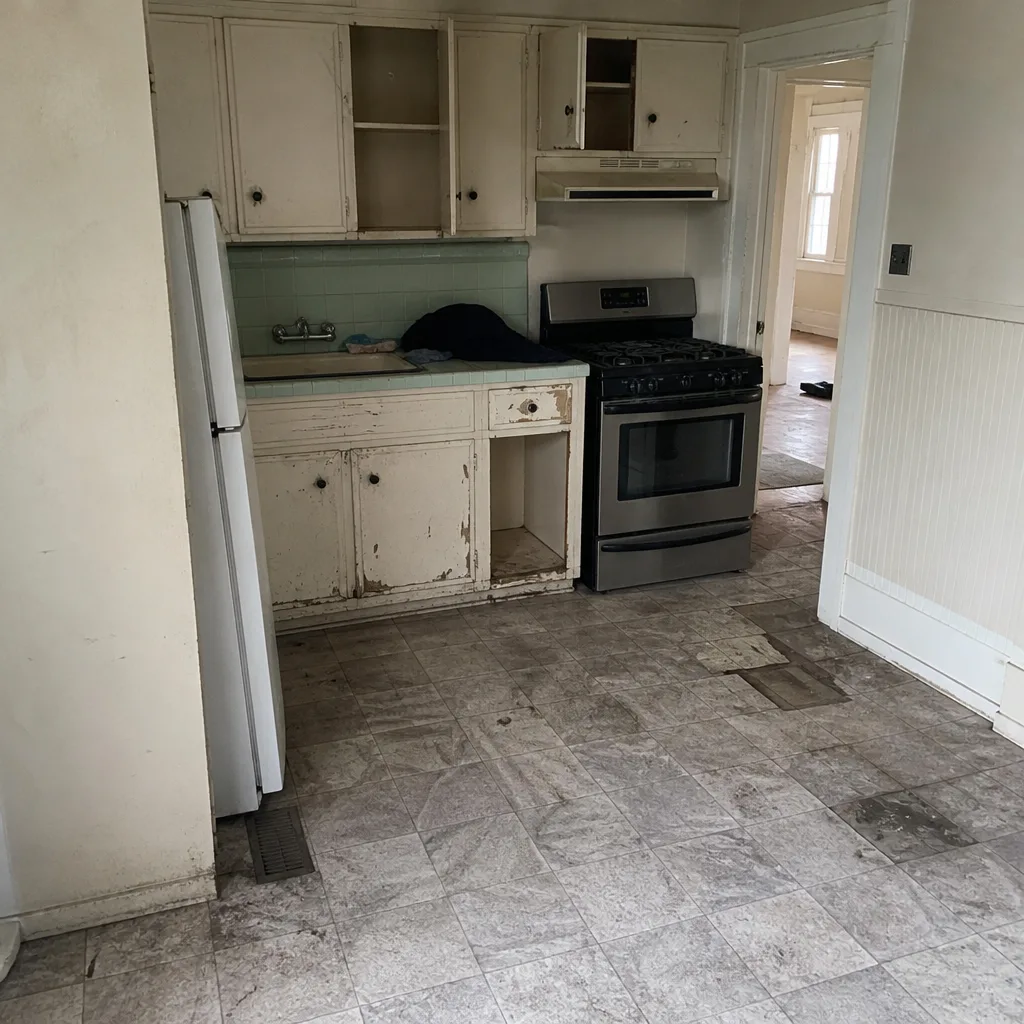 Before
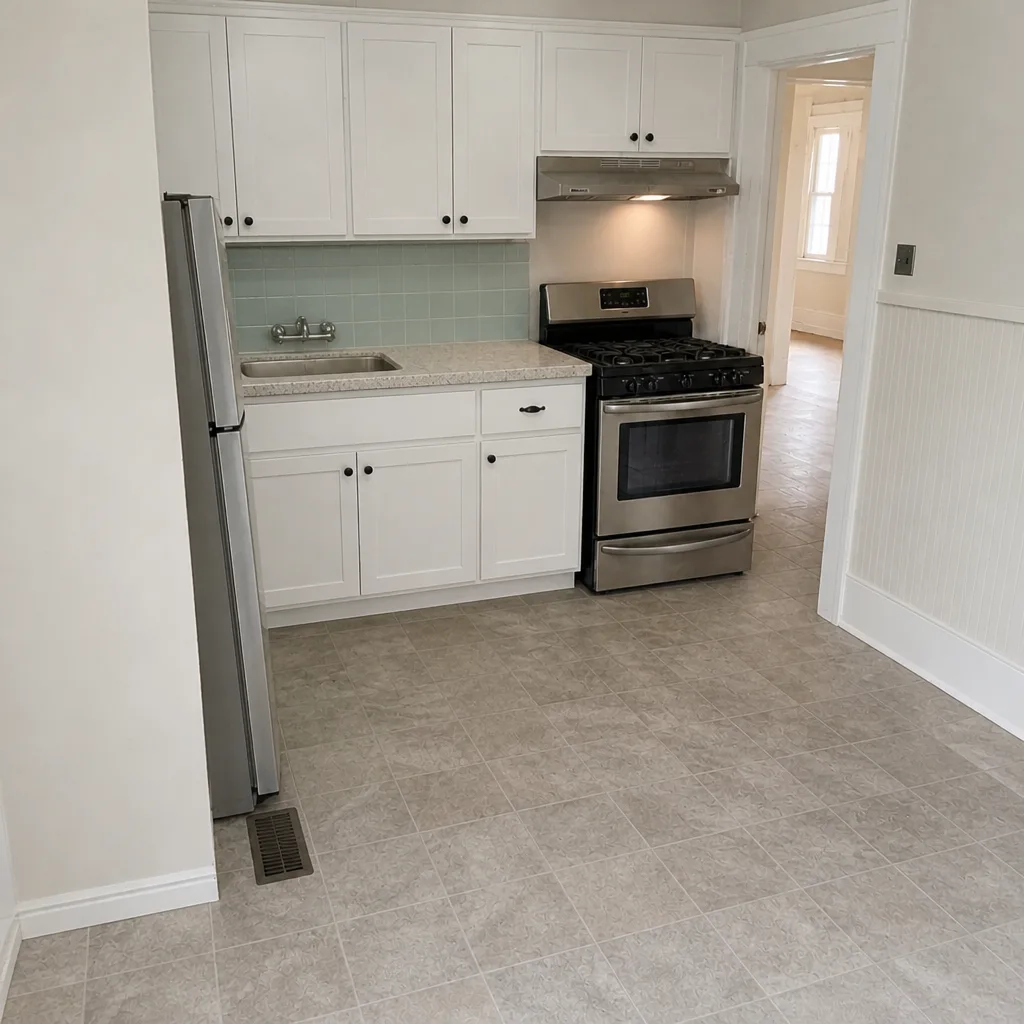 After
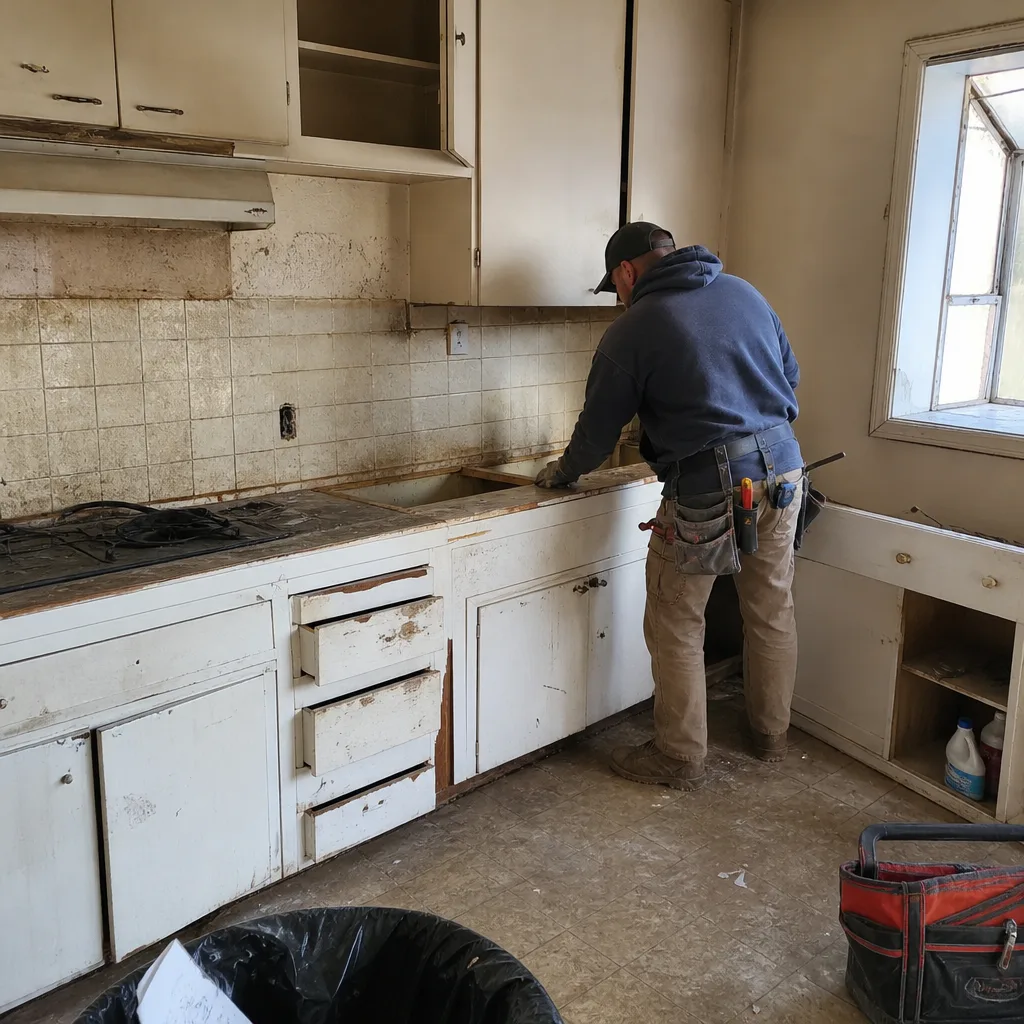 Before
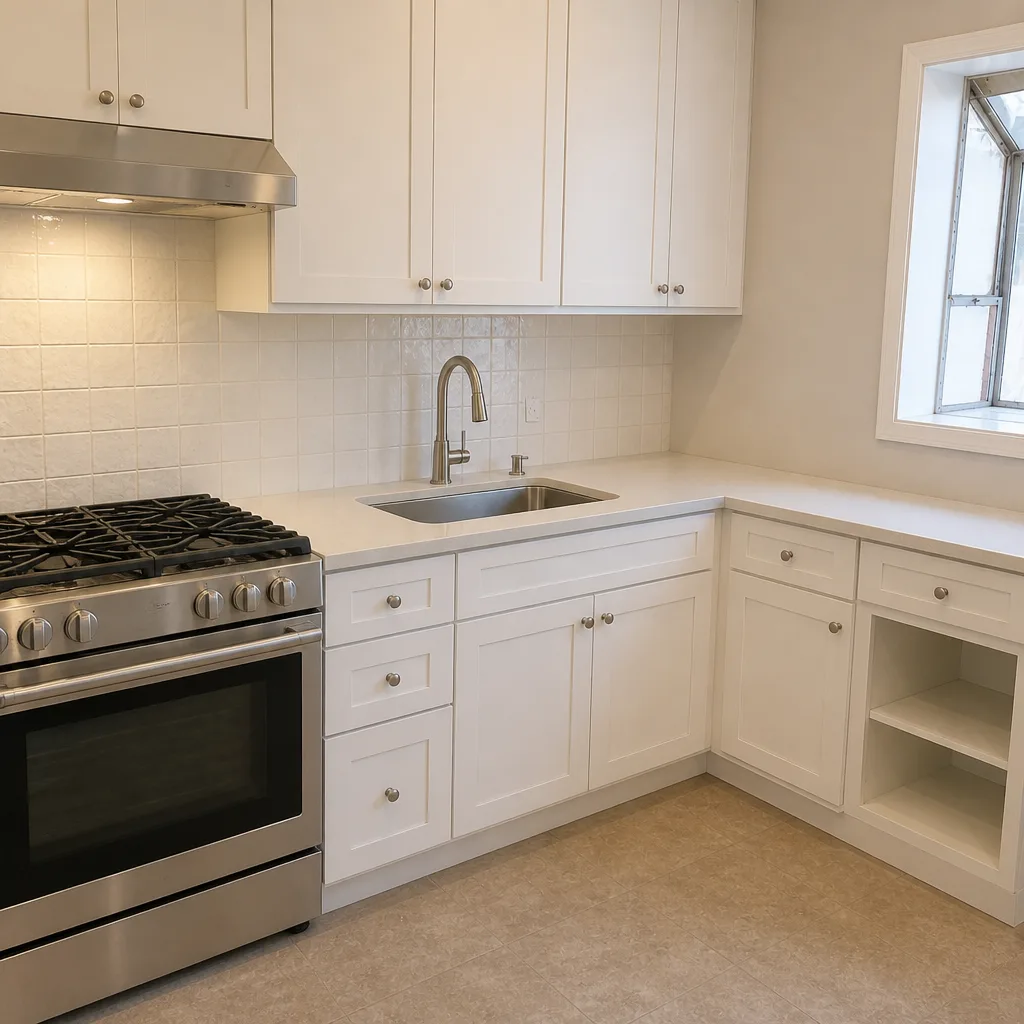 After
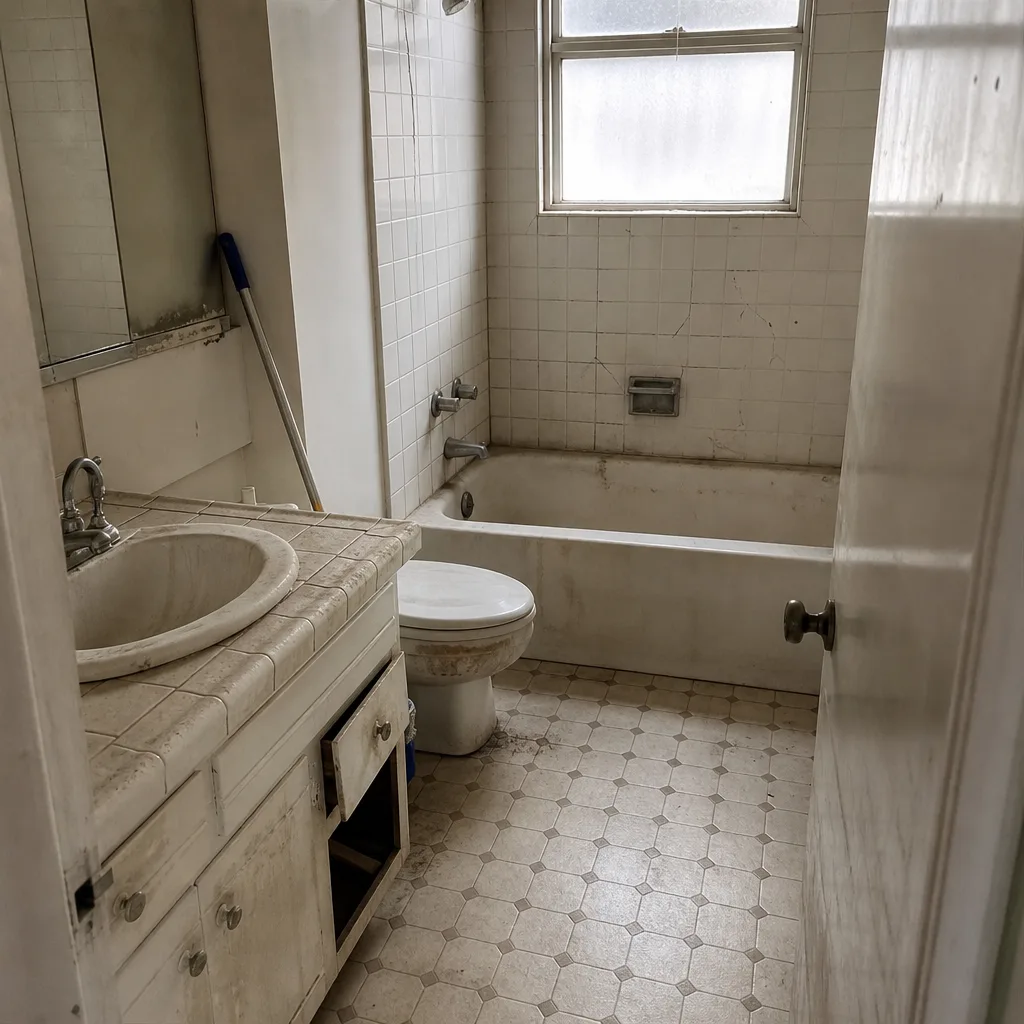 Before
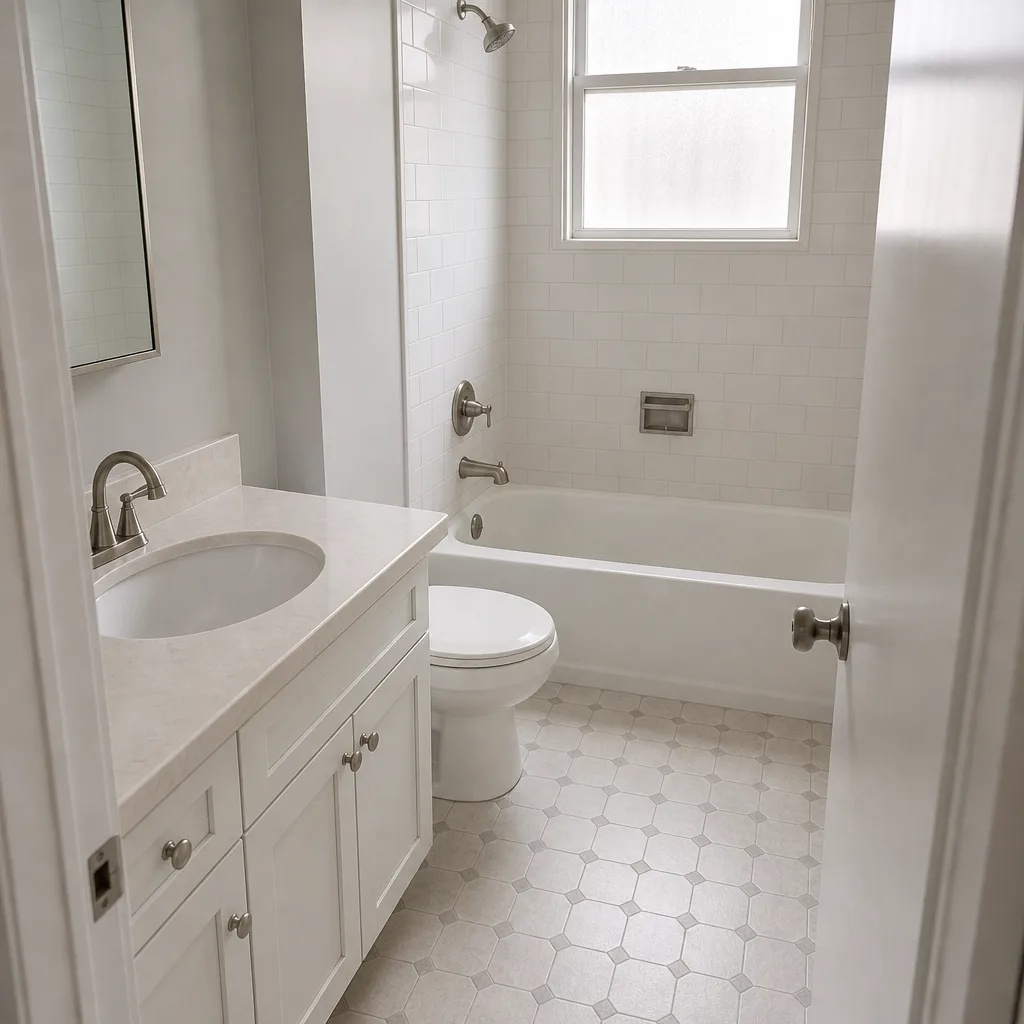 After
When to Call a Professional
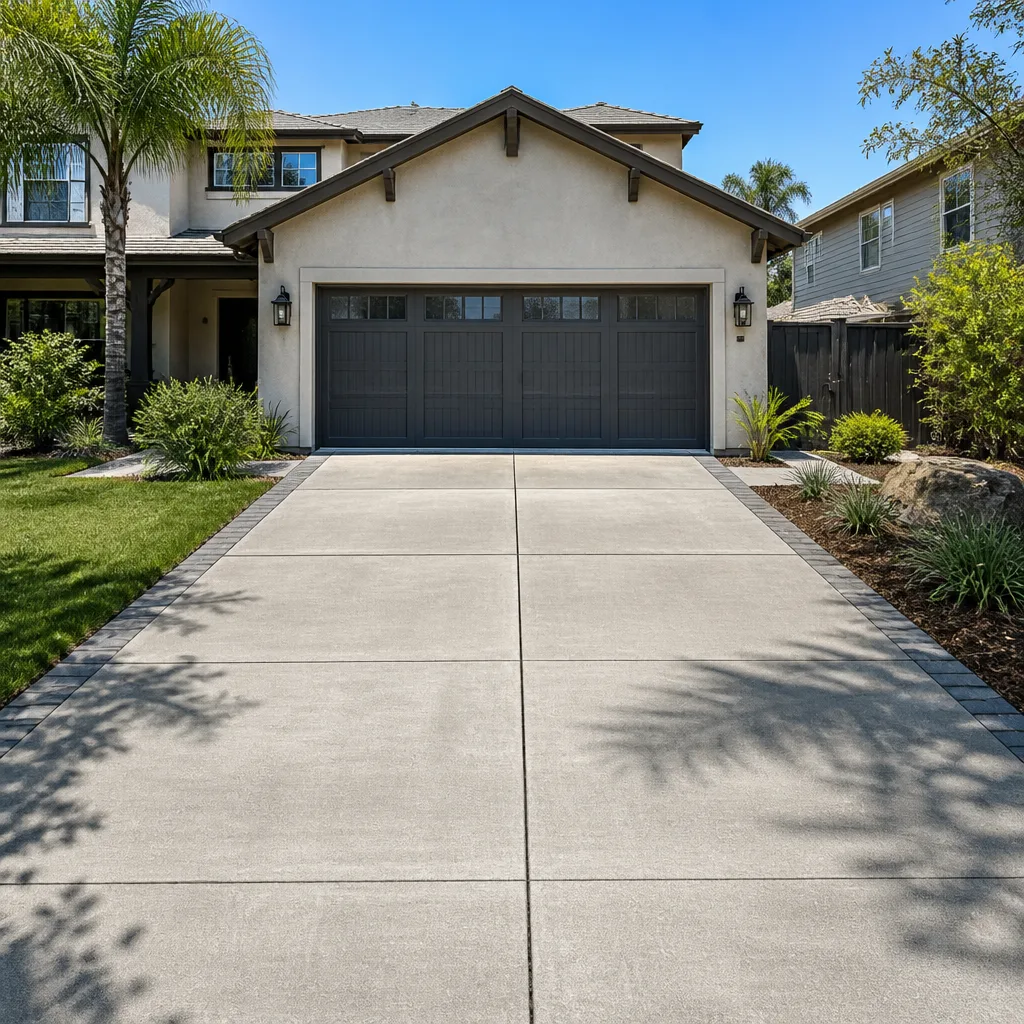
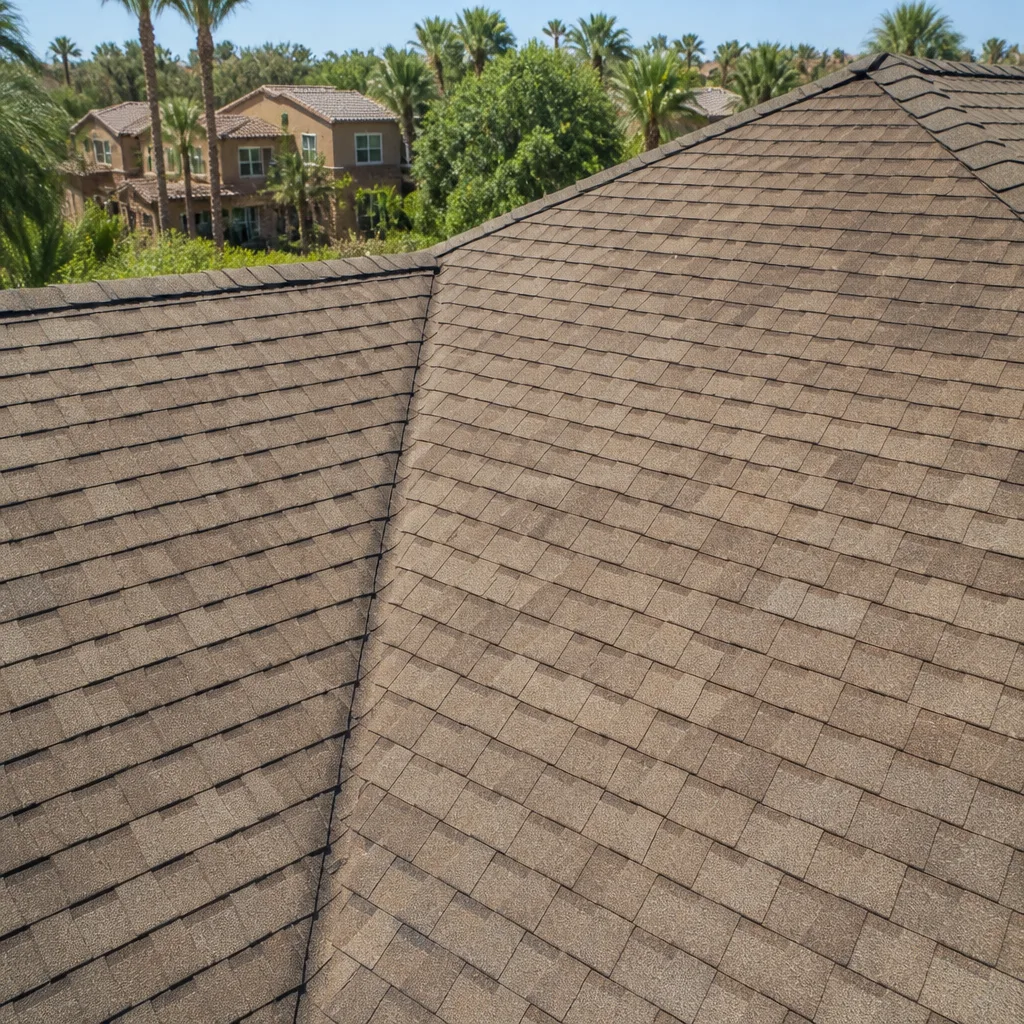
Call a licensed contractor when the work touches a permit, a system, or the building’s shell. That includes every electrical, plumbing, and mechanical task, every structural change, every fire-rated assembly, and any scope that will require a DBI inspection. It also includes anything you can’t complete without affecting the contractor’s schedule or warranty coverage. For San Francisco homeowners who want a written price before the first tool comes out, Rowan Construction Group San Francisco offers free estimates. Call (844) 797-6388 to schedule one. If you’re also planning exterior scope, the crew handles Fence Installation in San Francisco and Driveway & Pavers in San Francisco with the same written-price approach, and roofing work uses GAF and CertainTeed systems specified in the estimate.
Frequently Asked Questions
Yes, but with a written disclosure that restricts resale. California’s owner-builder rules allow a homeowner to act as their own general contractor, and San Francisco requires owner-builders to sign a form acknowledging they cannot sell the property for one year after the owner-builder permit is issued. Electrical, plumbing, and mechanical work still requires licensed professionals. Call (844) 797-6388 if you want the permit and disclosure implications reviewed against your specific ADU plan.
About $10,000 to $18,000 on a typical 600-square-foot ADU if you take on the full finish scope: painting, tile, finish carpentry, and insulation. Savings drop fast if you also try to take on rough trades, because a single failed inspection on electrical or plumbing costs $8,000 to $25,000 to correct. Estimates are free, so it costs nothing to have a written scope in hand before deciding.
No, provided the owner scope is written into the contract before work begins. Every Rowan project is quoted with a flat written price and a written scope, and no change proceeds without a signed change order under Clause 1 of the Haven Standard. The savings from owner labor come out of the quote upfront, not out of the final invoice. Call (844) 797-6388 for a written estimate that reflects your actual owner scope.
Yes. An ADU requires building, electrical, plumbing, and mechanical permits through San Francisco’s Department of Building Inspection. A licensed contractor pulls permits in the company’s name; an owner-builder pulls them in the owner’s name and takes on all inspection and correction responsibility. The cleanest path for resale is permits pulled by a licensed contractor. We pull permits as part of the standard scope, and a written estimate will list every permit and inspection fee.
The appraiser flags it as “subject to inspection” and the buyer’s lender may hold up the loan until the work is permitted or removed. Finish work done by an owner is not the same as unpermitted work, and finish work with a photo record and receipts usually clears an appraisal. What doesn’t clear is uninspected rough work or work that altered the building’s systems. A written scope and documented inspection history are the strongest defense.
Only if the unit is fully permitted and holds a certificate of occupancy. San Francisco’s rent ordinance requires any rented unit to be legal, and an ADU built under an owner-builder permit that missed a required inspection does not qualify. Renting an illegal unit exposes the owner to tenant claims and city enforcement. Call (844) 797-6388 before you finish your ADU if you plan to rent it, and we’ll confirm the inspection sequence that gets you to a legal rental.
The Bottom Line
The DIY-versus-professional question for a San Francisco ADU comes down to where the code line sits, not how handy you are. Finish-stage work like painting, tiling, finish carpentry, and insulation installation can save $10,000 to $18,000 without creating liability. Electrical, plumbing, mechanical, and structural work stays with licensed trades, and a single failed rough inspection wipes out every dollar you saved. The owner-builder permit’s one-year resale restriction, the certificate-of-occupancy requirement for legal rental, and the appraiser’s note on unpermitted work are the three facts that decide how a partial-DIY ADU actually pays out. Get a written price on the licensed portion before you start, and the finish scope stays yours to take on.
Rowan Construction Group San Francisco has delivered more than 4,000 projects under the Haven Standard: written price before any work starts, no change without a signed change order, documented photo record on every visit, and the 365-Day Done Right Promise. Our technicians have up to 19 years of experience across seven trades, and crews are background-checked and uniformed. Call (844) 797-6388 for a free estimate on your ADU or home addition, and bring any written estimate you already have for a line-by-line second opinion at no charge.
Written by the team at Rowan Construction Group San Francisco.