Last updated November 17, 2026


Free written scope consultation - allowances, timeline, and change-order rules on paper before a single trade is scheduled
Driveway & Pavers Maintenance Checklist for San Francisco Homeowners
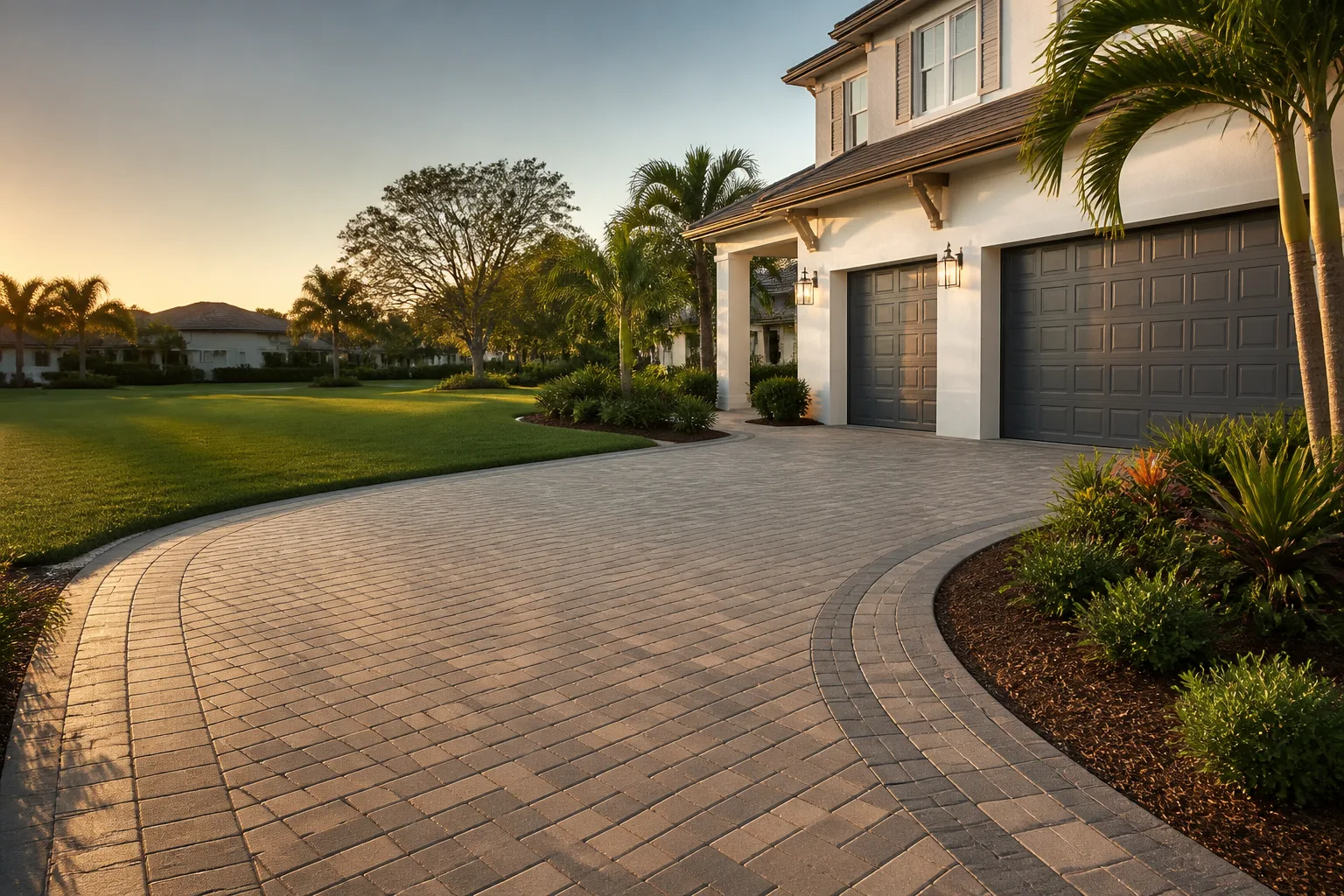
A paver driveway on a San Francisco slope that isn’t re-sanded and re-compacted every 18 months will typically shift 3-5mm per year. That’s enough to create a trip hazard at the garage apron and, on most installer warranties, enough to void coverage inside four years. This isn’t a scare tactic; it’s the pattern we see across the city’s steeper blocks, where marine fog keeps joint sand saturated for weeks and clay-heavy soils swell and shrink with the rainy season. What follows is a maintenance checklist built around that pattern rather than the flat-climate advice you’ll find in most national guides. You’ll learn the three failure points specific to San Francisco driveways, a seasonal calendar tied to real fog and rain seasons, which polymeric sands actually hold up here, and which tasks you can handle yourself versus which ones need a licensed mason to keep your warranty intact.
Quick Answer
In San Francisco, a paver driveway needs three things above all: joint sand topped up every 12-18 months before the rainy season, a polymer-based sand that can survive persistent marine moisture, and a professional inspection if you see efflorescence, heaving, or movement on grades above 10%. Do the first yourself, plan the second into your budget, and call a licensed mason for the third before structural damage sets in. Block-paved surfaces near street trees also need root-barrier checks you won’t find in any general maintenance guide.
Styles & brands we work with
- Kitchen remodeling
- Bathroom remodeling
- Home additions & ADU
- Roofing
- Windows & doors
- Driveway & pavers
- Fence
Table of Contents
- The Three Failure Points Unique to San Francisco Driveways
- Seasonal Maintenance Calendar for San Francisco’s Fog and Rain
- Which Polymeric Sand Brands Survive San Francisco’s Moisture
- How to Read Efflorescence Before Structural Damage Begins
- Which Maintenance Tasks You Can Handle and Which Need a Licensed Mason
- Understanding Downhill Creep on Grades Above 10 Percent
- Root Intrusion from San Francisco’s Street Trees
- Common Mistakes to Avoid
The Three Failure Points Unique to San Francisco Driveways
Most paver maintenance guides are written for a climate that gets a hard freeze and dries out in summer. San Francisco does neither. Our fog season runs roughly June through August, when joint sand can stay damp for weeks and never fully cure. Our rainy season dumps the bulk of the year’s moisture between November and March, sending water into any joint that isn’t sealed and running it downhill across clay soil that expands as it soaks. And our street grid means many driveways in Noe Valley, Bernal Heights, and the hills above Glen Park sit on grades that push every paver downhill by a few millimeters a year.
Here’s how those three pressures interact:
- Fog-saturated joint sand: When joint sand stays damp, it loses its binding ability and washes out during the first heavy rain. The pavers then sit loose and chip against each other under the weight of a car.
- Root intrusion from street trees: Ficus and London plane roots push up pavers near the sidewalk apron, breaking the bond and creating high spots that catch water and accelerate wear.
- Downhill creep on grades above 10 percent: On steep SF blocks, gravity slowly pulls the entire paver field toward the street. Without edge restraints and periodic re-compaction, the field migrates 3-5mm a year, opening gaps at the top of the driveway and pinching pavers at the bottom.
If you only maintain for one of those three, the other two will find you. Our Driveway & Pavers in San Francisco crews account for all three when they quote a job, and they’ll tell you when a job doesn’t call for pavers at all.
Seasonal Maintenance Calendar for San Francisco’s Fog and Rain
Generic spring/fall advice is useless here. San Francisco’s seasons look like this: fog season June through August, dry and warm September through October, rainy season November through March, and a brief shoulder in April and May. Your maintenance schedule should follow that calendar, not the one printed on the box of joint sand.
- April-May (shoulder season): Inspect for winter damage. Walk the driveway and flag any paver that rocks underfoot. Sweep, clean, and photograph the surface with a phone as a baseline record.
- June-August (fog season): Watch for efflorescence (white mineral stains) forming on the surface. Do not seal during fog season; the sealer won’t cure properly. This is the right window for pressure-washing at low PSI, not high.
- September-October (dry window): This is the golden window. Re-sand joints with a polymer-based sand, re-compact with a plate compactor, and apply sealer if the surface needs one. Sealant takes 24-48 hours to cure and needs 70°F-plus weather and no rain.
- November-March (rainy season): Monitor, don’t re-sand. Once water starts flowing, added sand washes out rather than binding. Check drainage at the garage apron and near downspouts after the first big storm, and clear any leaf debris from the driveway edge.
The 18-month cycle matters more than the month. If your last re-sand was in fall 2024, you’re already past due for the next one, and the marginal cost of adding a re-compaction to the same visit is far less than a repair after creep has set in. Writing a maintenance date on a calendar and sticking to it is the single most effective thing you can do for a San Francisco paver driveway.
Which Polymeric Sand Brands Survive San Francisco’s Moisture
Polymeric sand is the joint material that binds pavers together. Cheap builder-grade sand works fine in Phoenix; it does not survive a San Francisco fog season. We’ve seen installations by others where a basic bagged sand washed out completely in two winters. The problem is that standard polymeric sand needs to cure dry, and in a marine climate it never gets the drying cycle it needs before the next rain.
Brands that hold up across our projects include:
- Techniseal HP+: The high-performance line cures harder and holds up measurably better in persistent moisture. We’ve seen joints stay intact through three full wet seasons on Noe Valley driveways.
- Techniseal RG+: A step down from HP+ but still appropriate for gently sloped driveways that get less rain runoff.
- Alliance Gator Maxx: A solid fallback; cures reliably when the installer pays attention to the wash-off window and the temperature.
What matters clinically is the cure cycle, not the bag label. Any polymeric sand applied in June is going to cure slowly and unevenly in fog. Applied in October, it cures cleanly in 24-48 hours. Whoever does the re-sand should be scheduling around the season, not the delivery date. If you’re comparing quotes and one contractor proposes re-sanding in August, ask why. Our technicians have up to 19 years of experience and the differences between these products aren’t obvious until you’ve watched them age in place.
How to Read Efflorescence Before Structural Damage Begins
Efflorescence is the white, chalky mineral staining that appears on paver surfaces and in joints. A lot of homeowners treat it as a cosmetic problem and scrub it off. We treat it as a drainage warning. In our experience, efflorescence on a paver driveway is almost always water migrating through the base and evaporating on the surface, carrying soluble salts from the cement and clay base with it. When it appears in a pattern, especially on the downhill side or near a low spot, it means water is pooling under the pavers where it shouldn’t.
What to look for, in order of seriousness:
- Light, uniform surface haze: Often a one-off from new pavers, or from a recent pressure wash. Clean it and watch. If it doesn’t return, no action needed.
- White lines along specific joints: Water is channeling through those joints into the base. Re-sanding those joints with a polymeric sand is the first step, and a professional should check the base drainage.
- Efflorescence at the bottom of a slope or near drains: Water is pooling and being pushed back up through the paver field. This usually indicates a failed or clogged drainage layer under the pavers and calls for a masonry contractor to open and inspect.
- Efflorescence plus paver heaving or rocking: The base is saturated and failing. This is not a maintenance issue anymore; it’s a repair. Stop driving on it and get a written estimate on the repair scope before the whole field shifts.
Catching efflorescence at stage one is a few dollars of cleaner and a quick inspection. Catching it at stage three is pulling up part of the driveway. The gap between the two is worth the five-minute walk-around.
Which Maintenance Tasks You Can Handle and Which Need a Licensed Mason
Not everything on this checklist needs a contractor, and any mason who tells you it does is padding the invoice. Here’s an honest split of what’s reasonable to do yourself and what isn’t.
Three tasks a homeowner can do safely:
- Sweep and low-PSI wash: A garden hose and a stiff broom, or a pressure washer at low PSI (under 1,500) with a wide nozzle, will not damage a properly sealed paver surface. Don’t point the wand directly at joints.
- Spot-clean efflorescence: A paver-safe efflorescence remover (not straight muriatic acid) applied per the label, then rinsed, handles early surface staining.
- Clear leaves and debris from the garage apron and drainage path: After a heavy storm, a few minutes with a leaf blower keeps water moving off the paving instead of pooling at the doorway.
Two tasks that need a licensed mason or installer:
- Re-sanding with polymeric sand and re-compacting: This looks simple and isn’t. The wrong depth of sand, the wrong cure window, or an under-compacted field will cause the failure within a year. Polymeric sand applied over trapped moisture in San Francisco’s climate fails within two. Doing this yourself will likely void the warranty on the pavement.
- Any base or edge-restraint work: If pavers are moving, the base or restraints are failing. Pulling up pavers to address that is a licensed trade, both because of the work itself and because most manufacturer warranties require a licensed installer for the repair to be covered.
When in doubt, the warranty is the deciding factor. Read the terms of your original installation before picking up a tool, and if you don’t have them, ask the installer. When we install, a written warranty document lives with the customer – under Clause 1 of the Haven Standard, it’s part of the paperwork, not an asterisk.
Understanding Downhill Creep on Grades Above 10 Percent
On a San Francisco driveway steeper than 10 percent – think Bernal Heights, upper Noe Valley, the blocks above Dolores Park – gravity is a slow adversary. The pavers themselves don’t slide in a sheet; they creep. The field migrates toward the street a few millimeters a year, opening wider joints at the top of the slope and pinching pavers together at the bottom until they chip against each other.
What to watch for, in order:
- Widening joints at the top of the driveway. This is the first sign of creep. Joints that were 3mm are now 5-6mm and holding sand less well.
- Chipped or crushed pavers at the bottom apron. Pavers pressing against each other crack diagonally from the corner.
- A visible lip where the first row meets the sidewalk. This means the field has migrated far enough that the edge restraint has been loaded past its design.
- Rocking underfoot on the middle rows. The base has shifted and is no longer supporting the field evenly.
Whichever stage you’re at, correct repair is not simply pushing the pavers back into place. On grades above 10 percent, a proper fix involves checking the edge restraints, re-compacting the top course, and possibly installing a soldier course or a small retaining detail to keep the field in position. That’s a mason’s work, and the earlier it’s caught, the smaller the job.
Root Intrusion from San Francisco’s Street Trees
Street trees are part of what makes San Francisco neighborhoods what they are. Ficus trees in the Mission, London planes in the avenues, and the occasional sidewalk palm all throw roots that reach well beyond the sidewalk and under the paver field. When roots lift a paver near the apron, water finds the gap, and within a season or two the surrounding pavers are rocking.
What you can do at home:
- Watch the first 3-4 feet of the driveway near the sidewalk. This is where root intrusion shows first, as subtle lifting or a paver that feels high underfoot.
- Talk to Public Works before any root cutting. Removing a street tree root without approval can violate city tree ordinance and lead to a fine – the fine is usually larger than the repair.
- Photograph the lift. A dated phone photo of a lifted paver is enough evidence for the city or the tree owner’s insurer to take the issue seriously if damage escalates.
If the roots are already lifting two or more pavers, that’s a job to hand off. Doing the repair wrong causes irrigation-adjacent damage to the sidewalk, and there’s a real risk of voiding any warranty on the pavement. Our crews flag root intrusion in their inspection of any San Francisco driveway before quoting a repair, because the fix affects the plan. If a site plan is likely to shift in the next few years – a fence line moving, an addition going in – the pavement work should sequence around it. See our Fence Installation in San Francisco and Home Additions & ADU in San Francisco pages for how those projects interact with hardscape.
Common Mistakes to Avoid
- Re-sanding during fog season. June through August in San Francisco, and the polymeric sand will cure unevenly or not at all. Wait for the September-October dry window.
- Using basic or bargain polymeric sand on a marine-climate driveway. It won’t survive two rainy seasons in the Sunset or Richmond. The difference in cost between a basic bag and Techniseal HP+ is small compared to re-doing the job in 18 months.
- Power-washing at high PSI directly into joints. It strips the joint sand in minutes and damages the base under the pavers. Low PSI, wide nozzle, and never straight down.
- Pressure-washing before adding sand instead of after sweeping. Wash, dry, then sand. Doing it in the wrong order packs wet sand into wet joints and creates a mushy layer that fails on the first freeze (San Francisco rarely freezes, but the joint failure happens without one).
- Ignoring early efflorescence as “just a stain.” White mineral staining means water is moving through the base. Treating it as cosmetic lets real drainage problems run for another year.
- Cutting street tree roots without city approval. Public Works fines for unpermitted tree root removal are substantial and the repair isn’t covered by any paver warranty.
- Doing the re-sand and re-compaction yourself to save money. Under-compacted fields fail, and most installer warranties are invalidated if the homeowner performs that work. You save a small amount on the front end and pay for the repair later.
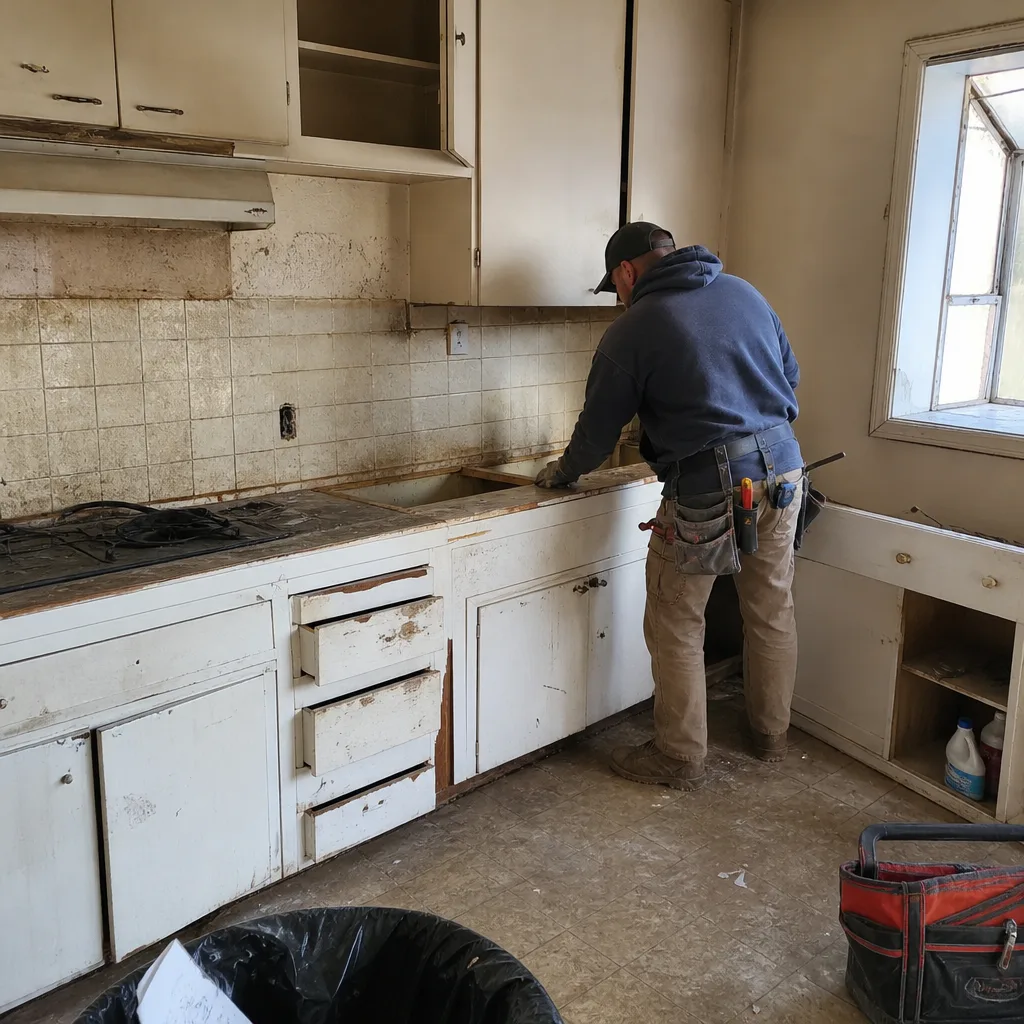
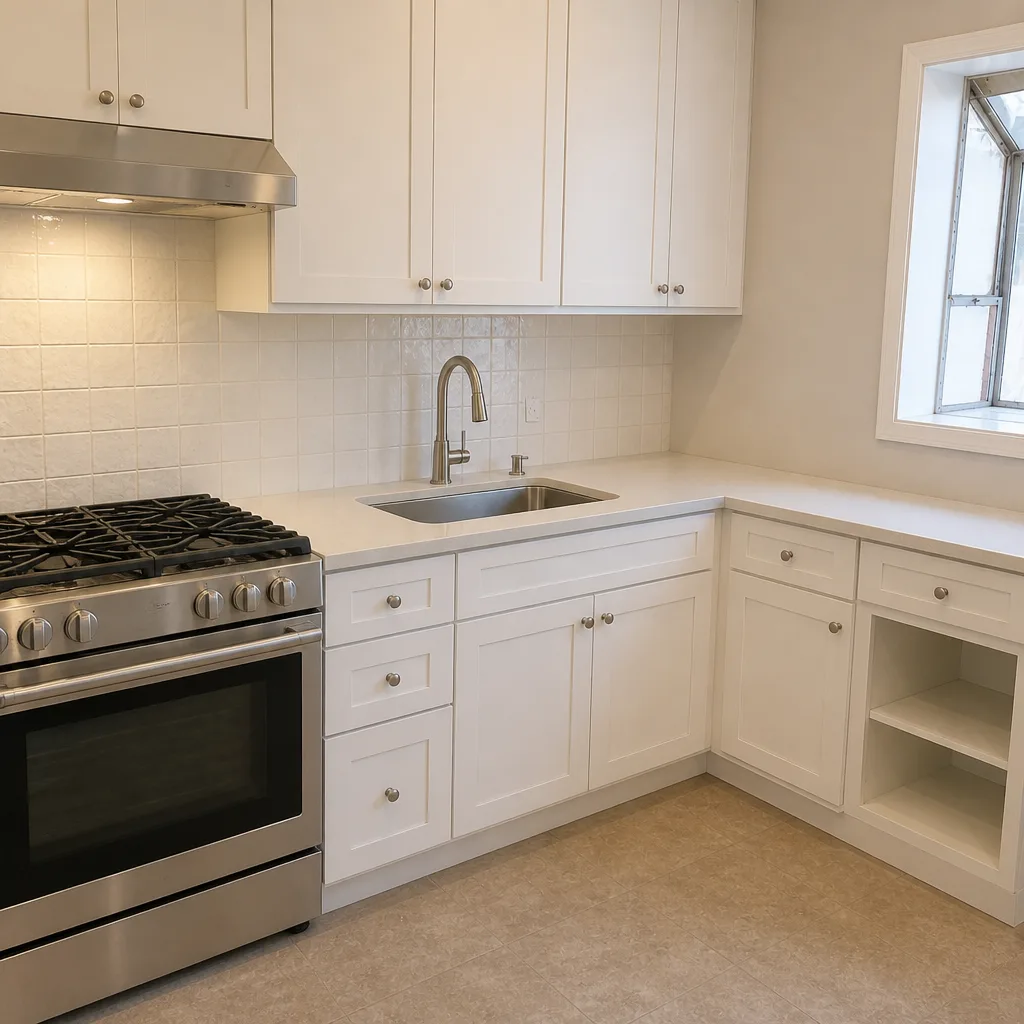
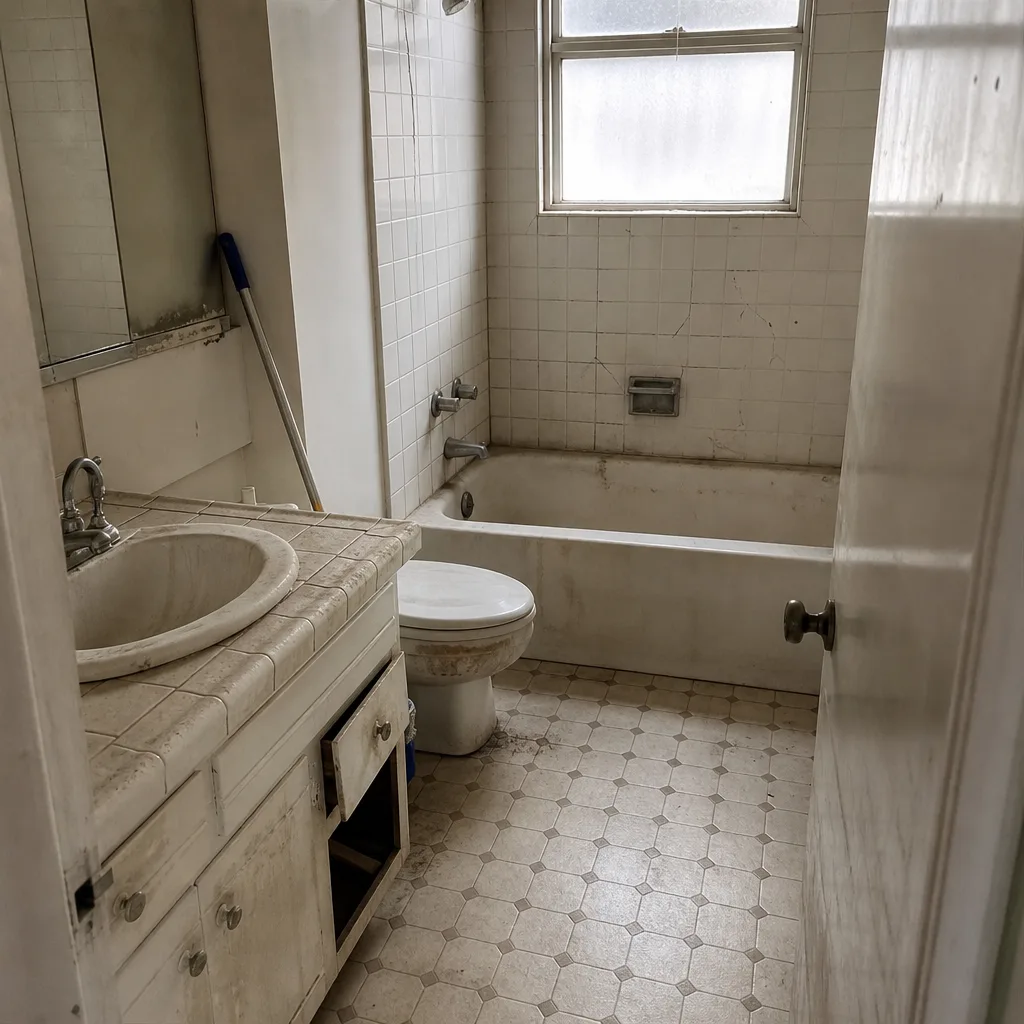
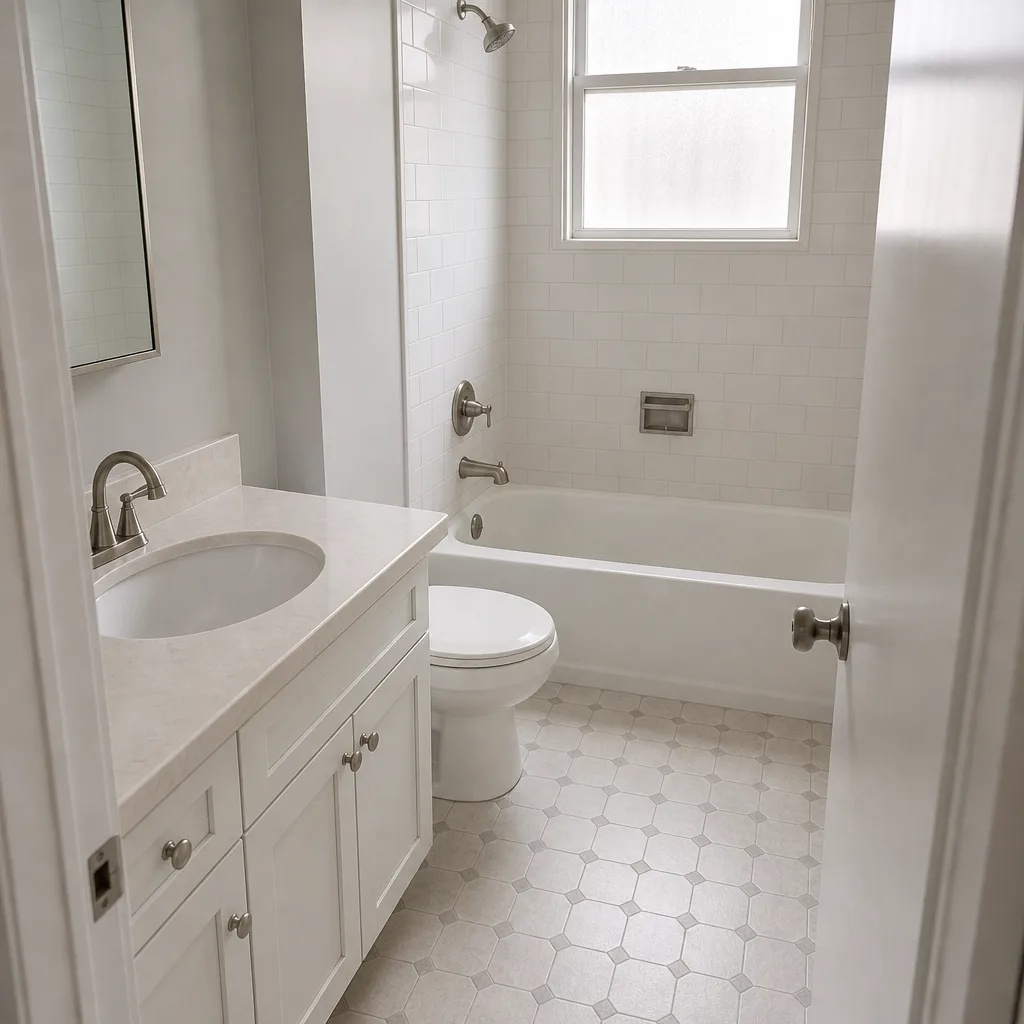
See the difference
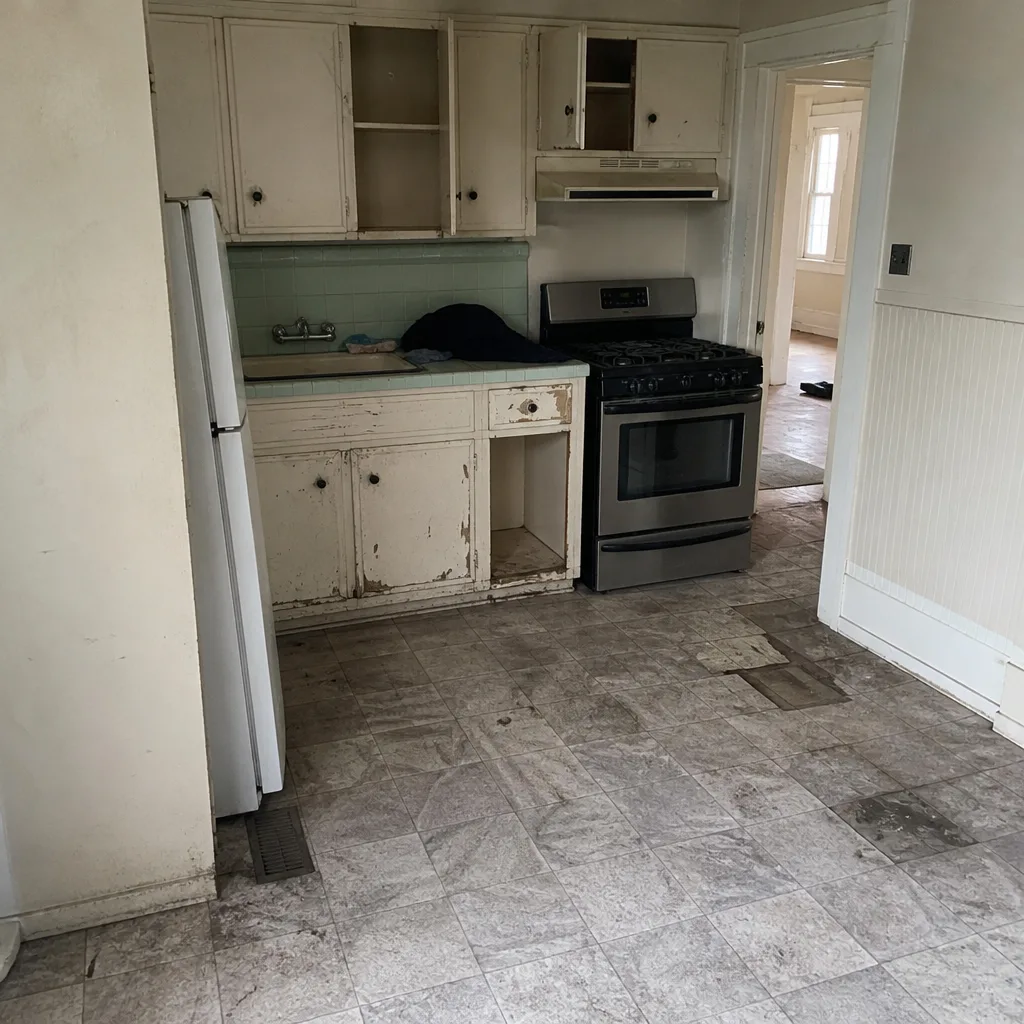 Before
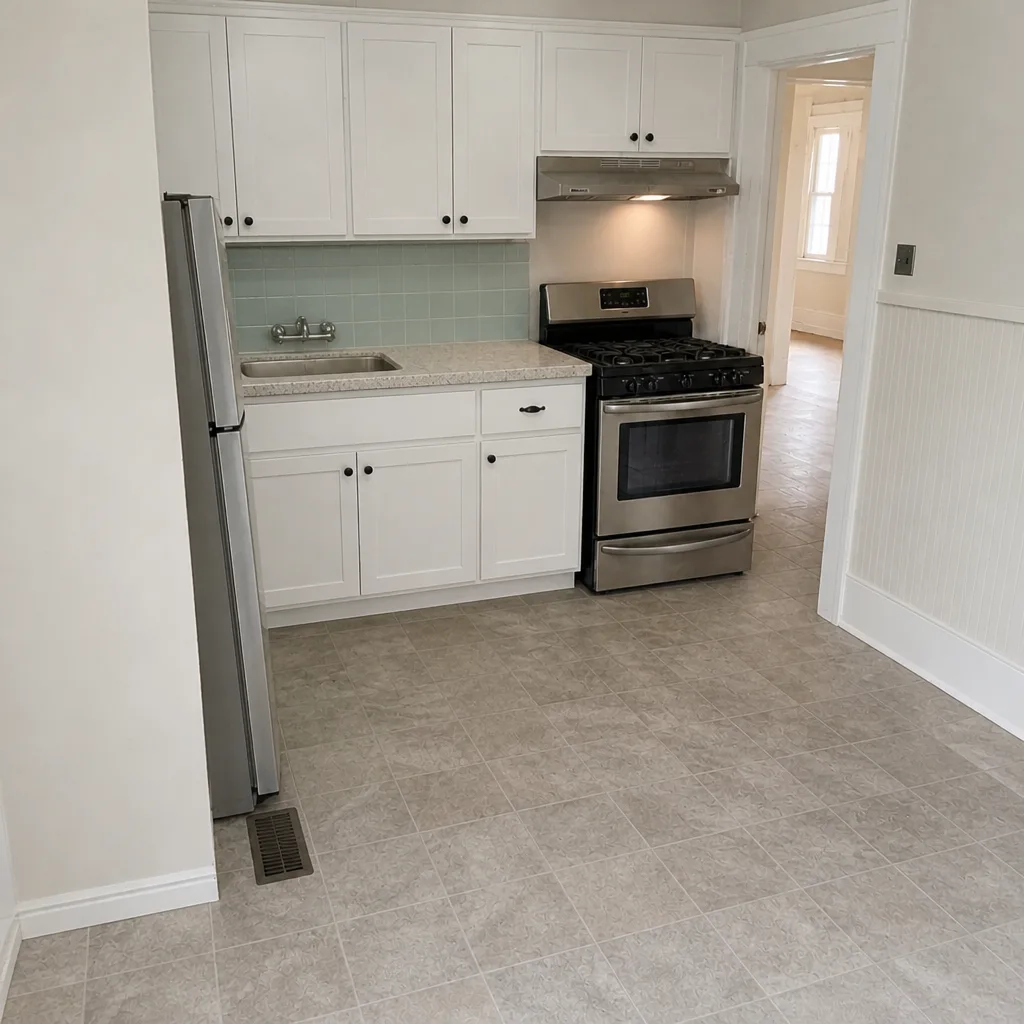 After
 Before
 After
 Before
 After
When to Call a Professional
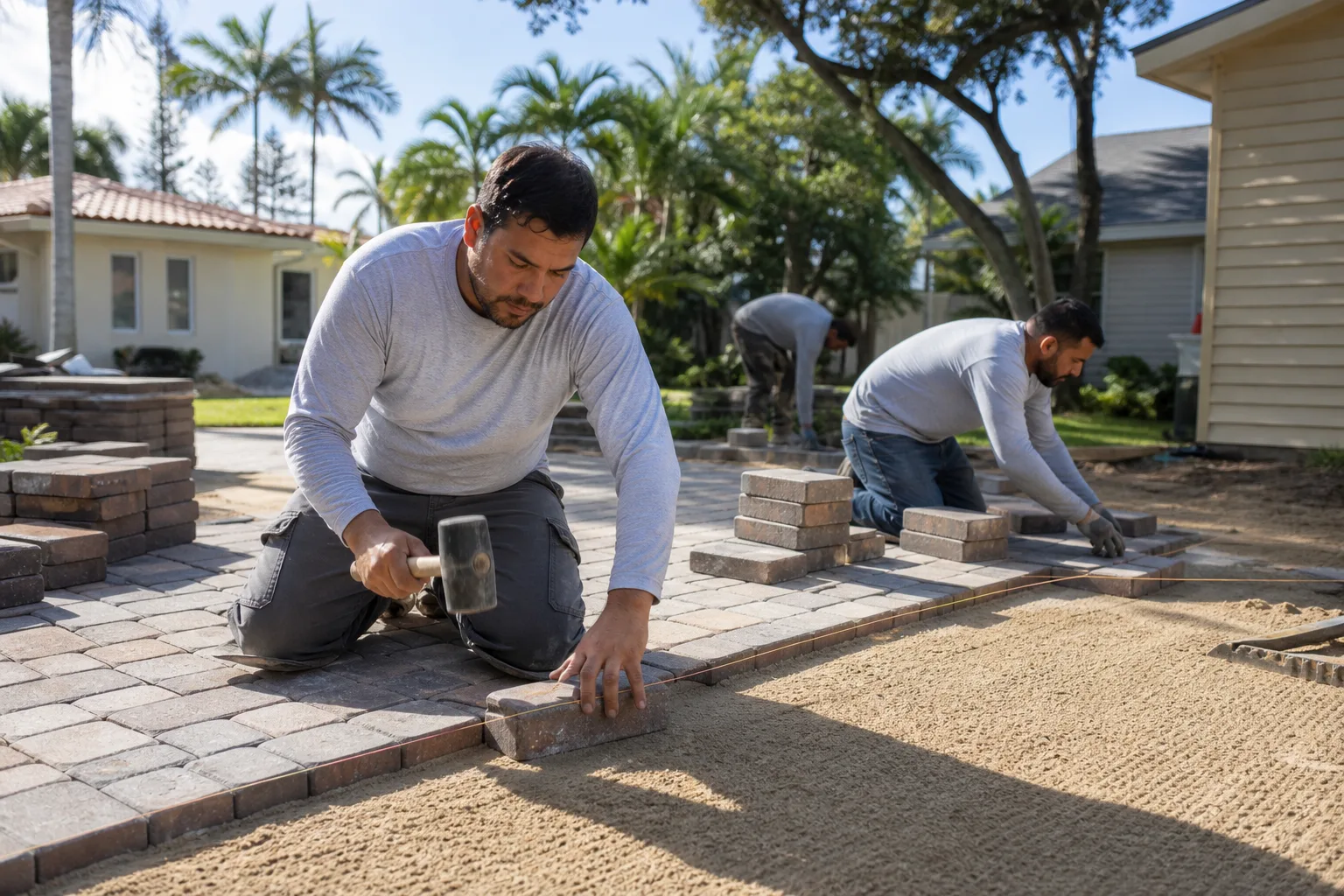
Call a licensed contractor if any of the following apply: pavers are visibly rocking underfoot; the joints at the top of your driveway have widened by more than 2mm in a single year; you’ve noticed heaving, sinking, or a lip where the pavement meets the sidewalk; efflorescence has returned to the same joint pattern after cleaning; or street tree roots have lifted two or more pavers. These are all signs the base or restraints are failing, and none of them are solved by adding more sand on top without proper diagnosis. A licensed mason will open the affected area, inspect the base and restraints, and give you a scope and price in writing before work starts.
Rowan Construction Group San Francisco offers free estimates in San Francisco. Bring a competitor’s written quote if you have one – the Rowan Construction Group San Francisco home page describes how the Free Second Opinion works on any written estimate. Call (844) 797-6388 to schedule a walk-through. What you get before any work starts is a written price with a written scope, and a documented photo record of what we found, so you can compare it against another estimate line by line.
Frequently Asked Questions
Every 12-18 months, and always in the September-October dry window just before the rainy season. Fog season (June-August) is the wrong time because polymeric sand can’t cure properly in persistent marine moisture. If you’ve owned the property for more than two years and the driveway hasn’t been re-sanded, it’s due. Call (844) 797-6388 for an exact quote on a professional re-sand and re-compaction – estimates are free.
That’s efflorescence, and it means water is moving through the base and evaporating on the surface, carrying soluble salts with it. Early surface haze is usually minor; white staining concentrated in joints, at the bottom of a slope, or near drains is a drainage warning and warrants a professional inspection. Don’t scrub it off and move on. Get the underlying water issue diagnosed first.
On a properly installed driveway where only the very top of the joint has thinned, you can top off with a matching polymeric sand during a dry window – but only if you know which sand was used originally. Do not attempt a full re-sand and re-compaction yourself. Under-compacted fields fail within a season in a San Francisco climate, and most installer warranties are voided when the homeowner does that work. Call (844) 797-6388 to compare a professional re-sand estimate against what a self-job would cost you after a do-over.
Movement on Bernal Heights grades usually has three causes: downhill creep on slopes above 10 percent, base erosion from poor drainage at the top of the slope, or root intrusion from street trees. All three are diagnosable in one inspection. Don’t spend money on re-sanding until a mason has confirmed the base and edge restraints are holding; adding sand over a moving field just hides the problem for a season. Call (844) 797-6388 for a free estimate on inspection and repair scope.
A professional re-sand and re-compaction on a typical two-car San Francisco driveway typically runs $600-$1,400 depending on square footage, existing joint condition, and which polymeric sand is used. A targeted drain or edge-restraint repair on a failed section runs $500-$2,000 depending on access. Efflorescence treatment on surface staining is often a modest line item within a larger maintenance visit. Every job is quoted with a written price and written scope before work starts – call (844) 797-6388 for a firm number.
Yes, in most cases. A fence or ADU project near the driveway often means trucks on the field, changes to drainage patterns, or excavation near edge restraints – any of which can void a warranty if done without the installer’s awareness. Sequence the projects and tell your paver installer what’s planned. If you’re planning an addition or ADU, do the hardscape work after the heavy construction is complete. Call (844) 797-6388 to sequence a driveway review with a fence or ADU project.
The Bottom Line
San Francisco pavers don’t fail because they’re cheap. They fail because they’re maintained like pavers in Phoenix. The climate here – fog through summer, rain through winter, clay soil that swells and shrinks, and street trees that push roots under the field – hits pavers with three pressures in sequence and one on every steep block above them. Get the seasonal calendar right, use a polymeric sand that survives marine moisture (Techniseal HP+ is what we specify), read efflorescence as a drainage warning rather than a cosmetic nuisance, and hand off the base and re-compaction work to a licensed mason. Do those four things and a well-installed paver driveway in San Francisco holds up for decades. Skip them, and you’re re-doing the field in six years.
Rowan Construction Group San Francisco quotes driveway work with a written price and a written scope before any tool picks up work – the same discipline that has kept our projects within a few percent of the agreed cost across 4,000-plus jobs. Every visit includes a documented photo record as a standard deliverable, not an upgrade. If you’d like a free estimate on re-sanding or repair, or a second opinion on a competitor’s quote, call (844) 797-6388. Our technicians have up to 19 years of experience, they’re background-checked and uniformed, and a live person answers the phone. Estimates are free.
Written by the team at Rowan Construction Group San Francisco.