Last updated November 17, 2026
Free written scope consultation - allowances, timeline, and change-order rules on paper before a single trade is scheduled
How Long Does Bathroom Remodeling Take? Timelines and What to Expect
San Francisco DBI’s over-the-counter permit review for a standard bathroom remodel averages 2 to 4 weeks. If the project touches structure, it moves to plan check and that wait stretches to 6 to 10 weeks before a single tool enters the room. Yet most published timelines cheerfully promise “2 to 3 weeks of work.” Both are true, and that gap is exactly where homeowner plans fall apart. A bathroom quoted as three weeks of labor routinely runs 10 to 14 weeks from the day you sign to the day you take the final inspection card off the door. This guide walks every phase, including the waiting ones, so you can plan around bathroom access and a real calendar instead of a best case.
Quick Answer
A full bathroom remodel in San Francisco typically takes 10 to 14 weeks from signed contract to final inspection. Only 15 to 18 of those days are active labor. The rest is permit review, material lead times, mandatory waterproofing cure schedules, and inspection windows. A cosmetic refresh (paint, vanity, fixtures on existing plumbing) can finish in 2 to 3 weeks with no permit. A layout change with a structural wall runs 16 to 20 weeks.
Styles & brands we work with
- Kitchen remodeling
- Bathroom remodeling
- Home additions & ADU
- Roofing
- Windows & doors
- Driveway & pavers
- Fence
Table of Contents
- The phase-by-phase timeline, with realistic day counts
- Why permit review is the phase most timelines skip
- Material lead times that quietly extend your project
- How San Francisco inspections add days to the calendar
- Elapsed time vs. active work time: what actually matters
- Three documented schedule-extension causes in San Francisco
- The waterproofing cure time you cannot rush
- What to expect week by week, and how to prepare
The Phase-by-Phase Timeline, With Realistic Day Counts
Here’s the whole project broken open. Day counts are business days for active work and calendar weeks for anything involving a third party (permits, inspections, manufacturers). We’ve built this from how bathroom remodels actually run here, not from a best case, and every project we quote carries a written scope with these phases named upfront under Clause 1 of the Haven Standard – the discipline that keeps the finished number within a few percent of the signed one.
- Pre-construction (design, permit prep, material selection): 2 to 4 weeks. Drawings, fixture spec, tile order.
- Permit review: 2 to 4 weeks over-the-counter in San Francisco; add 6 to 10 weeks if it routes to plan check.
- Demo: 1 to 2 days. Tear-out, haul-away, substrate inspection.
- Rough plumbing and electrical: 2 to 4 days, then a rough inspection.
- Inspection wait: 3 to 7 business days to get an inspector on site.
- Framing and blocking (niche, valve, grab bars): 1 to 2 days.
- Substrate and waterproofing: 2 to 3 days, then a cure window before tile.
- Tile installation: 4 to 7 days, plus grout and cure.
- Fixture setting and trim: 2 to 3 days.
- Final inspection and punch list: 1 to 2 days, plus the inspection wait.
Add it up and you get roughly 18 to 25 active working days spread across 10 to 14 calendar weeks. The calendar is longer than the labor because the wait phases sit between the build phases. Our technicians have up to 19 years of experience sequencing exactly this, and the sequencing is where a good schedule is won or lost. For the trades adjacent to a bath project, see our Rowan Construction Group San Francisco home overview.
Why Permit Review Is the Phase Most Timelines Skip
Almost every bathroom timeline you’ll read online starts at demolition. That’s convenient and wrong. In San Francisco, the permit is the first thing that shapes the calendar, and it happens before demo. A standard bathroom remodel (same footprint, new plumbing in roughly the same locations, new finishes) usually qualifies for over-the-counter review at DBI, and that runs 2 to 4 weeks. If your plan moves a drain, adds a wall, removes a load-bearing wall, or changes the window size, the plan set goes to plan check and you’re waiting 6 to 10 weeks.
So the single most important question before you sign a contract is: does this project need plan check? If yes, your 10-week project just became a 16 to 20-week one, and none of that time is labor. It’s review.
Here’s how to keep the permit phase tight:
- Confirm in writing whether your scope is over-the-counter or plan check eligible, before deposit.
- Order material selections during the permit wait, not after – the two run in parallel.
- Have the permit set match the fixtures you actually bought. A shower valve that doesn’t match the drawing is a revision and a new clock.
- Ask who pulls the permit and who owns the inspection calls. In our process, we pull and schedule; the customer never chases DBI.
Every project we write comes with a flat written price and written scope before work starts, and the permit phase is named in it. If you’re also planning exterior work, Driveway & Pavers in San Francisco runs on its own permit clock, which is worth knowing if you’re bundling.
Material Lead Times That Quietly Extend Your Project
The second phase most timelines leave out is the waiting for things you bought. Showers get torn out, and then the custom tile that hasn’t arrived sits behind a curtain of plastic for three weeks. Here are the lead times we build into every bathroom schedule in San Francisco:
- Custom or hand-made tile: 4 to 8 weeks from order to delivery, longer for imported lots.
- Special-order Kohler or Toto fixtures (freestanding tub, specialty shower valve, Toto washlet): 2 to 5 weeks.
- Steam unit generators and controls: 3 to 6 weeks.
- Custom vanity and quartz or stone top: 3 to 5 weeks combined.
- Frameless glass shower enclosures: 2 to 4 weeks, template measured after tile.
None of these are unusual delays. They are ordinary manufacturing timelines that only become delays when they aren’t ordered early. Our habit is to place the long-lead orders the same week the permit is filed, so the tile and tub land close to the day demo starts. That’s one reason we source across fifty-plus vetted brands – KraftMaid and Wellborn vanities, Kohler and Toto fixtures, Schluter waterproofing systems – so the written quote reflects real lead times instead of hopeful ones. If your bathroom permit gets delayed, the material wait runs anyway.
How San Francisco Inspections Add Days to the Calendar
San Francisco doesn’t let you self-certify. Required inspections are scheduled through DBI, and each one adds 3 to 7 business days to the calendar, sometimes more in a busy month. Most bathroom remodels here require at least two separate inspections: a rough plumbing (and rough electrical, where wiring changed) inspection before walls close, and a final inspection at the end.
The sequence is unforgiving:
- Rough plumbing and electrical completed.
- Rough inspection scheduled and passed. You cannot close the wall until it does.
- Waterproofing and tile, then fixtures.
- Final inspection scheduled and passed. The job isn’t done until the card is signed.
Two inspections, two scheduling windows, and if anything fails a re-inspection adds another 3 to 7 days. Build those windows into the calendar and the project looks realistic. Skip them and the project looks fast until it isn’t. When you get a written quote, ask which inspections the job will require and how many scheduling windows are built into the price. If the answer is vague, the price is vague.
Elapsed Time vs. Active Work Time: What Actually Matters
Here’s the number that changes how you plan. A 10-week bathroom project in San Francisco may involve only 15 to 18 actual labor days. The rest is waiting: on the permit, on the inspector, on a tile kiln in Italy, on grout curing. That distinction matters for two reasons.
First, it tells you what you’ll actually live through. You are not hosting a crew for ten straight weeks. You’ll lose the bathroom’s active use for most of that time, but the house will be quiet on the permit weeks and the inspection days. Plan for roughly five to seven weeks of genuine disruption inside the run, not the full elapsed window.
Second, it tells you what to ask about. A contractor who can name the waiting phases – permit, inspection windows, cure time, lead time – is telling you they’ve sequenced a bathroom in this city and know where the calendar actually goes. A contractor who says “three weeks” is quoting labor days and calling it a project. Our written scope names the active days and the wait windows separately, so you can plan around bathroom access, a temporary powder-room routine, and any travel you’re organizing around the work.
Three Documented Schedule-Extension Causes in San Francisco
Every city has its own gotchas. In San Francisco, we see these three add weeks to bathroom projects, and each one is reason to open walls early and inspect before the schedule is fixed.
Asbestos testing on pre-1980 tile
Bathrooms built before 1980 often have tile set in asbestos-containing mastic or sheet vinyl with asbestos backing. Before demo, the material gets tested. If it comes back positive, abatement is scheduled and run by a licensed abatement contractor, and that adds 1 to 3 weeks. In San Francisco’s older housing stock, this is common, not rare. Testing early costs little and prevents a mid-demo shutdown.
Cast-iron drain replacement
Older San Francisco homes have cast-iron drain lines, and once you run a camera through the drain during rough plumbing, you sometimes find corrosion, scale, or a break that has to be replaced before the new bathroom ties in. That discovery turns a two-day rough-in into a week or more, and it’s triggered by camera inspection, not by the contractor’s opinion. Finding it during rough work is far better than finding it during a flood test.
Load-bearing wall discovery during niche framing
You plan a recessed shower niche. The framing goes in. The wall behind it turns out to be load-bearing, and cutting into it needs a header, a structural permit revision, and plan review. That’s the biggest of the three, because it can push the project into plan check and add 6 to 10 weeks. This is why we check the structural drawings before demo, not during niche framing.
We document what we find with a photo record on every visit – the condition of the substrate, the drain diameter, the wall assembly – so you’re making decisions about discovered conditions, not a verbal impression. Adjacent trades follow the same logic; our Fence Installation in San Francisco work opens with a property-line and soil check for the same reason.
The Waterproofing Cure Time You Cannot Rush
Waterproofing is the phase homeowners most want compressed and contractors shouldn’t compress. A wet-area shower is built from layers: backer board or a bonded membrane, then a waterproofing membrane – a Schluter system or an equivalent – then a flood test to confirm the pan holds water, then mortar, then tile, then grout, then sealant. Each layer has a cure or dwell window.
- Membrane cure / flood test: typically 24 to 48 hours for the test itself, longer if the build-up needs to set before testing.
- Mortar bed cure: 24 to 72 hours before tile, depending on the product.
- Thinset cure before grout: as much as 24 hours.
- Grout cure before use: commonly 24 to 72 hours, longer for epoxy grout.
That’s a week of waiting inside a project that “should” take a few days in the shower. Rushing it is how you get a leak in two years and a re-tile in year three. Our 365-Day Done Right Promise – if it’s not done right, we make it right – is backed by not skipping these windows in the first place. The cure schedule is on the written scope, so you know why the shower is sitting still on a Thursday.
What to Expect Week by Week, and How to Prepare
Here’s the practical rundown for a typical 10 to 14 week bathroom in San Francisco. Weeks 1 through 4: design, permit filing, long-lead ordering. Weeks 3 through 6 (overlapping): permit review. Week 5 to 6: demo, rough plumbing and electrical. Week 6 to 7: rough inspection wait, then pass. Week 7 to 8: waterproofing, flood test, cure. Week 8 to 10: tile, grout, cure. Week 10 to 11: fixtures, vanity, glass template and install. Week 11 to 12: final inspection and punch list. Your photo record lands after every visit, so you can see exactly where the project stands without waiting for a call.
Prepare like this:
- Set up a second bathroom or a hotel routine for the weeks the shower is down.
- Empty the bathroom and closet before demo day.
- Have the tile, tub, and vanity ordered or confirmed before demo, not after.
- Keep the signed change order process in mind: if a change comes up, the change order gets signed before work proceeds. That’s how the price stays within a few percent of the agreed number.
- Keep the written warranty and the final photo record with the permit card.
For a project that grows beyond the bath – a primary suite, an addition, an ADU – see Home Additions & ADU in San Francisco, where the permit clock is longer and the sequencing has more moving parts.
Common Mistakes to Avoid
- Starting demo before the permit is issued. In San Francisco, that’s a stop-work order and a re-inspection cycle, not a shortcut.
- Assuming the timeline starts at demolition. It starts at design and permit filing. The 10 to 14 week number counts both.
- Ordering custom tile after the walls are open. A 4 to 8 week lead means the tile arrives to an empty, bare bathroom. Order at filing.
- Booking travel during the inspection windows. Rough and final inspections need someone reachable; a missed inspection window adds 3 to 7 days.
- Skipping asbestos testing on pre-1980 tile. A positive result mid-demo can add 1 to 3 weeks and a permit delay.
- Treating change orders as verbal. Every signed change order is the difference between a project that lands within a few percent and one that drifts.
- Comparing a “3-week” labor estimate to a 12-week project without checking what’s excluded. Waiting phases, inspections, and lead time are usually the answer.
See the difference
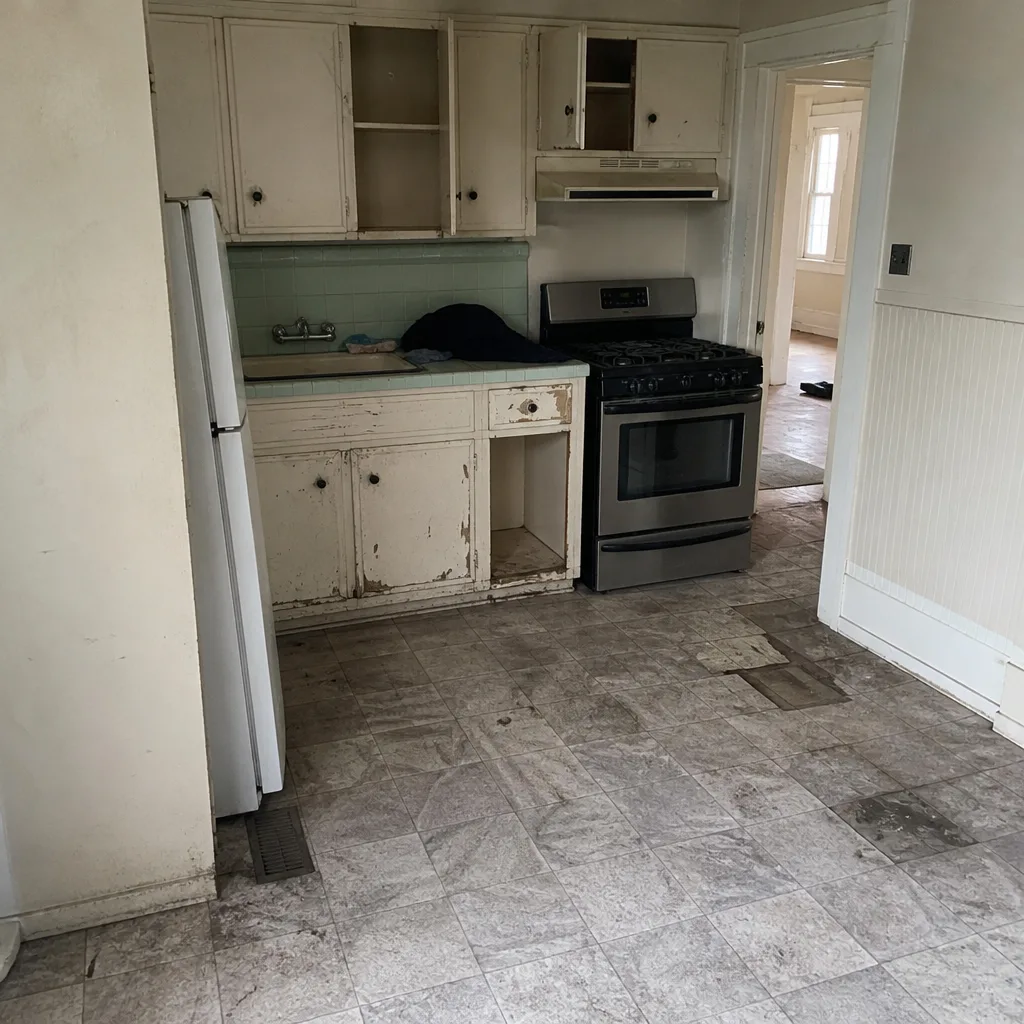 Before
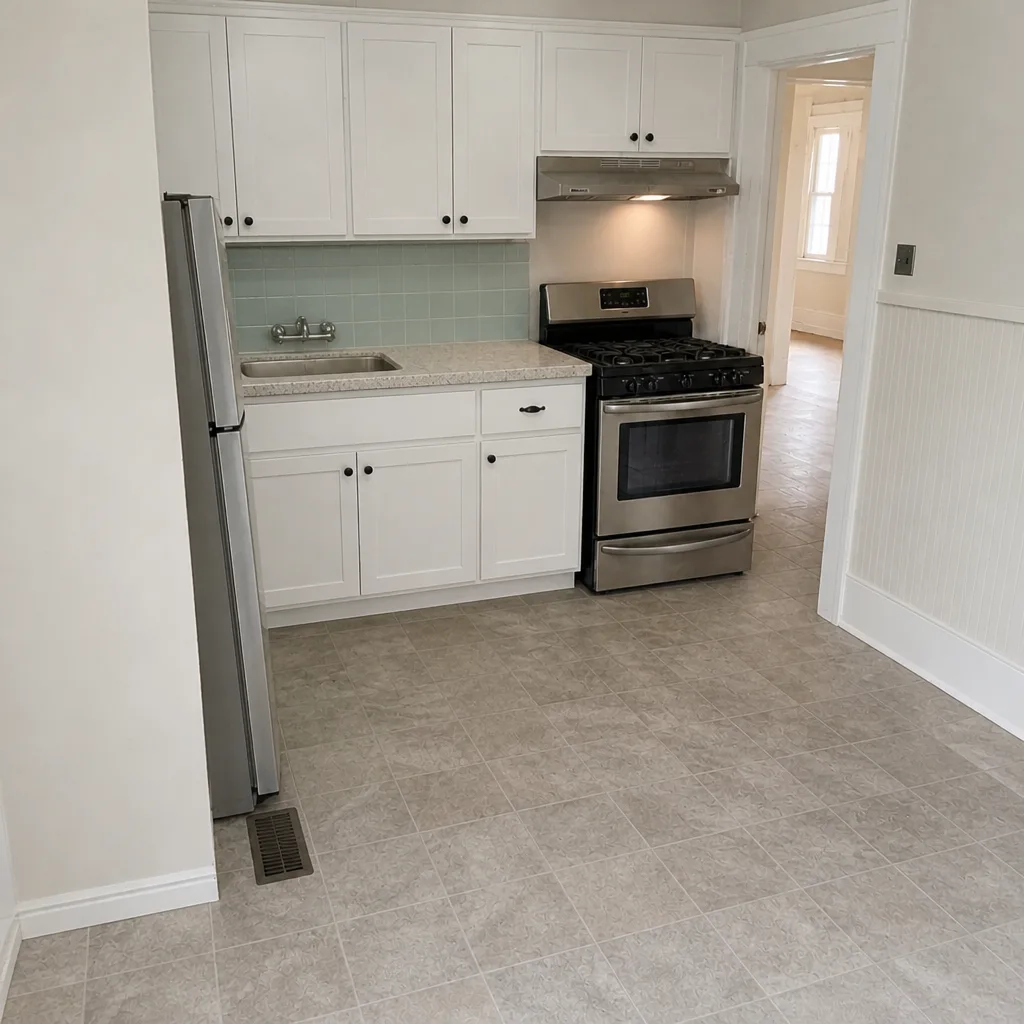 After
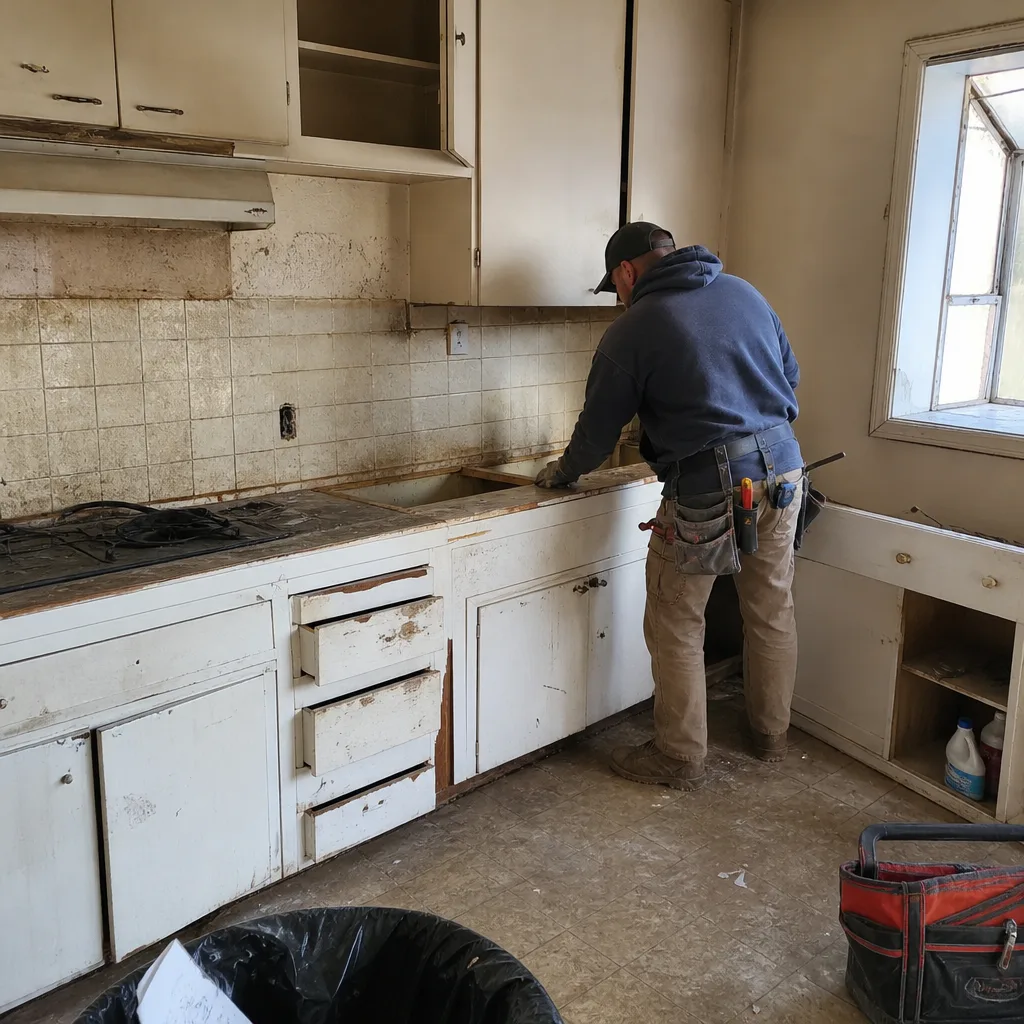 Before
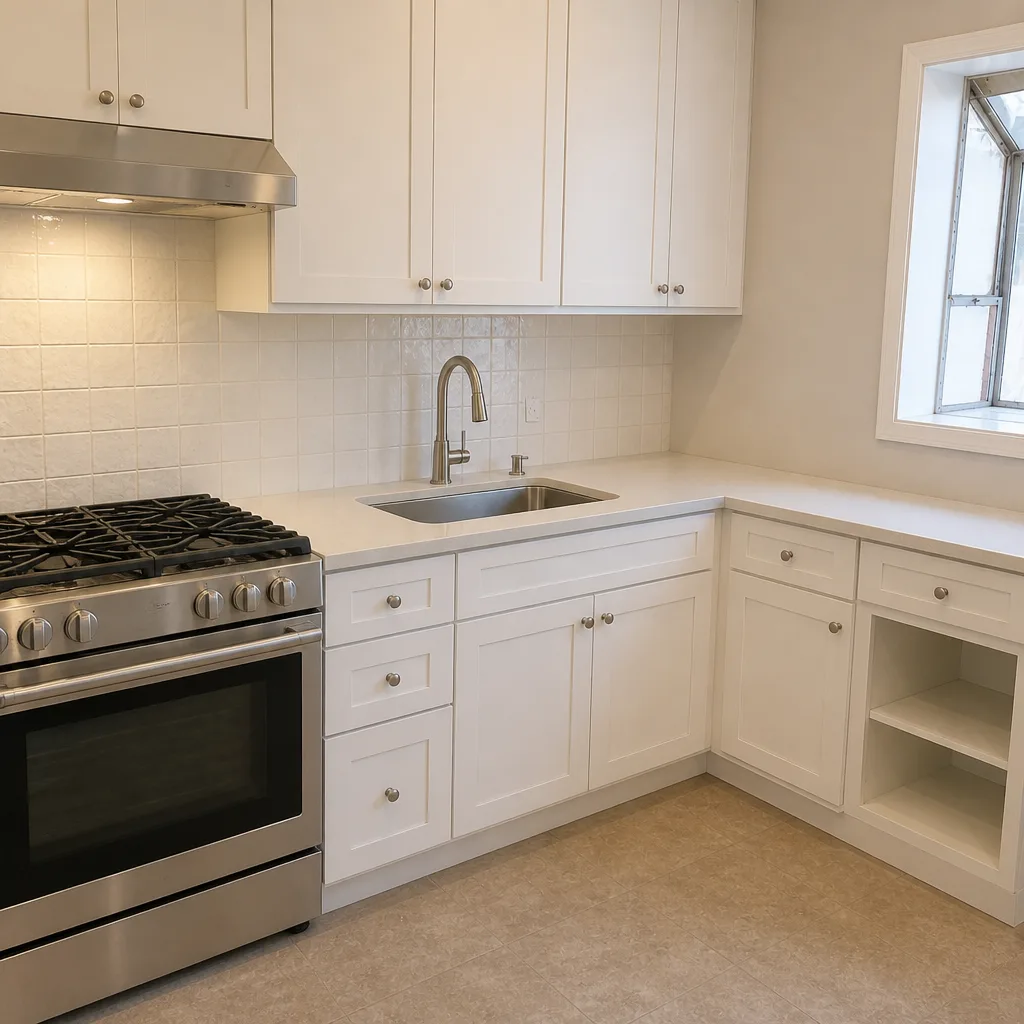 After
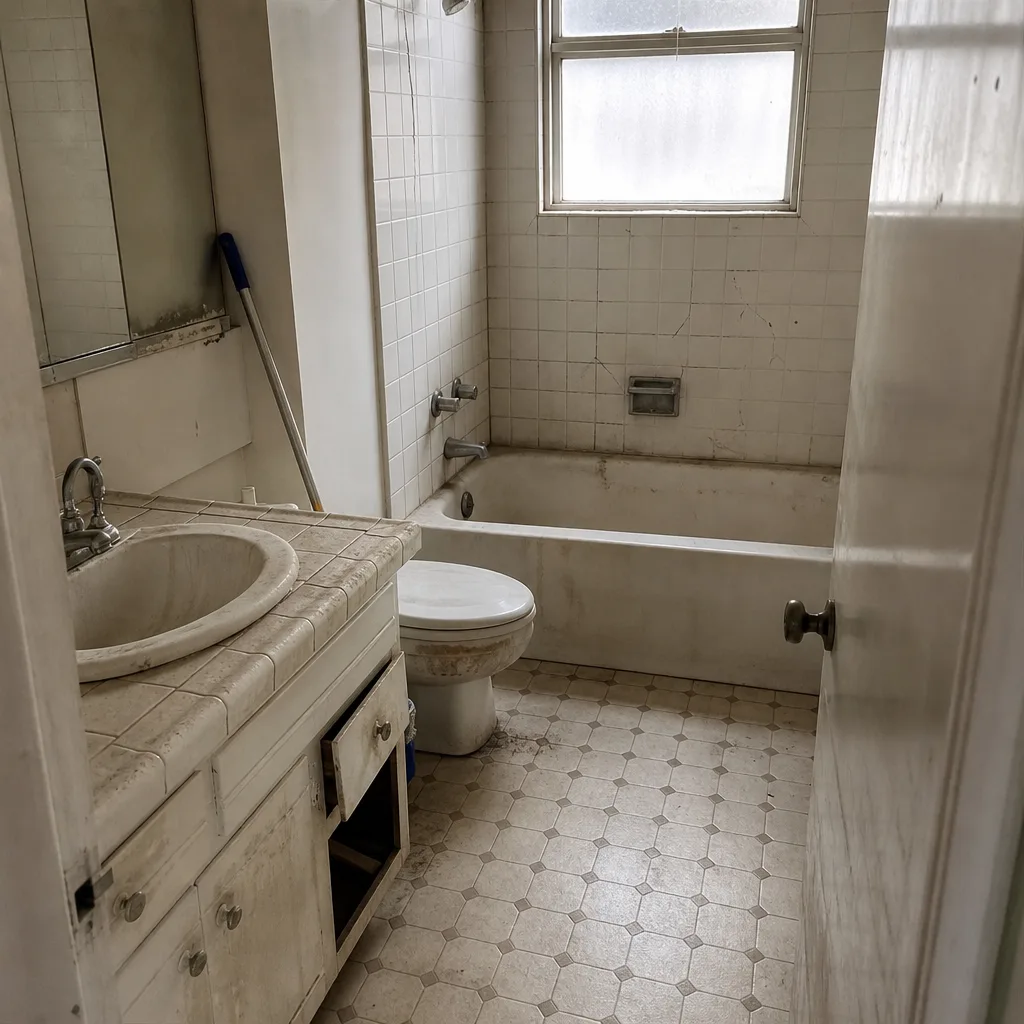 Before
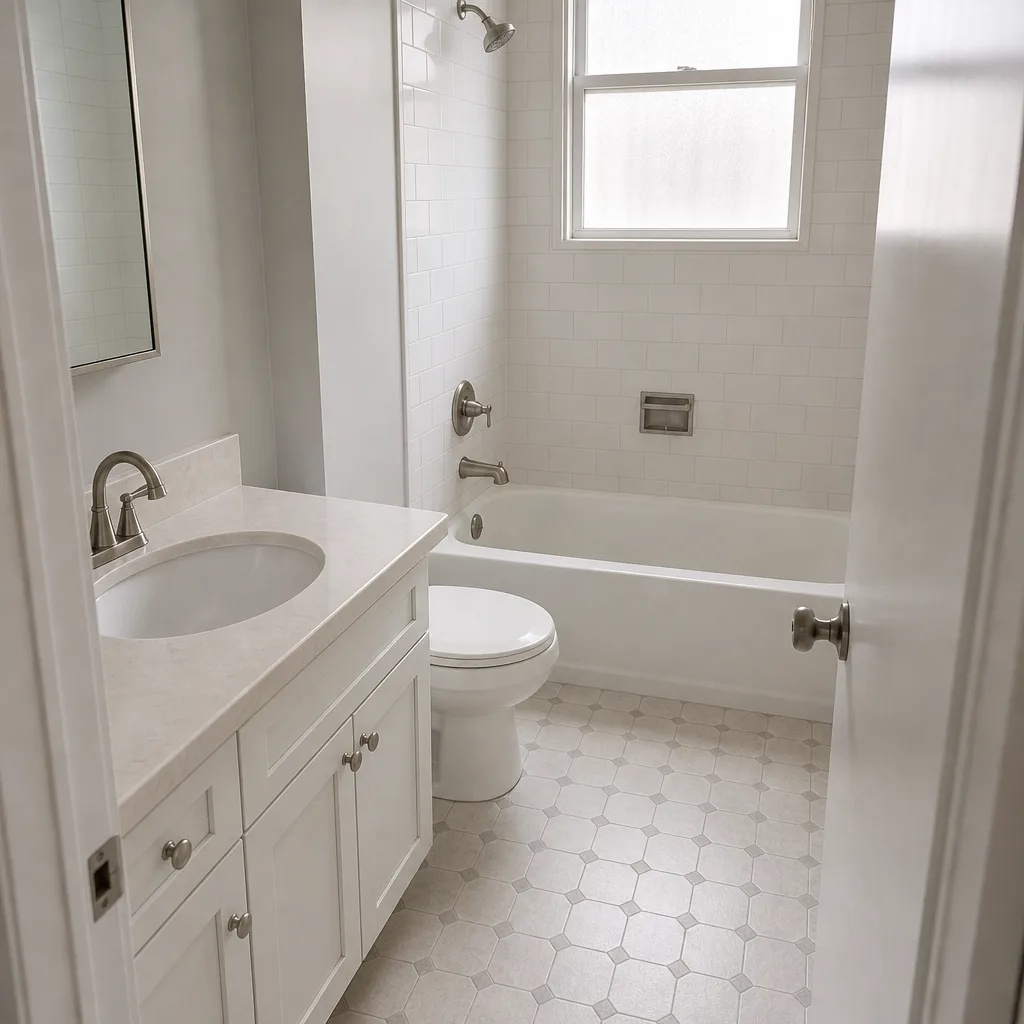 After
When to Call a Professional
Call a professional when your project touches the permit, the plumbing, the electrical, or the waterproofing – which is most bathroom remodels in San Francisco. Load-bearing walls, drain relocation, steam showers, and any bathroom on a pre-1980 home should be scoped by someone who knows the city’s inspection sequence, not by a handyman. If you’re managing bathroom access around a family schedule, a written scope with named phases is the only way to plan a realistic calendar. Rowan Construction Group San Francisco offers free estimates in San Francisco, with a flat written price and written scope before any work starts – call (844) 797-6388. If you already have a written estimate from another contractor, we’ll review it line by line at no charge as a second opinion.
Frequently Asked Questions
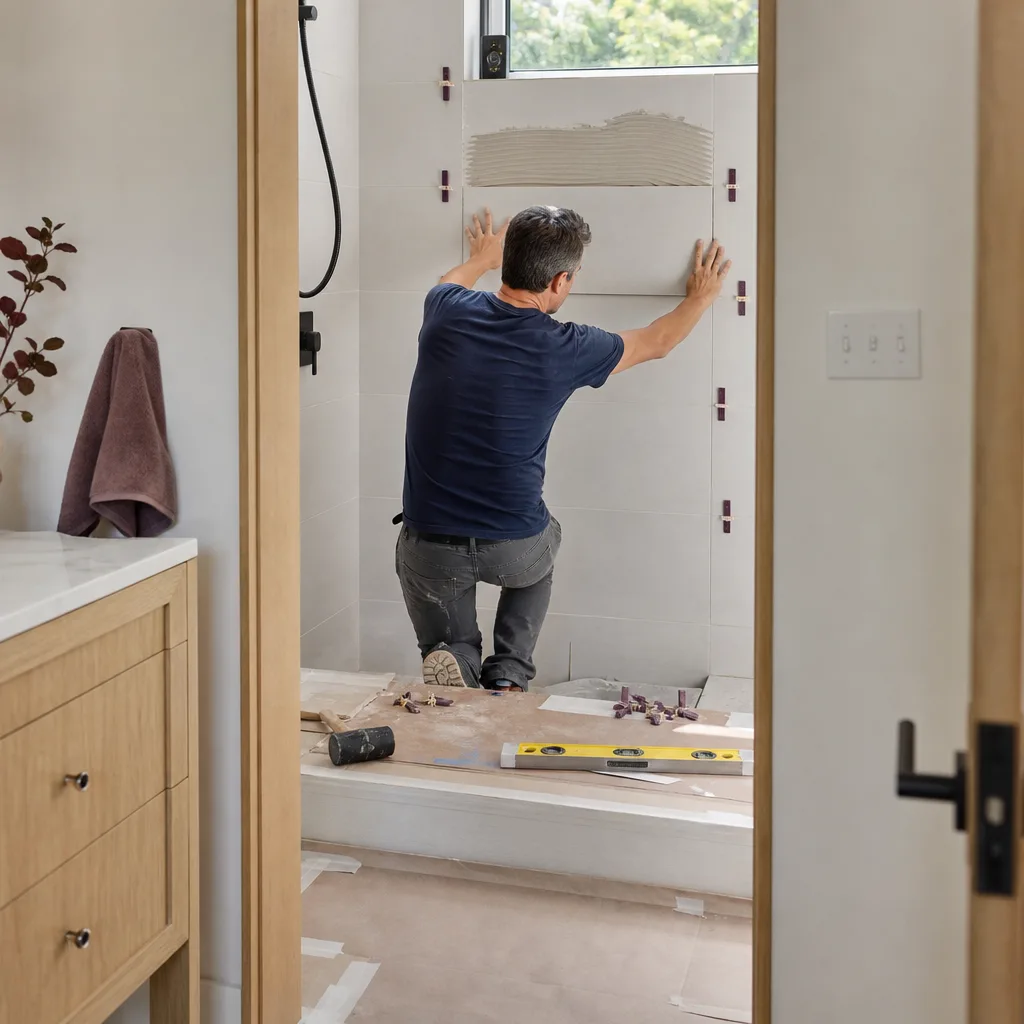
A full bathroom remodel in San Francisco typically takes 10 to 14 weeks from signed contract to final inspection. Only 15 to 18 of those days are active labor; the rest is permit review, inspection windows, waterproofing cure, and material lead time. A cosmetic refresh on existing plumbing can finish in 2 to 3 weeks with no permit. Call (844) 797-6388 for an exact timeline on your scope – estimates are free.
It can, but the cause is almost always a discovered condition – asbestos in pre-1980 tile, a failing cast-iron drain, or a load-bearing wall behind a niche. Those are documented before work proceeds, and any change requires a signed change order before the schedule moves. Our written price stays within a few percent of the agreed number as a result. Call (844) 797-6388 to talk through your project.
Yes. We pull the permit and schedule the inspections; you never chase DBI. Most bathroom remodels here require a rough inspection and a final inspection, and each scheduling window adds 3 to 7 business days to the calendar, which we build into the written scope. Call (844) 797-6388 with your address and we’ll tell you whether your project is over-the-counter or plan check.
Expect the shower to be out of use for roughly five to seven weeks of a 10 to 14 week project, and the entire bathroom out of use for most of the active build phase. The remaining weeks are permit review and inspection windows, when the house is quiet. Call (844) 797-6388 and we’ll map the disruption window for your project on the free estimate.
Because “2 to 3 weeks” is labor time, not project time. Add 2 to 4 weeks of permit review, 3 to 7 business days per inspection (two inspections on most San Francisco bathrooms), a week of waterproofing cure, and 4 to 8 weeks for custom tile, and three months is exactly right. A written scope that names the phases prevents the surprise. Call (844) 797-6388 for a free second opinion on any written estimate.
The fastest realistic full bathroom is about 8 weeks, and it only happens when the scope is cosmetic-plus-fixtures, the permit is over-the-counter, all materials are in stock, and both inspection windows fall cleanly. That’s the exception, not the promise. The honest number to plan around is 10 to 14 weeks. Call (844) 797-6388 for a written timeline on your specific bathroom.
The Bottom Line
The number to plan around is 10 to 14 weeks in San Francisco, with 15 to 18 active labor days inside it. The two phases most timelines skip – permit review (2 to 4 weeks over-the-counter, 6 to 10 weeks in plan check) and material lead time (4 to 8 weeks for custom tile, 2 to 5 weeks for special-order fixtures) – are the ones that set your calendar. Inspections add 3 to 7 business days each, waterproofing cure adds about a week, and three conditions in this city’s housing stock (asbestos, cast-iron drains, load-bearing walls) can add weeks if you don’t check for them early. A written scope with named phases is the whole game.
Ready to move from a range to a written number? Rowan Construction Group San Francisco delivers a flat written price and written scope before any work begins, background-checked and uniformed technicians, a documented photo record on every visit, and a live person answering calls 24/7. Call (844) 797-6388 for a free estimate, and bring any competitor’s written estimate for a free line-by-line second opinion.
Written by the team at Rowan Construction Group San Francisco.