Last updated November 17, 2026






Free written scope consultation - allowances, timeline, and change-order rules on paper before a single trade is scheduled
Windows & Doors Maintenance Schedule: What to Do and When
Silicone exterior caulk at a window frame-to-stucco joint is rated for 7 – 10 years. On south- and west-facing San Francisco facades, UV exposure shortens that window to 4 – 6 years, and a failed joint lets water reach interior wall framing before a single interior sign shows. That gap between rated life and real life is the whole problem with window and door maintenance: it’s unglamorous, it’s under-specified, and the failure hides until it’s expensive. A $120-a-year routine of lubrication, weatherstrip checks and caulk inspection extends service life by 8 – 12 years. This guide gives you the calendar, the products and the inspection points we use on San Francisco homes.
Quick Answer
Clean and lubricate hardware quarterly, inspect weatherstripping and caulk twice a year, and schedule a full envelope inspection in April – May (after the rainy season) and September – October (before it starts). The single highest-value task on the list is replacing failed exterior sealant at frame-to-wall joints, which protects framing, not just the window. A checklist you can finish twice a year and a log you keep matters more than any one repair.
Styles & brands we work with
- Kitchen remodeling
- Bathroom remodeling
- Home additions & ADU
- Roofing
- Windows & doors
- Driveway & pavers
- Fence
Table of Contents
- The San Francisco Seasonal Inspection Calendar
- The Annual Task Checklist with the Products We Actually Use
- Inspection Points That Catch Failures Before They Become Replacements
- Wood Window Maintenance: Paint, Hardware and Sash Gap Measurement
- Door Maintenance: Thresholds, Hinges and Weatherstrip Compression
- Keeping a Maintenance Log (and Why It Pays Off)
- Common Mistakes to Avoid
- When to Call a Professional
The San Francisco Seasonal Inspection Calendar
San Francisco doesn’t get a hard freeze or a brutal summer, so a national maintenance calendar doesn’t fit here. What we get is a wet season from roughly November through March, with wind-driven rain that pushes water sideways against facades rather than letting it fall straight down. That direction of travel is why a failed bead of sealant on a west wall matters more than the same failure on a sheltered one. It’s also why the two inspections that count most are built around the rain.
Here is the schedule we recommend for San Francisco homes:
- April – May (post-rainy-season inspection). Walk every window and door looking for evidence of water infiltration: staining on interior trim, soft paint at the sill, efflorescence or bubbling at exterior stucco near the frame. Catch it before the dry months hide it.
- June – August (fair-weather repairs). This is the window to replace caulk and weatherstripping. Substrate has to be dry for sealant to bond, and dry-season sun gives you the cure time a foggy stretch won’t.
- September – October (pre-rainy-season seal check). Re-inspect every joint you caulked, confirm doors close against a firm seal, and clear window weeps so the first storm drains the way it should.
- Quarterly, year-round. Lubricate hardware, tighten hinges and check that locks, cranks and hinges still operate without resistance.
Homes on the south and west slopes, particularly older Victorians and Edwardians in Noe Valley and the Mission, get more sun hours than north-facing facades in the Sunset or Richmond, so UV-driven sealant failure there runs on the shorter side of the 4 – 6-year window. Write the install date on the caulk tube and tape a note inside the frame. You’ll want to know where to stand when the next inspection comes around. If the envelope around those windows is part of a larger scope, our Rowan Construction Group San Francisco home page lays out how we approach the trades.
The Annual Task Checklist with the Products We Actually Use
Generic maintenance guides say “check the caulk and lubricate the hardware.” That’s not useful. The product matters as much as the task, because a cheap acrylic sealant on an exterior joint fails in two seasons, and the wrong lubricant attracts grit into a sliding track. Here’s the list we use, with names.
- Hardware lubrication (quarterly): Use Bluco or 3-in-One for hinges, lock cylinders and sliding-track rollers. Apply a thin bead, work the mechanism through its full range, then wipe the excess. Thick grease on an exterior track collects dust and turns into an abrasive paste.
- Exterior frame-to-wall caulk (every 4 – 6 years, more often on exposed facades): Sashco Lexel or Dow 795 for the frame-to-exterior joint. Both are elastomeric, both hold their flexibility across the temperature swings a San Francisco facade sees, and both bond to stucco, wood and metal without a primer. Cut the old bead out; don’t caulk over a failing one.
- Compression weatherstrip (as needed, checked twice a year): 3M Door & Window weatherstrip for seals at the strike jamb and sill. It’s the right product for a compression seal because it recovers its shape after the door opens rather than flattening out.
- Weep holes and drainage channels: Clear them with a toothpick or short piece of wire at every inspection. A clogged weep means water sits in the sill and finds a way inside.
- Operators and cranks: A casement or awning window should crank open and closed with even resistance. Grinding or sudden stiffness means the operator gear is failing, and a $25 operator is much cheaper than the window it takes with it.
Budget for the consumables: a tube of Lexel runs you $12 – $16 and covers roughly 20 linear feet of bead at a quarter-inch; a package of 3M weatherstrip runs $10 – $14; a small can of 3-in-One is under $8. The annual product spend for a typical San Francisco home is $60 – $120, which is the number behind that cost-effectiveness claim up top.
Inspection Points That Catch Failures Before They Become Replacements
The point of an inspection is to catch a failure while it still has a $40 fix instead of a $1,400 one. These are the three we check first, because each one catches a specific failure that a homeowner would otherwise miss until a bigger problem shows up.
The IGU seal check
An insulated glass unit, or IGU, is the sealed sandwich of two panes with a desiccant spacer between them. When that seal fails, the gap fills with moisture and the glass develops a haze or a cloudy pattern starting at the edge. Look at the glass edge in raking light, not straight on; seal failure shows up at the perimeter first. A failed IGU means a glass replacement, not a whole window, but it does need replacing, because the insulating value is gone and interior condensation will rot the sash.
The door threshold compression test
Close the door on a dollar bill laid across the threshold at three spots: each jamb and the center. You should feel light drag pulling the bill out. If the bill slides free, the threshold seal has compressed or the door has dropped on its hinges and is no longer making contact. That gap leaks air and, in a sideways rain, water.
The operator crank resistance check
Open and close every casement and awning operator through the full range, feeling for resistance. A door or window that operates hard is telling you about a failing gear before it strips. On sliding windows and doors, run the panel and listen for a rattle in the track; a rattle usually means the roller has flat-spotted and is dragging.
The point of these checks is to look. Don’t try to remove or reset glass, hinges or operators yourself. A dropped sash or a broken hinge under load can injure, and the failure is rarely what it first appears. Get a professional eye on it. Our technicians, with up to 19 years of experience, do this walk on San Francisco homes, and a photo record comes with every visit so you can see what we saw.
Wood Window Maintenance: Paint, Hardware and Sash Gap Measurement
San Francisco has tens of thousands of original wood windows still in service, mostly in pre-1930 Victorians and Edwardians. Wood is a perfectly good window material; it just needs a different maintenance rhythm than vinyl or aluminum, because paint is the weather barrier and the joinery is the thing that fails when water gets in.
The routine for wood windows in San Francisco:
- Annual paint inspection. Look for cracking, blistering or peeling, particularly at the sill and the bottom rail where water sits. Paint is what keeps water out of the wood, so a blistering spot is a small gap that water can get through.
- Quarterly hardware lubrication. Same Bluco or 3-in-One routine on hinges, sash locks and the pulleys and cords or chains in a double-hung.
- Sash-to-frame gap measurement. Every spring, measure the gap between sash and frame at the corners with a feeler gauge. A gap that’s widening, or a feeler gauge that slips in where it didn’t last year, is the first sign of rot or sagging. Catching a soft spot before it reaches the joinery is a $300 repair instead of a $2,000 sash rebuild.
- Sound the wood. Tap the sill and bottom rail with a screwdriver handle. A dull thud instead of a sharp tap means soft wood underneath, and a probe with an awl will tell you how deep it goes. This is a check, not a repair. Don’t dig into a soft spot; that’s what an inspection by a pro is for.
If a wood window’s repair scope runs past maintenance and into a rebuild, it may make better sense to fold it into a broader scope. Our Home Additions & ADU in San Francisco page covers how a window scope fits alongside structural work.
Door Maintenance: Thresholds, Hinges and Weatherstrip Compression
Exterior doors take more abuse than windows because they move every day and get leaned on, slammed and dragged over a threshold. The maintenance that matters for them is different, and the schedule is simpler.
- Hinge screws (every 6 months). Check the hinge screws at top, middle and bottom. A screw that turns easily is doing nothing. Pull it out, pack the hole with a wood matchstick and glue, and drive it back. This is the cheapest fix on the whole list and the most common cause of a door that no longer closes square.
- Weatherstrip compression (twice a year). Run the dollar-bill test across the threshold and up the strike jamb. Where it slides free, the 3M Door & Window weatherstrip has compressed and needs replacement. On an exterior door in San Francisco, that bill test is your water-and-air leak detector.
- Threshold seal (once a year). Look under the threshold for a worn or missing door sweep or threshold seal. This is where a great deal of sideways rain gets in.
- Lock and deadbolt operation (quarterly). Work the deadbolt with the key and the thumb turn. A bolt that binds means the door has shifted in its frame; catch it before it fails to lock, not after.
- Finish and paint (annually on wood doors). Same logic as wood windows: the paint is the barrier, and the bottom and edges get it first.
The dollar-bill test costs nothing and tells you in thirty seconds whether the seal is doing its job. If you find yourself replacing weatherstrip every six months on the same door, the door is out of square and the weatherstrip is just the symptom.
Keeping a Maintenance Log (and Why It Pays Off)
A maintenance log is the least glamorous page in this guide and the one that ends up mattering most. It’s a single sheet of paper (or a spreadsheet) with columns for date, location (the southwest corner window on the second floor, the back door threshold), task, product used, and any condition noted. Every time you inspect, you write a line.
Three reasons a log pays off:
- Warranty claims. Window and door manufacturers and installers often ask for a record of maintenance when a warranty claim is filed. A signed log with dated entries is the evidence that a failure is a defect, not neglect.
- Insurance claims. If a water-damage claim comes up, a log showing you inspected after the previous rainy season and noted a condition helps establish what happened when.
- Home sale disclosure. In a San Francisco home sale, a documented maintenance record is a real asset. It tells a buyer the envelope has been maintained, and it gives your own disclosure statement something to point to.
Keep the log with the warranty paperwork and the product labels. The photo record we leave after every visit slots right into the same file, dated and showing what we found. Documentation is the whole idea behind the Fence Installation in San Francisco scope too; it’s part of how we work on every trade.
Common Mistakes to Avoid
- Caulking over a failing bead of sealant. A new layer of caulk laid over an old one traps moisture underneath and looks fixed for one season. Cut the old bead out first, every time.
- Clearing weep holes by caulking them shut. The instinct to seal a gap near a sill is understandable, but a weep hole is a drain. Plug it and water stays in the sill and finds the interior.
- Lubricating sliding tracks with grease. Thick grease collects grit. Bluco or 3-in-One, applied thin, is the right choice for exterior tracks in a city with as much airborne dust as San Francisco.
- Skipping the post-rainy-season inspection because the winter was dry. A dry March doesn’t mean a wet February wasn’t the problem. Failure shows up weeks after the water gets in, not during the storm.
- Replacing weatherstrip without checking door square. If the weatherstrip is failing every six months, the door has dropped on its hinges. Fix the hinge, or the weatherstrip keeps failing.
- Ignoring the IGU haze because the window still opens and closes. A cloudy IGU still works mechanically, so it’s easy to leave. The insulating value is gone and interior condensation will damage the sash. Deal with it in the dry season.
- Treating the south and west facades like the rest of the house. The windward and sun-facing walls take a shorter replacement interval on sealant and paint. Track them separately in your log.
When to Call a Professional
Most of this schedule is a homeowner’s work: lubricate the hardware, run a dollar bill under the door, look at the caulk. The things that call for a pro are the things where the failure is already under the surface. Call us for these:
- Water infiltration evidence inside the wall or at the interior trim, which means the entry path is behind the frame, not at it.
- Haze or condensation inside an IGU, which means a glass replacement and possibly a sash rebuild.
- Rot or soft wood found while doing your sash-gap measurement, because the depth is almost always more than it looks.
- A door that won’t sit square, or a window that’s suddenly hard to operate, indicating a structural issue in the frame.
- Any replacement or structural scope, where cutting and setting a window or door correctly is a one-shot job.
At Rowan Construction Group San Francisco, our written price is there before any work starts, we don’t start a change without a signed change order, and every visit includes a documented photo record. Call (844) 797-6388 for a free estimate.
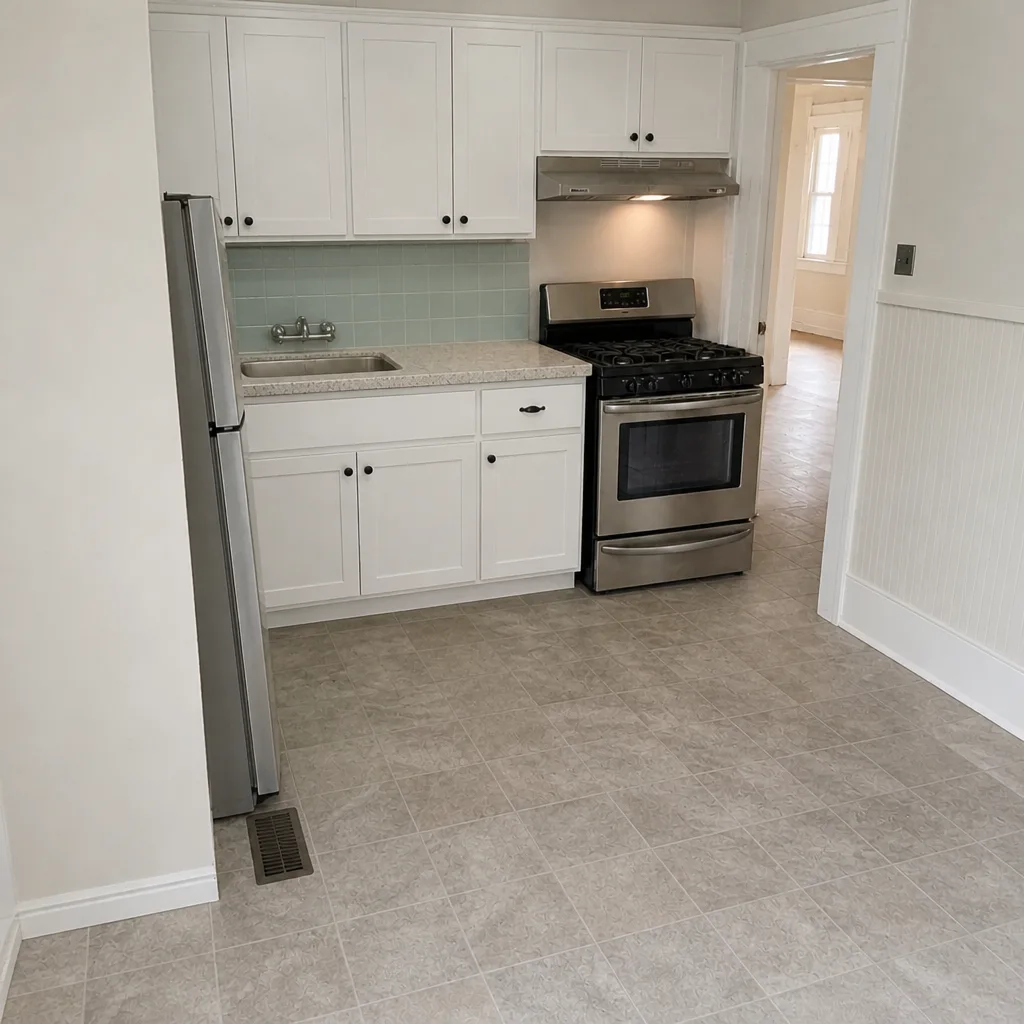
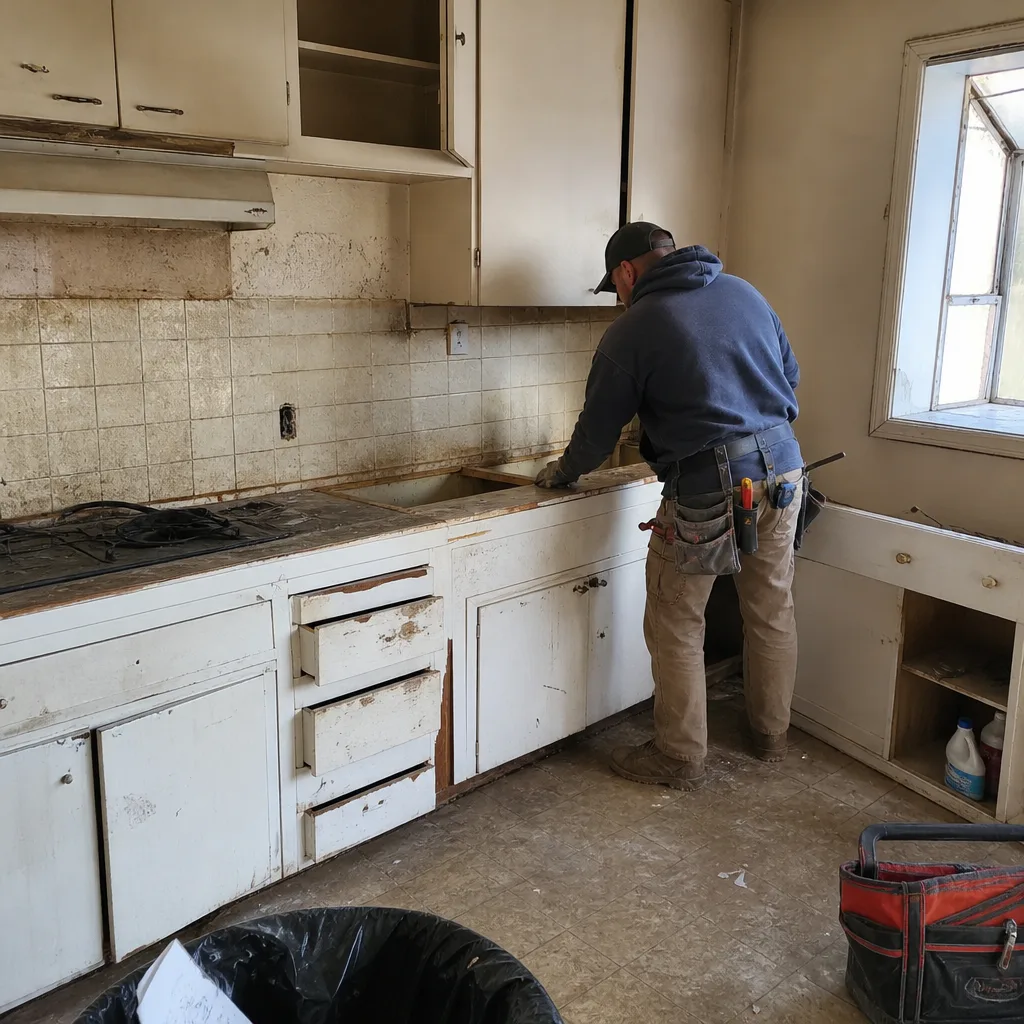
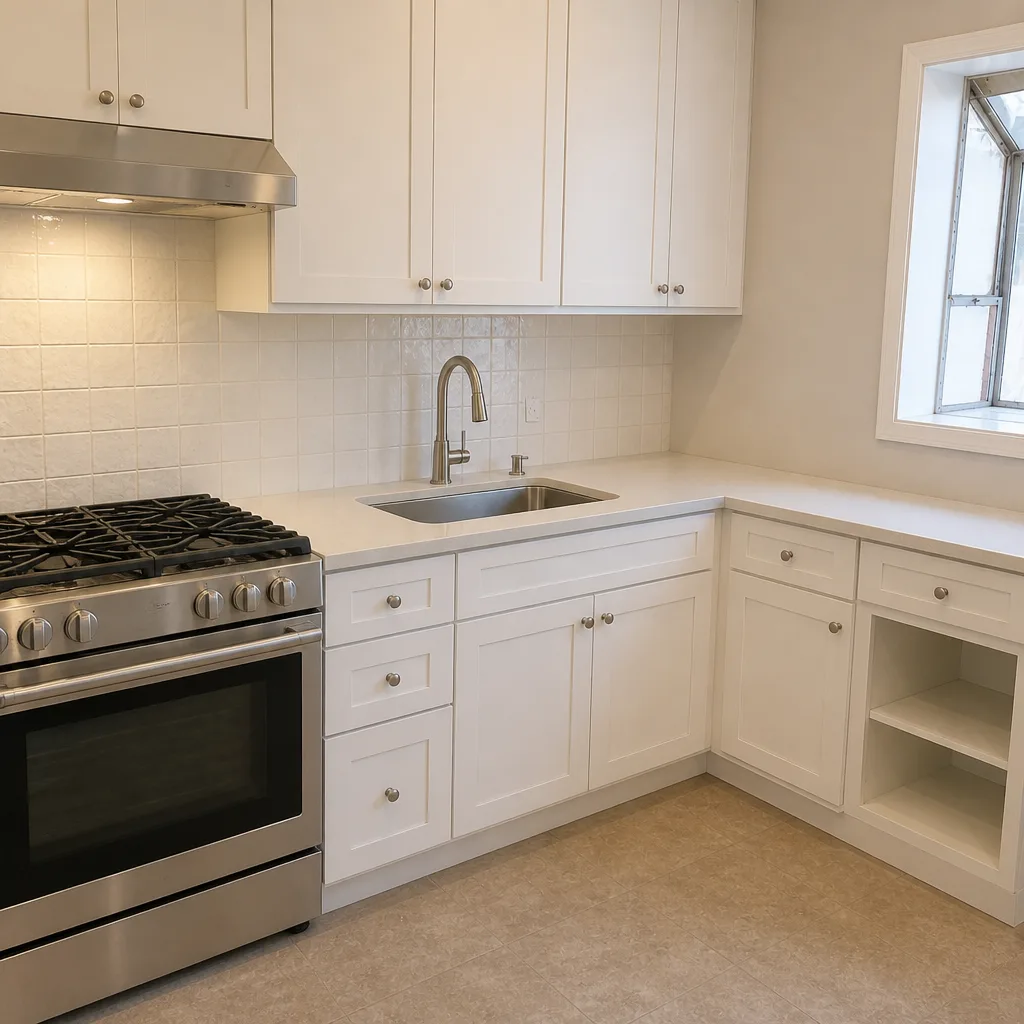
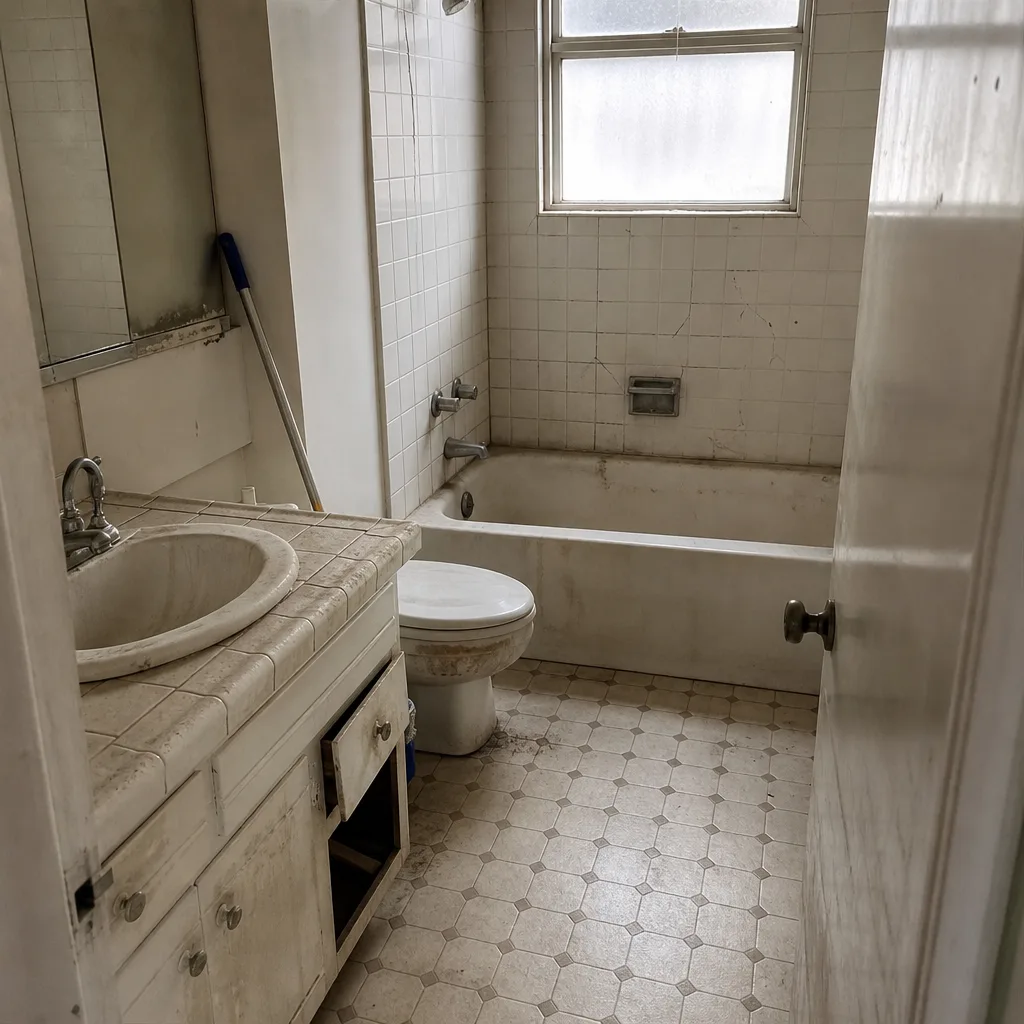
See the difference
 Before
 After
 Before
 After
 Before
 After
Frequently Asked Questions
Every 4 – 6 years on south- and west-facing facades, and 7 – 10 years on more sheltered walls. San Francisco’s UV exposure on the sunny sides shortens the rated life of a silicone bead, so track those joints on a shorter cycle in your log and inspect them at the September – October check.
Check for water infiltration evidence: staining on interior trim, soft or bubbled paint at the sill, and efflorescence or bubbling at exterior stucco near the frame. Inspect in April or May, because by summer the evidence dries and the next storm tests the same failed joint again. If you find it, call (844) 797-6388 for a free estimate.
It’s a professional job. A failed insulated glass unit needs a glass replacement and sometimes a sash rebuild, and the glass is heavy and the seal interface has to be set correctly or it fails again. Leaving a cloudy IGU in place is the bigger risk; the insulating value is gone. Call (844) 797-6388 for an estimate.
Run the dollar-bill test: lay a bill across the threshold at each jamb and the center, close the door, and pull. If the bill slides out with no drag, the seal has compressed and needs new 3M Door & Window weatherstrip. If you find yourself replacing weatherstrip every six months, the hinges have dropped and the door is out of square; the hinge is the fix.
It matters for warranty claims, insurance claims and home sale disclosure. A dated record of inspections and conditions is evidence that a failure is a defect rather than neglect, and in a San Francisco home sale it tells a buyer the envelope has been maintained. Keep it with the warranty paperwork and product labels.
The annual consumables run $60 – $120 for caulk, weatherstrip and lubricant, and seals and weatherstrip are your recurring cost. Glass replacement for a failed IGU and any structural repair are the one-off items. Our written price is there before any work starts, and it’s a flat number you can compare. Call (844) 797-6388 for a free estimate.
The Bottom Line
Window and door maintenance is a $60 – $120-a-year job that buys you 8 – 12 more years of service life, and the whole thing fits on a two-page calendar. Inspect after the rainy season to find water infiltration, repair in the dry months when the substrate actually dries, and re-check your seals before the next rainy season hits. Lubricate hardware quarterly. Measure the sash gap every spring on wood windows. Log every entry, because the log is what turns a maintenance record into evidence. Skip the sealant and the failure goes into the wall. Keep it, and you keep the envelope. If you want a second set of eyes, Rowan Construction Group San Francisco brings a written price and a documented photo record to every visit. If your driveway or pavers need the same care, our Driveway & Pavers in San Francisco page covers it.
Written by the team at Rowan Construction Group San Francisco.