Last updated November 17, 2026

Free written scope consultation - allowances, timeline, and change-order rules on paper before a single trade is scheduled
How Long Does Windows & Doors Take? Timelines and What to Expect
In San Francisco, a historic-district window replacement can add 4 to 8 weeks to a project before the permit application even reaches the Department of Building Inspection. The Certificate of Appropriateness review through the Planning Department runs on its own calendar, and it affects roughly 30% of window replacement projects in the city. Most initial contractor estimates skip that phase entirely. This guide gives honest elapsed-time estimates for every type of window and door project, including the waiting phases that quotes tend to quote around rather than through, so you can plan around the real calendar instead of the sales calendar.
Quick Answer
A straightforward single window or door replacement in San Francisco usually takes one to two days of installation. The full elapsed timeline stretches from 1 to 2 weeks for an in-kind swap with no permit review to 8 to 16 weeks when historic district review, Title 24 documentation, or custom-order lead times are involved. The installation itself is fast; the permit and procurement phases are what determine when your project actually finishes.
Styles & brands we work with
- Kitchen remodeling
- Bathroom remodeling
- Home additions & ADU
- Roofing
- Windows & doors
- Driveway & pavers
- Fence
Table of Contents
- Timeline by project type: the full picture in one table
- The permit phase: why it takes longer than you’d expect
- Custom window lead times by manufacturer
- What happens when rotted framing is discovered
- Door replacement timelines: slab, prehung, and new opening
- How to sequence a multi-window project
- Common mistakes to avoid
- Frequently asked questions
Timeline by Project Type: The Full Picture
The single most useful thing we can give you is a table with all three clocks running at once: the permit clock, the procurement clock, and the installation clock. Most quotes show only the installation column, which is why projects feel like they take “so much longer than quoted.” They don’t. The quote was incomplete.
- Single window, in-kind replacement (same size, same style, same material): 1 day installation, no permit delay. Total elapsed time: 1 to 2 weeks from order to done.
- Multi-window replacement with Title 24 documentation: 2 to 4 days installation, 2 to 4 week permit review. Total elapsed time: 6 to 10 weeks.
- Historic district project (Certificate of Appropriateness required): installation time is the same as a standard multi-window job, but add 6 to 12 weeks for Planning Department review before the DBI permit application is even submitted. Total elapsed time: 4 to 5 months.
- Custom-size Andersen 400 Series: 4 to 6 weeks lead time on top of the permit phase.
- Custom Marvin Signature: 8 to 12 weeks lead time on top of the permit phase.
- Milgard Tuscany stock sizes: 1 to 2 weeks lead time. The fastest option if your openings match standard dimensions.
Those ranges hold across neighborhoods. We’ve run Milgard Tuscany stock-size swaps in the Sunset that finished inside two weeks from order, and we’ve run historic-district projects in Pacific Heights where the Planning review alone took eleven weeks. The difference isn’t the installer’s speed. It’s the paperwork in front of the installation.
The Permit Phase: Why It Takes Longer Than You’d Expect
San Francisco’s Department of Building Inspection handles window and door permits under a set of rules that vary by district, building age, and whether the project triggers Title 24 energy compliance documentation. Title 24 is California’s energy code; for window replacement, it typically requires documentation of U-factor and solar heat gain coefficient (SHGC) ratings to show the new units meet current efficiency standards. When a replacement is like-for-like and the existing window already meets code, the documentation burden is lighter. When it doesn’t, the documentation gets thicker.
Budget 2 to 4 weeks for a standard DBI permit review. Add the historic-district layer on top of that. Buildings in designated historic districts or that are individually designated landmarks may require a Certificate of Appropriateness from the Planning Department before DBI will issue a permit. That review runs 6 to 12 weeks in our experience, and it happens serially – Planning first, DBI second. You can’t parallelize them.
How to check your building’s status before you order
- Look up your address on the Planning Department’s property information map. It shows historic district designation and any Article 10 landmark status.
- Check your building’s year of construction on the Assessor’s roll. Pre-1978 buildings may also trigger lead-safe work practices under federal rules.
- Confirm the existing window’s rated performance if documentation exists. If not, a Title 24 consultant can model the replacement without it.
- Budget the permit weeks into your overall timeline before you sign a purchase order. The order doesn’t ship until the permit clears.
We build permit-phase estimates into every written quote on our Rowan Construction Group San Francisco home window and door work, with the review phase shown as a separate line so you can see exactly where the calendar time goes. Under Clause 1 of the Haven Standard, that written price comes before any work starts.
Custom Window Lead Times by Manufacturer
Lead time is the wait between placing the order and the units arriving on site. It’s separate from the permit phase, but in practice the two overlap: you can order once the permit is issued, and the manufacturer’s clock starts when they receive the confirmed order. Three manufacturers cover most of the window and door work we coordinate in San Francisco, and their lead times differ enough to change your project calendar by a month.
- Marvin Signature: 8 to 12 weeks. The premium custom line with the widest sizing and style range. Worth the wait if you’re matching a historic profile or unusual dimension.
- Andersen 400 Series (custom size): 4 to 6 weeks. The most common middle path in San Francisco. Good balance of lead time and performance.
- Milgard Tuscany (stock sizes): 1 to 2 weeks. The fastest option, but only available in standard dimensions. If your openings are stock-size, this is the fastest way to a finished project.
A note on brand and trade depth: we don’t fabricate windows ourselves; we source them through a network of vetted manufacturers including Sterling, GAF, and CertainTeed for adjacent envelope products like flashing and underlayment. That sourcing depth is why our written quotes carry realistic lead times instead of optimistic ones. If a manufacturer quotes 10 weeks, your quote says 10 weeks. Our technicians have up to 19 years of experience installing against these lead times, and they’ve learned which brands deliver on schedule and which don’t.
What Happens When Rotted Framing Is Discovered
You don’t see rotted framing until the old window comes out. That’s the reality of any replacement project, and in San Francisco’s fog belt – the Sunset, the Richmond, parts of Bernal Heights – we regularly find sill and jack stud rot at the bottom corners of windows that face the ocean. Fifty years of marine moisture against wood detailing takes a toll that looks fine from the inside of the house.
When rot is found during removal, the project clock stops and the scope expands. In our experience, the added time runs 1 to 3 days depending on the extent, and the added cost runs $400 to $1,200. Small rot (a compromised sill or one jack stud) is a same-week repair. Larger rot (multiple studs, sheathing, or a rim joist) is a 2 to 3 day addition that can push the crew to the next window later in the week.
How we handle a discovered rot mid-project
- The crew documents the condition with photos before any repair – that photo record is included on every visit, not an add-on.
- We send the scope addition as a written change order with photos, measurements, and a flat price for the repair.
- No repair work proceeds until you sign the change order. That’s the discipline that has kept our projects within a few percent of the agreed cost across 4,000-plus jobs.
- Once signed, we repair the framing, re-flash the opening, and proceed with the window install in the same session where possible.
That signed-change-order step protects you from the opposite scenario – the surprise invoice at project close. When you compare contractor quotes, ask how they handle mid-project discoveries. A quote that assumes no rot and a quote that budgets for it are mathematically different numbers, but only one of them will hold on the final invoice. We cover the same active-project standards on our Home Additions & ADU in San Francisco work, where hidden framing conditions are just as common.
Door Replacement Timelines: Slab, Prehung, and New Opening
Doors come in three project types, and they’re not the same job. The distinction matters because door quotes are often sloppy about which one you’re getting, and the timelines differ by a factor of five.
- Slab-only swap in an existing frame: half-day. Replacing just the door slab while keeping the existing jamb and hinges. The fastest door project, but only viable when the frame is square and sound.
- Prehung unit in an existing rough opening: 1 day. A prehung door comes assembled in its jamb; the crew removes the old unit and sets the new one in the existing rough opening. Standard for most San Francisco door replacements.
- New rough opening with header work: 2 to 3 days plus permit. Cutting a new opening requires a structural header, framing, and typically a permit. Add 2 to 4 weeks for permit review on top.
Exterior door replacement in San Francisco also triggers flashing and weather-barrier detailing, which is where the real install time goes. A prehung door with proper pan flashing and a new threshold runs most of a day. If the existing threshold is set into concrete – common on Marina and Cow Hollow homes with entry stoops – the crew may spend additional time on the transition. Grohe hardware upgrades on exterior doors are a common add-on and don’t extend the timeline significantly.
Interior doors are faster. A standard interior prehung swap runs 2 to 3 hours per door, and a multi-door project (say, five bedroom doors) is typically a single-day job once the units are on site.
How to Sequence a Multi-Window Project
A whole-house window replacement is not one installation; it’s a series of installations that must be sequenced so the house stays weathertight between sessions. This is where projects that look like a single 4-day job on the quote turn into a 2-week ordeal in practice – not because the work is slow, but because the sequencing was never planned.
The sequencing method we use
- Order windows in two batches: the units for the rooms you can seal off first (bedrooms, bathrooms) and the units for shared living spaces (living room, kitchen) in a later batch. This shortens the period when the house is exposed.
- Install in matched-room groups: complete all windows in one room before opening the next. This keeps temporary weatherproofing localized.
- Temporary weatherproof each opening before the crew leaves the site each day. That means sealed poly sheeting over any open rough opening, taped at the edges. No open hole is left overnight.
- Schedule the DBI final inspection when the last unit is set, not before. You don’t need to wait for a final inspection before proceeding to the next unit – rough-in inspections can happen as you go, and final inspection closes the permit at the end.
- Stage the trim and finish work in one pass after all units are in. Casing, caulking, and paint are faster as a single crew visit than interrupted by installation.
For projects that also involve envelope work outside the window perimeter – roof-line transitions, exterior door thresholds at grade, or the kind of hardscape and paver tie-ins we describe on our Driveway & Pavers in San Francisco work – we build those into the same calendar so they’re not punch-list items at the end.
Common Mistakes to Avoid
- Signing a purchase order before pulling the permit. In San Francisco, the permit clock and the manufacturer’s lead-time clock overlap if you sequence them right. Signing first extends your wait by 2 to 4 weeks.
- Choosing custom sizes when stock sizes fit. A 1 to 2 week stock-size lead time turns into 8 to 12 weeks if you go custom for a 1/4-inch dimension that doesn’t change the look. Measure before deciding.
- Ignoring historic district status. The Certificate of Appropriateness review is 6 to 12 weeks and applies to roughly 30% of San Francisco window projects. Not checking your building’s status before you sign extends the project by months.
- Quoting without a rot contingency. Any honest San Francisco window quote includes a line for framing repairs, because marine-climate rot shows up. A quote that assumes zero rot is a quote that will produce a change order in month one.
- Skipping the photo record. Any project where the crew removes existing windows should have a photo of the framing condition before new units go in. If no photos were taken, you have no proof of what was behind the wall.
- Letting the crew leave a window open overnight for “drying.” Never acceptable in San Francisco’s fog season. Temporary weatherproofing is a same-day responsibility, not a next-morning one.
- Accepting a verbal change order. If a mid-project discovery adds cost, get it in writing with photos and a flat price before any repair begins. That’s the difference between a project that holds its number and one that doesn’t.
See the difference
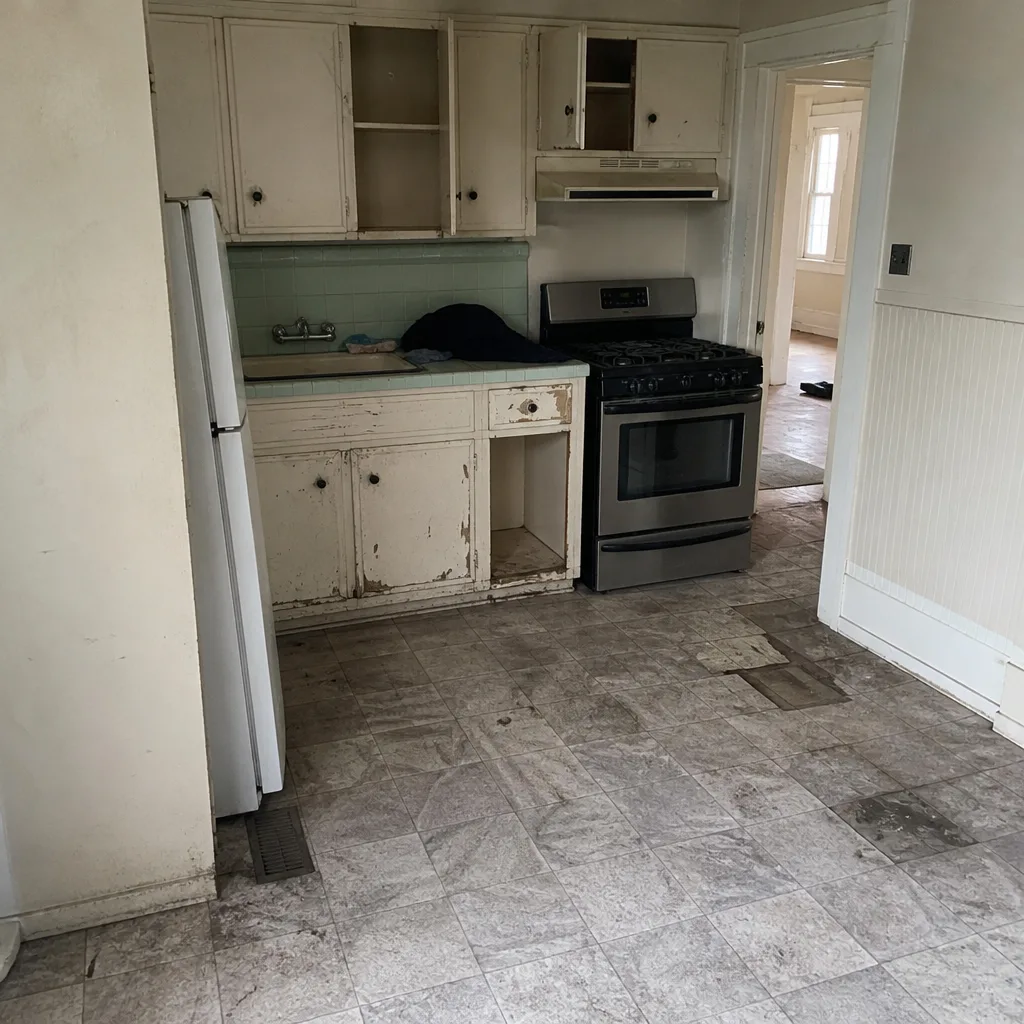 Before
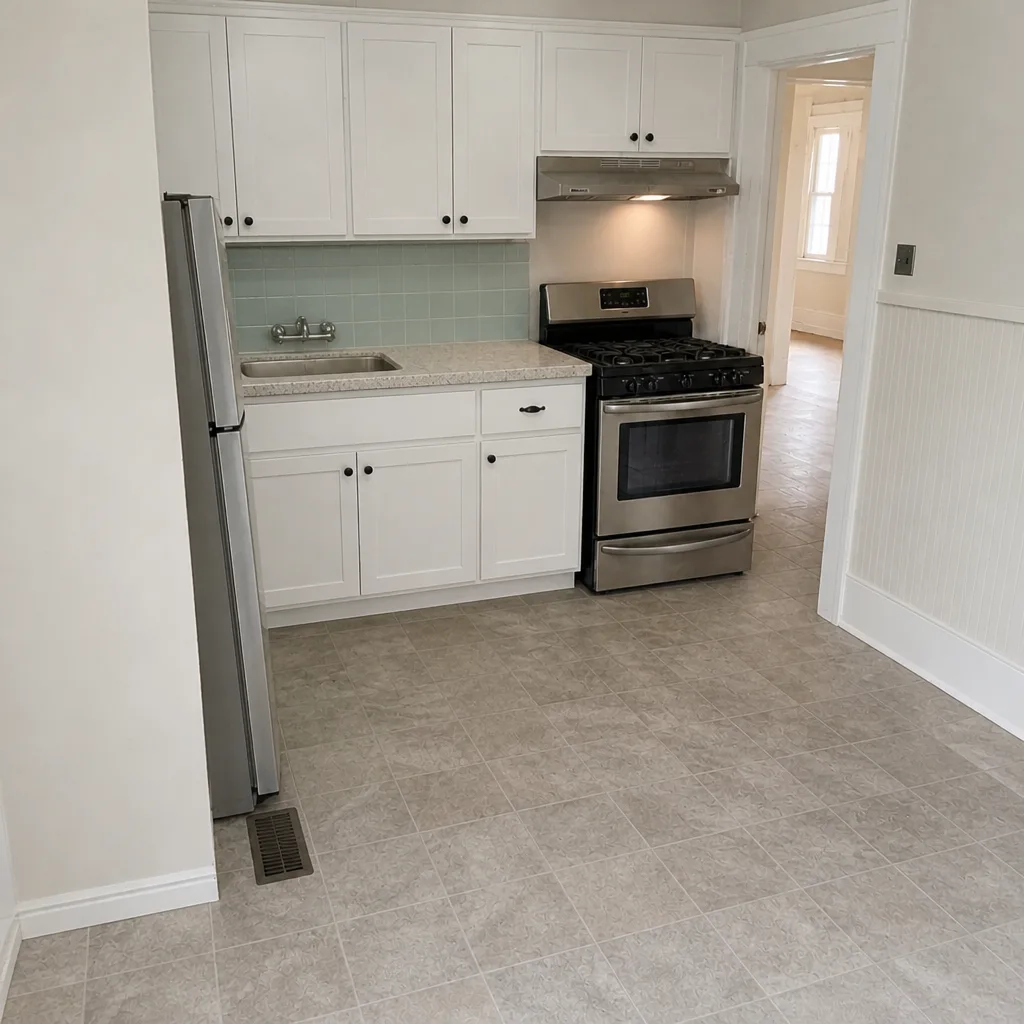 After
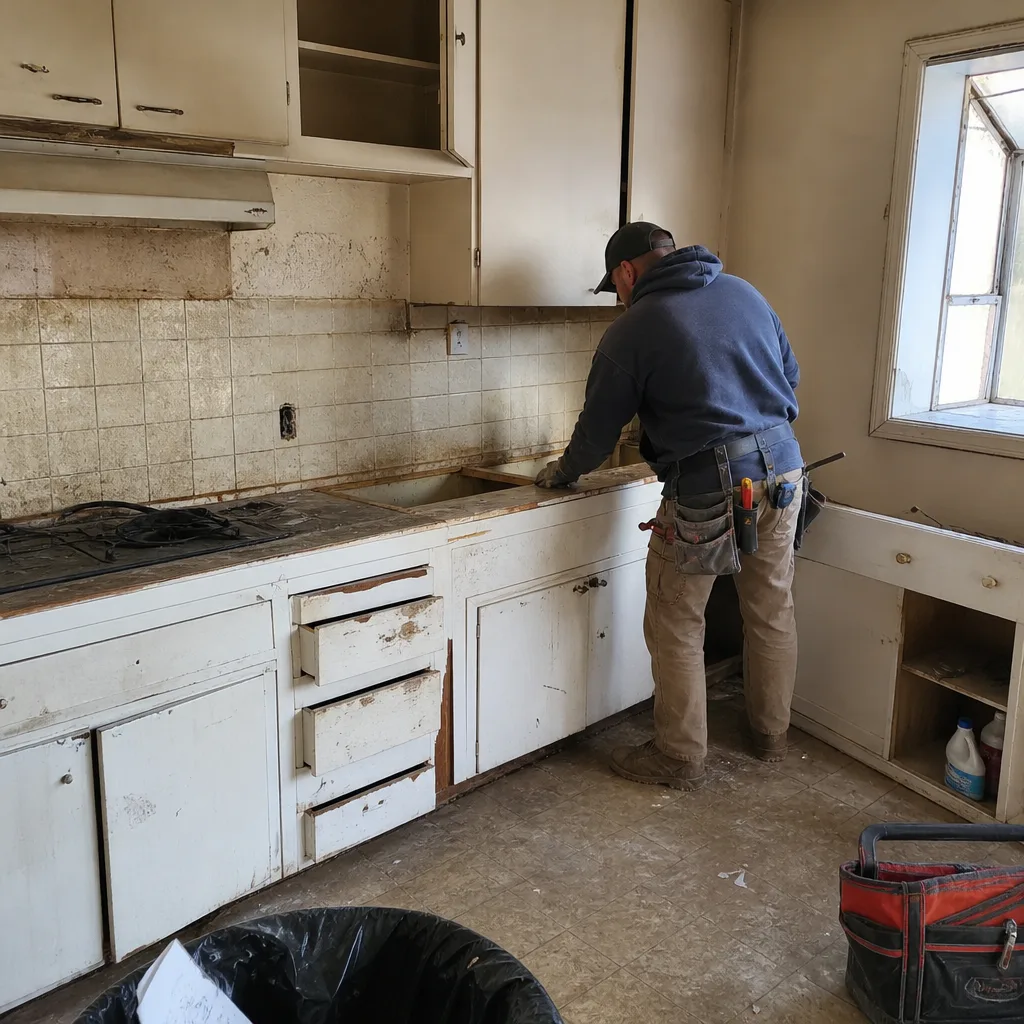 Before
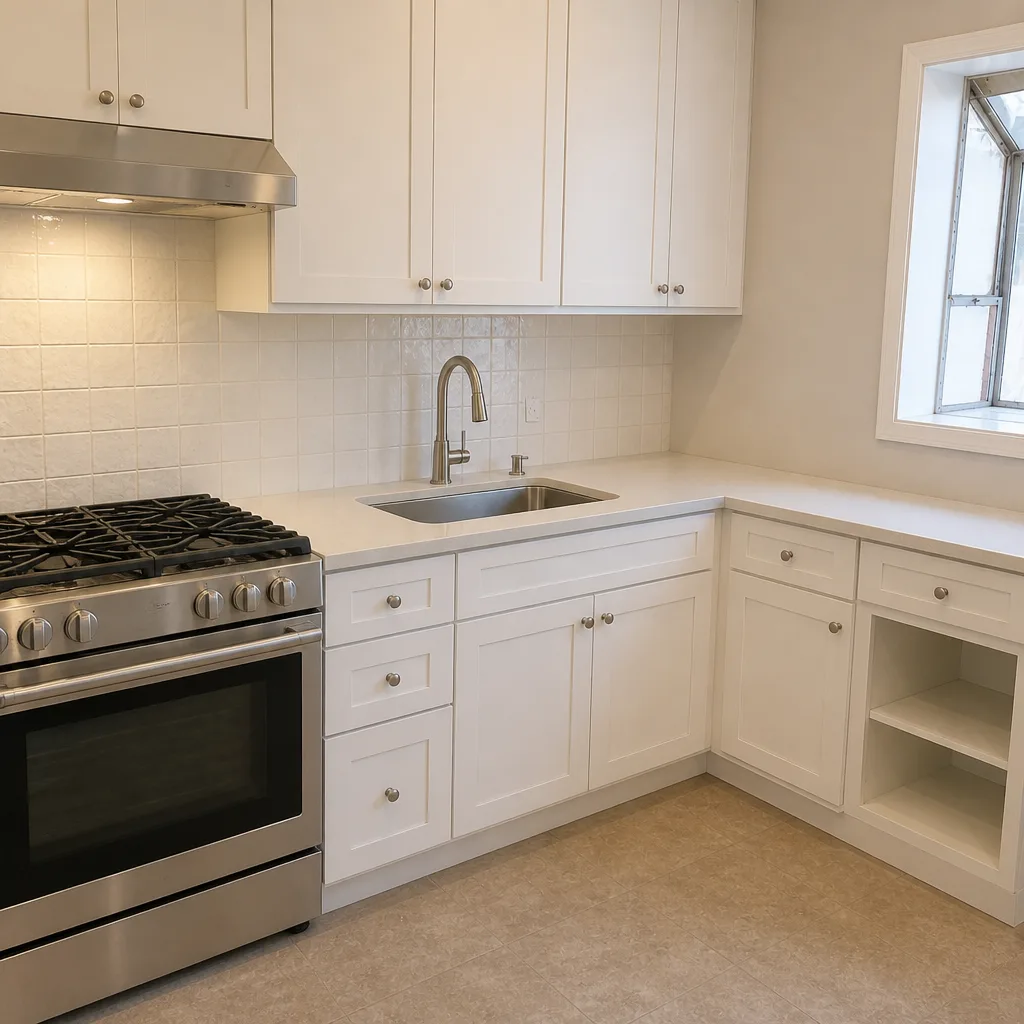 After
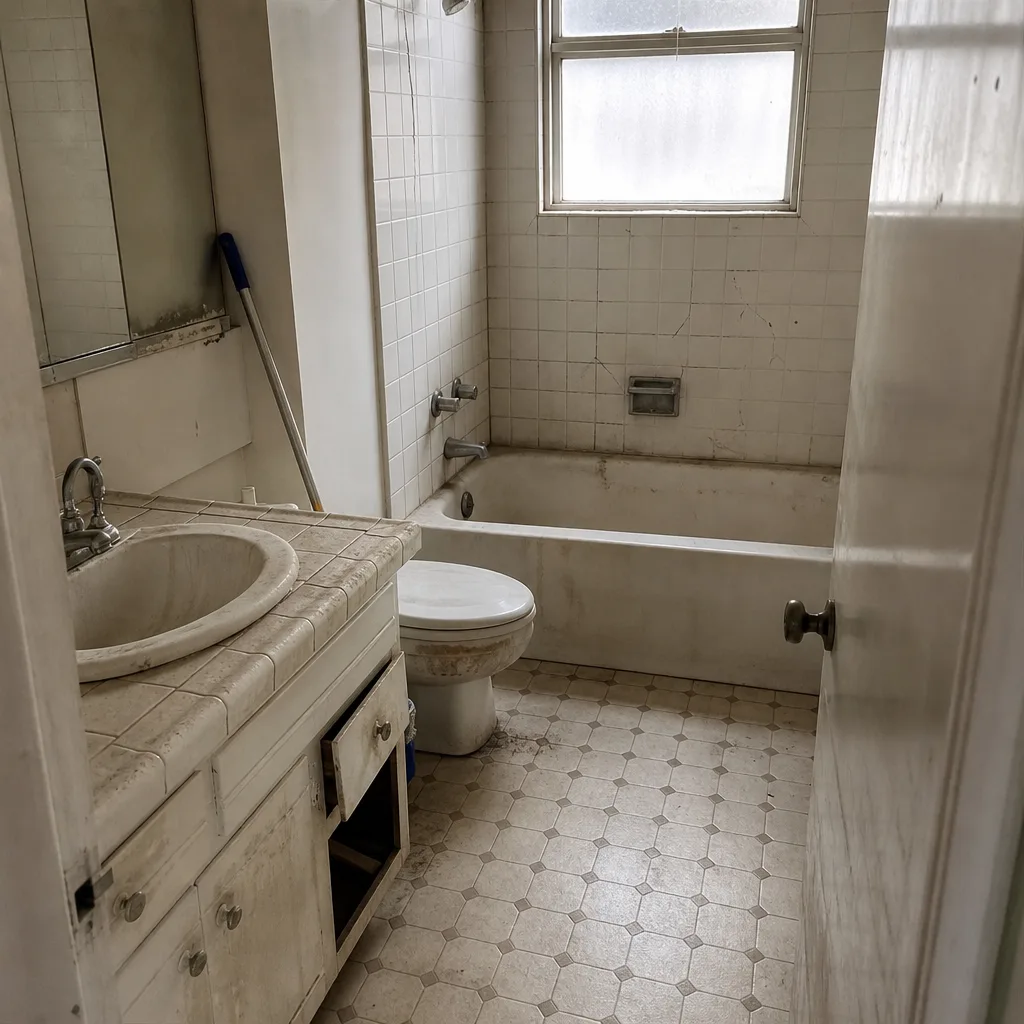 Before
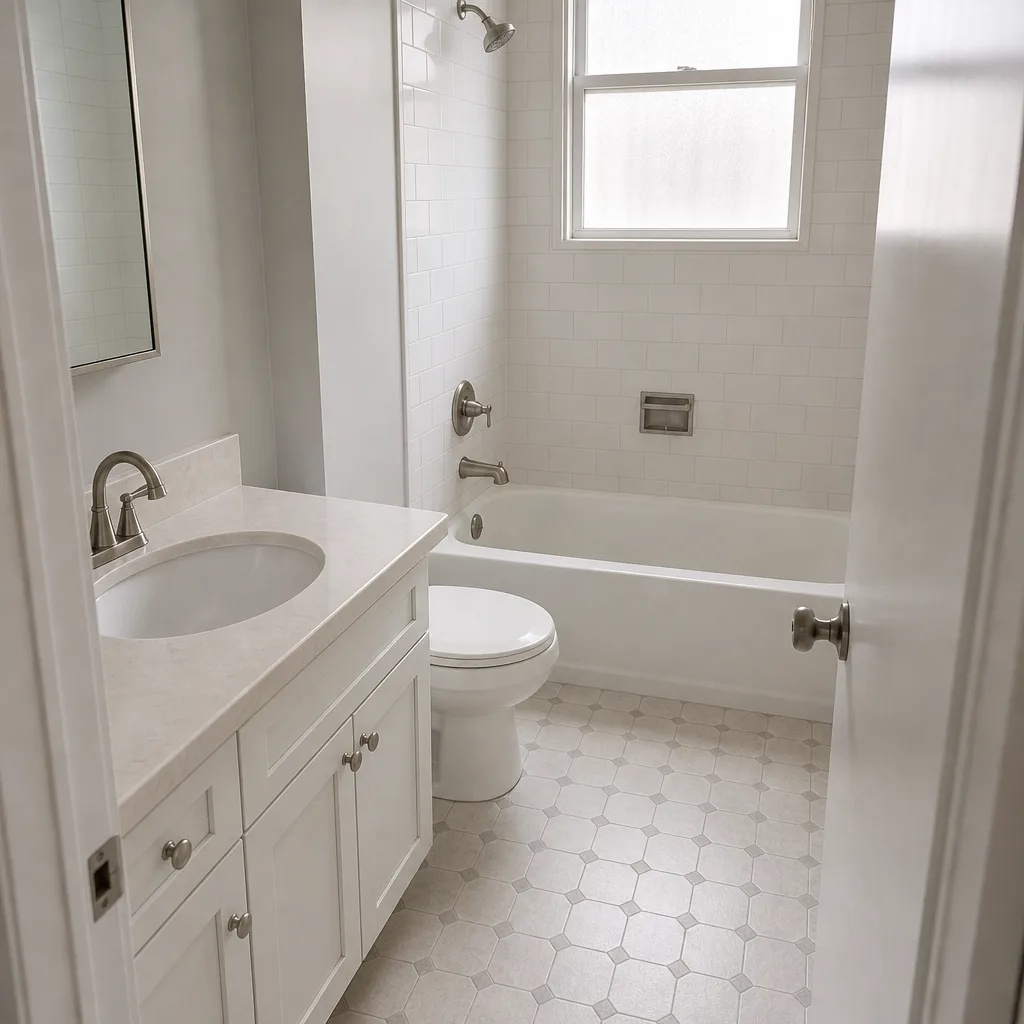 After
When to Call a Professional
Call us when the unit you want to replace doesn’t fit a stock size, when your building is in a historic district or has Article 10 status, or when you’re replacing more than two windows and need the permit and inspection phases managed so the house stays weathertight between visits. Call when you’re looking at rotted trim from inside, or when the window has visible fogging between the panes; that’s a failed seal and the repair timeline is the same as a replacement. Call when the door frame is out of square or the threshold is set into concrete, because the install time changes. Rowan Construction Group San Francisco offers free estimates in San Francisco and a free second opinion on any written estimate you’ve already received. Call (844) 797-6388.
Frequently Asked Questions
A single window takes 1 day to install, but the full project timeline runs 1 to 2 weeks for an in-kind swap with no permit review, 6 to 10 weeks with permit and Title 24 documentation, and 4 to 5 months in a historic district where the Planning Department review adds 6 to 12 weeks. The installation is the short part. Call (844) 797-6388 for an exact timeline on your project – estimates are free.
Yes, most window replacement in San Francisco requires a permit through the Department of Building Inspection, and buildings in designated historic districts also require a Certificate of Appropriateness from the Planning Department first. In-kind replacements of the exact same size and style in some cases qualify for an over-the-counter permit, but same-size-and-style is a narrower category than most homeowners assume. We pull the permits and pass the inspections on every project we coordinate.
No, not for anything in the written scope. If we discover rotted framing when the old unit comes out, we send a written change order with photos and a flat repair price ($400 to $1,200 typical in San Francisco for sill and stud rot), and no repair proceeds until you sign it. A written price before any work starts is Clause 1 of the Haven Standard, and the signed change order discipline is what has kept our projects within a few percent of the agreed cost across 4,000-plus jobs.
Lead times vary by manufacturer: Marvin Signature runs 8 to 12 weeks, Andersen 400 Series custom size runs 4 to 6 weeks, and Milgard Tuscany stock sizes run 1 to 2 weeks. Order lead time overlaps with the permit phase in our process, so the two clocks run in parallel rather than one after the other. Call (844) 797-6388 and we’ll confirm the current lead time for the exact unit you’re considering.
The crew documents the condition with photos, sends a written change order with a flat repair price, and waits for your signature before repairing anything. Typical discovery adds 1 to 3 days to the project and $400 to $1,200 to the cost. We see this most in San Francisco’s fog belt neighborhoods – the Sunset, the Richmond, Bernal Heights – where marine moisture works on the bottom corners of windows that face the ocean.
Add 6 to 12 weeks for the Certificate of Appropriateness review, which happens before the DBI permit application is submitted. The installation time is the same as a standard multi-window project; the historic review is entirely additional calendar time and applies to roughly 30% of San Francisco window replacement projects. We build that phase into our written quote so you see the real completion window, not an optimistic one.
The Bottom Line
Windows and doors are a fast installation wrapped in a slow permit and procurement process. A single window is a 1-day install. A historic-district multi-window project is a 4-to-5-month calendar. The variable that determines which one you get isn’t the crew – it’s the paperwork, the lead time, and the district your building sits in. Plan those phases in, budget 1 to 3 days and $400 to $1,200 for potential framing rot, and the project finishes on schedule. Skip them, and the schedule finishes you.
Rowan Construction Group San Francisco quotes a flat written price before any work starts, includes a documented photo record on every visit, and stands behind every job with the 365-Day Done Right Promise. If it’s not done right, we make it right. Call (844) 797-6388 to schedule your free estimate, or bring a competitor’s quote in for a free line-by-line second opinion. Our technicians have up to 19 years of experience, calls are answered by a live person 24/7, and our crews are background-checked and uniformed. For related envelope, exterior, and structurally adjacent work, see our Fence Installation in San Francisco page.
Written by the team at Rowan Construction Group San Francisco.