Last updated November 17, 2026







Free written scope consultation - allowances, timeline, and change-order rules on paper before a single trade is scheduled
Seasonal Construction Care for San Francisco: Year-Round Homeowner’s Guide
Moisture exposure varies by roughly 20% between a Sunset District home and a Noe Valley home four miles apart. That gap comes from fog hours, wind-driven rain, and how much direct sun each slope gets. A single citywide seasonal calendar misses that entirely. This guide organizes San Francisco home maintenance around the pattern we actually experience, rather than the calendar printed on a hardware store flyer: a fog season that starts in June, a dry peak in September, a rain season that arrives in November, and a seismic maintenance window that never closes. You’ll get a month-by-month task list, the components most exposed to each micro-season, and the products that hold up in San Francisco’s humidity range.
Quick Answer
San Francisco homes need four maintenance cycles, not four seasons: fog checks on flashing and sealants from June through August, wood movement and joint monitoring at the September dry peak, drainage and foundation-vent clearing before the November rains, and a year-round seismic checklist that most seasonal guides skip. Homeowners in San Francisco who align tasks to fog, dry, and rain windows catch the expensive failures while they’re still inexpensive to fix.
Styles & brands we work with
- Kitchen remodeling
- Bathroom remodeling
- Home additions & ADU
- Roofing
- Windows & doors
- Driveway & pavers
- Fence
Table of Contents
- The San Francisco Month-by-Month Construction Care Calendar
- Fog Season: Flashing, Sealants, and What Condensation Reveals
- Dry Season: Wood Movement, Expansion Joints, and Thermal Cycling
- Rain Season: Drainage, Foundation Vents, and Roof Load
- Which Caulk and Sealant Products Survive San Francisco Humidity
- The Annual Seismic Maintenance Window
- When Thermal Cycling Warrants a Professional Inspection
- Common Mistakes to Avoid
The San Francisco Month-by-Month Construction Care Calendar
Standard seasonal guides split the year into spring, summer, fall, and winter. San Francisco doesn’t work that way. June brings fog that keeps exterior surfaces damp for hours at a time. September delivers the driest, sunniest stretch of the year. November flips a switch and the rain arrives, sometimes within a week of Halloween. Building the task list around those transitions, rather than around meteorological seasons, is what makes maintenance actually useful here.
The calendar we recommend:
- March – May (pre-fog prep). Wash exterior surfaces, inspect and repair window and door seals, photograph all flashing at rooflines and parapets. Once fog locks in, wet surfaces hide cracks.
- June – August (fog season). Check sealants monthly. Watch for mold on north-facing siding and stains on interior ceilings near roof valleys. Fog-driven condensation finds every gap.
- September (dry peak). Measure and note gaps at trim, siding, and window frames. This is when wood is at its most contracted, so gaps look worst – and when repairs bond best.
- October (pre-rain window). Clear gutters, test drainage, check foundation vents, and seal any gaps recorded in September before the first real storm.
- November – February (rain season). Inspect after every major storm. Photograph water intrusion immediately – it’s evidence, and it dictates the repair scope.
- Year-round (seismic window). Run the annual seismic checklist at any point; the task doesn’t depend on weather.
That’s a calendar derived from how San Francisco actually behaves, not from a national template. If you only remember one thing, remember this: the September dry peak is your best inspection window, and October is your last chance to act before the rain.
Fog Season: Flashing, Sealants, and What Condensation Reveals
Fog is often described as benign weather, but for a house it’s really a slow, low-grade moisture test running for three months. Surfaces stay damp long enough for caulk to fail, for paint to blister, and for metal flashing at roof edges, valleys, and parapets to begin rusting from the inside. Sunset and Richmond District homes see fog hours that rival anything in the city, and the Outer Sunset has more fog-driven moisture exposure than a sheltered Noe Valley lot.
The components most exposed during fog season:
- Flashing at roof-wall transitions. Where a wall meets a roof – the classic spot is where an upper story wall joins a lower roof on a Victorian – the metal flashing is the only thing keeping water out of the wall cavity.
- Window and door sealants. Original fir and redwood frames on older homes are particularly vulnerable – the caulk joint between frame and stucco or siding is the weakest link.
- Parapets and roof edges. Flat and low-slope roofs on Edwardians and Marina-district homes rely on continuous flashing and a top coat that cracks invisibly.
- North-facing siding and trim. It receives sun less often, so it stays damp longer and grows the first stain of mold or mildew.
During fog season, walk the exterior once a month with a flashlight. Look at flashing at every roofline, then press a fingertip into the caulk joints. If it’s chalky, cracked, or pulls away from the surface, it’s failed. Also check interior ceilings and perimeter walls for stains – the water that causes a stain in August usually got in during June. In our experience, the failures that show up in fog season are rarely new; they’re old repairs that gave way and needed a documented record to catch.
Dry Season: Wood Movement, Expansion Joints, and Thermal Cycling
September is the biggest maintenance opportunity on the San Francisco calendar, and the one most homeowners miss. When the fog clears and the sun comes out, wood framing, siding, trim, and decking all contract slightly as they lose moisture. That contraction – the dry-season half of an annual cycle – opens gaps you can’t see in spring. It also creates the ideal repair window: sealant and paint adhere best to dry, stable surfaces.
This is where thermal cycling starts to matter. A wood-frame San Francisco home expands and contracts with temperature and moisture swings all year. A typical cycle is measured in fractions of an inch at each joint, but across hundreds of joints it adds up. Over years, it opens hairline cracks at stucco corners, separates trim from siding, and loosens the seal around windows. September is when those gaps are widest and most measurable.
What to check at the dry peak:
- Measure gaps at window and door perimeters with a putty knife; anything over 1/8 inch needs new sealant.
- Look for hairline cracks at stucco corners – especially where stucco meets wood trim.
- Walk the deck surface and check for gaps between boards – some seasonal gap is normal, but a 1/4-inch gap that wasn’t there last fall is a sign of a problem.
- Check the expansion joint at hardscape transitions – pavers meeting a concrete foundation, driveway meets sidewalk – for cracks or heaved edges.
- Note every gap you find, in writing, for October repair.
When a gap is structural – at a foundation line, at a load-bearing beam connection, or between a wall and a slab – it’s a different call. That’s a professional inspection, not a homeowner caulk job. Most gaps in San Francisco homes are cosmetic cycles, but a few each street are not.
Rain Season: Drainage, Foundation Vents, and Roof Load
November through February is when San Francisco tests every drainage system on the property at once. A single atmospheric river event can drop more rain in 36 hours than the city sees in a typical summer month. Homes that didn’t clear gutters and inspect drainage in October learn about their weak spots fast.
The specific components under stress:
- Gutters and downspouts. Downspouts that drain onto a slab, into a planter, or against a foundation wall can push water into the crawl space. Downspouts should discharge at least 3 feet from the foundation.
- Foundation vents. Crawl-space vents admit air and let moisture escape; blocked vents trap moisture and promote rot and mold. Check them once a month in rain season.
- Roof valleys and low-slope sections. Where two roof planes meet, and any flat roof with ponding, the asphalt shingle or rolled roofing takes its heaviest load. GAF and Owens Corning shingle systems hold up well when the underlayment is intact – but the underlayment is what fails first, and it fails invisibly.
- Site grading. Soil should slope away from the house at a minimum of 6 inches over the first 10 feet. Heavy rain exposes any flat or negative slope.
- Fence lines and exterior hardscape. Water pooling against a fence post or at the edge of a paver driveway promotes rot and settlement.
After every major storm, walk the perimeter in daylight. Photograph anything that looks new: a water stain, a hairline crack in a slab, a drip mark below a gutter, water pooling near the driveway edge. A documented photo record is more useful than memory when you call in a professional – and it’s the standard every visit should include. If you notice a downspout has failed or a fence post is moving, that’s the moment to line up the repair, not in March once the ground dries.
Which Caulk and Sealant Products Survive San Francisco Humidity
Most caulk failure in San Francisco has one cause: a product specified for a dry climate, or a product that breaks down under fog-driven moisture and UV exposure long before its label suggests. A few brands consistently hold up; others do not.
Products that hold up:
- Sikaflex 221. Polyurethane sealant with strong adhesion to masonry, metal, and wood. Handles movement well and stays flexible. Exterior joints at window perimeters and metal flashing.
- OSI Quad Max. Hybrid polymer sealant. Resists water, UV, and temperature cycling. Good for stucco-to-trim transitions and around doors and windows in high-exposure areas.
- High-quality 100% silicone at wet areas – sinks, tub surrounds, and any fitting directly exposed to standing water.
What fails within about 18 months:
- Petroleum-based caulks and putties. They dry hard, lose adhesion under moisture cycling, and crack – often from the inside out. They look fine at month 6 and are chalk and dust by month 18.
- Latex “paintable” caulk on exterior joints in high-exposure areas. It’s fine for trim work indoors; it can’t handle a Sunset District window perimeter through three fog seasons.
- Any “siliconized” product labeled with vague “cutting-edge” or “state-of-the-art” language and no specific substrate list. If the label doesn’t say what it bonds to, it’s a gamble.
The rule of thumb: match the product to the joint. Movement joints at windows, doors, and metal flashing get a polyurethane or hybrid sealant rated for the substrate; static joints between trim and siding can use a good acrylic; every wet-area joint gets 100% silicone. Buy from a supplier that will tell you the exact brand and specific product number, and read the substrate list.
How to apply sealant for a lasting repair
- Remove all old caulk before applying new – fresh sealant over failing sealant fails in weeks.
- Clean and dry the joint thoroughly. Fog season makes this the hardest step; the September dry window is the practical time to repair.
- Pack any gap wider than 1/4 inch with backer rod before applying sealant.
- Tool the joint to a concave profile so it sheds water rather than trapping it.
- Note the date and the product on a photo of the finished joint. That record is worth more than the sealant.
The Annual Seismic Maintenance Window
Seismic readiness is an annual maintenance task in San Francisco, not a one-time retrofit. The earthquake risk that shapes every permit and every structural upgrade also means the yearly checklist below should be on the homeowner’s calendar regardless of season. Most seasonal guides skip it entirely.
The annual seismic maintenance checklist:
- Anchor bolt inspection. In homes with exposed foundation access (crawl space or basement), confirm the sill plate is bolted or strapped to the foundation. Anchor bolts from pre-1970s homes are often too short or too few; if you’re unsure, this is a professional inspection.
- Cripple wall access check. Where a cripple wall exists – the short stud wall between foundation and first floor – confirm the bracing and sheathing are intact and haven’t been cut or weakened by later plumbing or electrical work.
- Gas line flex connector check. The flexible connector between the main gas line and an appliance should be inspected for kinks, corrosion, and flexibility. If the appliance has been moved or the connector has stiffened, that’s a professional call – gas work is not a homeowner task.
- Water heater strapping. Confirm the water heater is strapped per California code and that the flexible gas and water connectors are not crimped or too long.
- Heavy item anchoring. Confirm bookcases, tall furniture, and any wall-mounted fixture with significant weight are anchored into framing, not drywall alone.
- Foundation crack review. Photograph any foundation crack and compare year-over-year. A new crack, or a widening one, needs professional assessment.
If you’re adding a home addition or ADU at any point, the seismic work happens as part of that scope – our Home Additions & ADU in San Francisco work includes foundation and framing upgrades, and the seismic checklist should be reviewed before the project, not after. On a fence line, the soft-story and fence-line concerns are different: a fence installed to fail in a controlled way is good news after an earthquake, which is why working with a specialist in Fence Installation in San Francisco that understands local seismic practice matters. Our Driveway & Pavers in San Francisco work accounts for soil movement in a seismic zone, which is why pavers outperform poured concrete on many city lots. And every project starts from Rowan Construction Group San Francisco home, where the written price is the first thing on the table.
When Thermal Cycling Warrants a Professional Inspection
Thermal cycling – the repeated expansion and contraction of a wood-frame home over wet-dry and hot-cold swings – is normal and usually benign. Some cycles show up as hairline cracks in paint or a slightly loose piece of trim, and those are monitoring tasks. A few signs cross into inspection territory. Here’s how to tell the difference.
Monitor these yourself:
- Hairline cracks in paint at exterior trim corners.
- Seasonal gaps under 1/8 inch at window and door perimeters.
- Boards in a deck shifting slightly between September and November.
- Paint blistering on a single window sill in a high-moisture area.
Call a professional for these:
- Any crack in the foundation, or a crack in stucco or concrete wider than 1/4 inch.
- A door or window that no longer closes squarely – the frame may be distorting.
- A diagonal crack from a corner of a door or window that appears and grows.
- Water stains that reappear after heavy rain even after a repair.
- A step or a slope in the floor that wasn’t there last year.
- Any change in the appearance of the sill plate in the crawl space.
In our experience, homeowners who document these observations with a date and a photograph get a clearer professional assessment, and a clearer written scope, than those who try to describe them from memory. Documentation is the difference between a service call and a guess. Rowan’s teams are licensed and insured, and every visit includes a documented photo record as a standard deliverable. The written price comes before work starts, and we offer a free second opinion on any written estimate – bring a competitor’s quote and we’ll review it line by line at no charge.
Common Mistakes to Avoid
- Using one seasonal calendar for the whole city. A Sunset District home faces three months of fog-driven moisture that a Noe Valley home a few miles away simply doesn’t. Write down your own moisture calendar after a year of observation – it’s more accurate than any generic guide.
- Caulking over old caulk. Fresh sealant applied over failing caulk fails quickly, no matter how good the product. Remove the old layer completely first.
- Repairing in the wrong window. Applying sealant during fog season or rain season often traps moisture and fails within months. The September dry peak is the right repair window.
- Buying a “siliconized” caulk with no substrate list. If the label doesn’t name what it bonds to, don’t use it on an exterior joint that has to survive San Francisco humidity.
- Letting a downspout discharge against the foundation. It’s the single most common cause of a wet crawl space in SF rain season. Route every downspout at least 3 feet from the foundation.
- Skipping the seismic checklist because nothing moved. Anchor bolts, cripple wall bracing, and gas line connectors are checked for condition, not for whether an earthquake has already happened.
- Not documenting what you find. A written record with photos – date, location, condition – turns a vague worry into a scope a professional can quote. The photo record is worth more than the repair.
See the difference
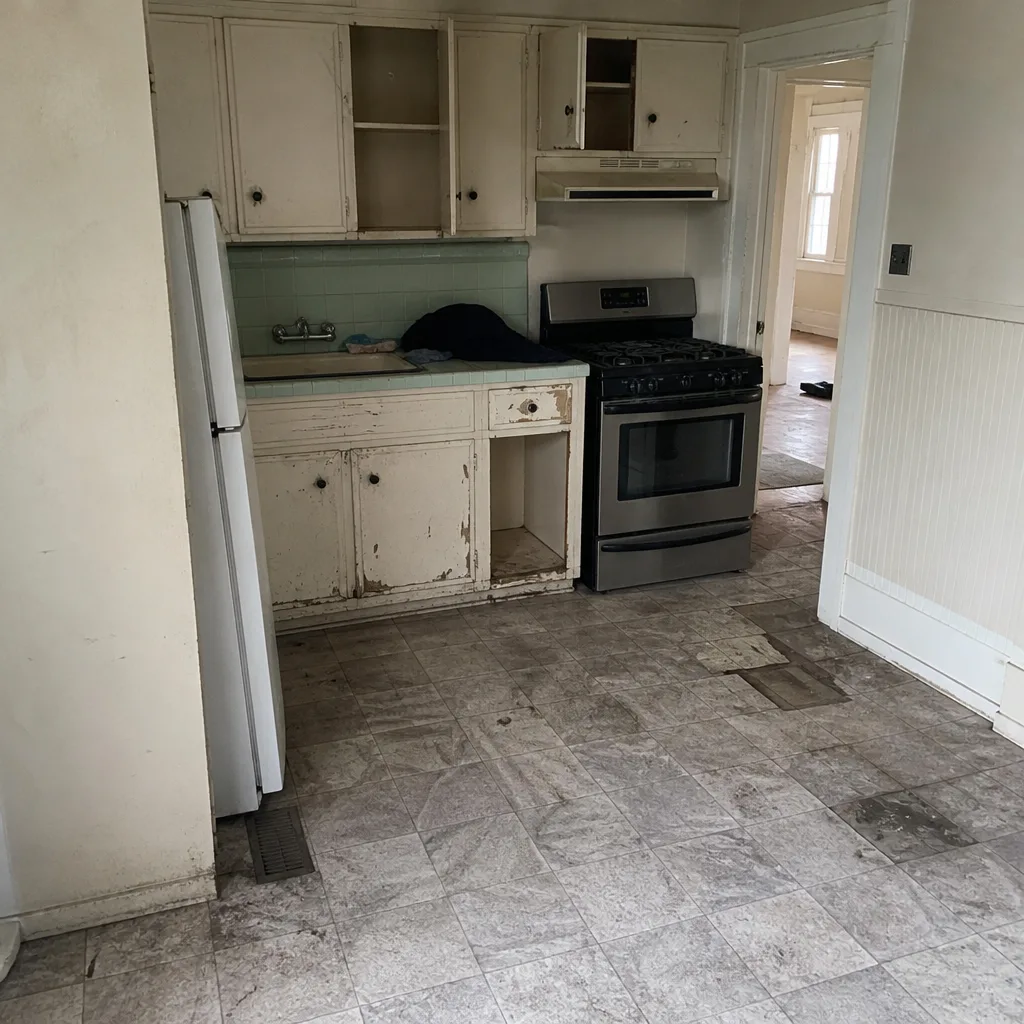 Before
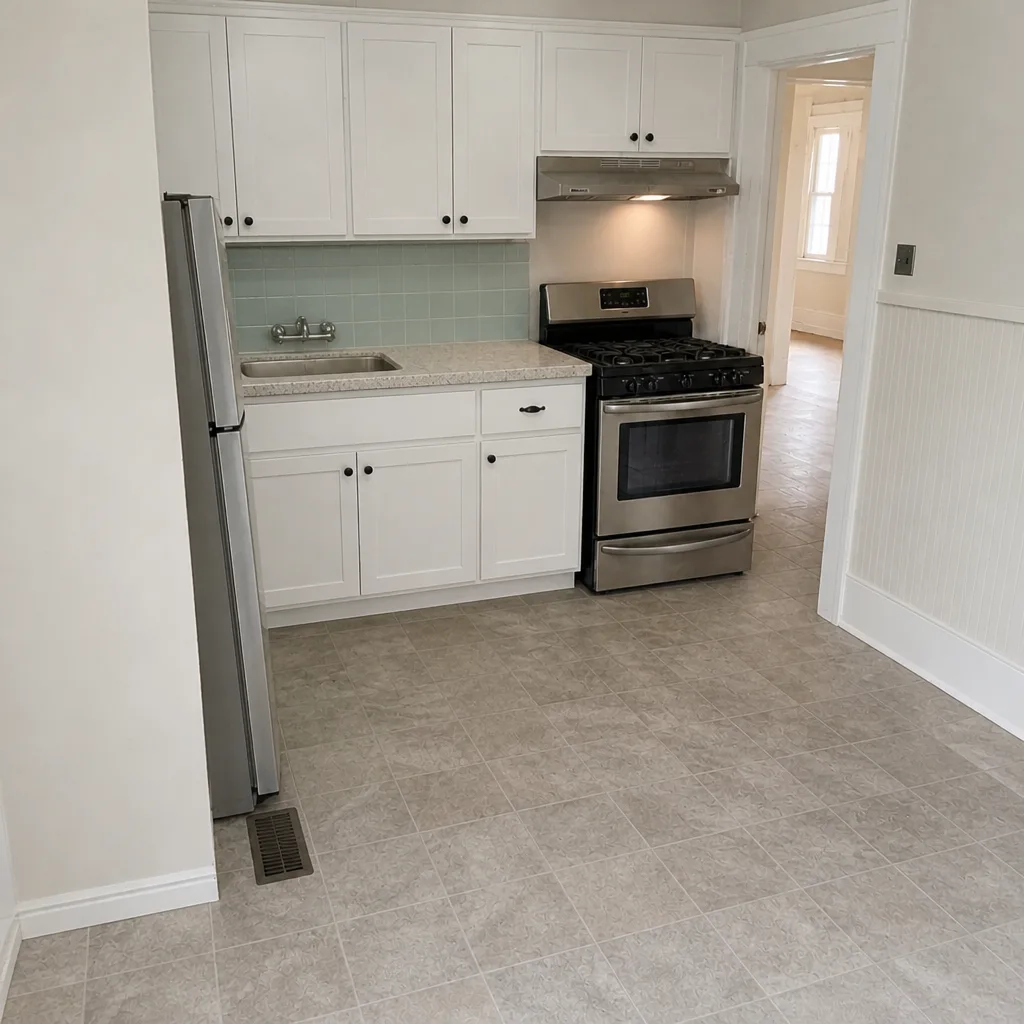 After
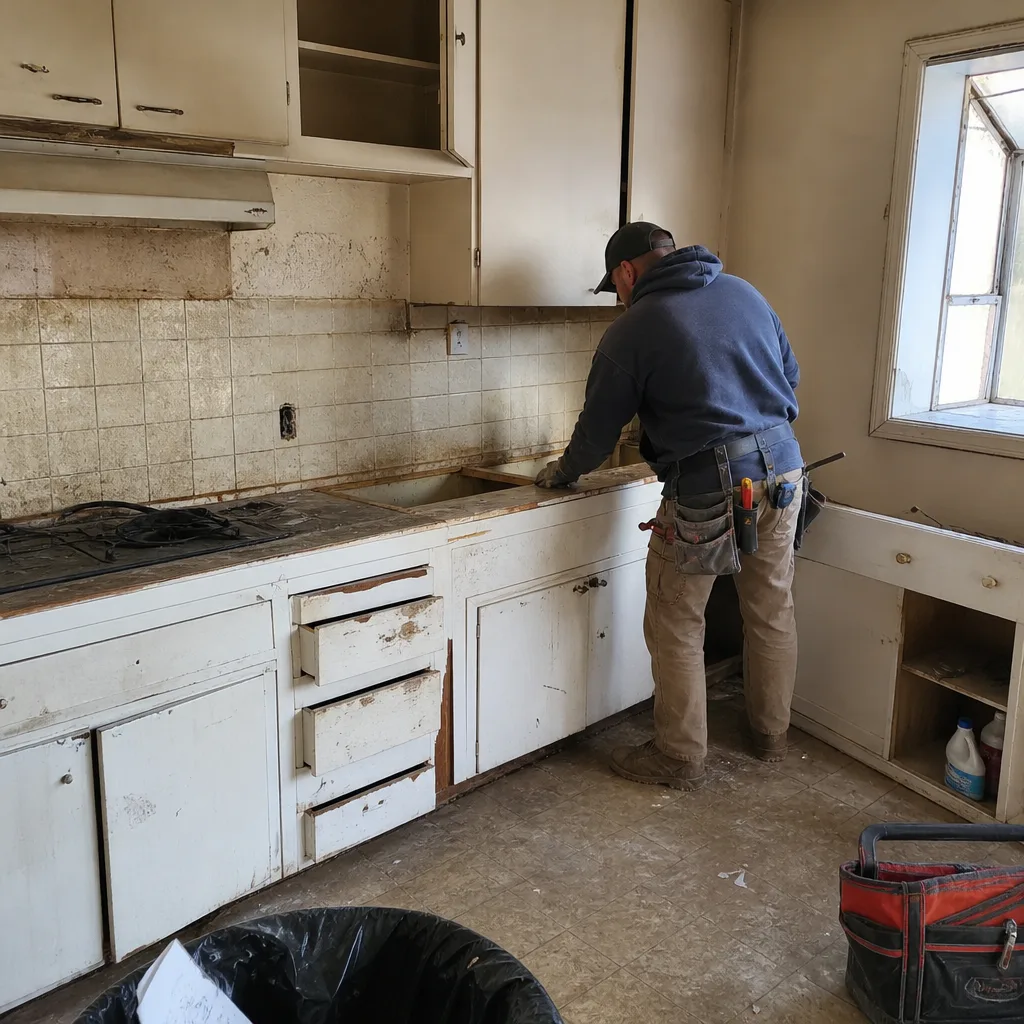 Before
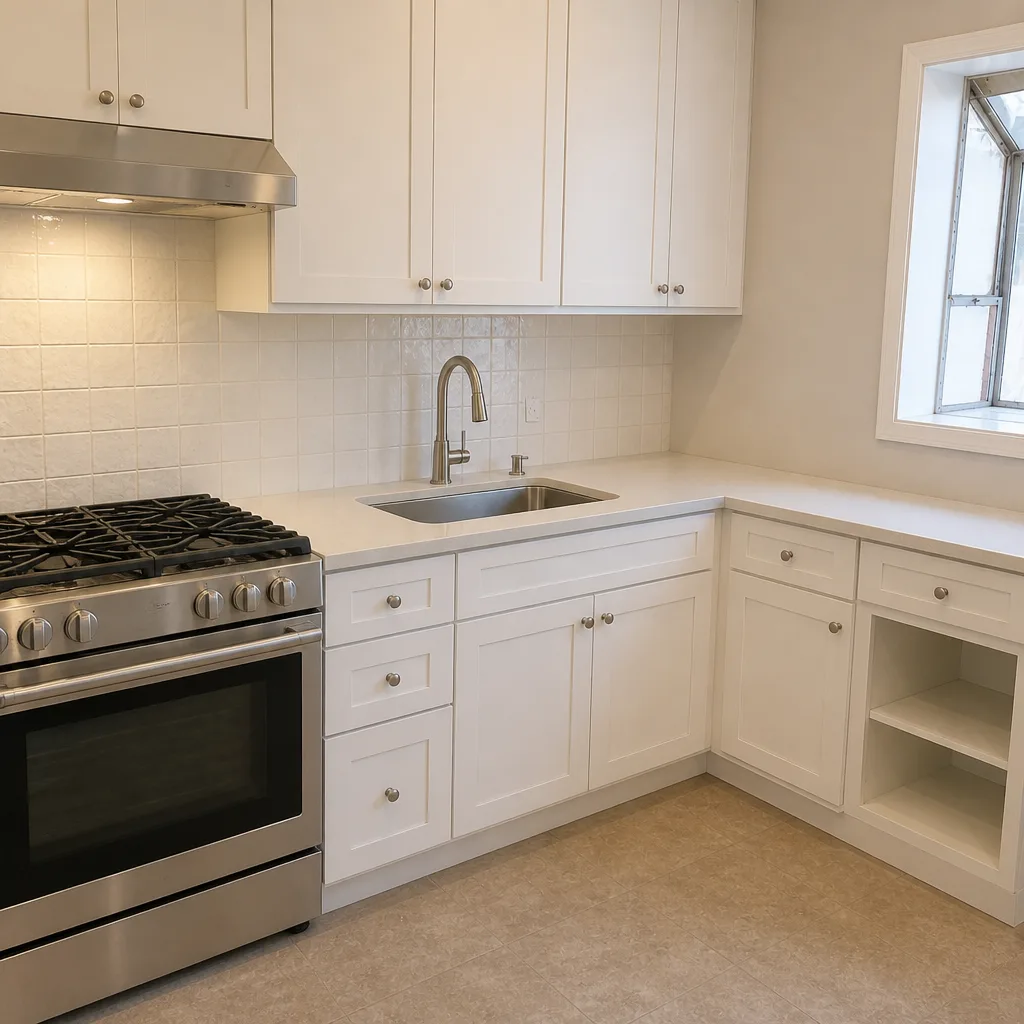 After
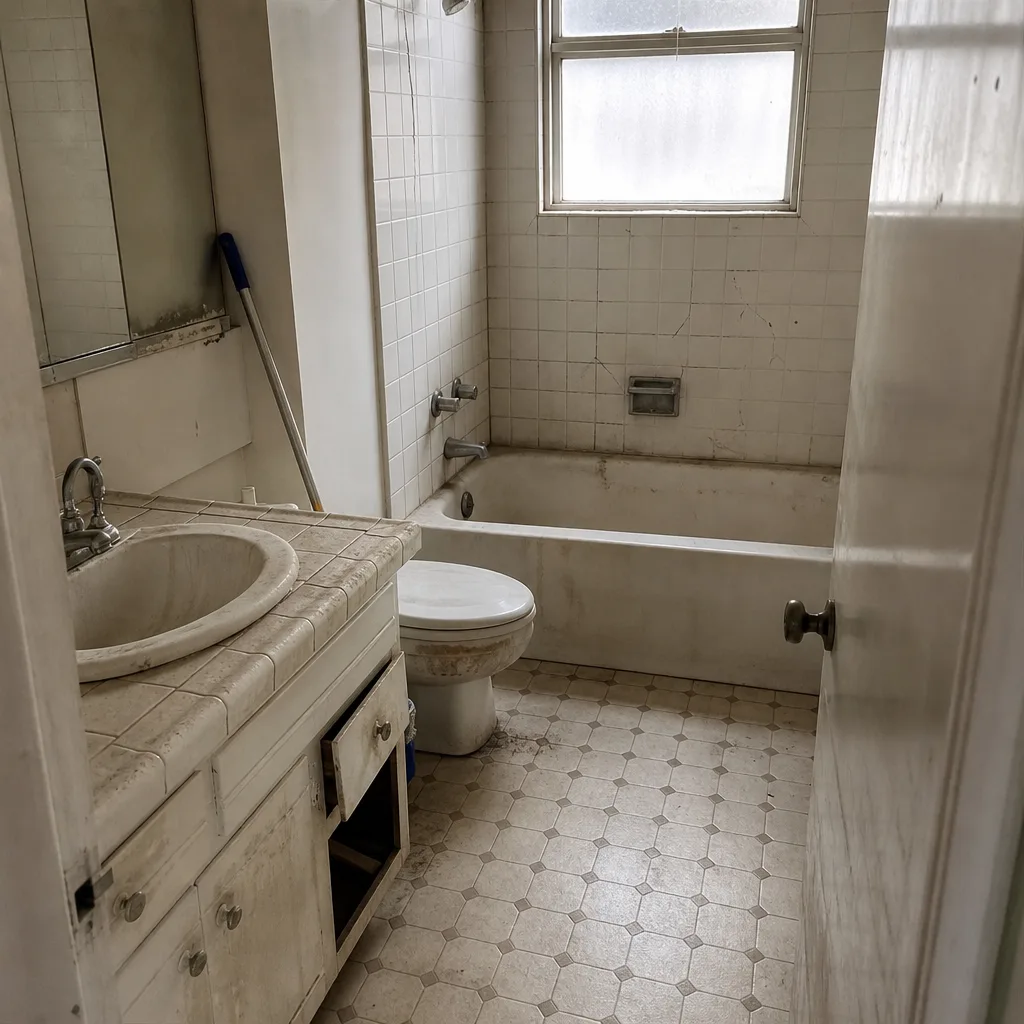 Before
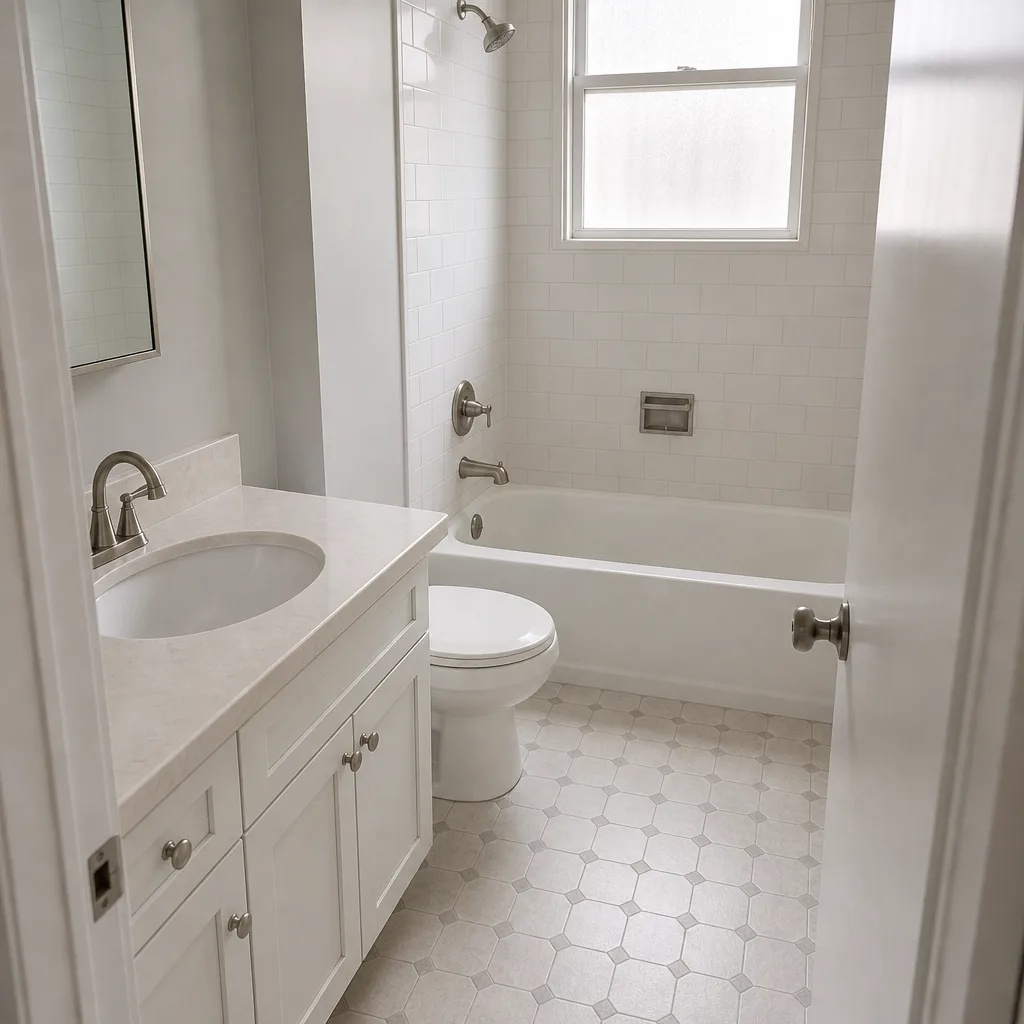 After
When to Call a Professional
Call a professional when a gap, crack, or stain has changed in size since last year; when water reappears after a repair; when a door or window no longer closes squarely; when a foundation crack appears or widens; when gas or electrical work is involved; or when a roof repair is above the height you’re comfortable working at safely. High-tension springs, gas lines, and steep-roof work are dangerous and should be left to trained, insured professionals. Those are the calls that save money by being made early. Rowan Construction Group San Francisco offers free estimates in San Francisco – call (844) 797-6388. The written price comes before any work starts.
Frequently Asked Questions

San Francisco homes need four maintenance cycles aligned to fog season (June – August: flashing and sealant checks), dry peak (September: wood movement and joint monitoring), pre-rain window (October: drainage and vent clearing), and rain season (November – February: post-storm inspection). The annual seismic checklist runs year-round. Building the schedule around those climate windows, not meteorological seasons, is what makes it work in San Francisco.
Sikaflex 221 and OSI Quad Max are the two products we most often recommend for exterior joints in San Francisco, because both stay flexible and resist moisture and UV across the fog season. Petroleum-based caulks and latex “paintable” caulk in high-exposure exterior spots typically fail within about 18 months. The product matters as much as the application.
Inspect twice a year at minimum: once at the September dry peak, when wood contraction opens gaps you can see and measure, and once after the first major rain event in November or December, when you can check for water intrusion. Between those, watch for changes in door and window operation and photograph any new crack immediately.
Thermal cycling is the repeated expansion and contraction of wood framing, siding, trim, and window frames as temperature and moisture conditions change through the year. Most cycles are benign and show up only as hairline cracks or seasonal gaps. When cycling cracks exceed 1/4 inch, or when a door stops closing squarely, that’s a signal for a professional inspection, not a homeowner repair.
Yes. Anchor bolts, cripple wall bracing, foundation cracks, gas line flex connectors, and water heater strapping should be reviewed every year, regardless of season. The checklist is not about predicting an earthquake; it’s about confirming the safety systems are intact and haven’t been weakened by later plumbing, electrical work, or general movement.
No. Rowan Construction Group quotes every project as a flat written price with a written scope before any work begins, and no change proceeds without a signed change order. That’s the discipline we’ve held across 4,000-plus projects since 2007. If you want a second set of eyes on a competitor’s quote, we’re glad to review it line by line at no charge. Call (844) 797-6388 to schedule a free estimate in San Francisco.
The Bottom Line
San Francisco doesn’t have four seasons in the conventional sense. Your home has a fog season, a dry season, a rain season, and a seismic maintenance window, and each one exposes a different set of components. Build a maintenance calendar around those windows: fog checks from June to August, wood movement and joint measurement at the September dry peak, drainage and vent clearing before the November rains, and the annual seismic checklist year-round. Use the right sealants – Sikaflex 221, OSI Quad Max – and avoid the products that fail in 18 months. And when a gap crosses 1/4 inch, when water returns after a repair, or when a door won’t close, call it in rather than caulking over it. The best seasonal care in San Francisco is documentation plus timing. Our technicians have up to 19 years of experience, and the written price comes before any tool comes out of the truck. Call (844) 797-6388 to schedule your free estimate.
Written by the team at Rowan Construction Group San Francisco.