Last updated November 17, 2026


Free written scope consultation - allowances, timeline, and change-order rules on paper before a single trade is scheduled
The Complete Bathroom Remodeling Guide for San Francisco Homeowners
Most bathroom remodeling guides assume your house was plumbed in the last thirty years. Yours probably wasn’t. The median San Francisco single-family home predates 1940, which means the 1.5-inch cast iron drain behind your tub has been carrying soap scum and hair for eight decades and was sized for one fixture under a code that no longer exists. Add the fact that San Francisco’s Department of Building Inspection treats a fixture relocation as a permit trigger, and you have two problems that account for most of the budget overruns we see in San Francisco bathrooms. This guide starts there: what these two issues cost, how to catch them before demolition, and how to write a contract that holds.
Quick Answer
A bathroom remodel in San Francisco runs $8,000 – $18,000 for a cosmetic refresh, $22,000 – $45,000 for a mid-range remodel with new tile and fixtures in the existing layout, and $50,000 – $95,000+ for a full gut with layout changes. Expect to spend $250 – $400 on a pre-remodel drain camera inspection and to pull both a building and plumbing permit from the DBI for any work that moves a fixture, including a simple toilet swap.
Styles & brands we work with
- Kitchen remodeling
- Bathroom remodeling
- Home additions & ADU
- Roofing
- Windows & doors
- Driveway & pavers
- Fence
Table of Contents
- What does a bathroom remodel cost in San Francisco?
- Which San Francisco permits do you need for a bathroom?
- Why a drain camera inspection should come first
- Material choices for San Francisco’s climate and building stock
- How to structure your bathroom remodel contract
- Common mistakes to avoid
- When to call a professional
- Frequently asked questions
What does a bathroom remodel cost in San Francisco?
Costs in San Francisco track 25 – 40% above national averages for the same scope of work, and the premium isn’t labor alone. It’s the age of the building stock, the permit and inspection overhead from the DBI, and the cost of getting materials up the stairs of a building without a loading zone out front.
- Cosmetic refresh ($8,000 – $18,000): New vanity, faucets, toilet, paint, and a refinished tub or new tub liner. No tile removal, no drain work. This is realistic only when the existing substrate is sound and the layout stays put.
- Mid-range remodel ($22,000 – $45,000): Full tile replacement in the shower and floor, new fixtures throughout, recessed lighting, waterproofing membrane, permit fees, and patch work on original plaster walls.
- Full gut with layout change ($50,000 – $95,000+): Moving plumbing supply and drain lines, relocating a toilet or adding a second sink, framing changes, new electrical circuits, and a full DBI plan check.
Line items that account for the San Francisco premium worth calling out separately: a new 2-inch shower drain and trap set ($800 – $1,500), a reprocessed cast iron stack that turns out to be cracked ($2,500 – $6,000), moving a vanity to a wall without a supply line ($1,200 – $3,000), and the additional cost of tiling a floor that’s out of level by more than half an inch in an Edwardian building ($1,000 – $2,500). If you want a written price before any work starts, that’s the standard at Rowan Construction Group, and it’s been that way since Clause 1 of the Haven Standard was written.
Which San Francisco permits do you need for a bathroom?
San Francisco requires a building permit for any bathroom remodel that moves a fixture, and a separate plumbing permit for fixture replacement even when the layout doesn’t change. That second one surprises people. A direct swap of a toilet in the same spot still needs an over-the-counter plumbing permit from the DBI. Fixture relocation pulls a building permit and usually a plumbing permit together.
- Plumbing permit: Required for any fixture replacement, addition, or relocation. Over-the-counter at the DBI for same-location swaps; plan check required when moving fixtures.
- Electrical permit: Required for any new outlet, recessed light, exhaust fan, or circuit change. GFCI protection is mandatory within six feet of water sources. If you’re adding a heated towel bar, that’s a permit.
- Building permit: Required for any layout change, wall removal, or structural work. Plan check is typical when the wall being moved is load-bearing.
Unpermitted bathroom work is a documented liability. SFPUC water meter records are available to any buyer’s inspector, and a sudden consumption change between two reading dates is the easiest signal in the world to read. When you go to sell a San Francisco condo or single-family home, a permit history gap on your bathroom can hold up a $1.4M transaction for six weeks. The team at Rowan pulls permits and passes inspections as standard on every bathroom job. Combine that with the Rowan Construction Group San Francisco home page to see how the permit discipline applies to every trade we run.
Why a drain camera inspection should come first
Every bathroom remodel in San Francisco should start with a drain camera inspection of the main stack and the branch lines feeding the bathroom. The camera run costs $250 – $400 and it tells you what you’ll find before demolition. Without it, you’re remodeling a room whose plumbing may need to be replaced the moment the tile comes off.
What the camera looks for in San Francisco buildings specifically:
- Cast iron age and condition: Pre-1975 San Francisco buildings are almost all cast iron. Cast iron pits from the inside as it ages; a 1940s stack has often lost a third of its wall thickness. It can hold water for another decade or fail next year. The camera tells you which.
- Drain sizing: Old showers and tubs often drain on 1.5-inch lines. Modern shower fixtures, especially rain heads, need 2-inch drains to keep up. Adding a rain head to a 1.5-inch drain means it will pool at the pan on every shower. Replacing that drain means breaking the floor.
- Vent condition: Original vents sometimes terminate incorrectly or have been capped by a past remodel. A drain without proper venting will gurgle and drain slowly forever.
- Shared stacks: In San Francisco buildings with a shared stack, replacing your section without coordinating with the neighbor’s section is a partial fix. The camera inspection reveals how much of the line is yours to fix and how much belongs to the building.
Get the camera report in writing with the footage saved. Any contractor who wants to skip this step and “find out when we open the wall” is telling you something about how they price change orders.
Material choices for San Francisco’s climate and building stock
San Francisco bathrooms see year-round humidity without heating. That means condensation sits on cold surfaces longer than it does in Chicago or Phoenix, and it means mold is a genuine risk in any bathroom without an exhaust fan and a proper cement board substrate. A few choices that hold up.
Backer board
Use cement board in shower surrounds, not paper-faced gypsum. Gypsum board in a San Francisco bathroom with uninsulated exterior walls and no continuous heat will grow mold behind the tile within a few years. Cement board is the standard for a reason.
Tile substrate on Victorian and Edwardian floors
San Francisco Victorian and Edwardian bathroom floors were framed for a linoleum or vinyl finish, not for 3/8-inch porcelain tile. The joist spacing and subfloor thickness in these buildings often deflect more than tile tolerates. The fix is a cement backer board or an uncoupling membrane over a thicker subfloor. A tile contractor who doesn’t ask about joist direction and spacing before quoting is a problem.
Grout
Epoxy grout in the shower floor and lower walls on any bathroom without heat. Standard cementitious grout has to be sealed every 12 – 18 months in San Francisco’s ambient humidity, or it will stain and grow mildew on the joints. Epoxy grout doesn’t need sealing and it holds up longer. It costs more per square foot and it’s worth it in the specific climate of this city.
Fixtures and cabinets
We source through over fifty vetted brands. For bathrooms we work with Kohler and Toto fixtures and KraftMaid and Wellborn cabinetry most often because the catalog depth lets us keep the written quote honest rather than padding for lack of options. Brand-named spec in the quote is easier to compare than “premium fixtures.” If you’re planning a bigger scope and want to know how bathroom work fits into a broader renovation, see our Home Additions & ADU in San Francisco page, which explains how additions interact with existing plumbing and electrical.
How to structure your bathroom remodel contract
A bathroom remodel contract is a scope document first and a price document second. What follows is what we put into every bathroom contract, and what you should insist on from any contractor.
- Written scope with specified materials. Not “tile allowance $3,000” but the actual tile specified by name and SKU, with the allowance stated as a fallback only if you haven’t chosen. Allowances defer decisions and inflate the change order column. Specified materials cap the surprises.
- Flat price, not time and materials. A bathroom at $185/hour in San Francisco is an open-ended invoice. A flat price with a written scope is the only number you can actually budget against.
- Written change order process. No work proceeds on a change until the change order is signed. This is the discipline that keeps a project within a few percent of the agreed number, and it’s non-negotiable on our jobs under the Haven Standard.
- Realistic payment schedule. Deposit no more than 10 – 15% on signing, a progress payment at rough-in completion (after rough plumbing and electrical have passed inspection), a payment at tile completion, and final payment after inspection passes. Any schedule that requests more than half upfront is a red flag.
- Written warranty. A 365-Day Done Right Promise stated in the contract is a real promise; a promise stated only on the website is a marketing page. Ours is printed on the contract page.
- Documented photo record. Every visit should produce photos of what was found and what was done. This matters most inside the walls, because the plumbing and electrical you’re paying for are invisible once the tile goes back on.
The change order triggers specific to bathroom remodels are worth writing into the contract with pricing pre-agreed. Hidden water damage behind the tub surround, out-of-plumb walls in an Edwardian where the tile will not lie flat without furring, and undersized electrical circuits that can’t support the new exhaust fan plus vanity lights are the three most common. A contract that names them and prices them in advance is a contract that stays on budget.
Common Mistakes to Avoid
- Skipping the drain camera inspection. Every San Francisco bathroom pre-1975 has cast iron behind the wall. Finding out the stack is cracked after demolition doubles the timeline and pushes the price through the allowance ceiling.
- Assuming a fixture swap is permit-exempt. The DBI requires an over-the-counter plumbing permit even for a direct toilet replacement in the same location. Unpermitted work on the record is a documented liability at sale.
- Using paper-faced drywall in the shower. Gypsum board behind tile in a San Francisco bathroom without continuous heat is a mold problem waiting to surface. Cement board is the standard.
- Choosing a tile without checking floor deflection. Victorian and Edwardian bathroom floors in San Francisco were framed for linoleum. Porcelain tile on a deflecting joist system will crack. Uncoupling membrane or a thicker subfloor is required.
- Pricing allowances instead of specifying materials. A “$3,000 tile allowance” hands the decision to future-you at the worst possible time. Specify the tile in the contract.
- Ignoring the ventilation. A bathroom without a properly sized exhaust fan in San Francisco’s humidity will grow mildew on the ceiling within two years. The fan should be tied to a timer switch, not a wall switch that gets forgotten.
- Deposit creep. A contractor asking for 50% up front is asking you to fund the whole project before the work exists. Watch the payment schedule in the contract.
When to Call a Professional
Call a professional contractor for any bathroom remodel that involves moving a fixture, replacing a drain line, changing electrical circuits, or opening walls. The work is permitted, inspected, and insulated from the mistakes that cost the most to undo. Call us specifically when you’re working in a pre-war San Francisco building, when the drain camera turns up cast iron of unknown age, when a past remodel’s work is in question, or when you want a written price before any tool goes into the wall. Rowan Construction Group San Francisco offers free estimates in San Francisco; call (844) 797-6388 to schedule one. A Free Second Opinion on any written estimate is also a standing offer: bring a competitor’s quote and we’ll review it line by line at no charge. If your remodel touches the exterior of the building, our Fence Installation in San Francisco and Driveway & Pavers in San Francisco pages describe the same permit and documentation process for outdoor trades.
Frequently Asked Questions
A bathroom remodel in San Francisco costs $8,000 – $18,000 for a cosmetic refresh, $22,000 – $45,000 for a mid-range remodel in the existing layout, and $50,000 – $95,000+ for a full gut with a layout change. The San Francisco premium over national averages comes from cast iron plumbing, DBI permit and inspection overhead, and the labor to move materials in buildings without loading access. Call (844) 797-6388 for an exact written quote – estimates are free.
Yes. San Francisco requires a plumbing permit for any fixture replacement, an electrical permit for any new outlet, light, or exhaust fan, and a building permit for any layout change. A direct toilet swap in the same location still needs the over-the-counter plumbing permit. Plan check applies when fixtures move or walls change. Pulling permits and passing inspections is standard on every Rowan bathroom job.
Not without a signed change order. The three change order triggers we see most often in San Francisco bathrooms are hidden water damage behind the tub surround, out-of-plumb walls in pre-war buildings that need furring before tile, and undersized electrical circuits. All three are priced into the contract with pre-agreed change order rates, so the number doesn’t move unexpectedly. Call (844) 797-6388 to discuss a fixed written price on your project.
A cosmetic refresh takes 2 – 3 weeks. A mid-range remodel takes 4 – 6 weeks including permit turnaround. A full gut with layout change takes 8 – 12 weeks, with DBI plan check accounting for 2 – 4 of those weeks before demolition. Buildings with shared stacks or staged elevator access add time. Any contractor promising a full gut in three weeks is either skipping permits or planning to improvise.
Yes, and it’s the single most useful $250 – $400 you’ll spend on the project. The camera run tells you the condition of the cast iron branches and stack before the tile comes off, whether the shower drain is 1.5-inch (undersized for modern shower fixtures) or 2-inch, and whether the venting is intact. Get the report in writing with footage saved.
Replace, if the tile is original to a pre-war building, because the substrate and waterproofing behind it are past their service life. Refinishing works on a 1970s or 1980s tub but not on a 1930s tile wall where the mortar bed is failing. A cosmetic refresh that leaves failing waterproofing in place will need to be redone within five years. Call (844) 797-6388 and we’ll walk the bathroom with you before you decide.
The Bottom Line
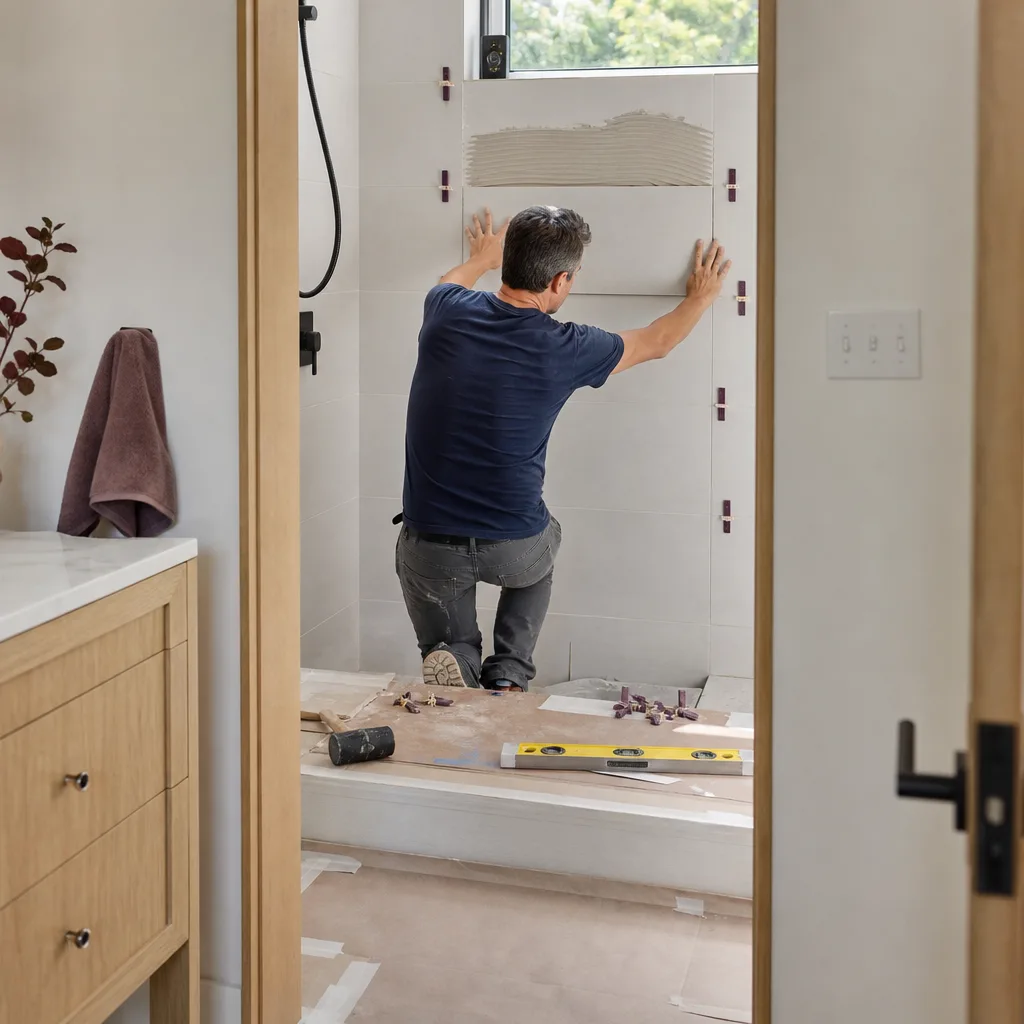
San Francisco bathroom remodels cost more and fail more often than the national average for two reasons you can address before demolition: undersized and aging cast iron drains, and DBI permit requirements that treat fixture swaps as permit-required work. Start with a $250 – $400 drain camera inspection and a written plumbing scope. Pull the permits. Specify materials in the contract rather than relying on allowances. Cap the deposit and structure payments to inspection milestones. Get the 365-Day Done Right Promise and the documented photo record in writing. Do those five things and the difference between the first written number and the final invoice stays inside a few percent of the agreed price, which is the only outcome that actually matters.
Rowan Construction Group San Francisco connects homeowners with vetted local professionals who work under the Haven Standard: a written flat price before any work starts, signed change orders only, background-checked and uniformed technicians, and a documented photo record on every visit. Our technicians have up to 19 years of experience. Call (844) 797-6388 to schedule your free estimate or to bring in a competitor’s quote for a Free Second Opinion.
Written by the team at Rowan Construction Group San Francisco.
See the difference
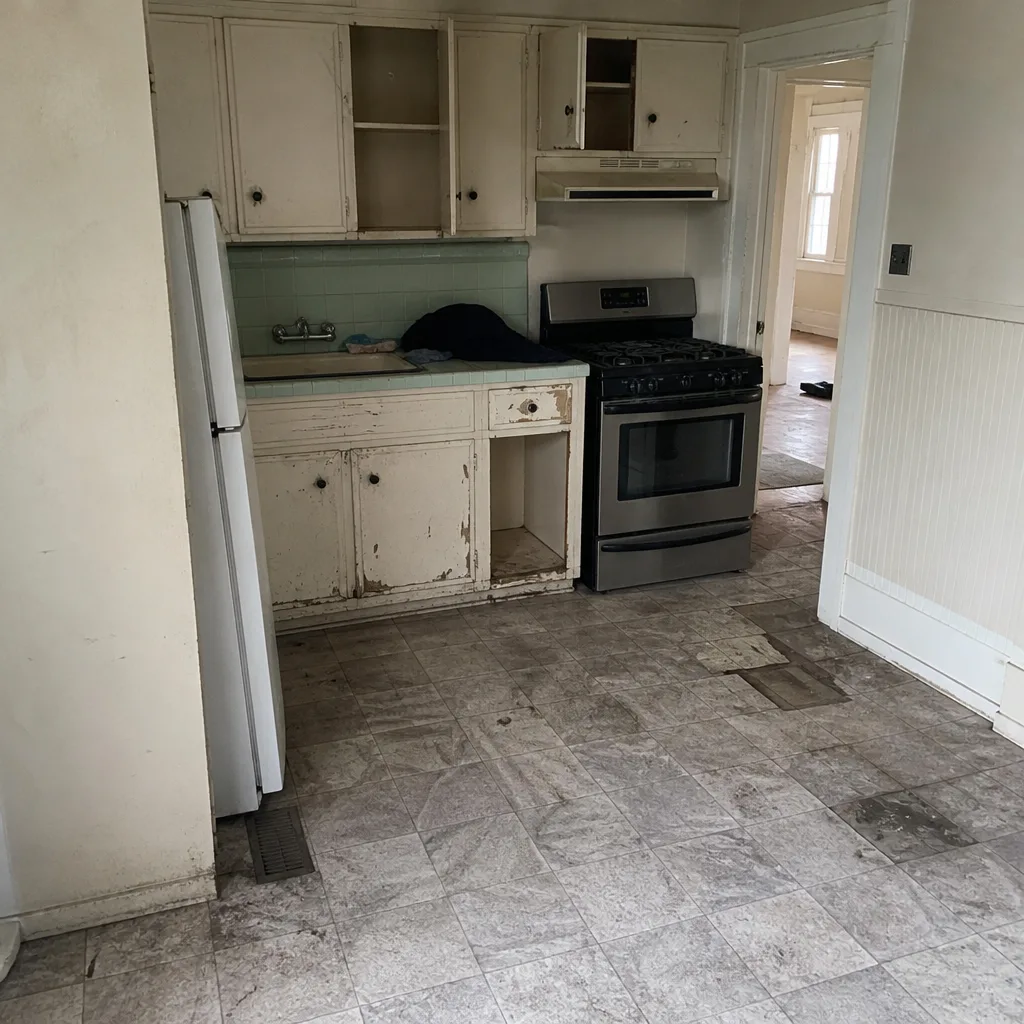 Before
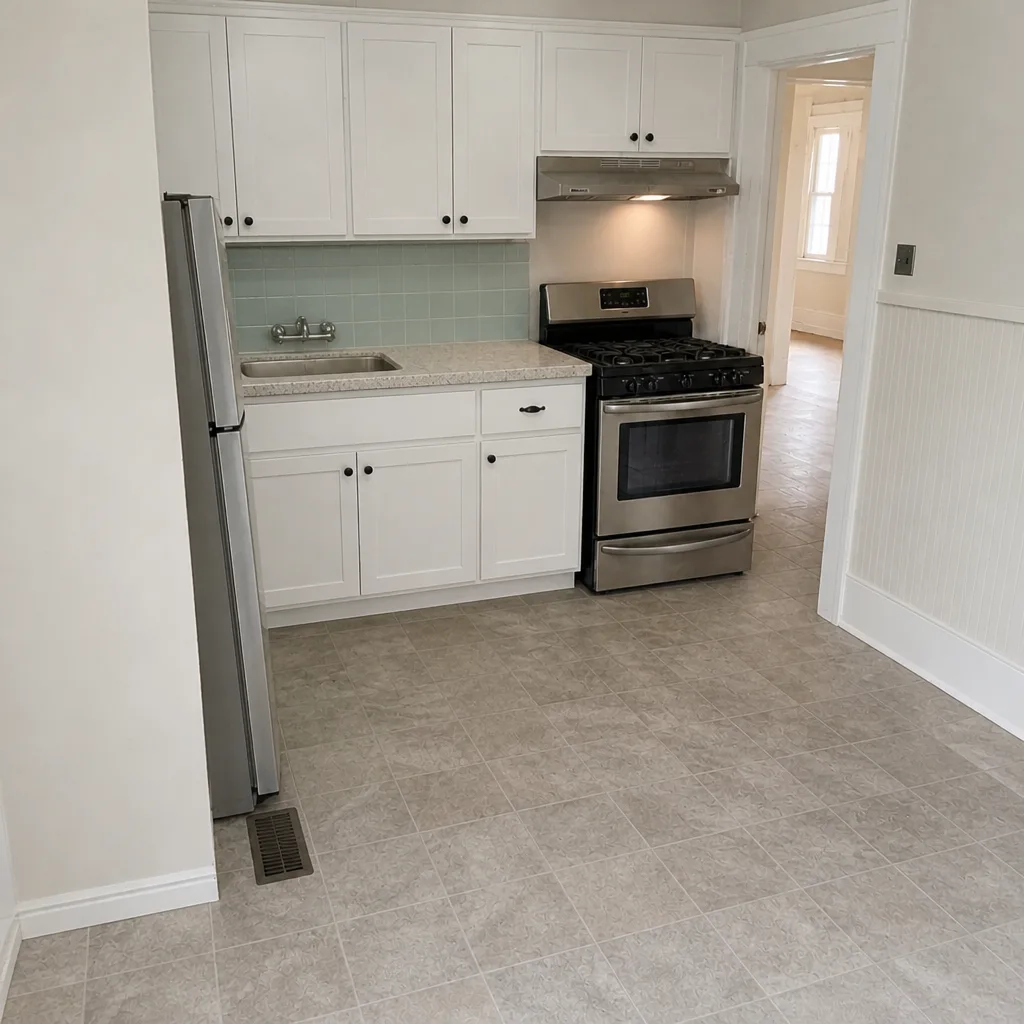 After
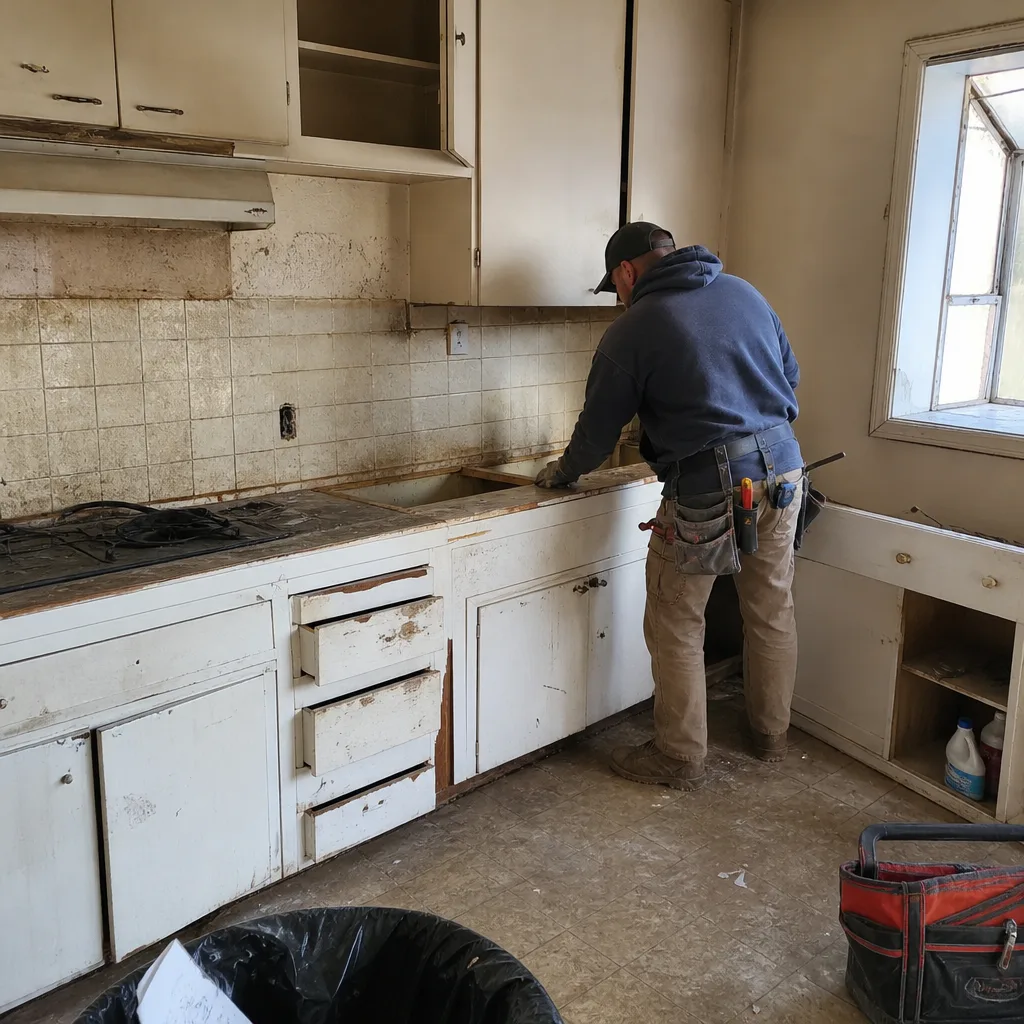 Before
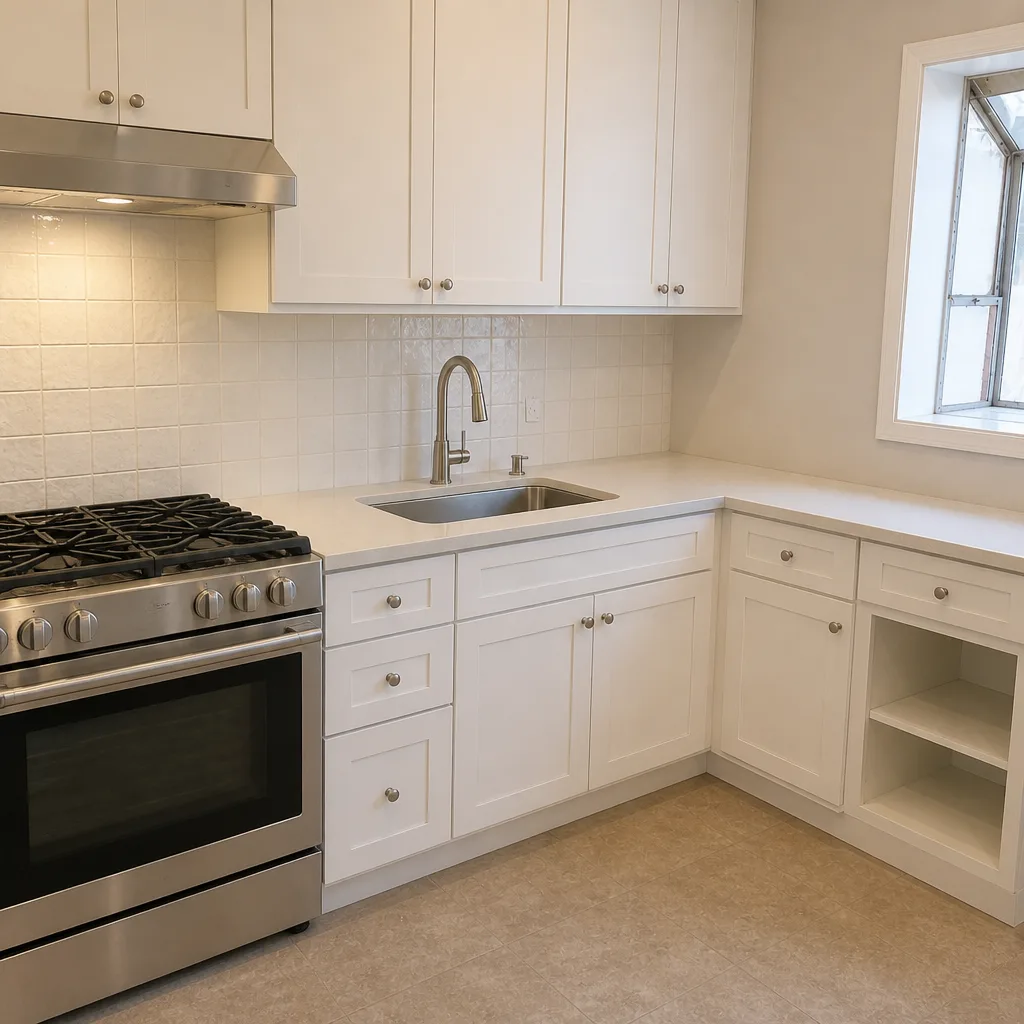 After
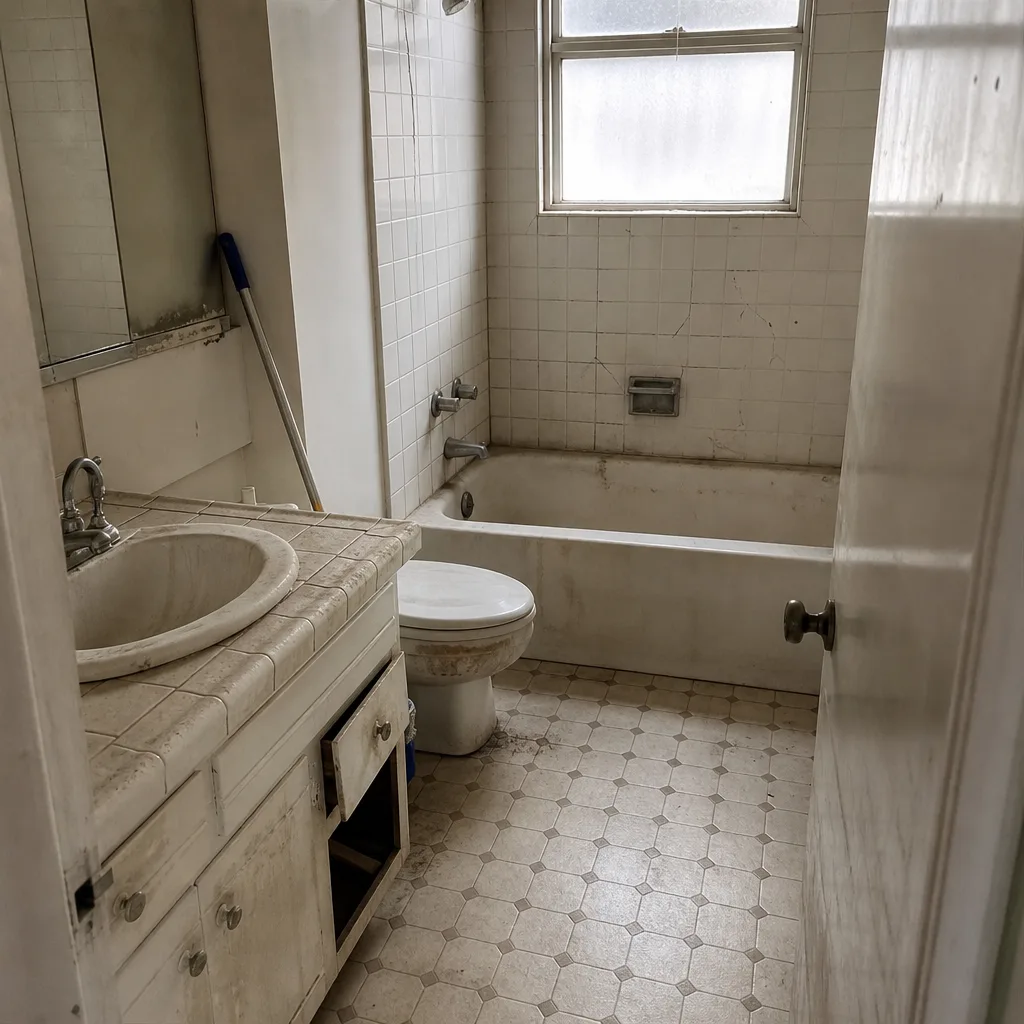 Before
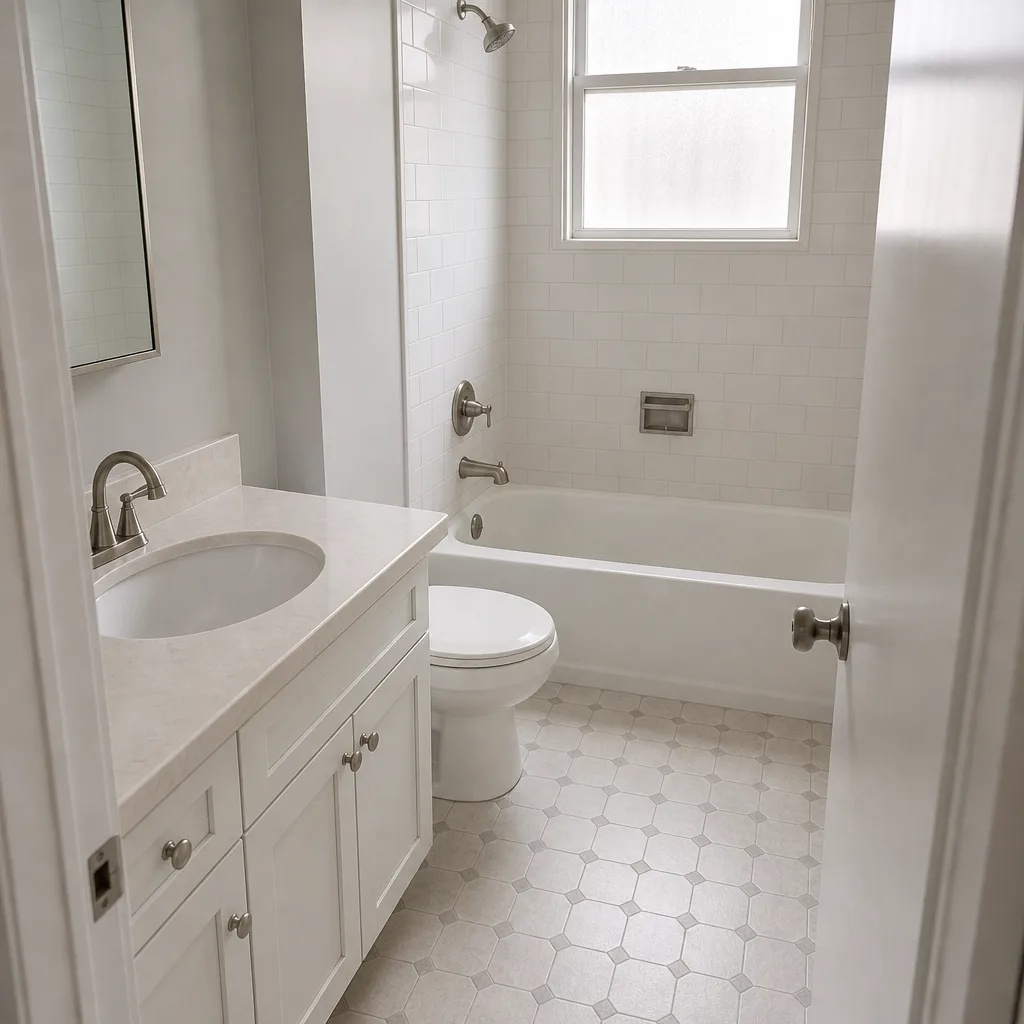 After