Last updated November 17, 2026
Free written scope consultation - allowances, timeline, and change-order rules on paper before a single trade is scheduled
The Complete Driveway & Pavers Guide for San Francisco Homeowners
A 4-inch compacted base is the number printed in almost every paver guide you’ll find online, and on a flat lot in Sacramento it does the job. On a San Francisco hillside lot sitting over Franciscan chert or clay-heavy fill, that same 4-inch base can heave, shift, and separate within two winters. Most guides never mention subbase depth at all, which is exactly why so many San Francisco driveways fail early. What follows is the spec-sheet version: how SF’s shrink-swell clay, steep grades, permit rules, and underground utilities change the numbers before a single paver is ordered. You’ll finish knowing what to ask for, what to expect on cost, and where the real decisions sit.
Quick Answer
A driveway paver installation in San Francisco typically runs $18 – $32 per square foot installed, meaning a standard two-car driveway lands somewhere between $11,000 and $24,000 depending on grade, access, and base depth. The critical difference from the rest of California is the base: SF’s expansive clay soils demand a 6 – 8 inch compacted aggregate subbase, not the 4-inch standard, and slopes above 10% usually require a catch basin and drainage plan to stay code-compliant. Get the soil and slope right before the pavers, and the surface lasts decades; skip them and you’ll be redoing the job in a few years.
Styles & brands we work with
- Kitchen remodeling
- Bathroom remodeling
- Home additions & ADU
- Roofing
- Windows & doors
- Driveway & pavers
- Fence
Table of Contents
- Why San Francisco Soil Changes the Whole Spec
- Base Depth: The 6 – 8 Inch Rule for SF Lots
- Slope and Drainage Math Above 10% Grade
- San Francisco Permits: DPW Street-Space vs. Building Permit
- Paver Brands and Load Ratings That Actually Hold Up
- Underground Utilities and the USA Dig Alert Step
- What Driveway Pavers Cost in San Francisco
- The Installation Process, Step by Step
Why San Francisco Soil Changes the Whole Spec
San Francisco sits on a patchwork of geology that shifts block by block. You’ve got Franciscan chert and sandstone on the hills, dune sand out toward the ocean, and clay-heavy artificial fill in places like the Sunset and Richmond districts, where the ground was graded and built up over a century ago. The clay that dominates those western neighborhoods is a shrink-swell soil, technically a vertisol, and it behaves like a sponge that expands when wet and contracts hard when dry. That cycle happens near-daily here because of the fog and marine moisture rolling through the Sunset most mornings.
What that means for a driveway is movement. A base that isn’t deep and well-drained lets that expanding clay push upward and sideways, and pavers ride along with it. In our experience across San Francisco, driveways that fail early almost always trace back to one of two causes: a base sized for a flat inland lot, or water getting under the pavers because drainage wasn’t planned for the grade. Neither is a paver problem. Both are a site problem, and the site is what you’re really paying to solve.
Some practical signs the soil under your driveway is the issue:
- Pavers that rock or feel loose underfoot months after installation.
- Sand joints that wash out or empty repeatedly after rain.
- Ridges or humps forming seasonally, worse in the wet months.
- Water pooling against the garage apron or at the low corner of the slab.
- Visible separation lines where the driveway meets a walkway or the street.
A contractor who walks the site, probes the base, and asks about drainage is reading the soil. One who quotes from a photo isn’t. For the full range of what we handle, see our Driveway & Pavers in San Francisco page.
Base Depth: The 6 – 8 Inch Rule for SF Lots
Here’s the number that matters most and appears least. National guides cite a 4-inch compacted aggregate base; on San Francisco’s clay-heavy lots, we spec a minimum of 6 to 8 inches of compacted Class II base rock, placed in lifts and compacted between each lift. That’s not upselling. It’s the depth required to bridge over expansive clay and keep the finished surface stable through the wet-dry cycles this city throws at a driveway.
The base does three jobs: it spreads the load of a vehicle over a wider area, it drains water away from the clay below, and it gives the pavers a flat, stable bed so they don’t settle unevenly. On a clay lot, if the base is too thin, the clay’s movement telegraphs straight up through the pavers. Placing the base in lifts matters too, because dumping 8 inches at once and compacting the top doesn’t compact the bottom.
What the numbers look like in practice:
- Standard inland base: 4 inches compacted aggregate, one lift.
- San Francisco clay lots: 6 – 8 inches compacted, placed in 2 – 3 inch lifts.
- Compaction target: 95% relative density, checked with a plate compactor and moisture control.
- Geotextile fabric: a separation layer between clay subgrade and base rock keeps fines from pumping up into the base over time.
Under Clause 1 of The Haven Standard, the price and the base spec are written before anyone starts. If a quote doesn’t state the base depth in inches, ask. It’s the single line item most likely to decide whether your driveway looks the same in year ten as it did in year one.
Slope and Drainage Math Above 10% Grade
San Francisco is hills, and a lot of driveways here are steeper than the 10% grade that most drainage guidance assumes. Grade is rise over run: a driveway rising 3 feet over a 30-foot run is 10%. Above that, water picks up speed and volume, and the drainage design has to change. This is where permeable pavers, which work well on gentler, flatter lots, stop being a simple answer. On steeper grades, water moves too fast for permeable joints to absorb it, and you generally need a catch basin or channel drain at the low point to collect and redirect it before it reaches the garage or a neighbor’s property.
The math isn’t complicated, but ignoring it is expensive. Here’s how we think through a sloped driveway:
- Measure the run and rise to calculate grade as a percentage; anything over 10% triggers a drainage review.
- Identify the low point where water will collect, usually at the garage apron or property line.
- Size a catch basin or trench drain for the roof and driveway water it must handle, then tie it into the storm drain or a dry well as allowed.
- Decide permeable versus non-permeable pavers based on grade and soil; steep grades usually call for solid pavers with a surface drain system.
- Confirm the outlet so water has somewhere legal and practical to go.
Water that ends up under a steep driveway is the leading cause of washout and settling in San Francisco. Drainage is not a line item you trim. If your driveway slopes toward the house, that conversation comes before material selection.
San Francisco Permits: DPW Street-Space vs. Building Permit
Permitting in San Francisco depends on whether your work touches the public right-of-way. A driveway that stays entirely on your property and doesn’t change the curb or sidewalk usually falls under a standard building permit. A driveway that requires a new curb cut, crosses or alters the sidewalk, or changes how you access the street from the public right-of-way usually needs a street-space permit from the Department of Public Works. The project scope decides which, and the two have different review timelines and requirements.
The permit fee itself commonly lands in the $500 – $2,000 range, but that number moves with project size and what’s being reviewed. The bigger variable is the timeline: DPW street-space review can take longer than a straightforward building permit because it involves the public sidewalk and curb. Planning the permit early keeps the install calendar honest.
What’s worth confirming before work starts:
- Which permit type your scope actually triggers, decided before demolition.
- Whether the curb cut or sidewalk is affected, since that’s the DPW trigger.
- That the permit is pulled under the contractor’s name and the inspection gets scheduled.
- That slope and drainage plans are included if the grade is above 10%.
We pull the permits and pass the inspections; a driveway that skipped permitting can become a problem at resale. Ask any contractor whether permits are included in the written price, and get the answer in writing. If you’re weighing a larger project alongside the driveway, our team also handles Home Additions & ADU in San Francisco with the same permit-first discipline.
Paver Brands and Load Ratings That Actually Hold Up
Paver selection for a San Francisco driveway comes down to compressive strength, water absorption, and how the paver handles repeated freeze-thaw and wet-dry cycles. Vehicle traffic needs a paver rated well above foot-traffic products, and coastal fog plus marine moisture makes water absorption a real factor. The brands worth naming all publish their specifications, and the spec is what you compare.
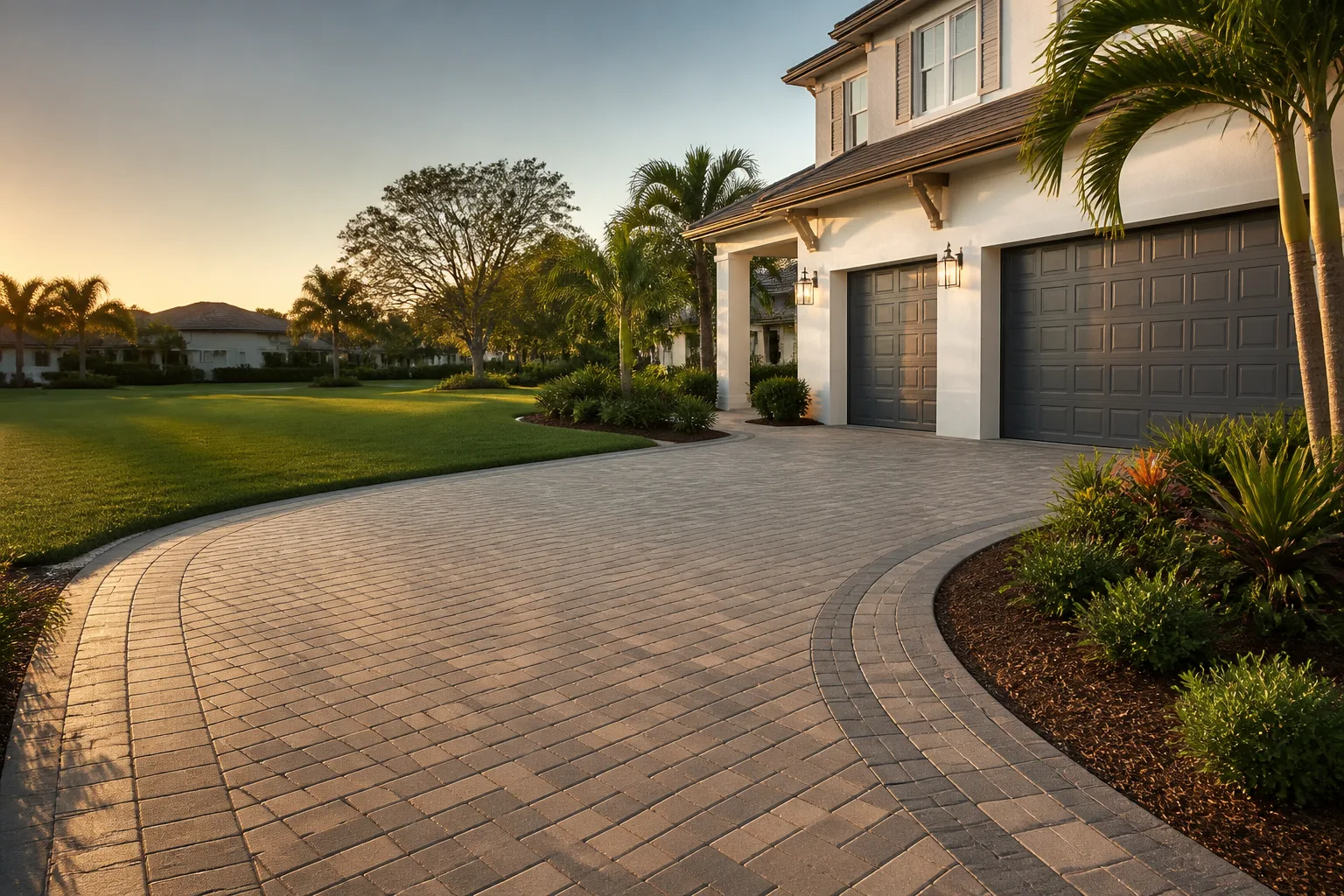
Concrete pavers in the 8,000 PSI range and above are the standard for residential driveways carrying cars and light trucks. Belgard, Unilock, and Techo-Bloc all make driveway-rated lines with published load ratings; Belgard’s driveway products and Techo-Bloc’s HD (heavy-duty) lines are common choices for exactly this reason. Clay brick pavers are another option and hold color well, though they need the same base depth discipline. What separates products is honesty about the numbers: ask for the PSI rating and the water absorption figure, and don’t accept “it’s the good stuff” as an answer.
How to compare pavers on a quote:
- Compressive strength: look for 8,000 PSI or higher for driveways.
- Water absorption: lower is better in a foggy, wet climate.
- Freeze-thaw rating: confirms the paver survives repeated wetting and drying.
- Edge restraints: a proper paver edge restraint is what keeps the field from spreading; a buried concrete curb or spike-and-plate edge is standard for driveways on grade.
A written quote names the brand and product line, not just “pavers.” That’s the difference between a number you can compare and a number you have to trust.
Underground Utilities and the USA Dig Alert Step
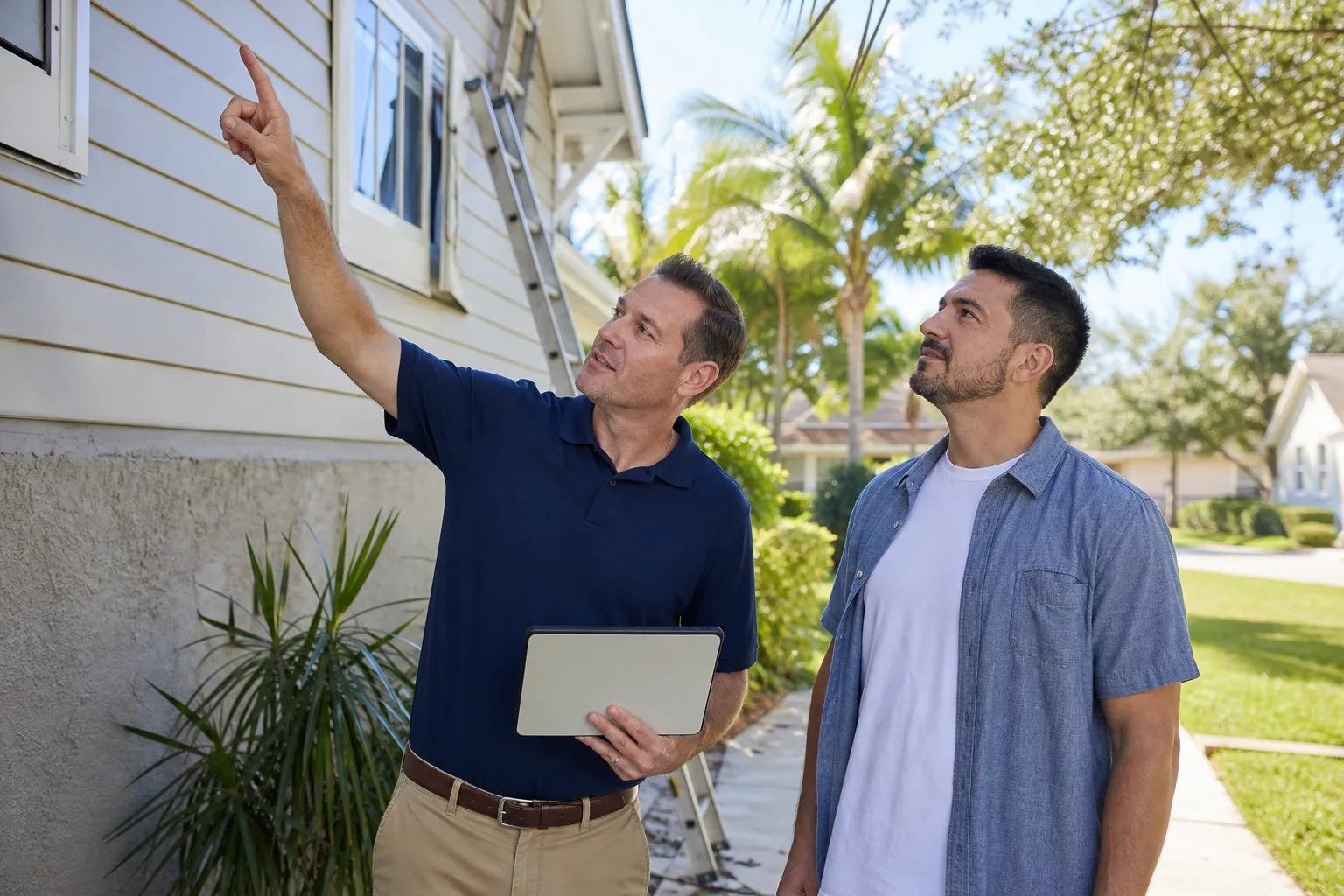
Before any excavation, we call 811 (USA Dig Alert) to have underground utilities marked: gas, water, sewer, electric, and communications lines. That step is free and required, and skipping it is how a straightforward driveway turns into an emergency. In San Francisco, older neighborhoods often carry utility runs that aren’t where a modern map would put them, so the markings and a careful hand-dig near them matter.
When excavation hits something unexpected, the right response is to stop, not to force through it. Here’s the sequence we follow:
- Call 811 and wait for markings before the excavator touches the ground.
- Hand-dig near marked utilities to confirm depth and position.
- Stop work if you hit unmarked infrastructure and re-verify with the utility owner.
- Adjust the base depth or route around the obstruction rather than burying or stressing a line.
- Document what was found with photos before backfilling.
That last point is built into how we work: every visit includes a documented photo record as a standard deliverable, not an add-on. When excavation uncovers something, you get the evidence of what was found and what we did about it. Utility surprises are one of the top reasons a driveway budget flexes, and the photo record is how that stays a documented fact instead of a billing argument. The same care applies to perimeter work; if you’re planning fencing too, our Fence Installation in San Francisco team runs the same utility checks.
What Driveway Pavers Cost in San Francisco
San Francisco driveway paver pricing runs higher than the state average because of base depth, grade work, permits, and access. Tight lots, hillside sites, and hauling constraints all add labor. We quote a flat written price with a written scope before work begins, and no change proceeds without a signed change order, which is why the final number lands within a few percent of the agreed cost.
| Line item | Typical SF range |
|---|---|
| Paver installation (material + labor) | $18 – $32 per sq ft installed |
| Two-car driveway (approx. 500 – 750 sq ft) | $11,000 – $24,000 |
| Deepened base for clay soils (6 – 8 in) | adds ~$3 – $6 per sq ft |
| Catch basin / drainage on steep grades | $1,500 – $4,500 |
| Permit (building or DPW street-space) | $500 – $2,000 |
| Removal of existing concrete or asphalt | $2 – $5 per sq ft |
Those are ranges, not quotes. A flat lot with good access sits at the low end; a steep Sunset or Richmond lot with a thin existing base sits at the high end. If you already have a competing written estimate, take us up on the free second opinion: we’ll review it line by line at no charge so you can see whether the base depth, drainage, and permits are in there or missing.
The Installation Process, Step by Step
A driveway done right follows the same sequence on every San Francisco lot. The differences show up in base depth, drainage, and how carefully the utilities get handled. Here’s what a proper installation looks like from start to finish:
- Site assessment and measurement: record the grade, probe the soil, and confirm utility locations.
- Permitting: pull the correct permit (building or DPW street-space) and schedule inspections.
- Demolition and haul-off: remove the old surface and inspect the exposed subgrade.
- Subgrade prep: grade for drainage, lay geotextile fabric over clay, and compact.
- Base placement: install 6 – 8 inches of aggregate in lifts, compacting each one.
- Drainage: set catch basins or trench drains at the low points on sloped lots.
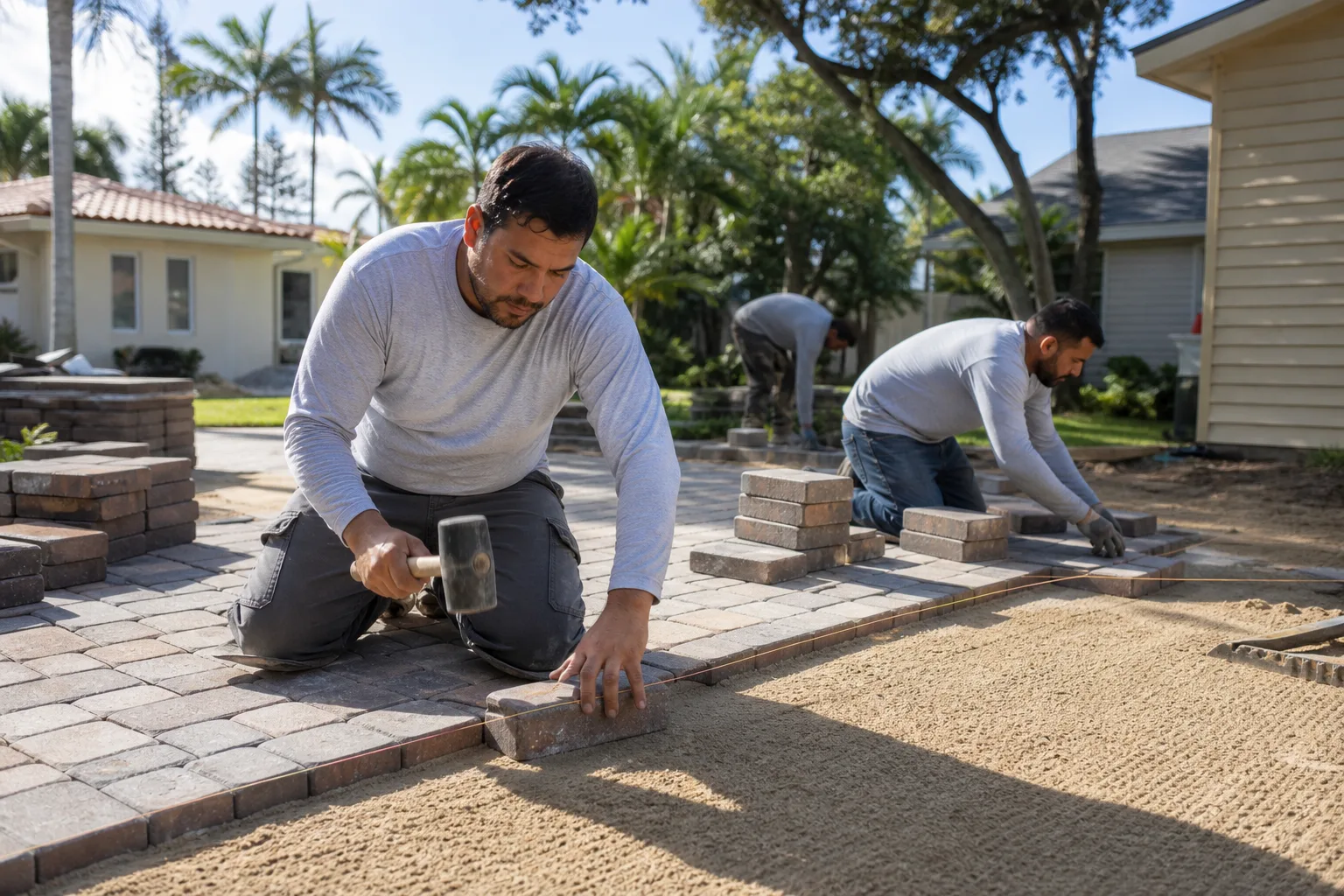
- Bedding and pavers: screed the bedding sand, lay pavers to pattern, and cut edges clean.
- Edge restraints and joints: install edge restraints, spread joint sand, and compact the field.
- Final inspection and photo record: pass inspection and hand over the documented record of the work.
Each step is checkable, which is the point. You should be able to look at a quote and match it to these steps. When something’s left out, that’s the line that fails in year two.
Common Mistakes to Avoid
- Using a 4-inch base on a clay lot. The national standard doesn’t account for San Francisco’s shrink-swell clay, and the result is heaving and separation within a couple of wet seasons.
- Ignoring the grade. A driveway that slopes toward the garage without a catch basin sends water into the house, and no paver will fix a drainage problem that was never designed.
- Choosing pavers on looks alone. A paver without a published load rating for vehicle traffic can crack under a truck; ask for the PSI number, not the color.
- Skipping the 811 call. Digging before utility markings are in place risks a gas or water line, and in older SF neighborhoods the lines are rarely where you’d expect.
- Quoting from a photo. Driveway pricing depends on base condition and access, neither of which a photo shows; a number given without a site visit is a guess.
- Forgetting the permit. A driveway that touches the curb or sidewalk needs a DPW street-space permit, and unpermitted work surfaces at resale.
- Omitting edge restraints. Without a proper edge restraint, the paver field spreads at the sides and the joints open up over time.
See the difference
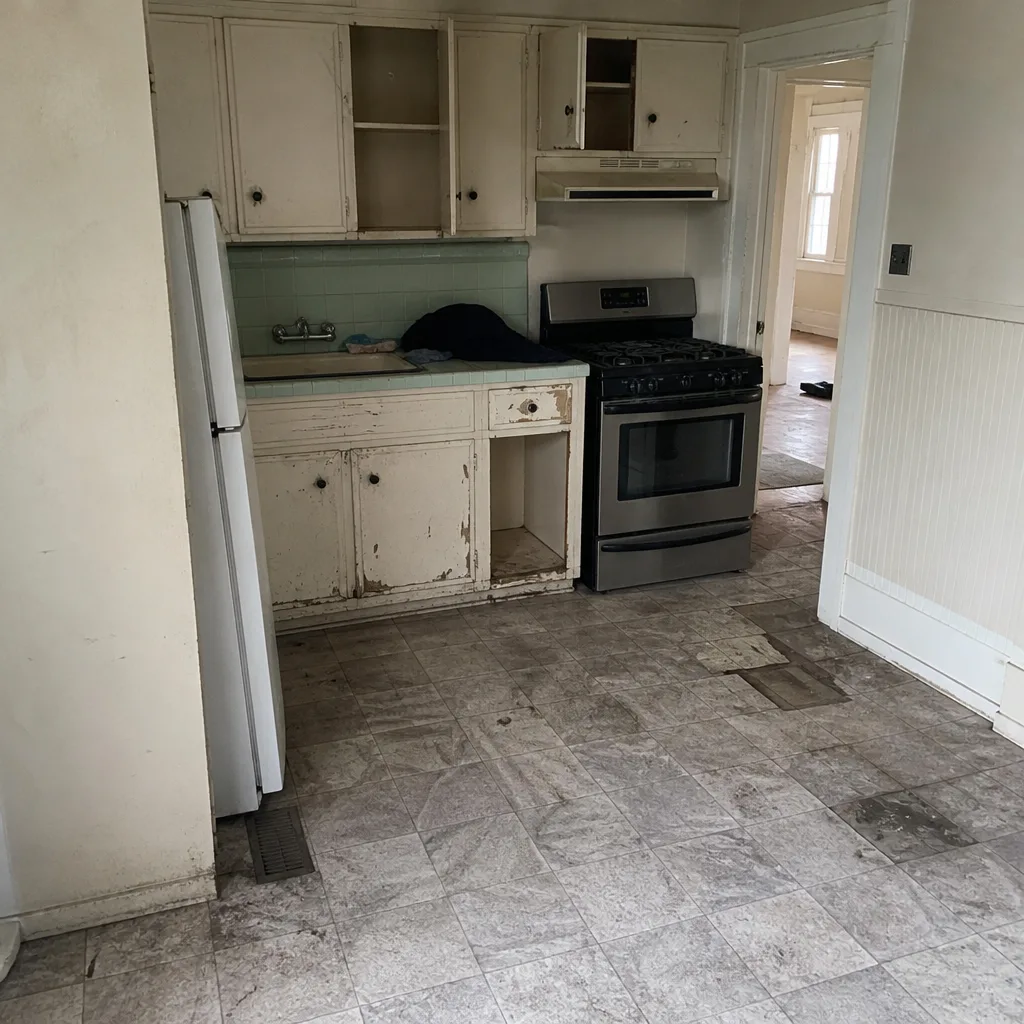 Before
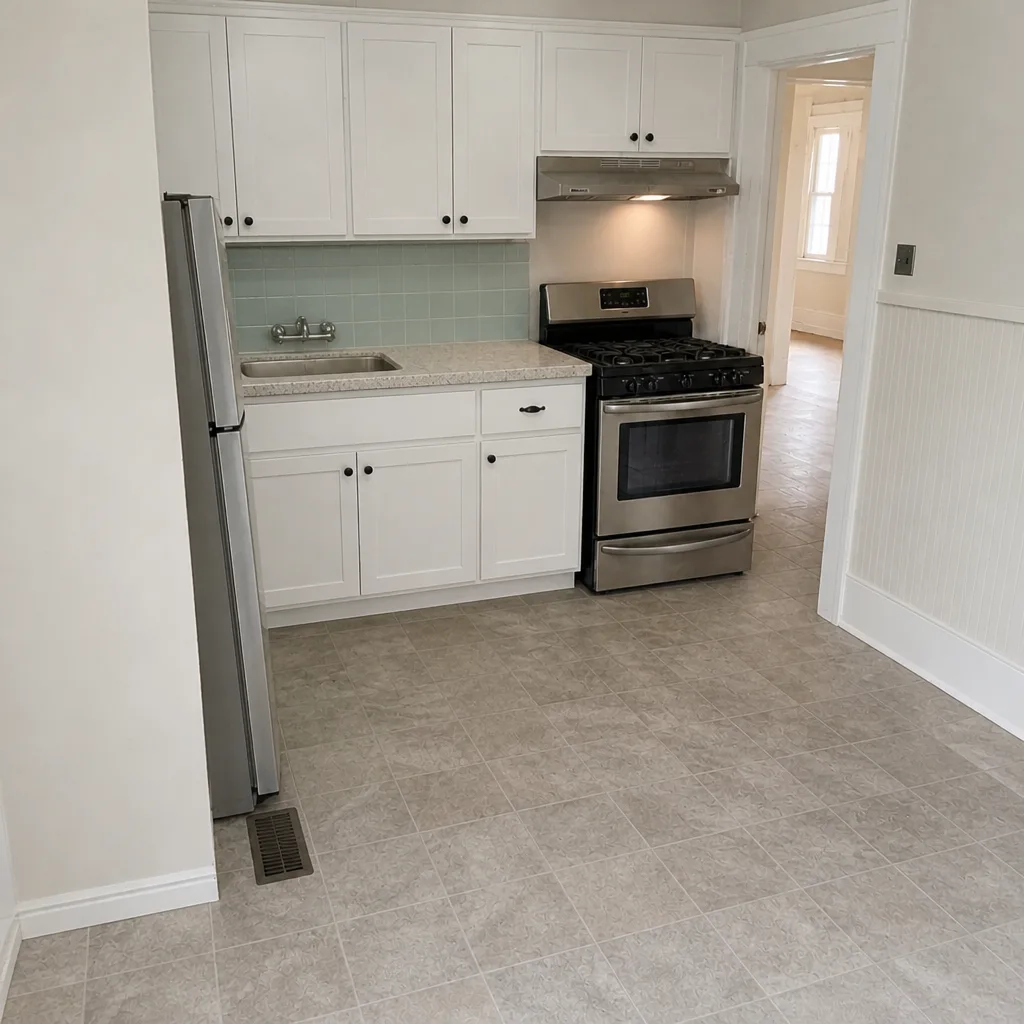 After
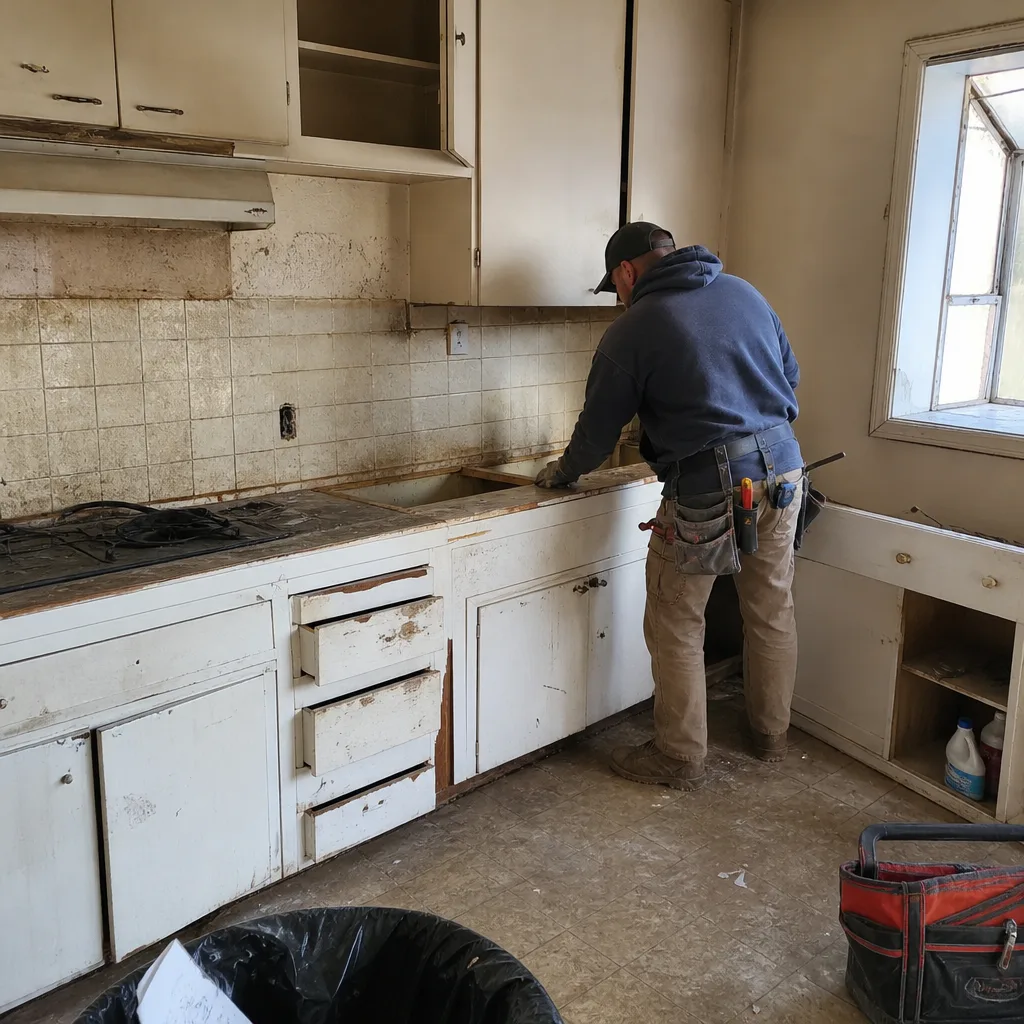 Before
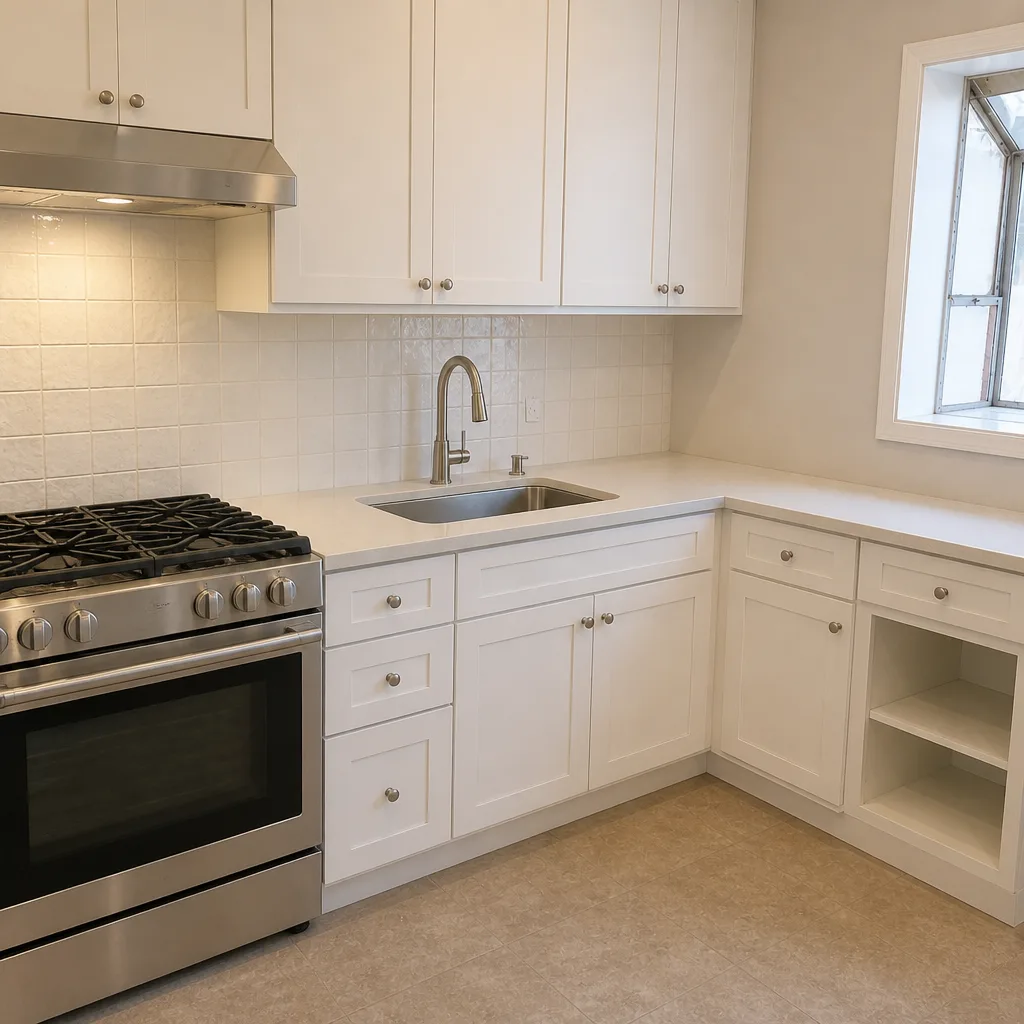 After
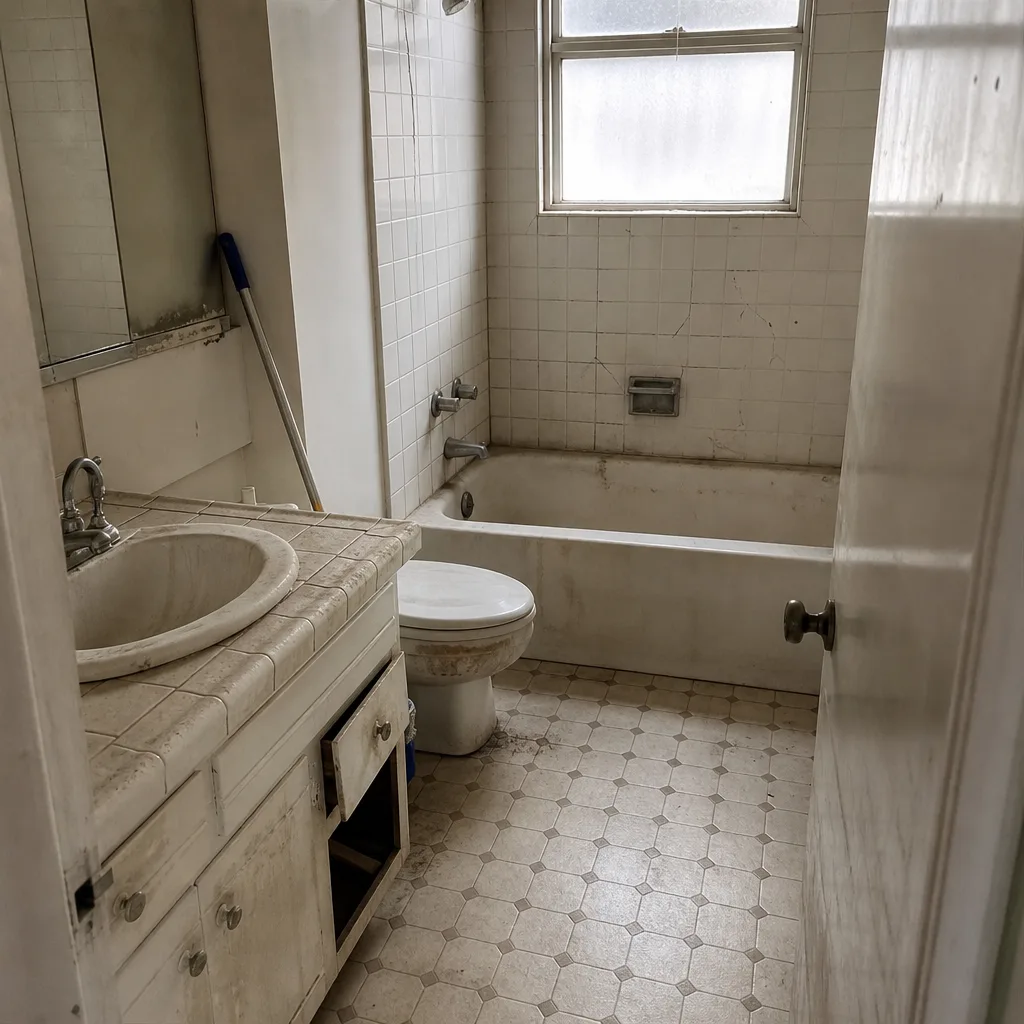 Before
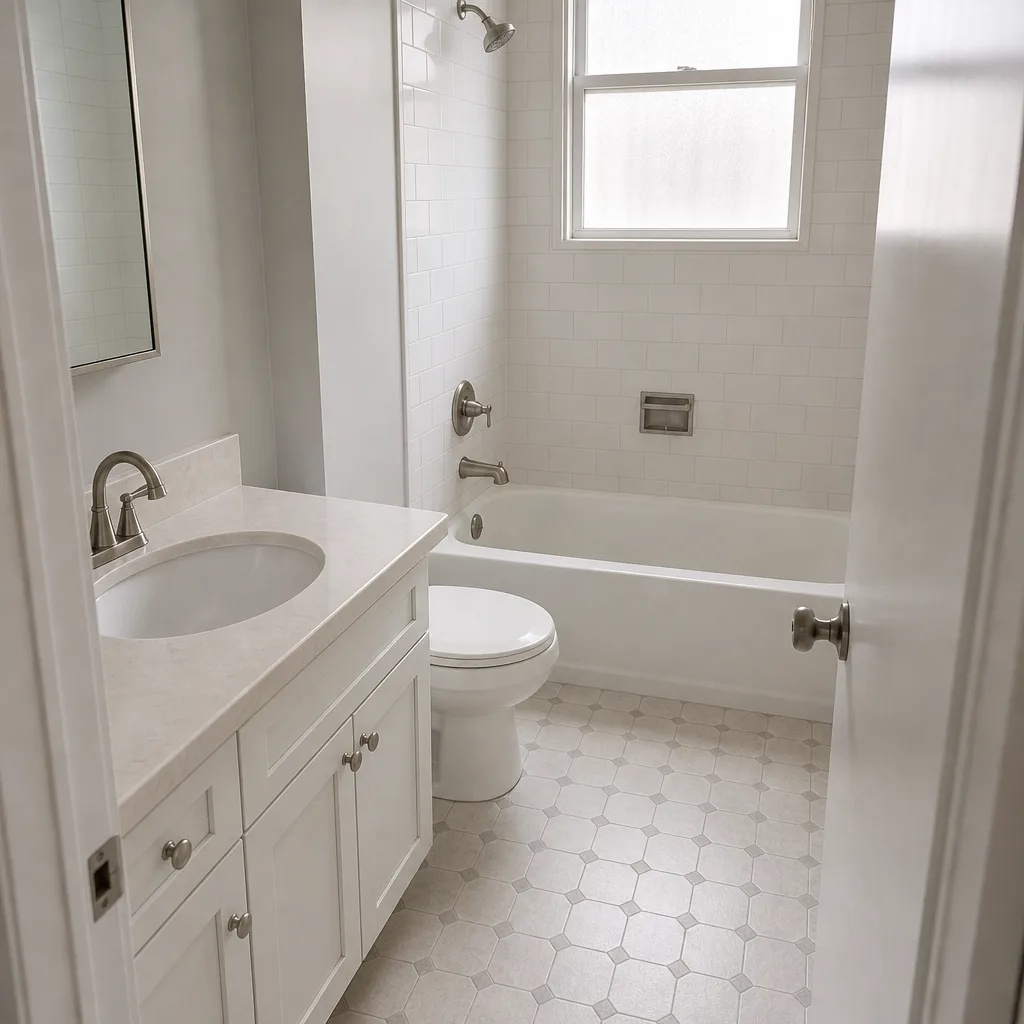 After
When to Call a Professional
Some driveway issues are cosmetic; others mean the base has failed and the fix is structural. Call a professional when pavers rock underfoot or form seasonal ridges, when joint sand washes out repeatedly after rain, when water pools against the garage or the low corner, or when the driveway meets a slope above 10% and needs a drainage plan. Any excavation work near unmarked utilities is a stop-and-call situation. And if you’re starting from bare ground on a clay lot, the base depth decision sets the whole budget. Rowan Construction Group San Francisco writes the price before anyone picks up a tool, with a written scope and a 365-Day Done Right Promise. For a free estimate in San Francisco, call (844) 797-6388.
Frequently Asked Questions
Paver driveways in San Francisco typically run $18 – $32 per square foot installed, so a two-car driveway lands between $11,000 and $24,000. Steep lots, clay soils needing a deeper base, and drainage work push toward the high end. Call (844) 797-6388 for an exact quote; estimates are free and come in writing.
San Francisco’s clay-heavy soils, especially in the Sunset and Richmond districts, expand when wet and contract when dry, so a 6 – 8 inch compacted base is needed instead of the 4-inch standard. The deeper base bridges over that movement and drains water away from the clay. Skipping it causes premature heaving and separation.
It depends on whether the work touches the public right-of-way. A driveway that stays on your property usually needs a standard building permit; one that changes the curb or sidewalk usually needs a DPW street-space permit. Fees commonly run $500 – $2,000. We pull the permits and pass the inspections as part of the job.
Permeable pavers work on gentle grades but usually aren’t the right choice above a 10% slope, where water moves too fast for the joints to absorb it. On steeper San Francisco lots, solid pavers with a catch basin or trench drain at the low point are typically required to stay code-compliant.
Most San Francisco paver driveways take about 3 to 6 days of on-site work, depending on size, base depth, and drainage. Permit review can lengthen the calendar before work starts. We give you the written scope and timeline up front; call (844) 797-6388 for a free estimate.
No work proceeds on a change until the change order is signed, so the price holds unless you approve a documented change. If excavation uncovers something like an unmarked utility or a failing subgrade, we show you the photo record and the change order before anything moves. That discipline keeps projects within a few percent of the agreed cost.
The Bottom Line
San Francisco driveways are a structural project, not a surface project. The things that decide whether pavers last are the ones most guides skip: 6 – 8 inches of compacted base over expansive clay, drainage designed for grades above 10%, the right permit for the right scope, and a utility check before the shovel goes in. Get those right and the paver line and load rating are the easy part. Get them wrong and no brand saves you. Ask for the base depth in inches, the drainage plan, and the permit type in writing, and you’ll know whether a quote is real. Rowan Construction Group San Francisco puts the written price first and backs the work with the 365-Day Done Right Promise; our technicians have up to 19 years of experience. Start at our Rowan Construction Group San Francisco home page or call (844) 797-6388 for a free estimate.
Written by the team at Rowan Construction Group San Francisco.