Last updated November 17, 2026

Free written scope consultation - allowances, timeline, and change-order rules on paper before a single trade is scheduled
The Complete Fence Installation Guide for San Francisco Homeowners
San Francisco’s Planning Code Section 136 caps fence height at 3 feet in front yards and 8 feet in rear yards without a variance, but the measurement baseline (existing grade versus finished surface) is read differently by different inspectors, and getting it wrong can mean a mandatory tear-down at your expense. A fence in this city is three projects at once: a planning code exercise, a neighbor-agreement problem, and a wind-load engineering question. Treat it as only materials and labor and you’ll likely end up with one of three outcomes: a permit violation, a property line dispute, or a fence that leans 15 degrees after the first winter storm. This guide covers all three dimensions with equal weight so you can price the work honestly and build it once.
Quick Answer
Fence installation in San Francisco typically costs $4,500 to $14,000 for a typical residential lot, with the biggest variables being material choice, permit status, and post depth for wind exposure. A standard 6-foot redwood fence runs roughly $45 to $75 per linear foot installed, composite runs $65 to $110 per linear foot, and anything in a historic district or exceeding the Planning Code height limits adds 8 to 14 weeks and a variance filing before a single post is set.
Styles & brands we work with
- Kitchen remodeling
- Bathroom remodeling
- Home additions & ADU
- Roofing
- Windows & doors
- Driveway & pavers
- Fence
Table of Contents
- What San Francisco’s Planning Code Actually Says About Fence Height
- When You Need a Variance and How Long It Takes
- Property Lines, Survey Pins, and Neighbor Protocol
- Wind Load and Post Depth on San Francisco’s Exposed Lots
- Redwood, Cedar, or Composite: A 20-Year Cost Comparison
- HOA and Historic District Overlays in Dolores Heights, Noe Valley, and the Richmond
- The Step-by-Step Installation Process
- What Fence Installation Costs in San Francisco
What San Francisco’s Planning Code Actually Says About Fence Height
Section 136 of the San Francisco Planning Code governs fence and wall heights by yard zone. The simplified version most homeowners hear: 3 feet in front yards, 8 feet in rear yards. That’s accurate for the maximums, but the details are where projects get into trouble.
Front yards are the strict zone. Anything over 3 feet typically requires a variance, and “front yard” in San Francisco definitions can extend to the portion of a corner lot facing a side street. Side yards have their own graduated limits that step down near the street-facing property line, so a fence that’s legal 20 feet back from the sidewalk may violate the code where it meets the sidewalk. Rear yards allow up to 8 feet without a variance in most zoning districts.
The measurement baseline is the sticking point. The code references the existing grade, but inspectors have been known to measure from finished surface after grading or landscaping work, or from the higher adjacent grade on sloped lots. On a steep lot in Bernal Heights or Potrero Hill, a fence that reads 7 feet 6 inches from your side can read 8 feet 4 inches from the neighbor’s. When it fails inspection, the correction is at your expense.
Three things to do before you buy a single post:
- Pull the zoning district for your parcel from the SF Planning Department’s Property Information Map. The district determines the exact height limits that apply.
- Measure from existing grade at the highest adjacent point, not from the point closest to your house.
- If your proposed fence sits within 6 inches of a height limit, plan for a variance. The difference between 7-foot-10 and 8-foot-2 is a 10-week delay.
If you’re coordinating the fence with a larger exterior project, it’s often worth looking at Fence Installation in San Francisco in the same planning cycle so site access and permits don’t double up.
When You Need a Variance and How Long It Takes
A variance in San Francisco runs 8 to 14 weeks from a complete filing to a hearing, and approval is not guaranteed. The Planning Commission grants variances based on four findings that must all be met, including “exceptional or extraordinary circumstances” and “no adverse impact on surrounding properties.” Competitive privacy fencing that exceeds 8 feet rarely qualifies unless the lot itself creates the hardship (unusual shape, steep slope, adjacent commercial use).
The process looks like this:
- Pre-application meeting with a Planning Department planner (2 to 4 weeks to schedule).
- Complete variance application and fee (fees scale with project cost and can run into the thousands of dollars for a fence).
- Neighborhood notification to owners within 300 feet, which is where most objections surface.
- Planning Commission hearing and decision, typically 8 to 12 weeks after filing.
- Appeal period of 15 calendar days if approved.
Plan your project timeline around the hearing, not around the fence crew’s availability. We’ve seen homeowners order materials in week two of a variance process and lose the deposit when it was denied. In practice, most San Francisco fence projects stay within the prescriptive limits because the variance cost and timeline exceed the value of the extra foot or two.
If your fence is one piece of a bigger exterior job (a deck, a rear addition, a landscaping rework), sequencing matters. For an example of how we sequence multi-trade work on the same lot, see our Home Additions & ADU in San Francisco page.
Property Lines, Survey Pins, and Neighbor Protocol
Commission a survey pin locate before any post is set. In San Francisco a licensed land surveyor will scope this for $400 to $800 for a typical residential lot, and it’s the single highest-value line item in the entire fence budget.
Why it matters: California law on fences placed on a neighbor’s parcel is not forgiving. A fence built 2 inches onto an adjacent parcel can trigger a trespass claim, and although the outcome is usually a negotiated easement or relocation, the remedy is at your cost. If the fence has been in place long enough, the neighbor may acquire a prescriptive interest under adverse possession concepts that require quiet title action to resolve, which is a legal problem not a construction problem.
Neighbor protocol we recommend to every client:
- Share the survey with the neighbor whose property the fence runs along, before construction. A two-line email with the pin locations attached defuses most disputes.
- Do not build on the line. Build 2 to 6 inches inside your own property line so the fence face and post foundations never cross onto the neighbor.
- Discuss cost sharing politely. California Civil Code doesn’t require your neighbor to pay half, but many San Francisco neighborhoods have informal customs (good-neighbor fences, shared maintenance). Get any agreement in writing.
- Review your title report for existing easements. Utility easements in the Richmond and Sunset often run along rear property lines and can limit where posts can go.
- Photograph the pre-existing condition of the neighbor’s yard, planter boxes, and landscape within 3 feet of the line, so post holes don’t become a damage claim.
If the neighbor refuses to allow access to their side for construction, that’s a real problem in San Francisco’s narrow lots. The typical solution is building a fully framed fence from one side, which is slower and more expensive and needs to be quoted accurately up front.
Wind Load and Post Depth on San Francisco’s Exposed Lots
The standard rule of thumb for post burial is one-third of the total post length above grade. That is a rule of thumb, not a code requirement, and it fails on San Francisco’s exposed west-side lots in the Outer Sunset, the Outer Richmond, Twin Peaks, and Diamond Heights.
The International Residential Code has a prescriptive table (Table R602.7.5 and companion footing tables) that sets post embedment and footing size based on wind speed, fence height, and tributary width. For most of San Francisco the design wind speed falls in the 90 mph category, and a 6-foot fence with typical post spacing needs a deeper footing than the one-third rule produces. On a fully exposed corner in the Outer Sunset with no windbreak upwind, we’ve seen a 6-foot board fence that was built to the one-third rule list visibly toward the prevailing wind within 18 months.
Practical guidance for San Francisco wind exposure:
- Post size: 4×4 is the minimum for a 6-foot fence; 4×6 or 6×6 for anything over 6 feet or on exposed west-side lots.
- Post spacing: 6 feet on center instead of 8, on exposed lots.
- Embedment: 30 to 36 inches with a 12-inch-diameter concrete footing (or 4 to 6 bags of Quikrete per post) instead of the typical 24 inches.
- Concrete: use a proper post mix poured around the post, not dry-set, and slope the concrete away from the post to shed water.
- Attachments: stainless steel nails, ring-shank, hot-dip galvanized or stainless framing hardware, because salt air eats electro-galvanized fittings in 3 to 5 years on the west side.
Post depth isn’t something you fix later. It’s the one part of a fence that has to be right the first time, because correcting it means pulling the posts and re-pouring. When we quote fence work, we specify the embedment and footing size in writing before any digging happens.
Redwood, Cedar, or Composite: A 20-Year Cost Comparison
San Francisco’s salt air and fog belt are hard on fence materials. The Outer Richmond and Outer Sunset see persistent onshore fog and salt, and even inland neighborhoods like Noe Valley see enough humidity to accelerate rot in poorly ventilated fence assemblies. Here’s how the three primary materials perform over a 20-year window.
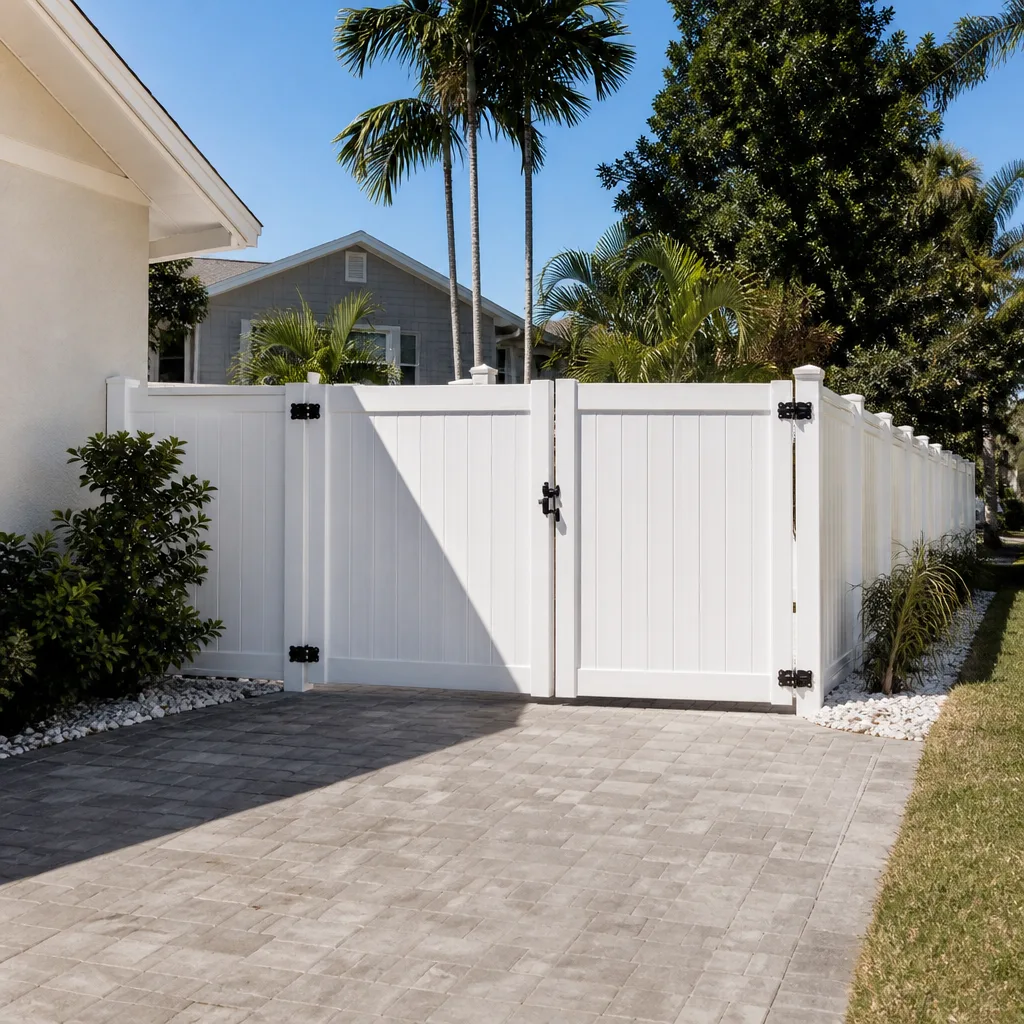
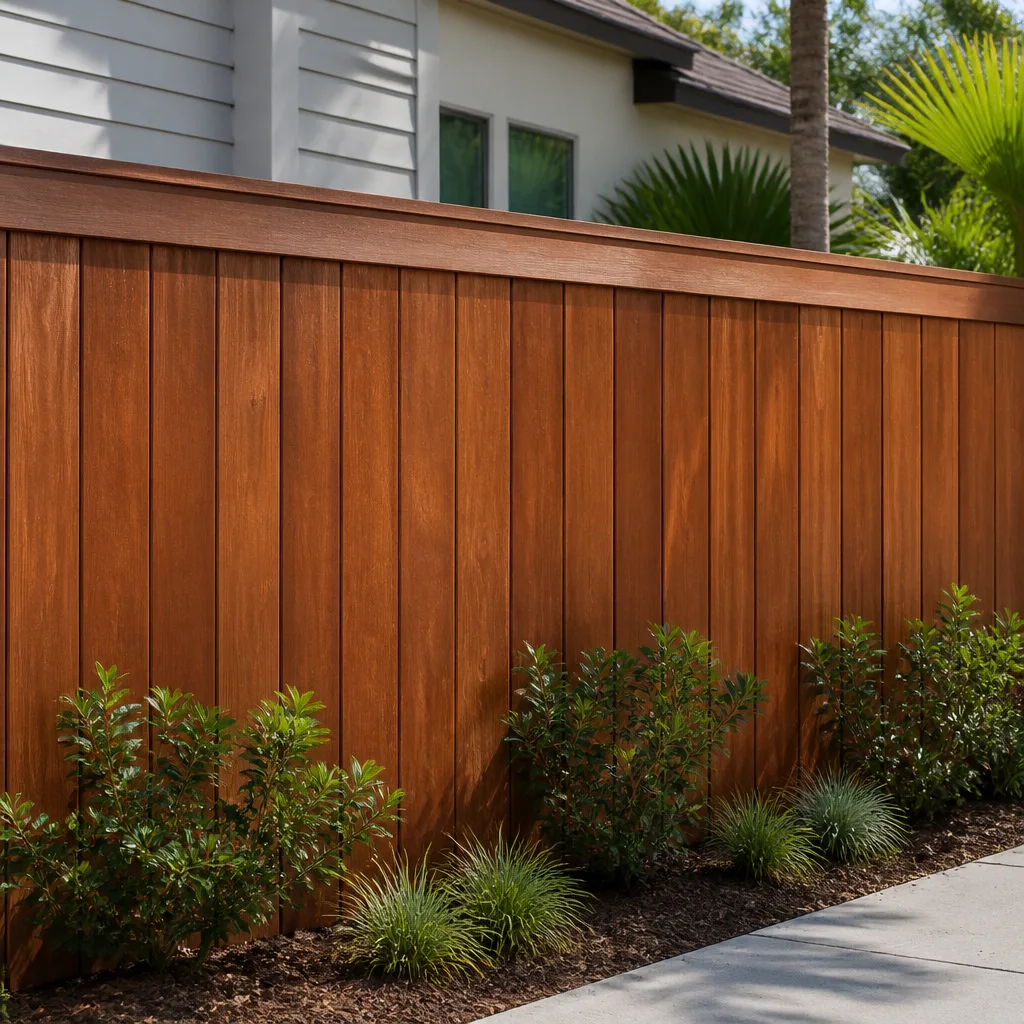
- Redwood heartwood: $45 to $75 per linear foot installed. The best natural rot resistance available for San Francisco conditions. Expect 18 to 25 years of structural life with restaining every 3 to 5 years (roughly $900 to $1,800 per application for a typical rear-yard fence). 20-year total cost of ownership including restaining: $9,000 to $18,000 per 60 linear feet.
- Western red cedar: $50 to $80 per linear foot installed. Lighter and more dimensionally stable than redwood, and it holds stain beautifully, but it’s less rot-resistant in damp soil contact. Refinishing every 2 to 4 years. 20-year total: $10,000 to $20,000 per 60 linear feet.
- Composite (Trex, Fiberon): $65 to $110 per linear foot installed. No staining, no sealing, no rot. The catch is weight, thermal expansion, and the cost of the proprietary post and rail systems that make it perform well in wind. Trex Seclusions and Fiberon Horizon are both widely used in San Francisco and hold up well to salt air when the framing underneath is properly specified. 20-year total: $8,000 to $14,000 per 60 linear feet, with essentially zero maintenance cost.
The interesting number is the 20-year total. Composite looks expensive per foot and often wins on cost of ownership once you price in 5 to 8 refinishing cycles over 20 years. Redwood still looks better on the historically sensitive streets, which is a real consideration in the Richmond and parts of Noe Valley.
For hardscape elements that pair with a new fence (landing pads, planters, edging), see Driveway & Pavers in San Francisco.
HOA and Historic District Overlays in Dolores Heights, Noe Valley, and the Richmond
Getting a city permit isn’t the end of the approvals stack in San Francisco. Several neighborhoods have additional layers that have to be cleared before the city filing is even assembled.
The approximate overlays most relevant to fence work:
- Historic districts: Article 10 (individual landmarks) and Article 11 (historic districts) properties have additional design review. Dolores Heights and the Richmond have areas where fence materials, height, and visible street-facing design require Historic Preservation Commission review or staff-level approval. Wait times run 4 to 8 weeks before the building permit is filed.
- Conservation districts: Neighborhood conservation districts like the ones near Noe Valley add a review layer with a shorter timeline than a full historic district but still require design compatibility.
- HOA or CC&Rs: For condominiums and planned developments, the HOA’s architectural review committee has to approve before any exterior change. Read your CC&Rs; a fence over 6 feet, or any fence in a view corridor, often requires HOA approval and can be denied regardless of what the Planning Code allows.
- View corridors: Even a fully code-compliant 8-foot rear fence can be denied if it materially obscures a protected view from a downstream parcel. This comes up in the hillside neighborhoods above Noe Valley and Castro.
The practical timeline for a fence in a historic overlay zone is 12 to 20 weeks from concept to permit issued. Budget accordingly, and expect the design review process to have opinions about material (redwood or composite that mimics wood tends to pass; vinyl often does not).
The Step-by-Step Installation Process
A typical San Francisco residential fence install runs 3 to 7 working days on site once permits and materials are in hand. The pre-construction phase is where the schedule really lives.
- Survey and title review (1 to 2 weeks). Locate pins, confirm easements, photograph neighbor boundaries.
- Design and material selection (1 to 2 weeks). Pick product from the vetted brand list, confirm post sizes for wind load.
- Permit submittal (3 to 12 weeks depending on overlay district and whether a variance is triggered).
- Neighbor notification (concurrent with permit, if the fence runs along a shared line).
- Material delivery (1 to 2 weeks lead time on most composite products).
- Demolition of existing fence (1 day). Bag and remove all demolition debris; on shared-line fences, coordinate timing with the neighbor.
- Post layout and marking (half day). String and stake to the survey line, verify offsets.
- Post hole digging and concrete pour (1 to 2 days). Deliver 30 to 36 inch deep footings on exposed lots, allow 24 to 48 hours cure.
- Framing and facing (1 to 2 days). Rails, boards, cap, gate hardware.
- Final inspection and photo record (1 day). Confirm code compliance, document with photos, hand over written warranty.
Anyone who tells you a San Francisco fence can happen in a weekend is either skipping the survey, the permit, or the wind load engineering, and you’ll find out which when the rain comes.
What Fence Installation Costs in San Francisco
Below are the ranges we see in San Francisco for a typical residential lot with 50 to 80 linear feet of fence. Every number is a range, not a guarantee, because site conditions vary significantly.
- Demolition and haul-away of existing fence: $400 to $1,200
- Survey pin locate: $400 to $800
- Building permit: $250 to $900 (varies by linear footage and overlay district)
- Historic or conservation review: $500 to $2,500 (if applicable)
- Variance application and hearing: $2,000 to $6,000 (if applicable)
- Redwood board fence installed: $45 to $75 per linear foot
- Cedar fence installed: $50 to $80 per linear foot
- Composite fence installed (Trex, Fiberon): $65 to $110 per linear foot
- Deep footings for exposed west-side lots: add $15 to $35 per post
- Gate (driveway or side yard): $700 to $2,500 installed
- Stain and seal (initial): $600 to $1,400
For a full replacement on a typical 60 linear foot rear-yard fence in a non-overlay zone, budget $5,000 to $11,000 installed. Add 30 to 60 percent for a historic district or a variance-requiring height. We always put the price in writing, line-item, before a single post hole is dug.
Common Mistakes to Avoid
- Measuring fence height from the wrong baseline. The planning code references existing grade, but inspectors vary; on a sloped lot in Bernal Heights, measuring from your own side can miss the limit by 4 to 6 inches and cost you the fence at your own expense.
- Skipping the survey pin locate. A $400 locate prevents a $5,000 legal fight. We’ve seen fences removed 6 months after installation because they crossed 4 inches onto a neighbor’s parcel.
- Using the one-third-of-post-length rule for burial depth. This fails on the Outer Sunset and Outer Richmond’s exposed lots, and the fence posts start to list within 18 months.
- Using electro-galvanized nails on the west side. Salt air eats electro-galvanized fasteners in 3 to 5 years. Use stainless or hot-dip galvanized, always.
- Filing the permit before checking the historic overlay. A project that’s approved by the Planning Department can still stall for 6 to 8 weeks at the Historic Preservation Commission. Sequence the reviews properly.
- Building 6 inches from a fence line marked only with a string. Strings stretch, and strings don’t hold up as evidence in a property line dispute. Mark from the survey pins.
- Skipping the neighbor conversation. San Francisco’s dense lots make the neighbor a stakeholder whether the code says so or not. A 10-minute conversation three weeks before construction prevents most conflicts.
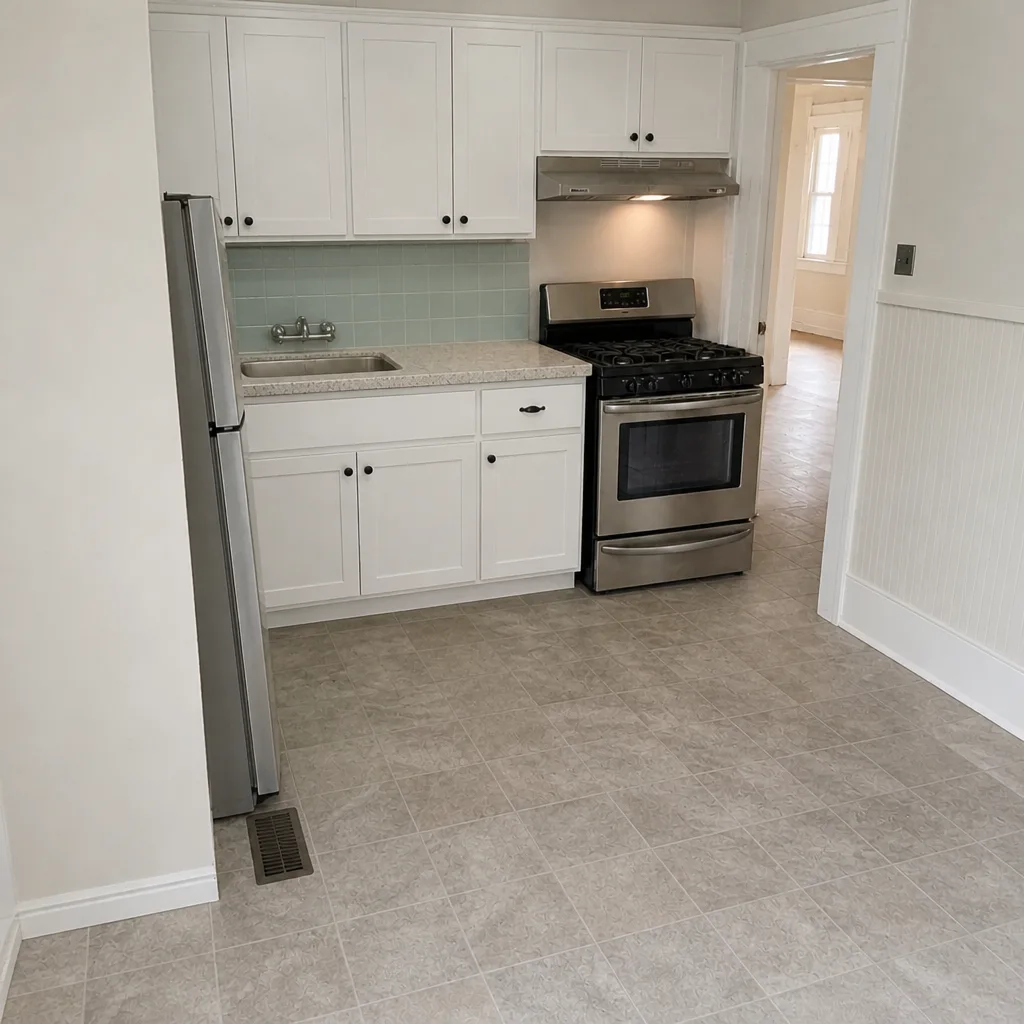
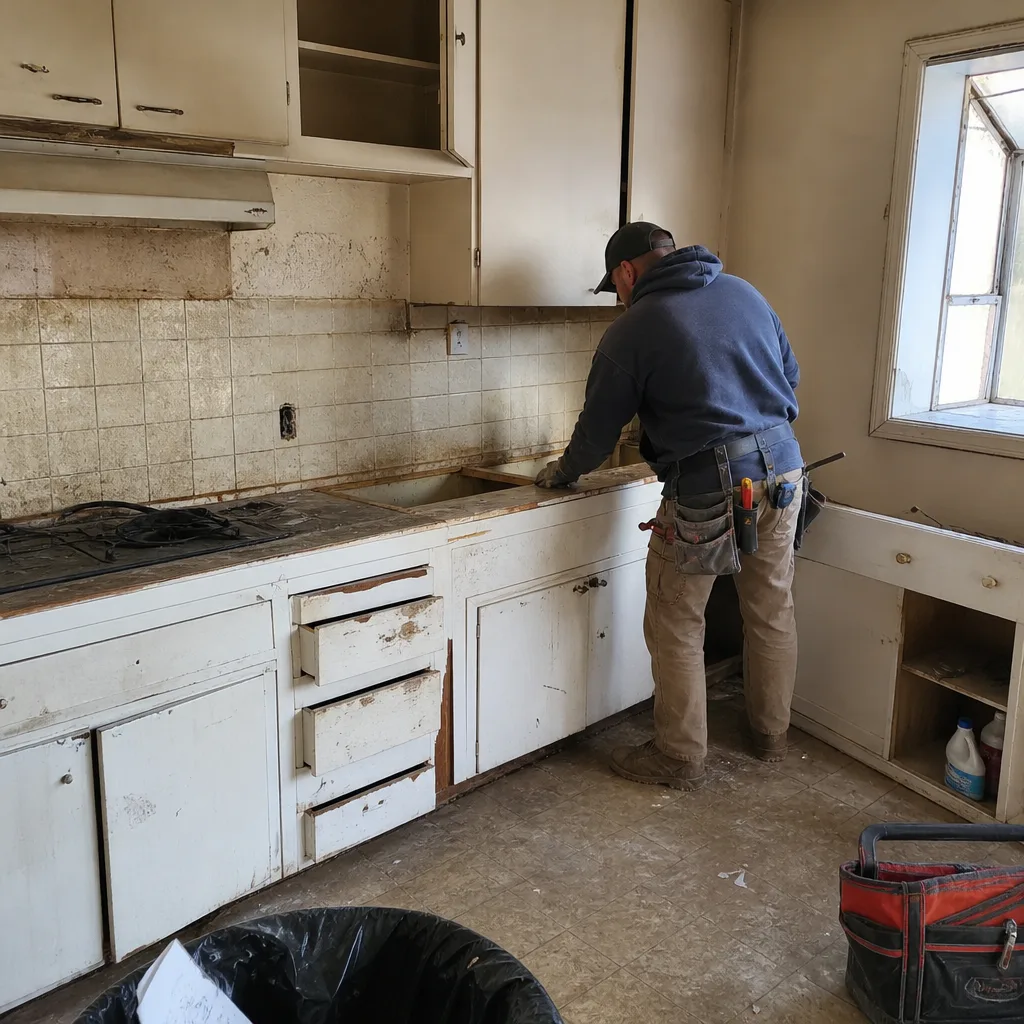
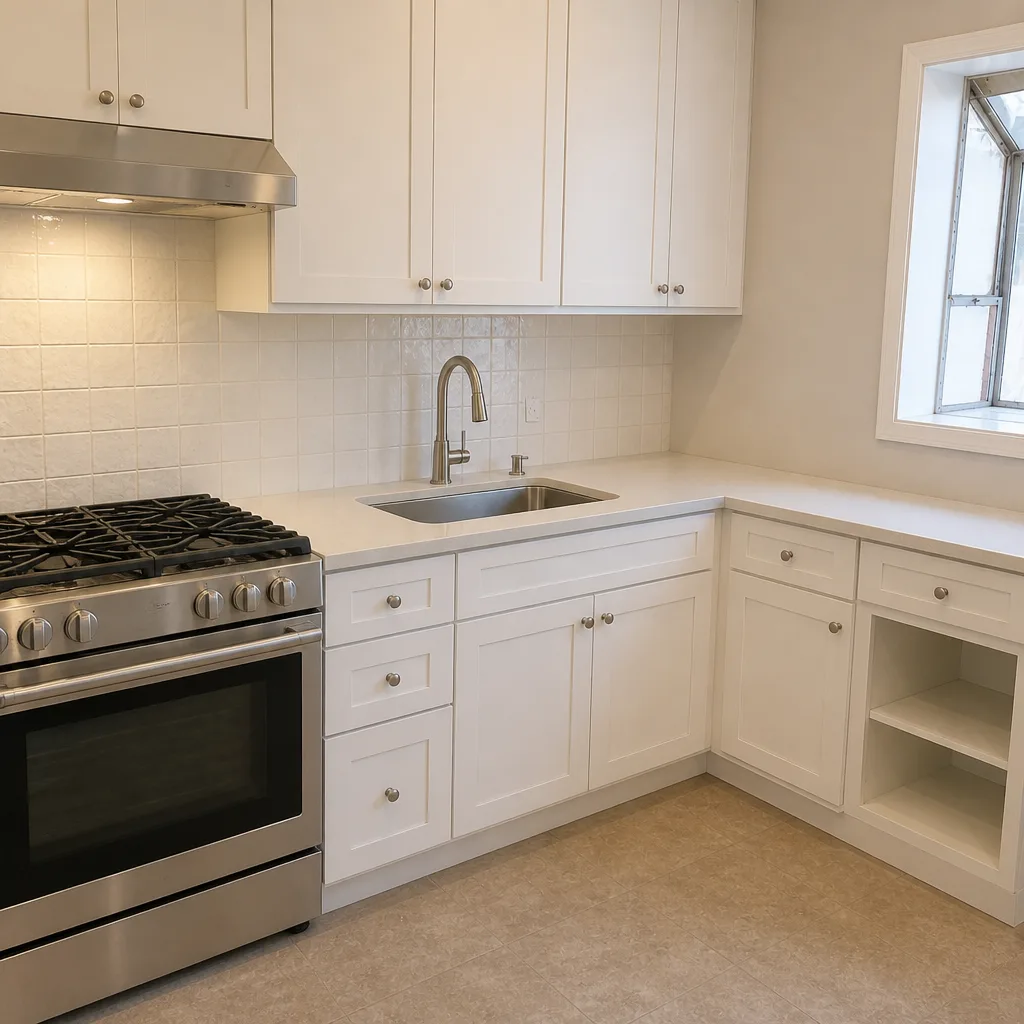
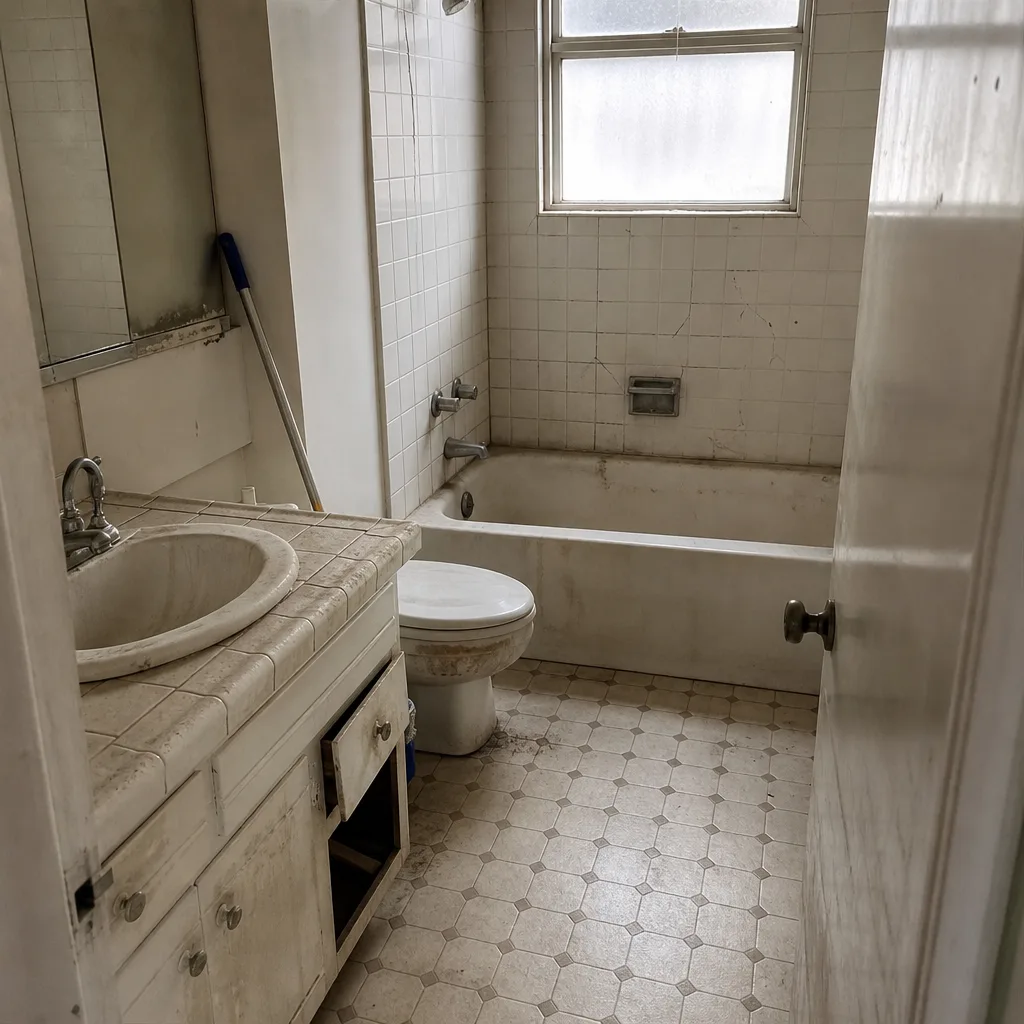
See the difference
 Before
 After
 Before
 After
 Before
 After
When to Call a Professional
Call a licensed contractor if your fence touches any of the following conditions: a historic district or conservation overlay, a height that pushes against the Planning Code limit, a shared property line with a neighbor who’s been unresponsive, an exposed west-side lot with no windbreak, or a proposed fence over 6 feet with any wind exposure. These are the situations where an error costs thousands in permits, litigation, or failed inspections. Fence installation in San Francisco is a planning code project first and a carpentry project second, and getting the first part wrong leaves you with a fence that has to come out.
Rowan Construction Group San Francisco offers free estimates in San Francisco, with pricing written before work starts and a documented photo record on every visit. Call (844) 797-6388 to schedule yours.
Frequently Asked Questions
Front yard fences are limited to 3 feet and rear yard fences to 8 feet under San Francisco Planning Code Section 136; side yard limits step down as they approach the street. Anything over 8 feet in the rear or over 3 feet in the front requires a variance, which runs 8 to 14 weeks and costs $2,000 to $6,000 in filing and hearing fees. Call (844) 797-6388 for a fence-specific estimate; we’ll confirm the limits for your exact zoning district before we quote.
Most new fences over 6 feet, or any fence that requires footings, need a building permit in San Francisco (typically $250 to $900 for a residential rear-yard fence). Fences low enough to sit under the Planning Code front-yard limit sometimes qualify for a permit exemption, but the exemption is jurisdiction-specific and depends on the lot. Call (844) 797-6388 and we’ll tell you on the spot whether your project needs a permit.
California law doesn’t require the neighbor to share the cost of a boundary fence unless a written agreement or local ordinance says otherwise. In practice, many San Francisco neighborhoods work out shared-cost arrangements informally, but the cost falls entirely on whoever commissions the work if no agreement is in place. Worth getting any cost-sharing agreement in writing before construction starts.
Post embedment on exposed west-side lots should be 30 to 36 inches with a 12-inch-diameter concrete footing, not the standard 24 inches used elsewhere. The one-third-of-post-length rule commonly quoted by contractors is a rule of thumb, not code; the IRC prescriptive tables for 90 mph wind zones require more on exposed lots. Confirm footing size and post embedment in writing before the crew digs.
Redwood heartwood is the best-performing natural material for San Francisco’s fog belt, with composite products (Trex Seclusions, Fiberon Horizon) offering the lowest 20-year cost of ownership once restaining is accounted for. Cedar is a middle option that holds finish better but rots faster in damp soil contact. Composite starts 20 to 40 percent higher per linear foot but skips 5 to 8 refinishing cycles over 20 years. Call (844) 797-6388 for a line-item quote on material options for your specific lot.
A standard non-overlay fence runs 3 to 7 working days on site, but the full timeline from first call to finished fence is 6 to 12 weeks because of surveying, permitting, and material delivery. In a historic overlay district or with a variance, plan on 16 to 24 weeks total. Call (844) 797-6388 with your address and we’ll give you a realistic schedule, not an optimistic one.
The Bottom Line
Fence installation in San Francisco is a three-part problem: planning code compliance (Section 136 height limits and the variance process), property line accuracy (the survey pin locate that saves you a legal fight), and wind load engineering (post depth and footing that survive the Outer Sunset’s exposure). Get all three right and the fence lasts 20 years. Skip any one of them and you’re looking at a tear-down, a lawsuit, or a fence that lists within two winters. The remaining decisions (redwood versus composite, board style, gate placement) are straightforward once the foundation is correct. Put the numbers in writing, schedule a survey, walk the line with your neighbor, and build it once. For the broader picture of how we approach construction on San Francisco homes, start with Rowan Construction Group San Francisco home.
Call Rowan Construction Group at (844) 797-6388 to schedule your free fence estimate in San Francisco. We put the price in writing before work starts, with a signed scope and a written warranty, and every visit includes a documented photo record as a standard deliverable.
Written by the team at Rowan Construction Group San Francisco.