
Last updated November 17, 2026

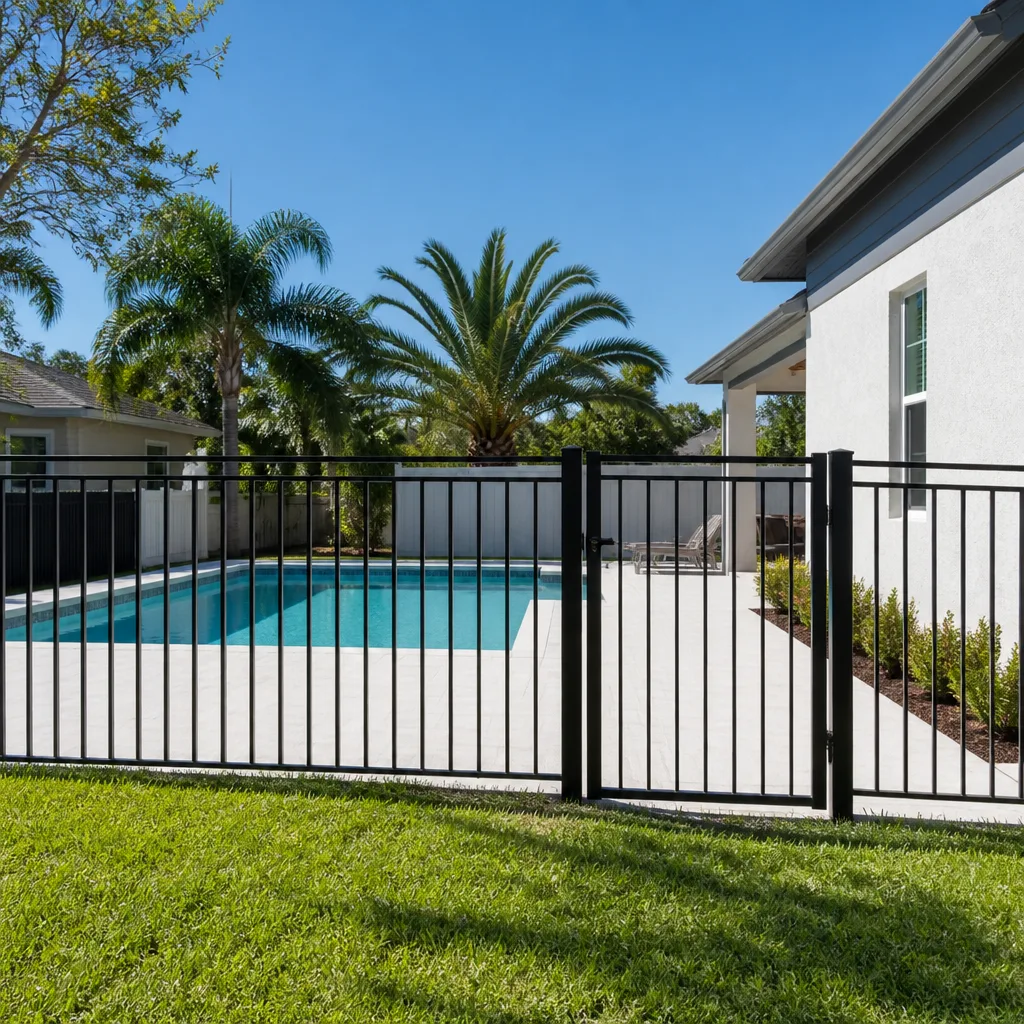






Free written scope consultation - allowances, timeline, and change-order rules on paper before a single trade is scheduled
Fence Installation Warning Signs Every Homeowner Should Know
A fence post set in concrete that hasn’t cured 24 to 48 hours before the boards go on will begin leaning within one winter. The contractor who rushed it will be unreachable by then. That is the part most homeowners never hear: the failures you notice in year two were almost always visible on day one, in the bid document, in the post depth, and in how the crew answered one question about concrete cure time. This guide teaches you to read the job site, not just the reviews. By the end you’ll know what a sound bid looks like in San Francisco, what to watch during installation, and how to inspect the finished fence before the crew leaves.
Quick Answer
The biggest fence installation warning signs are a bid with no stated post depth, no gravel drainage line item, and no permit reference; posts set without a level check or with concrete mixed so dry it crumbles at the bag; and post spacing that exceeds the manufacturer’s span rating. Any one of these predicts a lean, a sag, or a failed inspection within a couple of years. Ask for post depth and footing mix in writing before work starts, and treat an evasive answer as the red flag it is.
Styles & brands we work with
- Kitchen remodeling
- Bathroom remodeling
- Home additions & ADU
- Roofing
- Windows & doors
- Driveway & pavers
- Fence
Table of Contents
- Warning Signs in the Bid Document
- On-Site Red Flags During Installation
- Post Depth and Footing Mix: The Question That Reveals Everything
- Material Substitution and the Written Change Order
- Concrete Cure Time and Why Rushing It Fails
- Post-Installation Inspection Checklist
- San Francisco Climate, Soil, and Permits
- Common Mistakes to Avoid
Warning Signs in the Bid Document
The bid is where most problems start, long before anyone digs a hole. A written quote that says “install 80 linear feet of cedar fence” and nothing else tells you nothing about whether the job will last. Read the document for three specific omissions.
No stated post depth. A competent bid names the depth. In San Francisco, the working standard is one-third of the post height above grade plus six inches below grade for the footing. A six-foot fence means a post set roughly two feet into the ground. If the bid is silent on depth, the crew is improvising, and improvised depth is how fences lean.
No line item for a gravel drainage layer. Gravel at the base of each post hole lets water drain away from the concrete rather than pooling against it. In a city with wet winters and heavy clay pockets, that layer does real work. A bid with no gravel line is a bid that will backfill with native soil and call it done.
No permit referenced. Fences above a certain height, and fences on or near property lines, often require a permit and sometimes a survey. A contractor who waves off the permit question isn’t saving you paperwork; they’re handing you a problem at resale.
Three things belong on every fence bid before you sign:
- A flat written price with a written scope, naming linear feet, post depth, footing mix, and materials by grade and brand.
- A line item for excavation, gravel drainage, and concrete, priced separately so you can see what you’re paying for.
- A written warranty and the permit responsibility stated plainly.
Under Clause 1 of The Haven Standard, that written price arrives before any work starts, on every trade. If a fence quote you’re holding has none of these, bring it in for a free second opinion and we’ll review it line by line at no charge.
On-Site Red Flags During Installation
You don’t need to be a builder to spot a crew cutting corners. Stand where you can see the work and watch for these three things in the first hour.
Posts set without a level check. Every post should be checked for plumb with a spirit level, not eyeballed. A post that’s a half-inch off at the base is visibly leaning by the top. Watch whether the level comes out at all.
Concrete mixed too dry. Proper concrete pours. If the mix crumbles at the bag rather than flowing into the hole, it’s too dry to bond around the post, and it will fail. The right consistency is wet enough to settle around the post with no voids.
Post spacing beyond the span rating. Every fence material has a maximum span between posts. Cedar privacy fence typically wants posts no more than eight feet on center; some composite and vinyl systems specify less. When spacing stretches past the rating, the rails sag and the boards cup. A tape measure on the first two spans tells you whether the crew read the spec.
One more: boards nailed tight with no gap. Wood moves with the seasons. A fence built with zero gap between boards has nowhere to expand, and it will buckle or split. A small, consistent gap is a sign of a crew that’s built fences before.
When we quote a fence, the scope names these details because they’re what separate a fence that stands from one that leans. Our technicians have up to 19 years of experience, and that experience lives in the spec, not in a sales pitch.
Post Depth and Footing Mix: The Question That Reveals Everything
Ask any fence contractor this before you sign: “What is your post depth and footing mix?” The answer tells you more than an hour of reviews.
A prepared contractor answers in specifics. Post depth is one-third of post height plus six inches. The footing mix is stated by ratio, typically a bagged concrete mix with a known strength, and the hole diameter is given, usually three times the post width. You’ll hear numbers, not adjectives.
An evasive contractor answers with “we’ve been doing this a long time” or “don’t worry, it’ll be solid.” That’s the red flag. If they can’t state depth and mix, they don’t have a standard, and a crew without a standard is a crew improvising on your property.
Why it matters in San Francisco specifically: our soil varies block to block, from sandy fill near the waterfront to stiff clay in the older neighborhoods. A footing that works in one yard can fail in the next if depth and drainage aren’t matched to conditions. The question forces the contractor to show they’ve thought about your ground, not just their template.
Write the answer down. If it’s not in the signed quote, it’s not enforceable. When we hand over a written price, the post depth and footing mix are in the scope, and no work proceeds on a change to either without a signed change order.
Material Substitution and the Written Change Order
You specified a cedar grade. Mid-job, a stack of lesser boards shows up. This happens more than homeowners expect, and it’s one of the quietest ways a fence project goes wrong.
Material substitution is legitimate only when it’s documented. A contractor who swaps a specified grade for a cheaper one to protect their margin is not saving you money; they’re taking it out of the fence. The tell is simple: no written change order, no signed approval from you.
What to check on delivery:
- The grade and species on the invoice matches the grade and species on your quote.
- Board count and linear feet match the scope.
- Any deviation has a signed change order in your hand before the boards go up.
Good sourcing depth helps here. When a quote is built on brands and grades the contractor actually buys, there’s no reason to substitute. We work across fifty-plus vetted brands, including fencing and exterior systems from Boral and PGT, which means the written quote reflects honest numbers rather than a spec that gets quietly downgraded on delivery day.
The discipline is the same one that keeps projects within a few percent of the agreed price: no change proceeds until the change order is signed. If a crew substitutes material without your signature, stop the work and get it in writing.
Concrete Cure Time and Why Rushing It Fails
This is the single most common cause of a leaning fence, and it’s invisible on the day of install. Concrete needs 24 to 48 hours to cure before posts are loaded with rails and boards. A crew that sets posts in the morning and hangs boards the same afternoon is building a fence that will lean within one winter.
Why: uncured concrete hasn’t developed the strength to hold a post plumb against the lateral load of boards and wind. Load it too early and the post shifts in the hole before the mix sets. You won’t see it for months. Then one wet season later the fence is off vertical, and the crew that rushed it has moved on.
A crew that respects cure time will:
- Set all posts and footings in one pass.
- Leave them undisturbed for the full cure window before hanging rails.
- Check plumb again after cure and before boards go on.
Ask directly: “How long between setting posts and hanging boards?” A confident “we come back the next day” is the answer you want. “We do it all in one day” is the warning sign. In San Francisco’s damp winters, a rushed footing is the difference between a fence that stands through the rainy season and one that doesn’t.
Post-Installation Inspection Checklist
Before the crew packs up, walk the fence yourself. Ten minutes now saves a headache later. Here’s what to test.
- Gate swing. Open and close every gate. It should swing freely without dragging, and it should latch without force. A gate that binds on day one is a hinge or post-alignment problem.
- Consistent stringer height. Rails (stringers) should sit at the same height on every post. Sight down the line; a wandering stringer means posts were set to different depths.
- Board gap allowance. Wood boards need a small, even gap for seasonal expansion. Boards nailed tight with no gap will buckle. Run a hand along a section and check the spacing is consistent.
- Plumb check. Hold a level against several posts. They should all read plumb, not just most.
- Hardware and fasteners. Screws and nails should be driven flush, not sunk and split, and should be the correct type for exterior use.
- Cleanup and documentation. Ask for the photo record of the footings and posts before they were covered. You should have evidence of what was set and how deep.
Every visit we make includes a documented photo record as standard, not an upgrade, so you have proof of footing depth and post condition before the ground hides it.
San Francisco Climate, Soil, and Permits
San Francisco asks more of a fence than most cities. Fog, wind off the ocean, and wet winters work on wood and footings year round. Neighborhoods on the fog belt, from the Inner Sunset out toward the beach, see constant moisture that punishes a rushed footing or a board with no gap. That’s local knowledge a good contractor builds into the spec.
Soil matters too. Older neighborhoods sit on fill and clay that hold water differently than the sandy ground near the waterfront. Post depth and drainage have to match the ground you’re on, which is why a written footing spec beats a one-size template every time.
Permits: fences above the height threshold for your zoning, and fences near property lines, frequently require a permit, and sometimes a survey to confirm the line. Know where your property line sits before anyone digs. A contractor who dismisses the permit question is a contractor handing you a future problem. For the wider picture on how we handle exterior and site work in the city, see Fence Installation in San Francisco.
If your project also touches a driveway or hardscape alongside the fence, our Driveway & Pavers in San Francisco trade handles that in the same written scope. And if a fence is part of a larger outdoor build, Home Additions & ADU in San Francisco covers the structural side. Start from the Rowan Construction Group San Francisco home page to see all seven trades.
Common Mistakes to Avoid
- Hiring on enthusiasm instead of a written scope. A contractor who sells excitement but can’t name a post depth is selling you a lean. Demand the scope in writing before you sign.
- Accepting “all in one day” as efficiency. A fence hung the same day posts are set has an uncured footing. In San Francisco’s wet winters, that’s a leaning fence by spring.
- Letting a substitution slide without a change order. A cedar grade swapped for something lesser mid-job is a margin grab at your expense. Get the change in writing or stop the work.
- Skipping the gravel drainage layer to save a line item. The few dollars saved on gravel are repaid with rot and movement within a couple of seasons.
- Ignoring the permit question. A fence over the height threshold without a permit is a problem at resale, and it lands on you, not the crew.
- Not testing gates and stringers before the crew leaves. A binding gate or wandering stringer is easiest to fix on day one, hardest a month later.
- Trusting a handshake on the warranty. A written warranty, not a verbal promise, is what you can actually use. Ours is the 365-Day Done Right Promise, backed by The Haven Standard and printed on every page.
See the difference
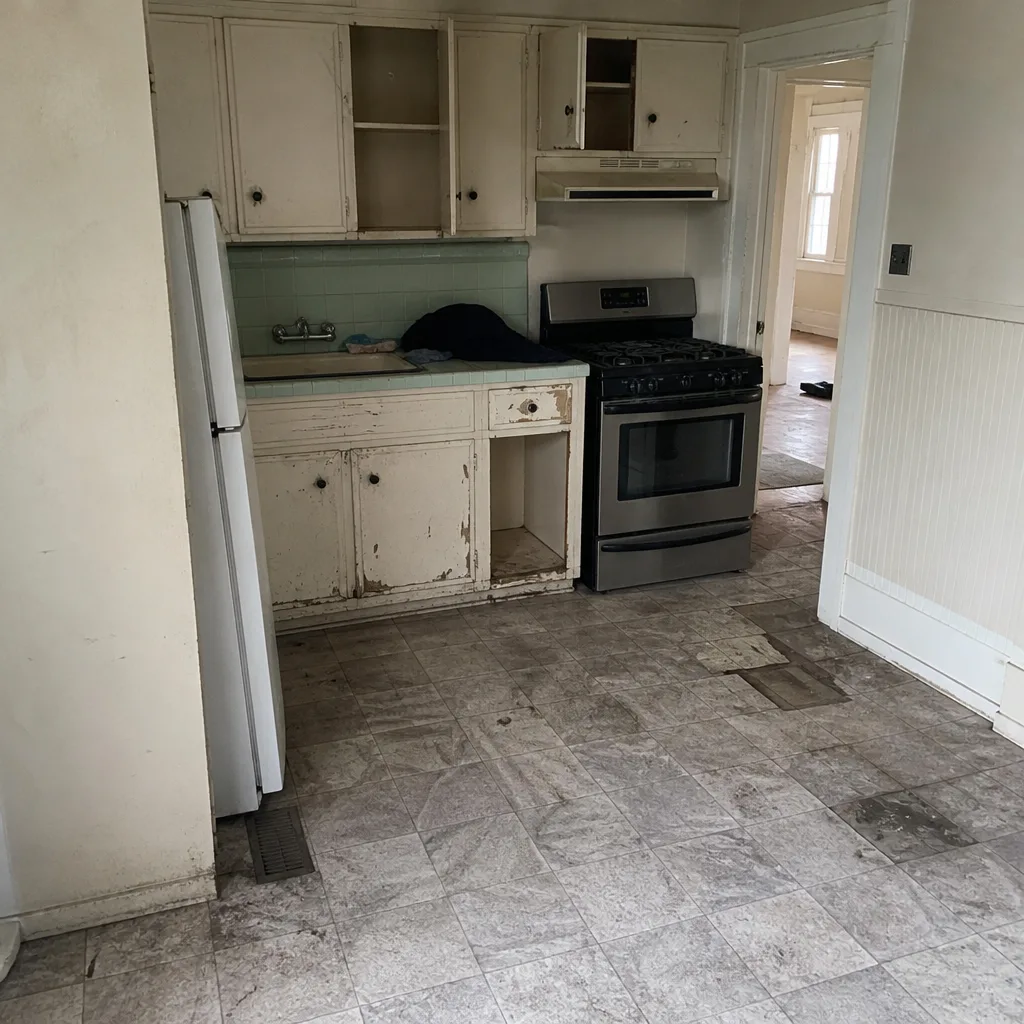 Before
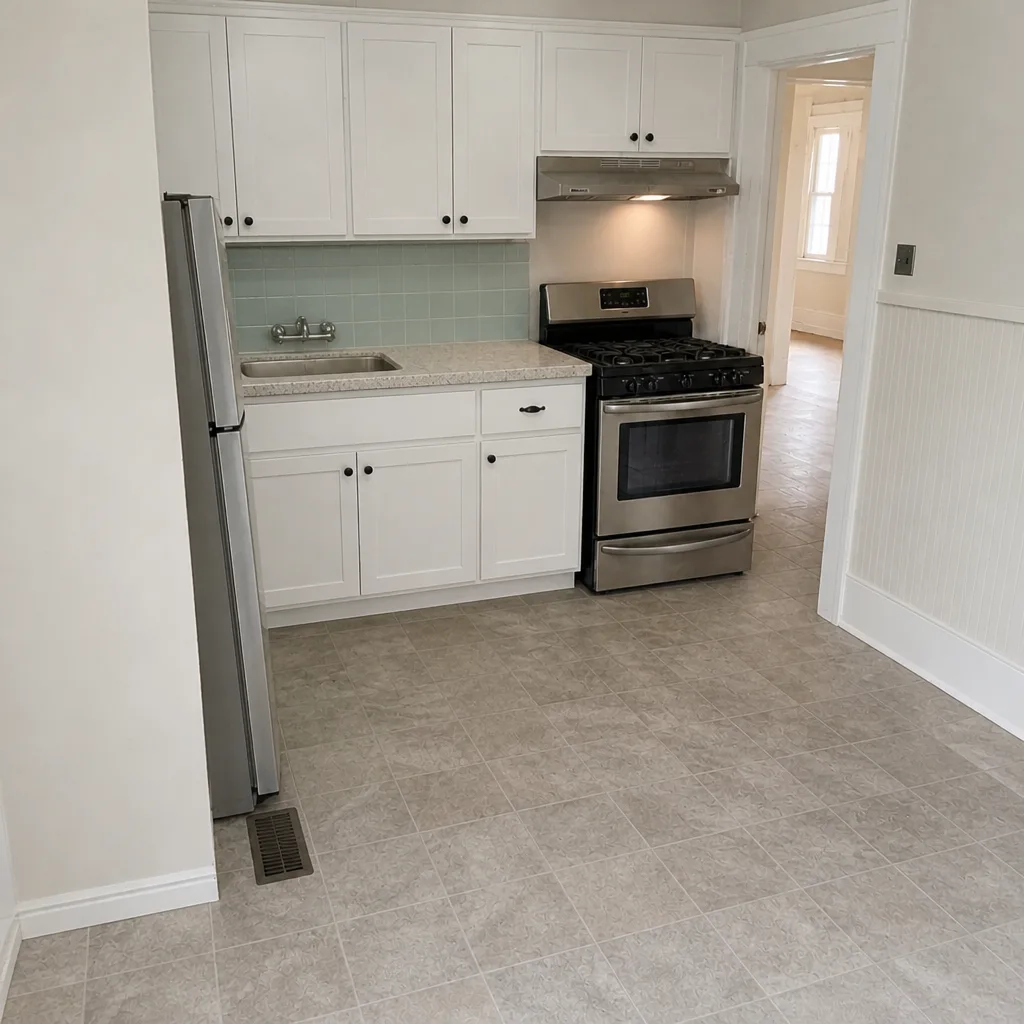 After
 Before
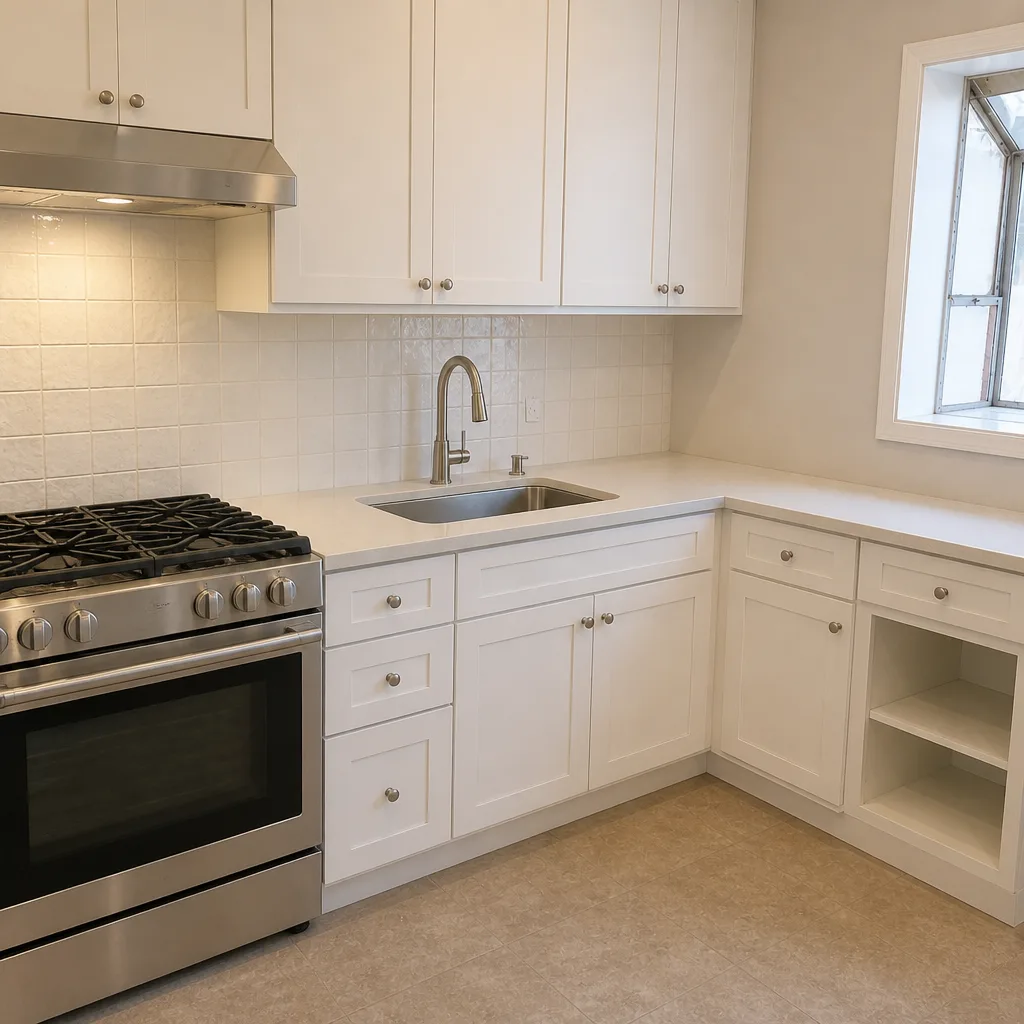 After
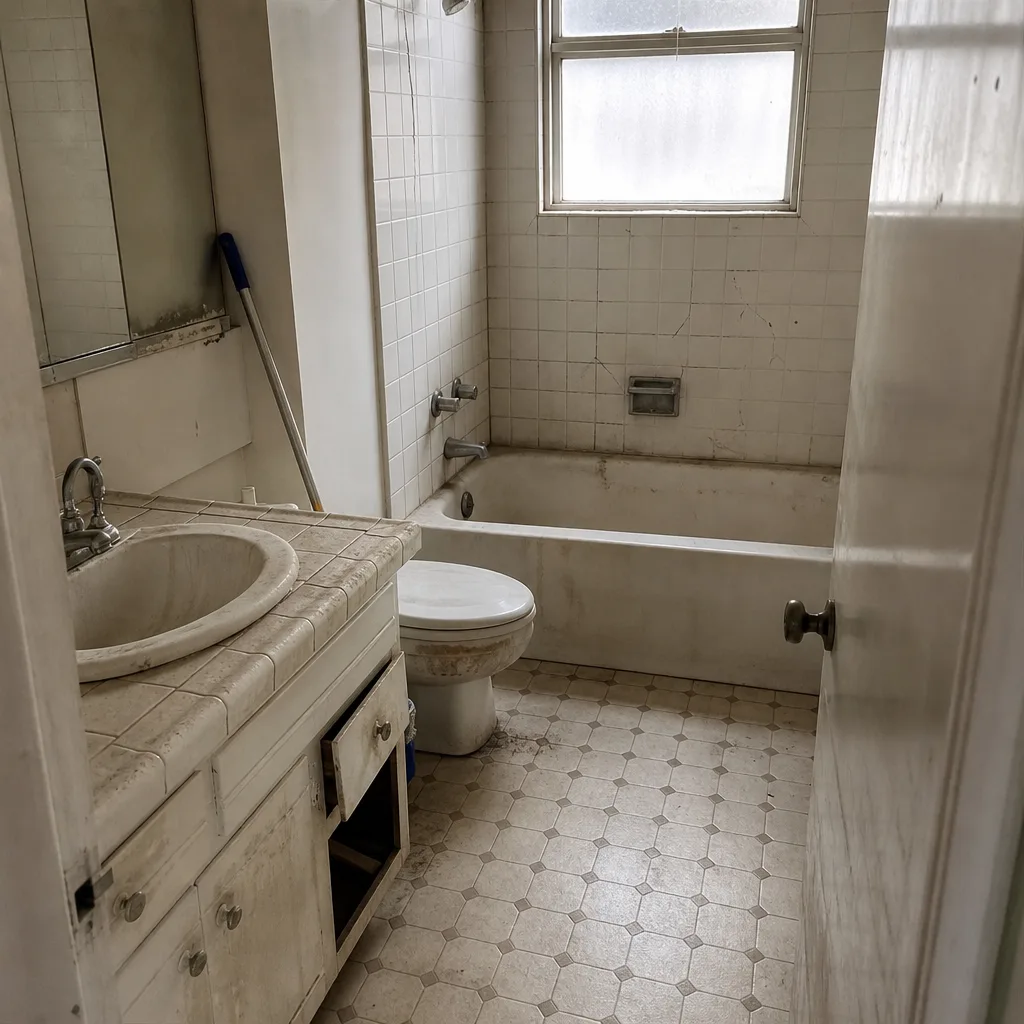 Before
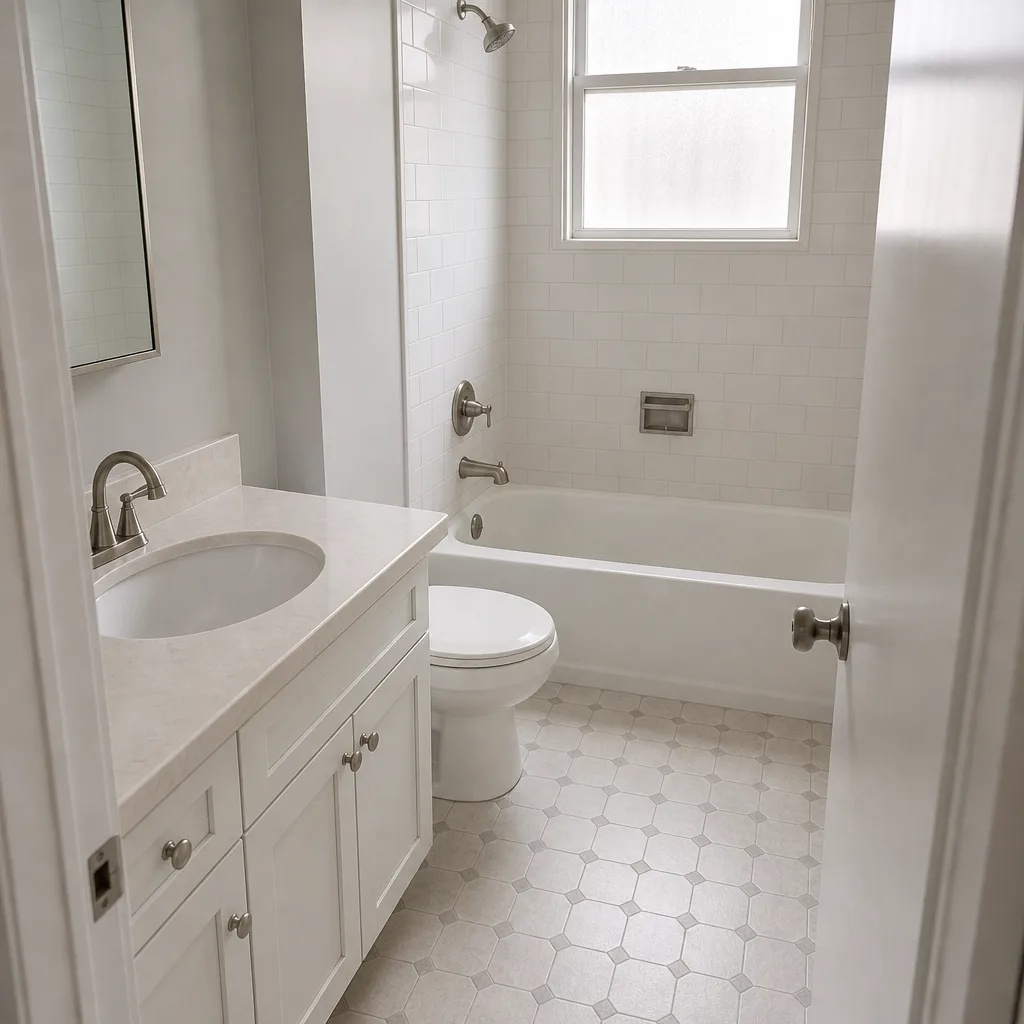 After
When to Call a Professional
Some fence work is fine to handle yourself: a loose board, a sticking gate latch, a coat of stain. The moment the job involves anything structural, call a pro. That includes posts that are leaning or have pulled loose, footings that need to be reset or deepened, anything on or near a property line, fences over the local height threshold that may need a permit, and any addition where the fence ties into a retaining wall or grade change. Those jobs involve depth, drainage, and load, and a mistake there shows up months later. A trained crew verifies post depth, footing mix, and cure time as a matter of process. Rowan Construction Group San Francisco offers free estimates in San Francisco – call (844) 797-6388 to schedule yours.
Frequently Asked Questions
The biggest warning sign is a crew that hangs boards the same day posts are set, before the concrete has cured for 24 to 48 hours. That single shortcut is the most common cause of a fence that leans within one winter. Ask how long they wait between setting posts and installing boards. Call (844) 797-6388 for a free estimate that spells out the cure schedule in the scope.
In San Francisco, the working standard is one-third of the post height above grade plus six inches below grade for the footing. A six-foot fence means posts set roughly two feet into the ground. Soil varies block to block in the city, so depth and drainage should match your ground. Call (844) 797-6388 and we’ll put the post depth and footing mix in writing before any work starts.
Yes. A sound bid lists a gravel drainage line item at each post and states who handles any permit the fence requires. Both are omissions that predict real problems, especially in a city with wet winters and property-line rules. Bring your current quote in for a free second opinion and we’ll review it line by line at no charge. Call (844) 797-6388 to set it up.
Only if the substitution is documented with a signed change order before the boards go up. An undocumented swap from a specified cedar grade to a lesser one protects the contractor’s margin, not your fence. Any legitimate change comes in writing, and no work proceeds until you’ve signed it. Call (844) 797-6388 for a written price that names the grade and brand.
Test every gate for a free swing and clean latch, sight down the line to confirm consistent stringer height, check board gaps are even for seasonal expansion, and hold a level against several posts to confirm plumb. Ask for the photo record of the footings before they were covered. Call (844) 797-6388 for a free estimate on a fence built to pass that inspection.
Often, yes. Fences above the height threshold for your zoning, and fences on or near property lines, frequently require a permit and sometimes a survey to confirm the line. A contractor who dismisses the permit question is passing a future problem to you. Call (844) 797-6388 to schedule your free estimate and we’ll state permit responsibility in the written scope.
The Bottom Line
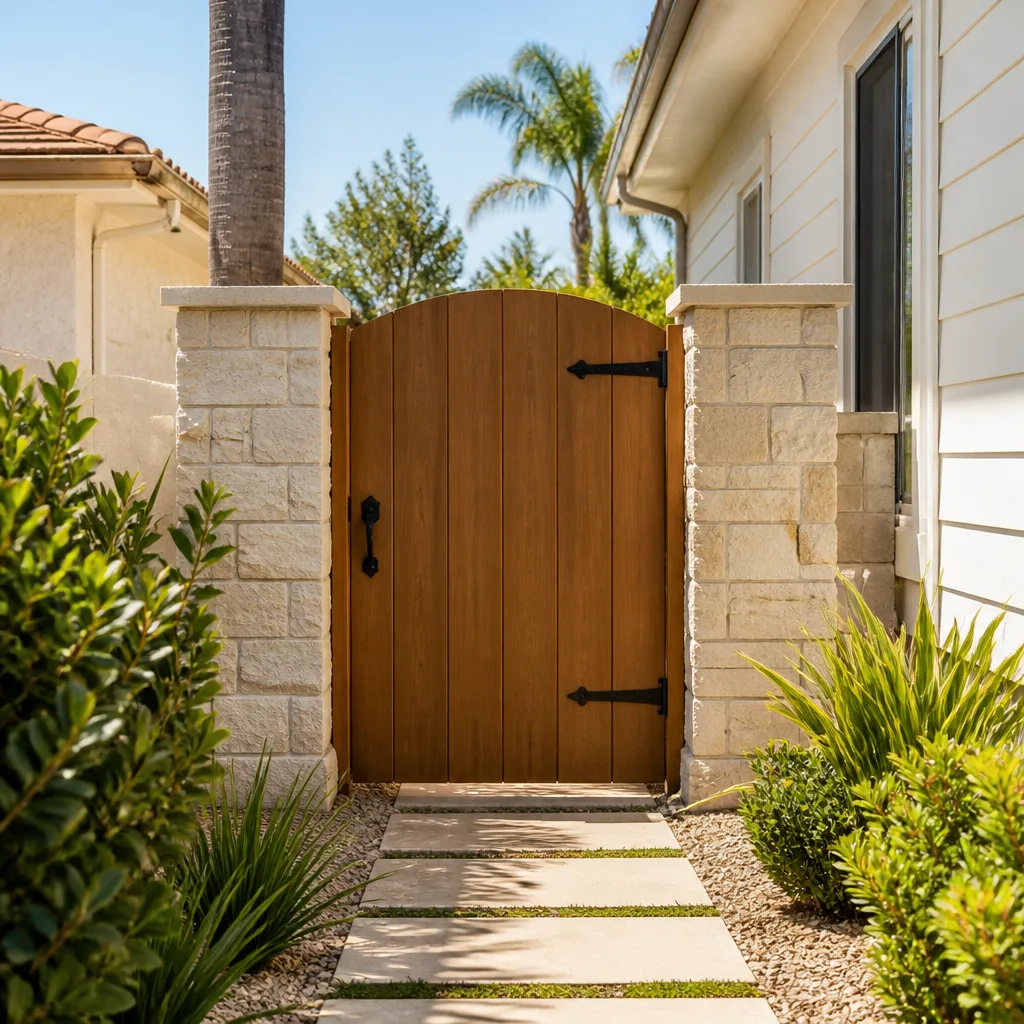
Every fence problem you’ll notice in year two was on the page or in the ground on day one: a bid with no post depth, no gravel, no permit; a footer poured dry; boards hung before the concrete cured. You don’t need to be a builder to catch any of it. You need three things in writing, a tape measure, and a level. The contractor worth hiring answers “what’s your post depth and footing mix?” with numbers, waits the full cure window, and puts the warranty on paper. If your current quote is missing any of it, that’s your answer. Under Clause 1 of The Haven Standard, a written price comes before any work starts. Call (844) 797-6388 for a free estimate in San Francisco, and we’ll put the post depth, footing mix, and cure schedule in the scope so you can screenshot it and compare.
Written by the team at Rowan Construction Group San Francisco.