Free written scope consultation - allowances, timeline, and change-order rules on paper before a single trade is scheduled
Styles & brands we work with
- Kitchen remodeling
- Bathroom remodeling
- Home additions & ADU
- Roofing
- Windows & doors
- Driveway & pavers
- Fence
See the difference
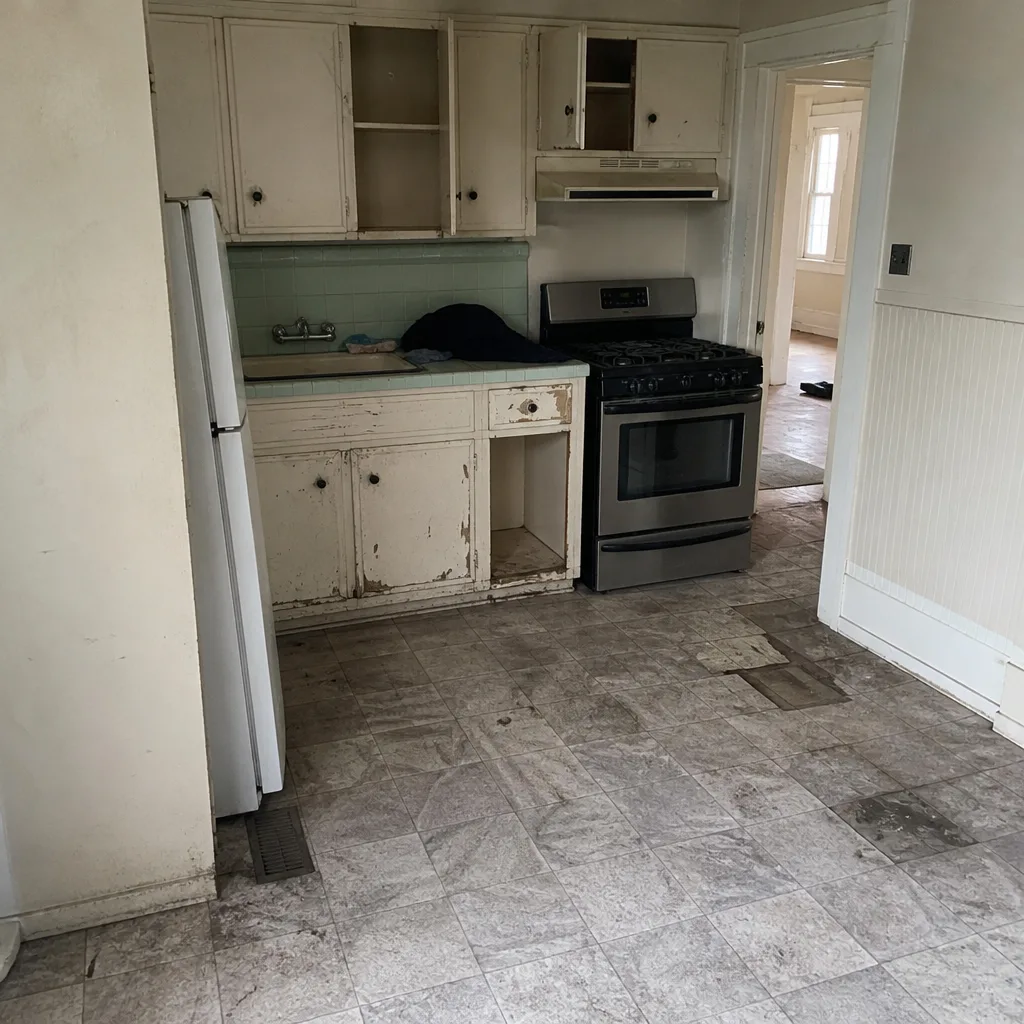 Before
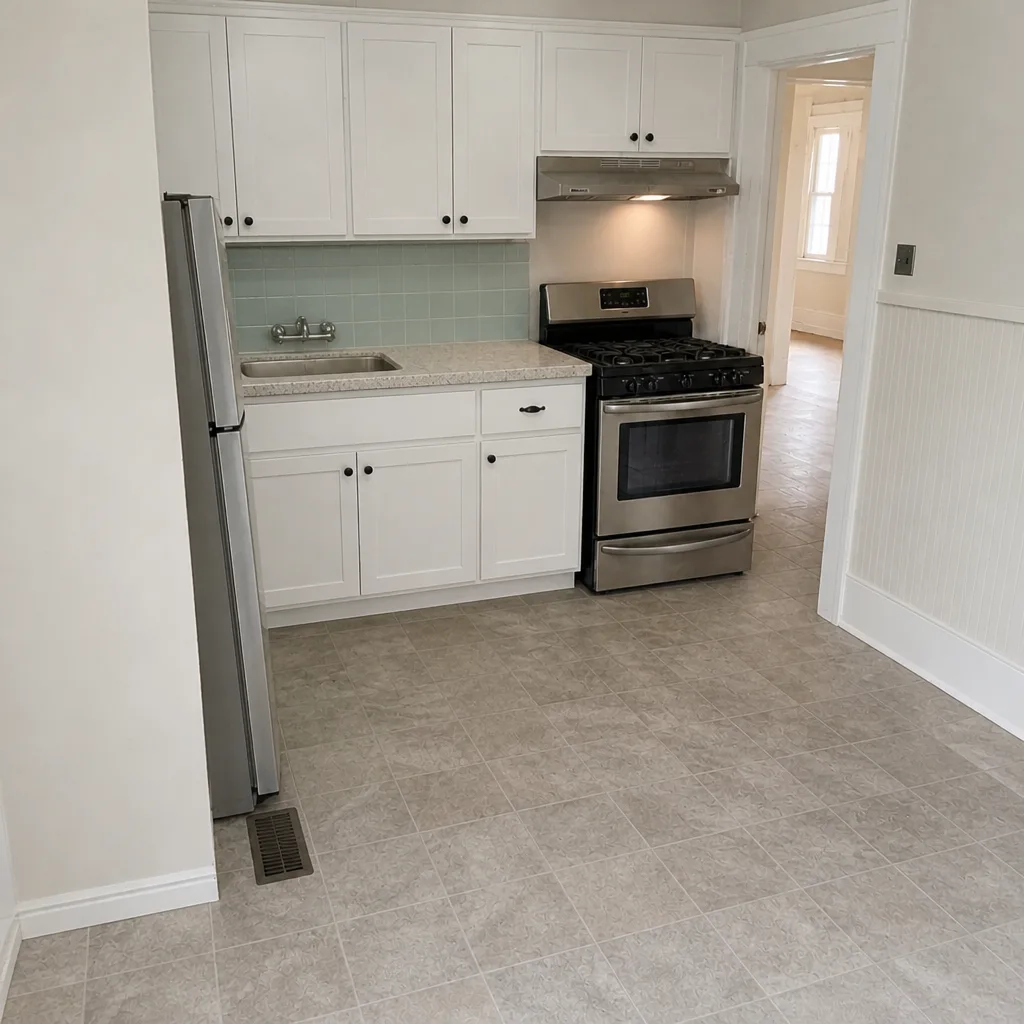 After
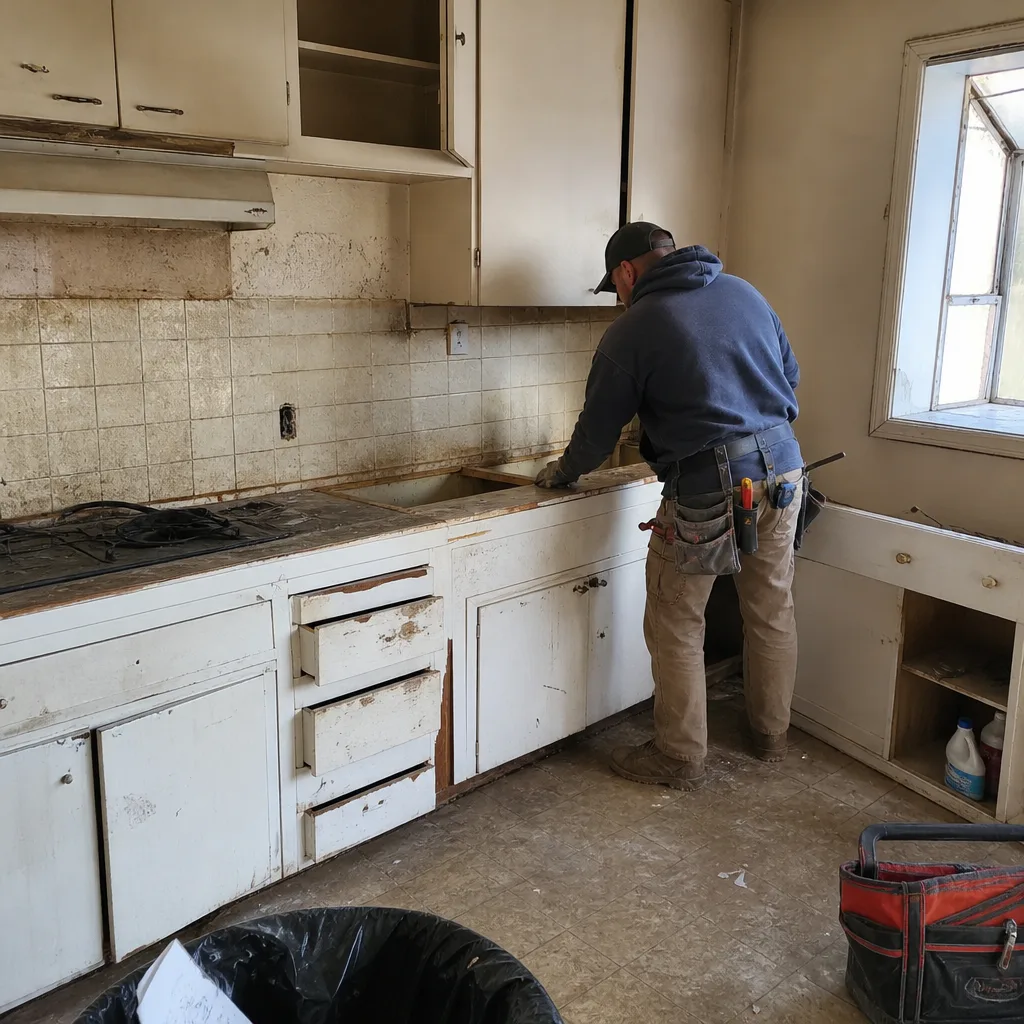 Before
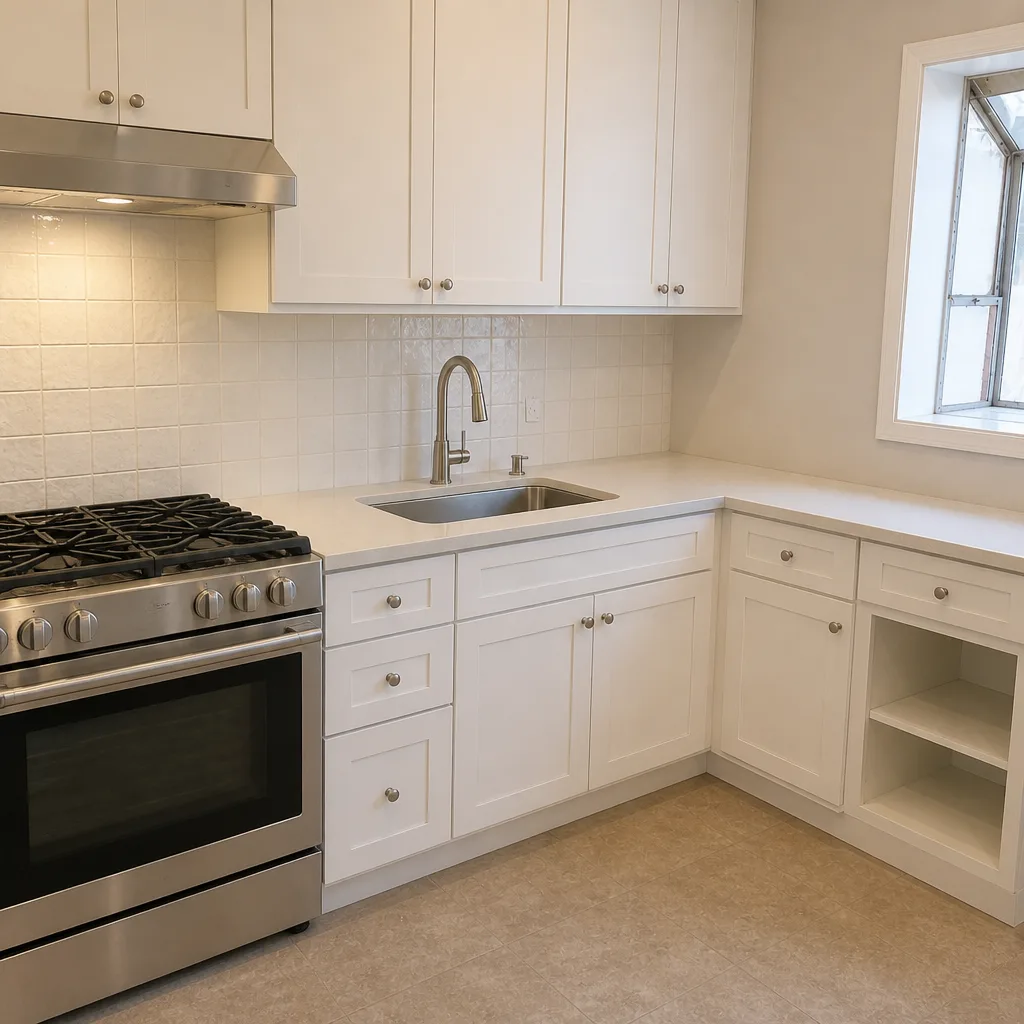 After
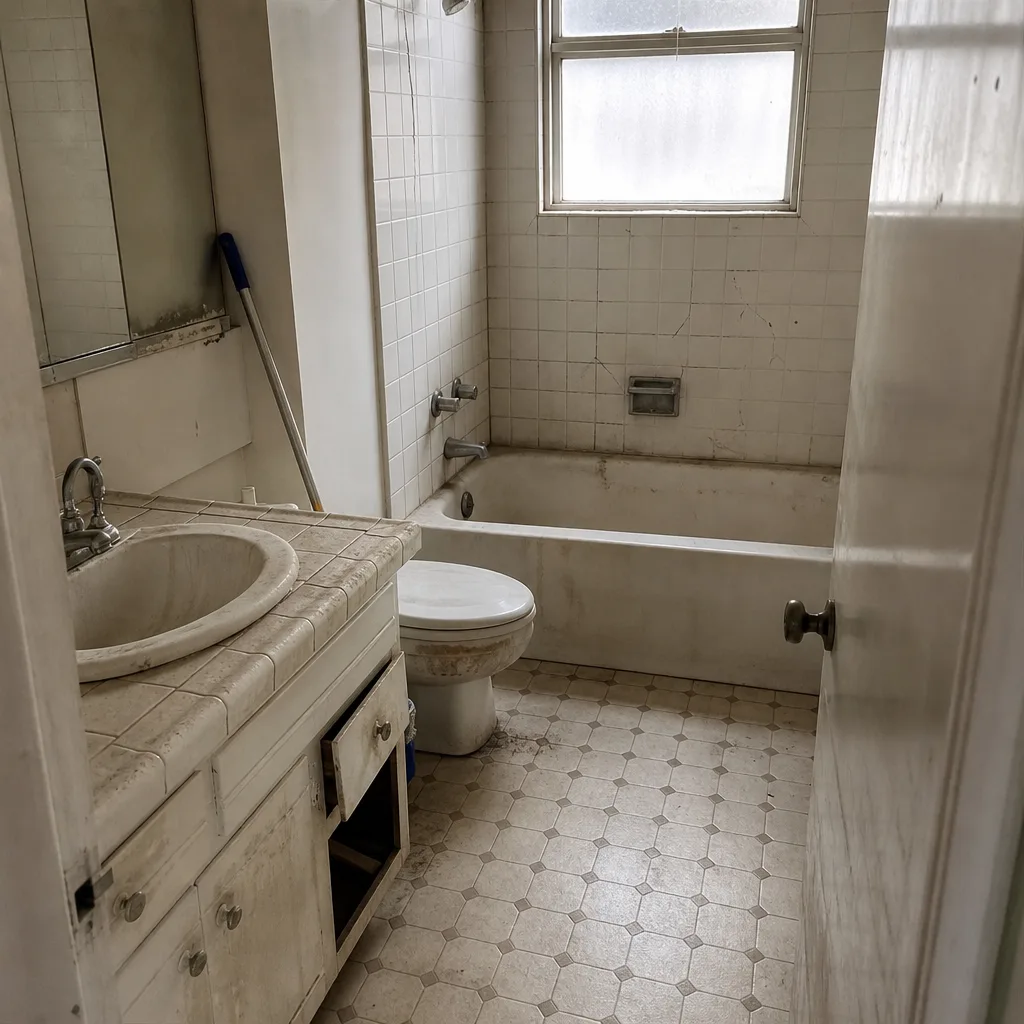 Before
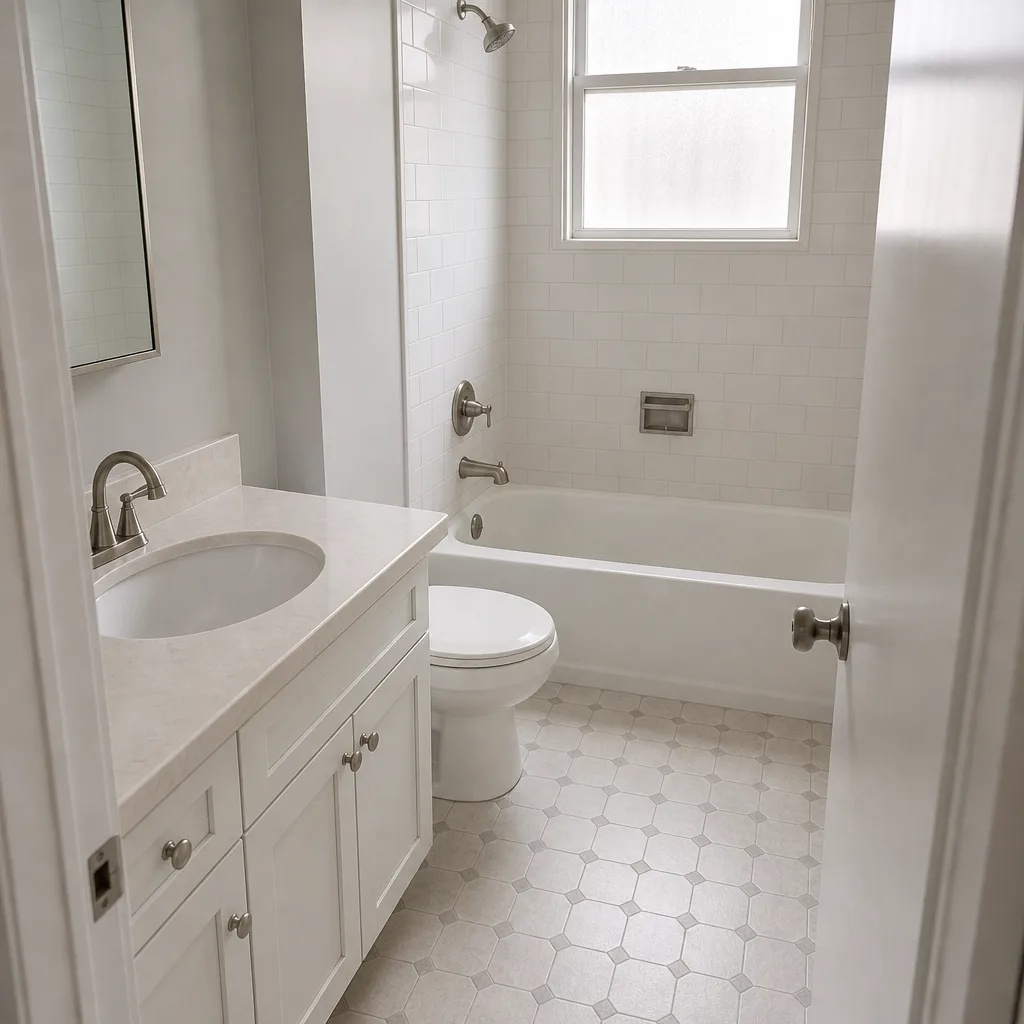 After
Home Addition vs ADU in San Francisco: Which One Actually Pencils Out?
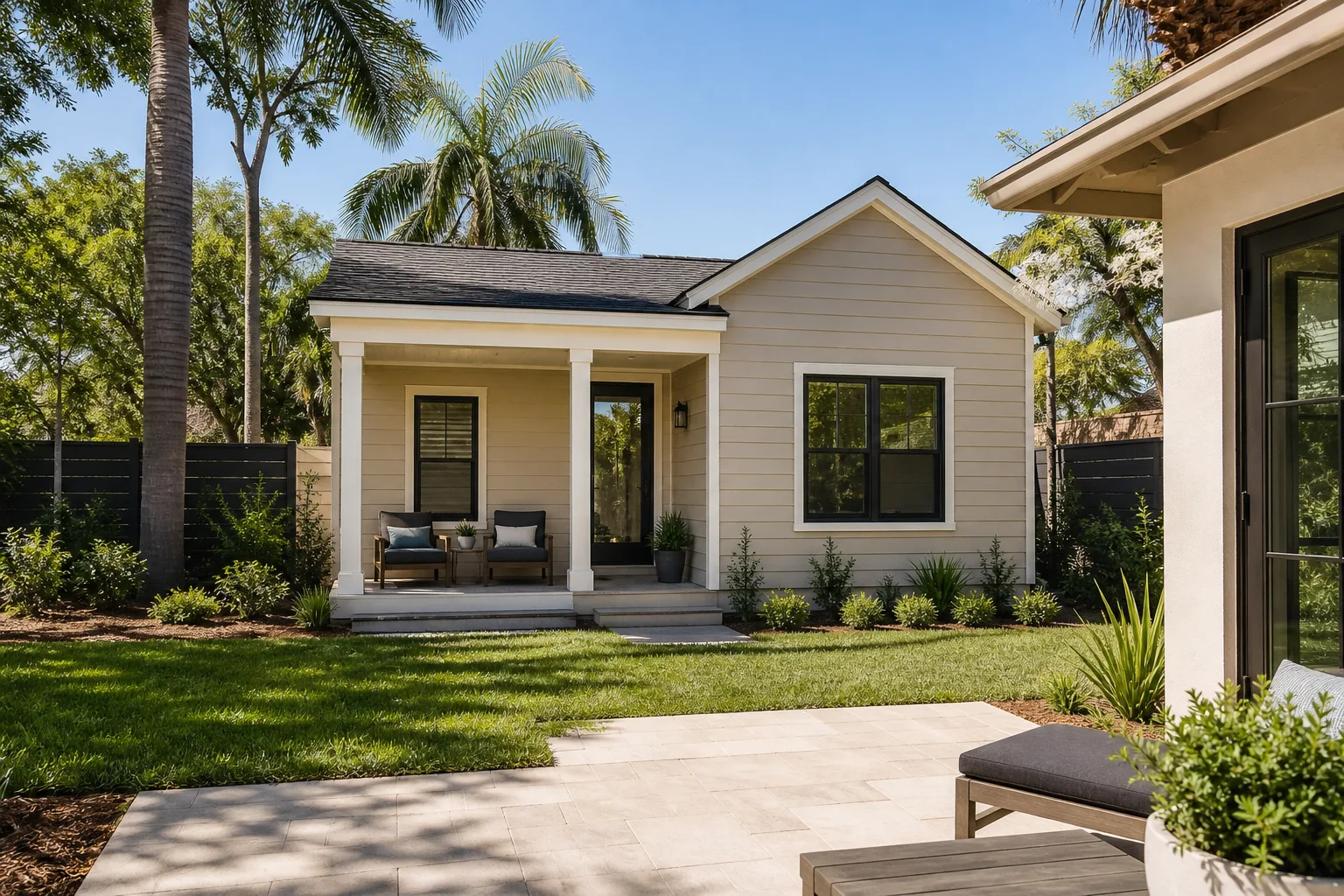
Choose an ADU unless you need attached square footage for your own family. In San Francisco, the choice between a home addition and an ADU is a Planning Code decision before it’s a design one: a 400-sq-ft rear addition adds living space and raises your assessed value by roughly $80,000-$120,000 on the new construction only, while the same 400 sq ft built as an ADU can rent for $2,800-$3,400/month and qualifies for a permit path that skips Discretionary Review. Call (844) 797-6388 and we’ll run both numbers with you before you commit a dollar to either.
That gap is why the question shows up so often on fully built-out Edwardians and Victorians. The two paths trigger different timelines, different neighbor-notification rules, and different structural bills. We put the price in writing before anyone picks up a tool, so you can compare real numbers instead of two quotes built on guesses.
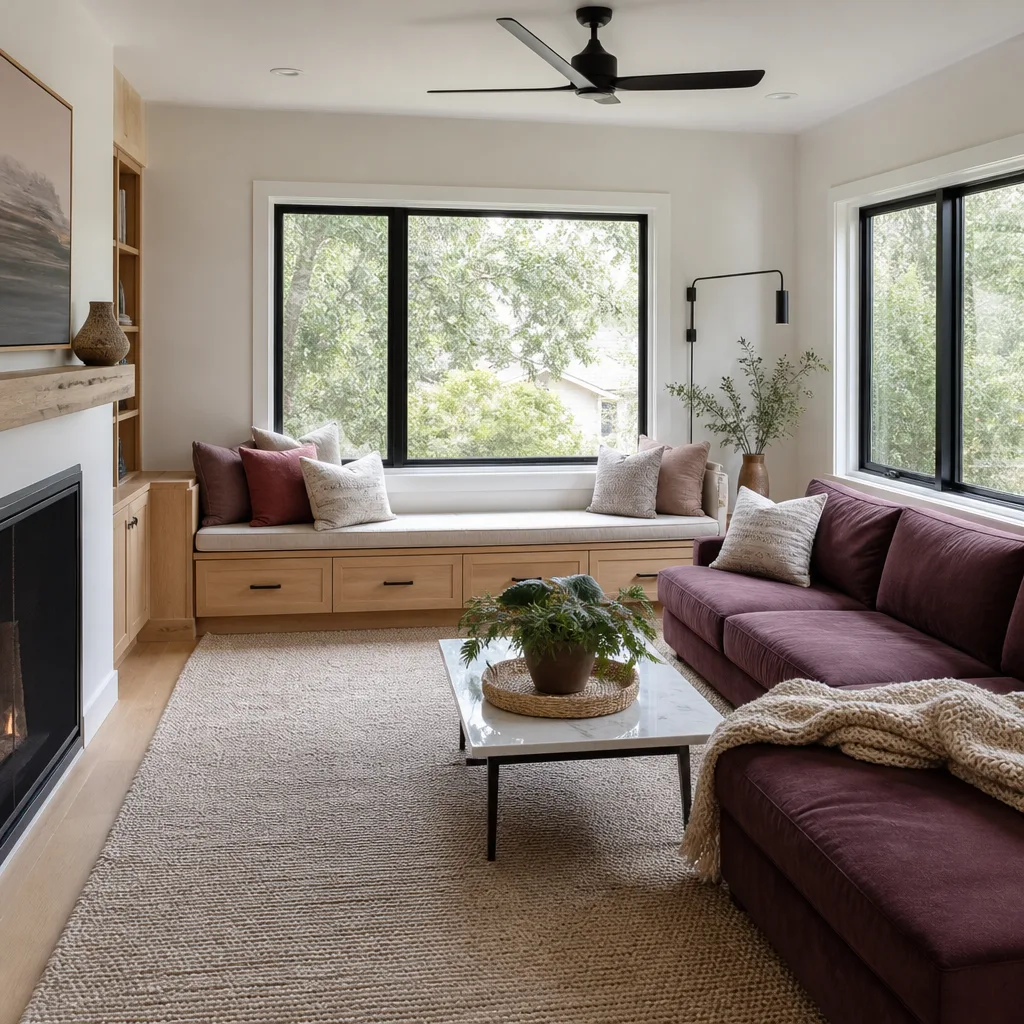
Why the ADU Usually Files Faster on a Contested Block
San Francisco’s Planning Code treats ADUs as “principally permitted” in most RH zones. In plain terms: a neighbor can’t block your ADU with a Discretionary Review request the way they can block a conventional rear addition. On a contentious block, that legal protection is often the difference between an 8-month approval and a two-year fight at the Planning Commission.
A standard rear addition gets no such shelter. It runs the full discretionary process, which means notification, possible DR filings, and a hearing schedule that adds months you can’t plan around. If your block has an active neighborhood association, this is the first thing to weigh. It’s also the reason our team at Home Additions & ADU starts every San Francisco comparison with the zoning map, not the floor plan.
The Floor-Area Ratio Trap That Kills Most Rear Additions Here
In RH-1 zones the FAR cap is 1:1, and many San Francisco houses are already built to that line. The practical result: a fully built-out Victorian can have zero remaining floor-area ratio for a standard addition, yet still add an ADU, because ADU square footage is exempt from FAR calculation under state law.
We see this constantly in Noe Valley and the Inner Sunset, where a 25-foot-wide lot is already built to the sidewalk and the rear wall sits at the property line. There’s no yard to extend into and no FAR left to extend with. The household that wants more space has two real options: go up, or convert the ground floor.
That’s also where the fog belt matters. West-facing and north-facing walls in the Sunset take constant moisture, so a rear addition means cutting into siding that’s already fighting condensation and rot. We open those walls and show you what’s behind them before the scope is final.
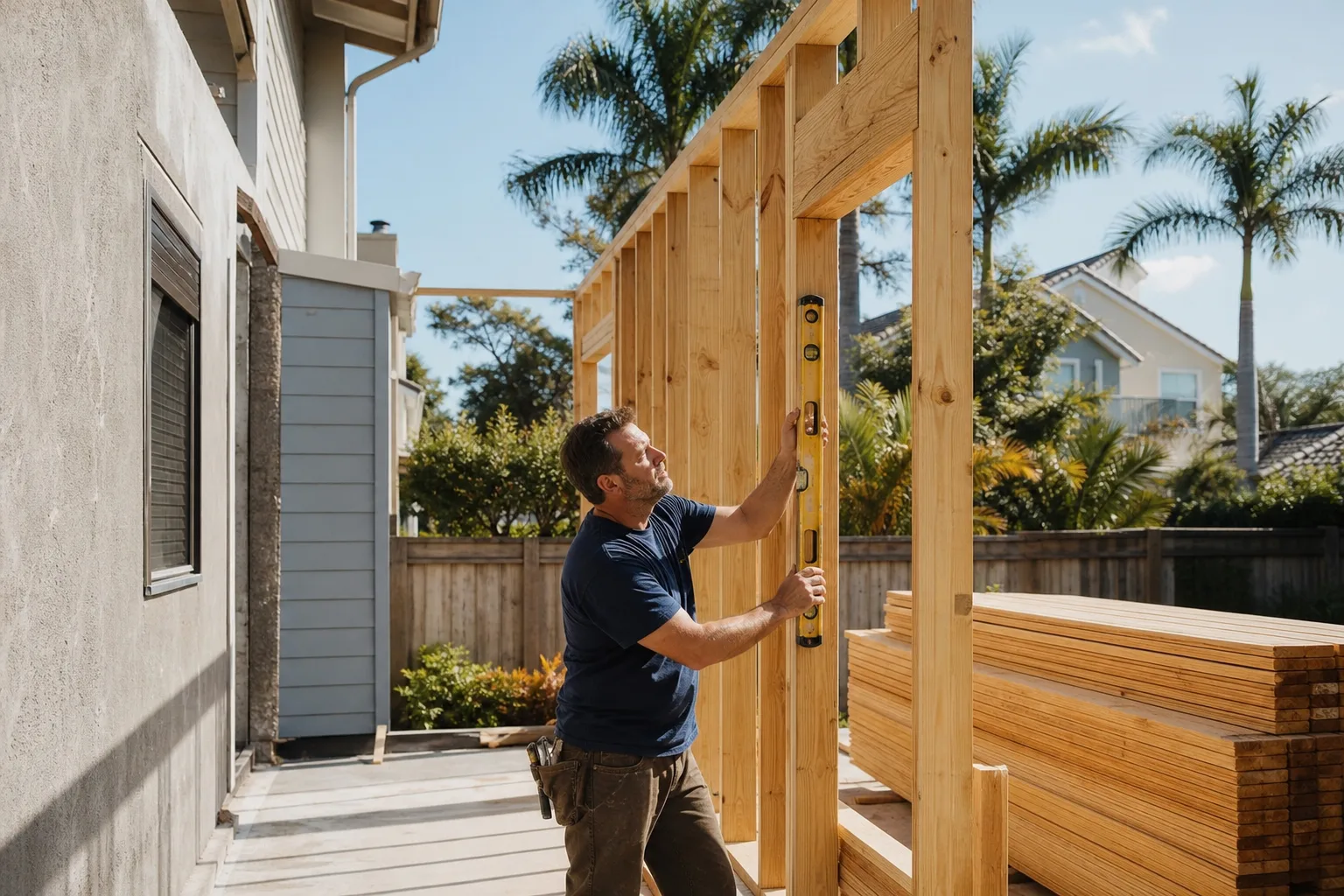
The Structural Costs Nobody Puts in the Comparison Guides
On a balloon-frame Victorian, a rear addition typically needs a new moment frame or shear wall at the connection point: a $12,000-$22,000 structural line item. That number belongs in the written quote before you sign, not in a change order after demo.
The ADU path has its own buried bill. Converting a garage triggers mandatory soft-story retrofit compliance, which can add $25,000-$45,000 in seismic work that a straight rear addition on the same building does not require. It’s an honest cost almost no comparison article surfaces, and it can flip the math on a specific building.
On the hills, add logistics: in Russian Hill, Potrero Hill, and Noe Valley, a delivery truck often can’t reach the door, so crews hand-carry materials and build temporary sidewalk closures. That’s a schedule cost we price in, not discover later.
Side-by-Side: What Each Path Actually Costs and Returns
| Factor | Rear Home Addition | ADU (Garage or New Construction) |
|---|---|---|
| Typical San Francisco cost | $53,100-$153,400 | $106,200-$259,600 (garage conversion: $35,400-$94,400) |
| Property tax effect | Prop 13 reassessment on new construction only (+$80,000-$120,000 assessed on a 400-sq-ft addition) | New construction also assessed, but rental income offsets it |
| Rental income potential | None | $2,800-$3,400/month |
| Permit path | Full discretionary review, neighbor notification, possible DR | “Principally permitted” in most RH zones; not blocked by neighbor DR |
| Counts toward FAR | Yes (RH-1 cap is 1:1) | No, exempt under state law |
| Structural cost to plan for | Moment frame or shear wall: $12,000-$22,000 | Soft-story retrofit if garage conversion: $25,000-$45,000 |
Recommendation: if the goal is a return, the ADU wins on most San Francisco parcels because rent covers the assessment and the permit is defensible. If the goal is three bedrooms for your own family on a lot with FAR left, the addition is the cleaner choice. Our written price covers both paths with named materials, so you’re comparing KraftMaid cabinetry and Kohler fixtures against real line items, not allowances.
Common Local Scenarios We See
- Fully built-out Richmond Edwardian: No FAR left for a rear addition, so we scope an ADU in the existing ground floor instead.
- Contentious block with an active neighborhood group: The “principally permitted” status protects the ADU from a DR filing that would stall an addition.
- Garage already at grade with a clear curb cut: The conversion pencils out fast, but we price the soft-story retrofit up front.
- Fog-belt rear wall with active rot: We open the siding and document the condition in photos before quoting the addition.
Rowan Construction Group San Francisco brings up to 19 years of technician experience to both paths, under a system we call The Haven Standard: Clause 1 is the price in writing before work starts, and no change proceeds without a signed change order. We also offer a free second opinion on any written estimate, line by line. If you’re comparing window or door specs across designs, we source brands like Therma-Tru so the quote names the product. And every visit includes a documented photo record as standard. For the full range of what we build, see our home page and the Home Additions & ADU in San Francisco service page.
FAQs
An ADU usually costs more upfront, with typical San Francisco pricing from $106,200-$259,600 versus $53,100-$153,400 for a home addition, but it can pay back through rent of $2,800-$3,400/month while the addition only raises assessed value. The cheaper build isn’t always the better return. Call (844) 797-6388 for an exact quote on your parcel; estimates are free.
Usually not. In most RH zones, San Francisco’s Planning Code treats ADUs as “principally permitted,” meaning a neighbor generally can’t block them with a Discretionary Review request, unlike a conventional rear addition. Call (844) 797-6388 and we’ll confirm your zone before you plan.
No. ADU square footage is exempt from FAR calculation under state law, which is why a fully built-out Victorian at the 1:1 RH-1 cap can still add an ADU but may have zero room left for a standard addition. Call (844) 797-6388 to check your remaining FAR; the assessment is free.
Often yes. A garage conversion triggers mandatory soft-story retrofit compliance, which can add $25,000-$45,000, while a rear addition on the same building does not. It’s a real cost that belongs in the comparison. Call (844) 797-6388 for a written quote that shows it up front.
If you’d rather have it looked at, Rowan Construction Group San Francisco offers a no-pressure assessment in San Francisco, call (844) 797-6388. We’ll bring tax, permit, and structural numbers to the same table and put the price in writing before work starts.
Written by the team at Rowan Construction Group San Francisco, serving San Francisco, CA.