Last updated November 17, 2026


Free written scope consultation - allowances, timeline, and change-order rules on paper before a single trade is scheduled
Choosing the Right Construction Brand: A Buyer’s Guide for San Francisco
Three of the five most popular exterior paint brands sold at Bay Area hardware stores are not recommended for direct coastal exposure by their own technical data sheets. That fact sits in a footnote on page four of a PDF most contractors never open and most homeowners never learn exists. Choosing construction brands in San Francisco isn’t a taste question. It’s a performance specification problem. Salt air, seismic movement, and persistent moisture rule out whole product categories that hold up fine in Sacramento or Fresno. This guide shows you how to read the evidence, where premium tiers pay back, and which five categories are worth the money. If you want the payoff first: Rowan Construction Group San Francisco home.
Quick Answer
Choose construction brands in San Francisco by matching each product to three exposures: salt-air corrosion, seismic flexibility, and moisture. Marketing claims are not evidence. Request the technical data sheet and the ICC evaluation report, then check them against the city’s local amendments. At minimum, exterior fasteners must be hot-dipped galvanized or stainless, and coastal exclusion footnotes disqualify a surprising number of off-the-shelf products.
Styles & brands we work with
- Kitchen remodeling
- Bathroom remodeling
- Home additions & ADU
- Roofing
- Windows & doors
- Driveway & pavers
- Fence
Table of Contents
- The San Francisco Materials Selection Matrix
- Marketing Claims vs. the Technical Data Sheet
- Fasteners and Anchors: The Corrosion Category Failure
- How to Verify a Brand Before You Submit a Permit
- Five Categories Where Premium Pays Back in Under 10 Years
- Common Mistakes to Avoid
- When to Call a Professional
- Frequently Asked Questions
The San Francisco Materials Selection Matrix
Every product you specify has to clear three tests. We score each category against salt-air resistance, seismic flexibility, and moisture tolerance, because those are the three forces a building in San Francisco actually fights. The matrix below covers the categories you’ll meet on a typical remodel or addition. Brand names here are the ones that come up in real conversations, not a sponsored list.
- Roofing (asphalt shingles): GAF and Owens Corning lines rated for coastal use with a corrosion-resistant fastening system. Moderate seismic flexibility, good moisture tolerance when the underlayment is right.
- Roofing underlayment: Synthetic membranes outperform #15 felt on moisture. This is the category where the cheapest option quietly fails.
- Siding (fiber cement): Strong on salt air and moisture; installed with a drained cavity and stainless fasteners, it handles seismic racking well.
- Siding (vinyl): Acceptable inland, but UV and salt air make color retention the weak point on the coast. Read the TDS for coastal language.
- Fasteners: Hot-dipped galvanized or stainless only. The single biggest spec failure in the city.
- Sealants and caulk: Exterior-grade polyurethane with documented joint movement tolerance. Cheap siliconized acrylics crack within a season.
- Insulation: Rigid foam in wet assemblies, mineral wool where fire and moisture overlap. Check the vapor profile before you close a wall.
- Cabinets: KraftMaid and Wellborn both publish moisture performance data; plywood boxes beat particleboard in a fog belt kitchen.
- Countertops: Cambria and Caesarstone quartz handle indoor humidity well; stone needs sealing in kitchens with strong vapor loads.
- Plumbing fixtures: Kohler and Toto publish finish warranties; read the coastal corrosion exclusions on metal finishes.
- Pavers: Belgard and Techo-Bloc units rated for freeze-thaw and salt; the base specification matters more than the paver brand.
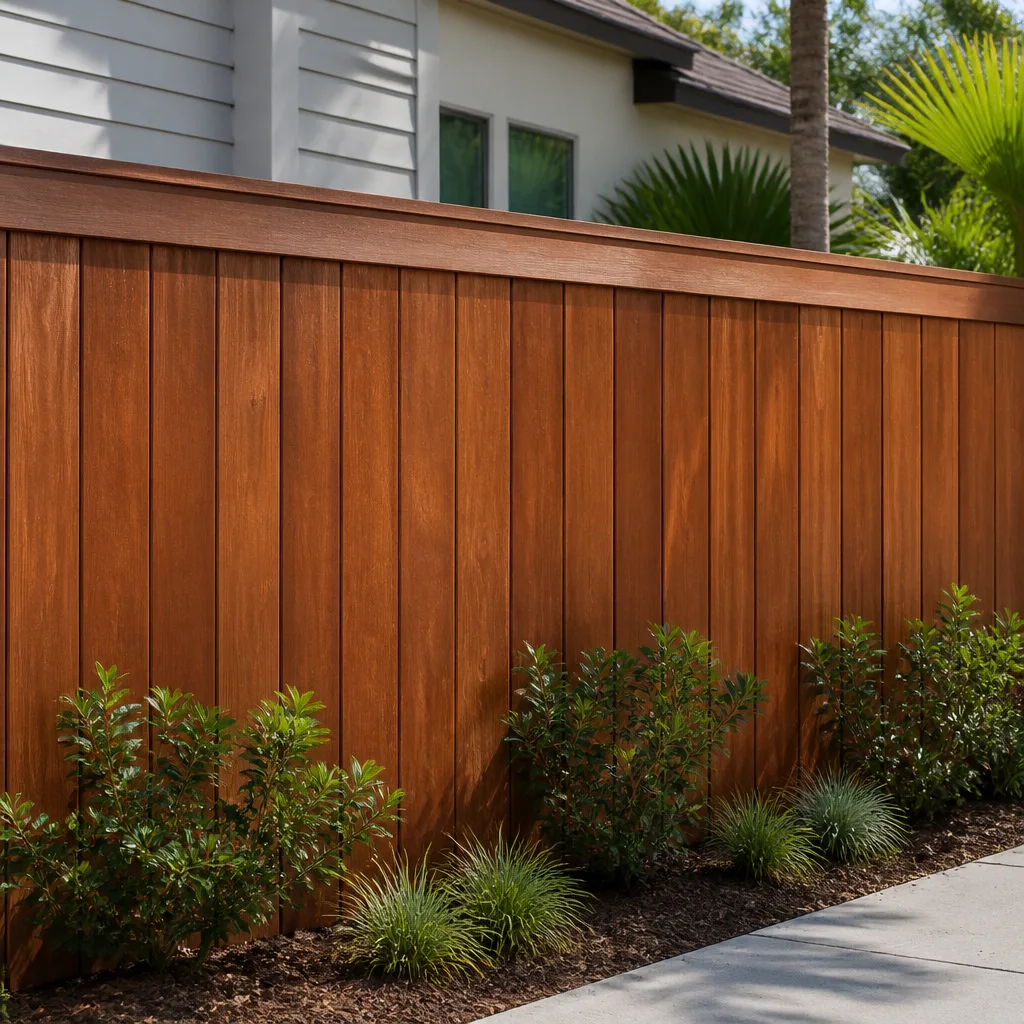
- Fencing: Barrette, Master Halco, Ameristar, and Jerith each publish coastal guidance. Steel needs galvanized or coated systems near the water.
Notice what this list rewards: documented performance, not logo recognition. A brand that publishes coastal exclusions is telling you something. A brand that stays silent on salt air is telling you something too.
Marketing Claims vs. the Technical Data Sheet
The label promises 25 years. The technical data sheet (TDS) is the document that legally defines what the manufacturer actually guarantees, and it’s where coastal exclusions, moisture limitations, and seismic movement thresholds live. These are two different documents written by two different departments for two different audiences. Marketing speaks to you. The TDS speaks to the engineer, the inspector, and the warranty claim.
In our experience, the gap is widest on exterior coatings, sealants, and fasteners. A deck stain marketed as “marine grade” can carry a footnote limiting coastal exposure to a distance from the surf. A caulk advertised for “all exterior surfaces” can cap joint movement at a figure well below what a wood-frame building swings through in a seismic event. A roofing shingle can list a maximum wind speed, a minimum roof pitch, and an installation temperature that doesn’t match a foggy June in the Sunset.
Here’s what to look for on any TDS before you specify a product in San Francisco:
- Search the document for the words “coastal,” “marine,” and “salt.” If they appear as exclusions, the product is telling you where it won’t perform.
- Find the movement or elongation figure for sealants, and the wind and pitch limits for roofing.
- Check the substrate requirements: what the product needs to be installed over, and at what moisture content.
- Confirm the warranty section matches the claims on the label, and note who files the claim if it fails.
A brand that puts this in writing is a brand you can hold to a number.
Fasteners and Anchors: The Corrosion Category Failure
Standard zinc-plated hardware corrodes within 7 to 10 years in San Francisco’s coastal zones. That’s not a slow cosmetic decline. It’s a structural clock running on your deck ledger, your fence posts, and your roof attachments. The minimum specification for city exposure is hot-dipped galvanized or stainless, and that upgrade adds roughly 15 to 20 percent to hardware costs. It is the cheapest insurance on the whole job.
We’ve seen it in the Outer Sunset and the Richmond, where marine-layer humidity sits on metal for weeks. Zinc-plated joist hangers that looked fine on install show red rust and section loss by year eight. The fix is a teardown, not a touch-up. In drier inland pockets like Noe Valley or Bernal Heights, the same hardware lasts longer, but the spec shouldn’t change, because you don’t get to pick your weather for the next decade.
What to confirm on hardware:
- Hot-dipped galvanized (HDG): The coating thickness is specified in the product data; ask for the number, not the word “galvanized.”
- Stainless: The default for coastal and for any anchor embedded in treated lumber, which is corrosive to bare steel.
- Seismic anchors: Look for anchors with an ICC evaluation report that lists a recognized seismic test standard, not just a pull-out rating.
- Coated systems: Some manufacturers offer proprietary coatings for coastal use; read the coverage warranty before trusting it.
When you replace a fence or a deck, this is the category to over-spec, and it’s a conversation we’ll have openly on a Fence Installation in San Francisco walkthrough. Barrette and Master Halco both publish coastal hardware guidance worth reading before you buy the panels.
How to Verify a Brand Before You Submit a Permit
San Francisco’s building department relies on the International Code Council’s evaluation reports, and it also writes local amendments that can override a national report. A product can be code-compliant everywhere else and still require a closer look here. Before you specify a brand in a permit submission, run this protocol:
- Request the ICC Evaluation Service report (ESR) number from the manufacturer or the supplier. It’s a public document.
- Read the report’s installation section for the specific conditions the code official will check: fasteners, spacing, substrate, and fire or seismic classifications.
- Cross-check the report against San Francisco’s local amendments, which the building department publishes and updates.
- Confirm the product’s listing matches the exact model, not just the brand family, since listings are granted by model.
- Note whether the report is current; a withdrawn ESR is a red flag, and a code official will catch it even if you don’t.
- Keep the report and the TDS in the permit file, so an inspector’s question is answered before it’s asked.
This is the administrative half of a build, and it’s where projects earn their paperwork or lose time to it. We bring this record to every job, and it’s the same discipline behind a flat written price: what’s on the page is what gets built.
Five Categories Where Premium Pays Back in Under 10 Years
Paying more isn’t always the smarter call. These five categories have a documented payback inside a decade in San Francisco conditions, because the failure cost is so high that the premium tier fixes itself. On a home addition, the cost of a failed membrane dwarfs the difference in material price, so these are the five places we recommend spending up. You’ll see the same logic on a Home Additions & ADU in San Francisco project, where a single moisture failure behind a finished wall means opening it back up.
- Roofing underlayment: A premium synthetic membrane outlasts cheap felt and keeps the roof deck dry when the shingle above needs repair. The difference is a few dollars per square; the failure cost is a ceiling.
- Flashing tape: Butyl and high-tack tapes hold around penetrations and valleys where water pools. Cheap tape dries and peels, and the leak shows up on the other side of the wall.
- Exterior caulk: A polyurethane with documented movement tolerance closes the joints a seismic shift opens. Cheap acrylic cracks, and every crack is a path for water.
- Deck coating: A coating that tolerates coastal moisture and foot traffic holds its film. A cheap coating chalks and recedes, and you’re back to bare wood in three seasons.
- Seismic anchor hardware: A rated anchor with a current ESR gives you a detail you can point to and an inspector who signs off. The premium is small against the risk of a retrofit.
In each case, the math is simple: the premium is a few percent of a project, and the failure cost is a full replacement. That’s the definition of a documented payback.
See the difference
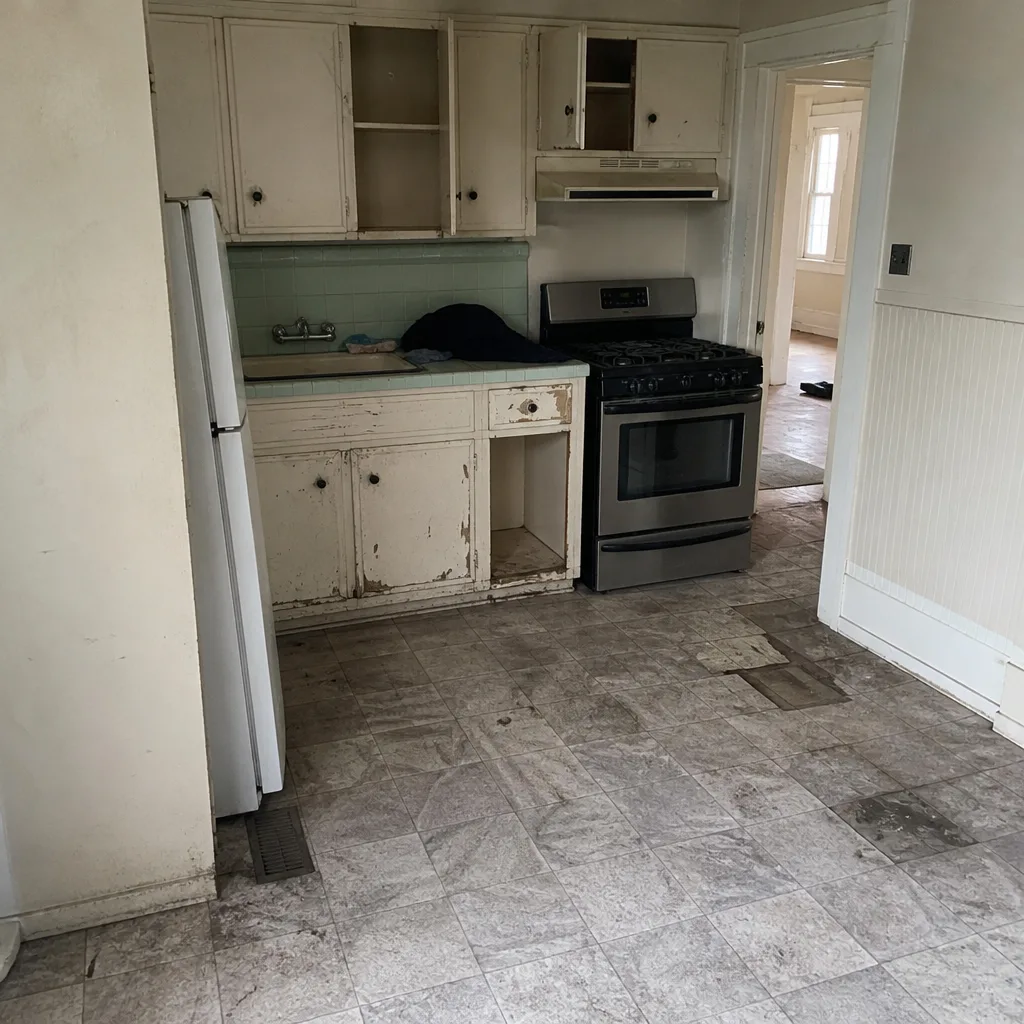 Before
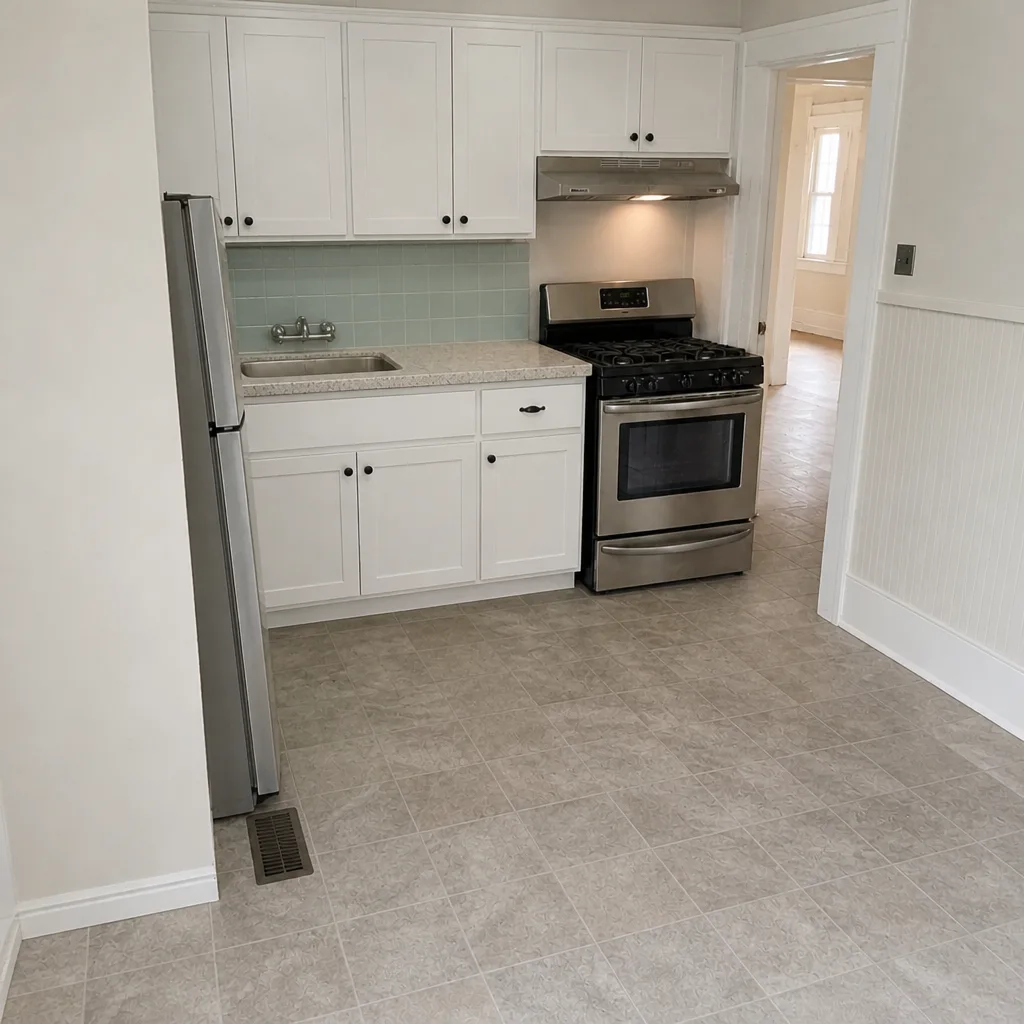 After
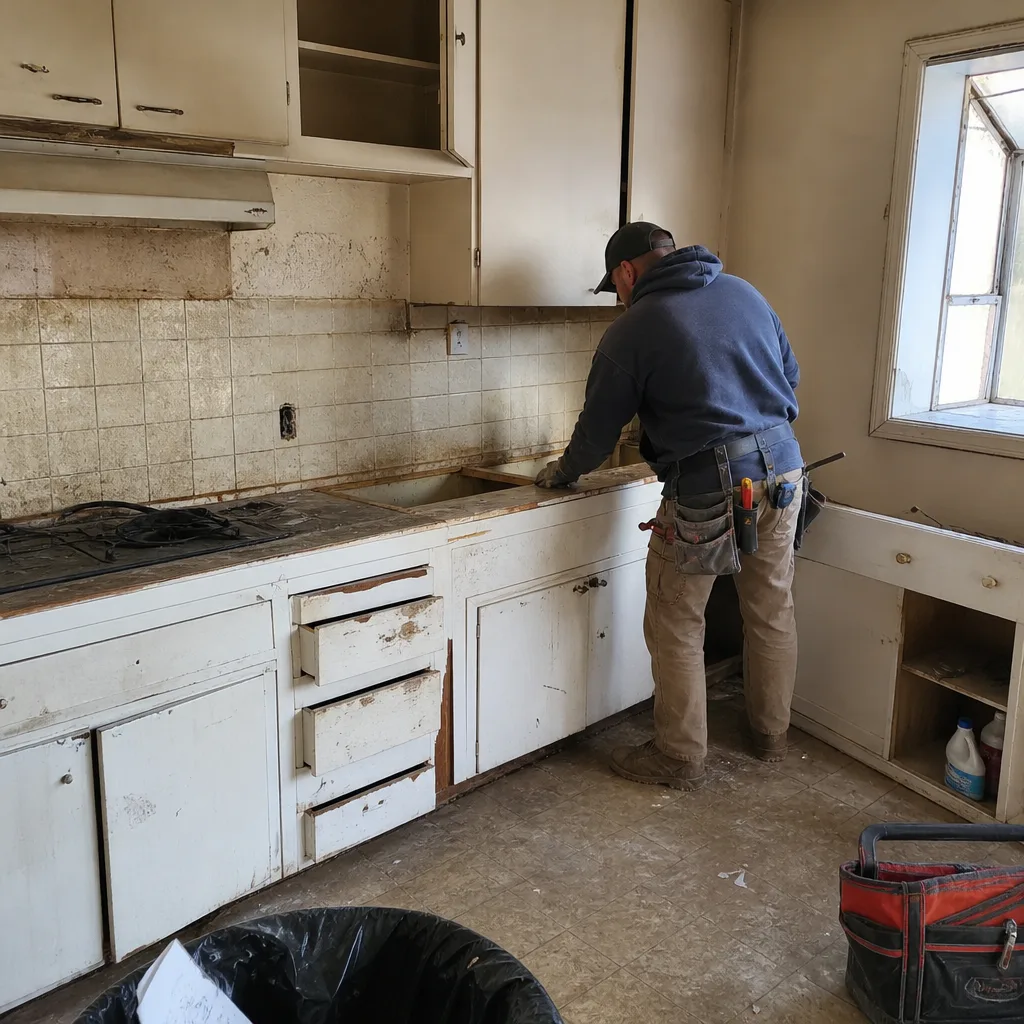 Before
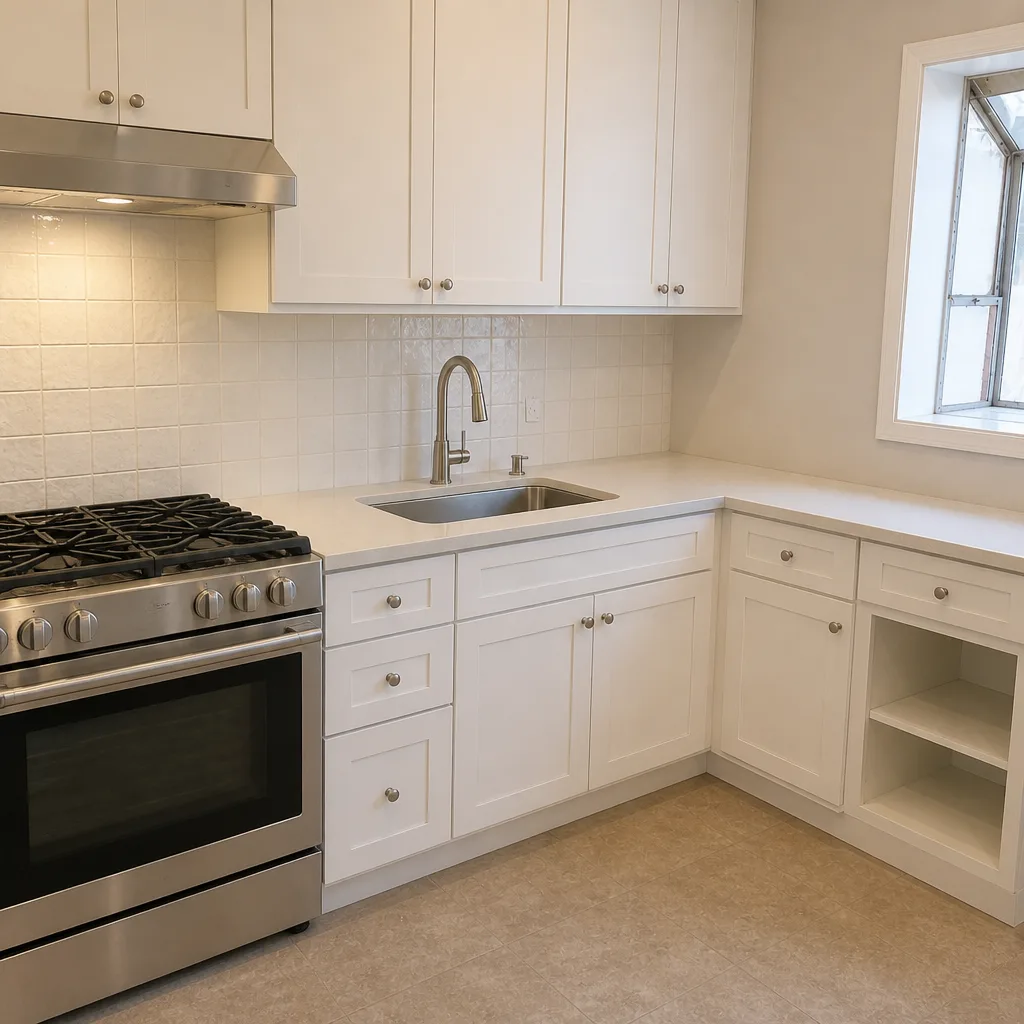 After
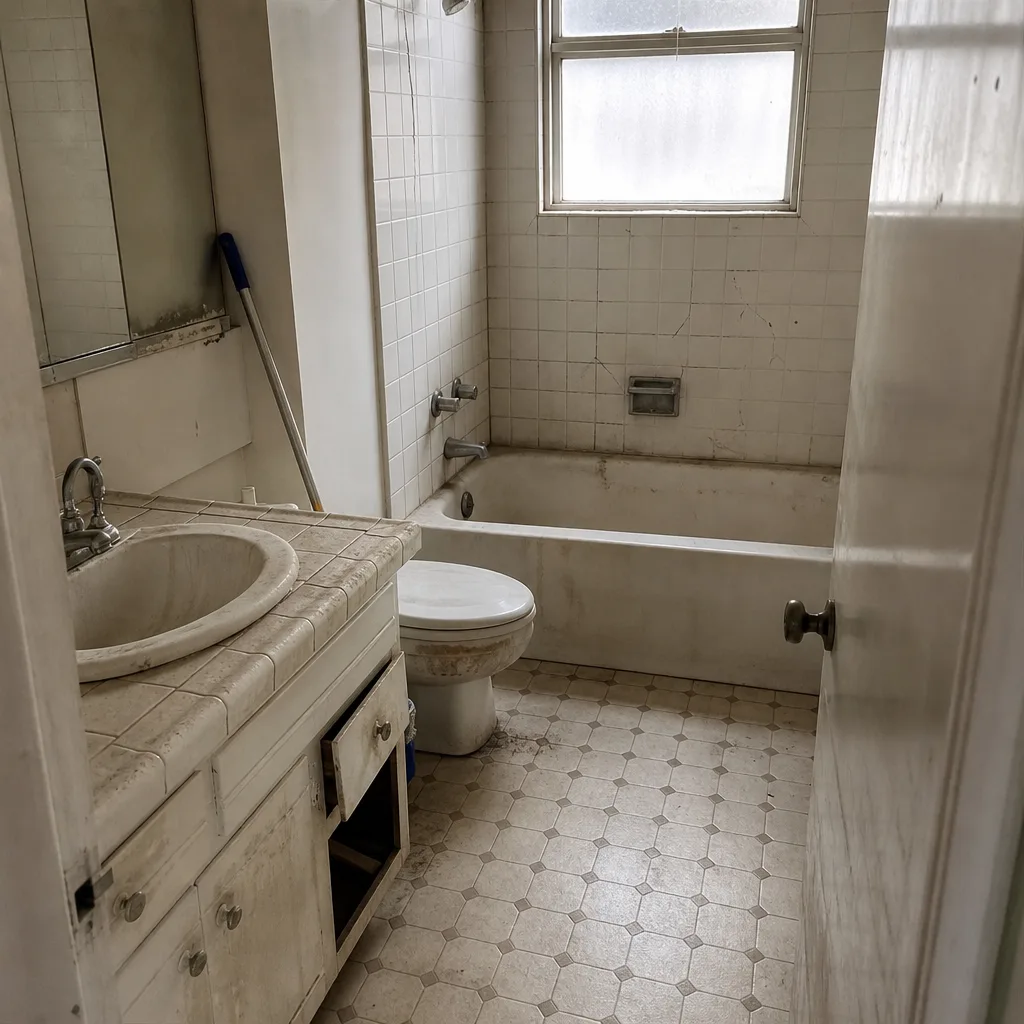 Before
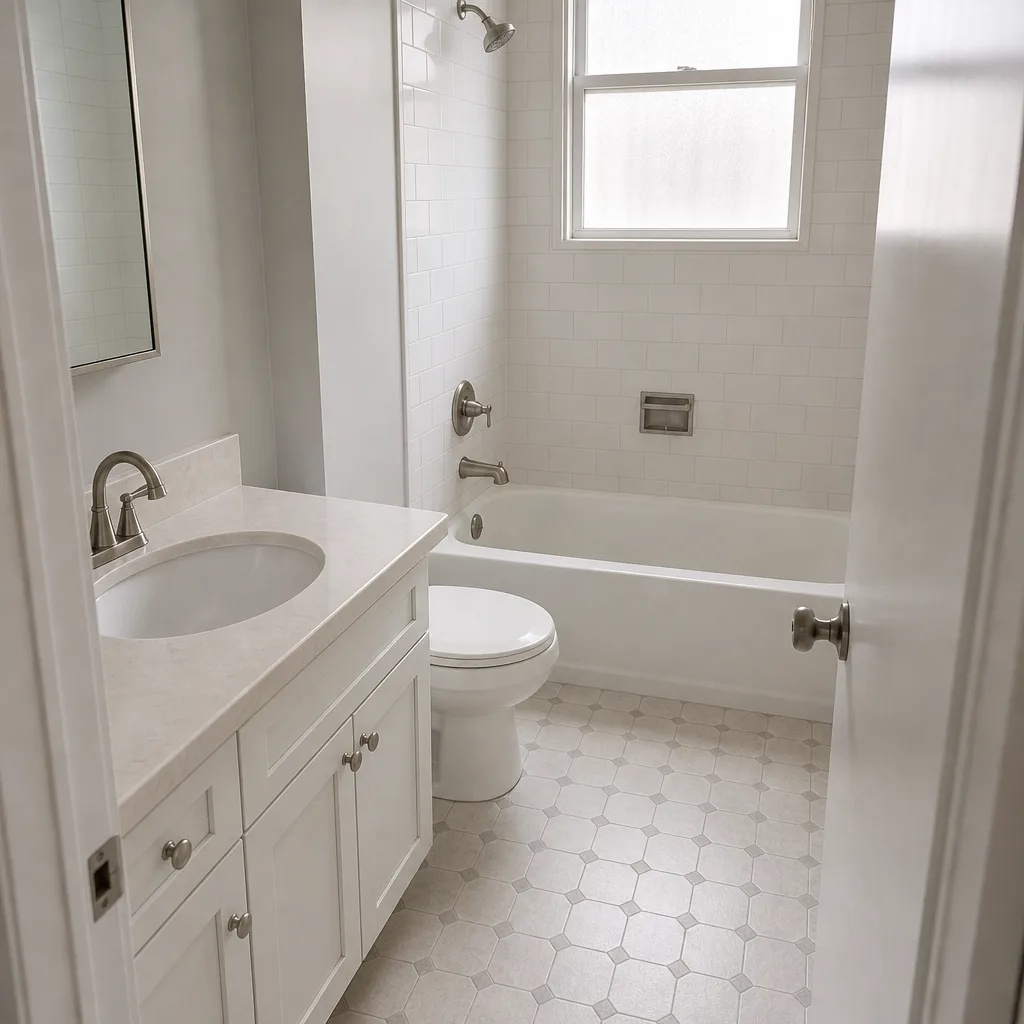 After
Common Mistakes to Avoid
- Trusting the label instead of the TDS. The data sheet is the document a warranty claim depends on. If you never read it, you never know what the manufacturer actually excluded, and coastal exclusions are common throughout San Francisco.
- Letting the crew pick the fasteners. Zinc-plated hardware dies in eight to ten years in the city. Specify HDG or stainless before the crew shows up, not after the ledger is bolted.
- Skipping the ICC check. A product that works in Phoenix can fail to match San Francisco’s local amendments, and a permit rejection costs more than the material upgrade would have.
- Buying the cheapest underlayment to save a few hundred dollars. The difference in cost is a rounding error next to a roof deck replacement in a wet year.
- Choosing a fence panel without a coastal guidance review. Barrette, Ameristar, and Jerith publish guidance on coatings; skipping it means rust inside five years on the coast.
- Accepting a verbal price. A brand story is not a number. Get a flat written price with a written scope before any tool comes out of the truck.
- Changing a product mid-build without a signed order. The change is where budgets drift, and the discipline of a signed change order is the thing that keeps a project within a few percent of the number you agreed to.
When to Call a Professional
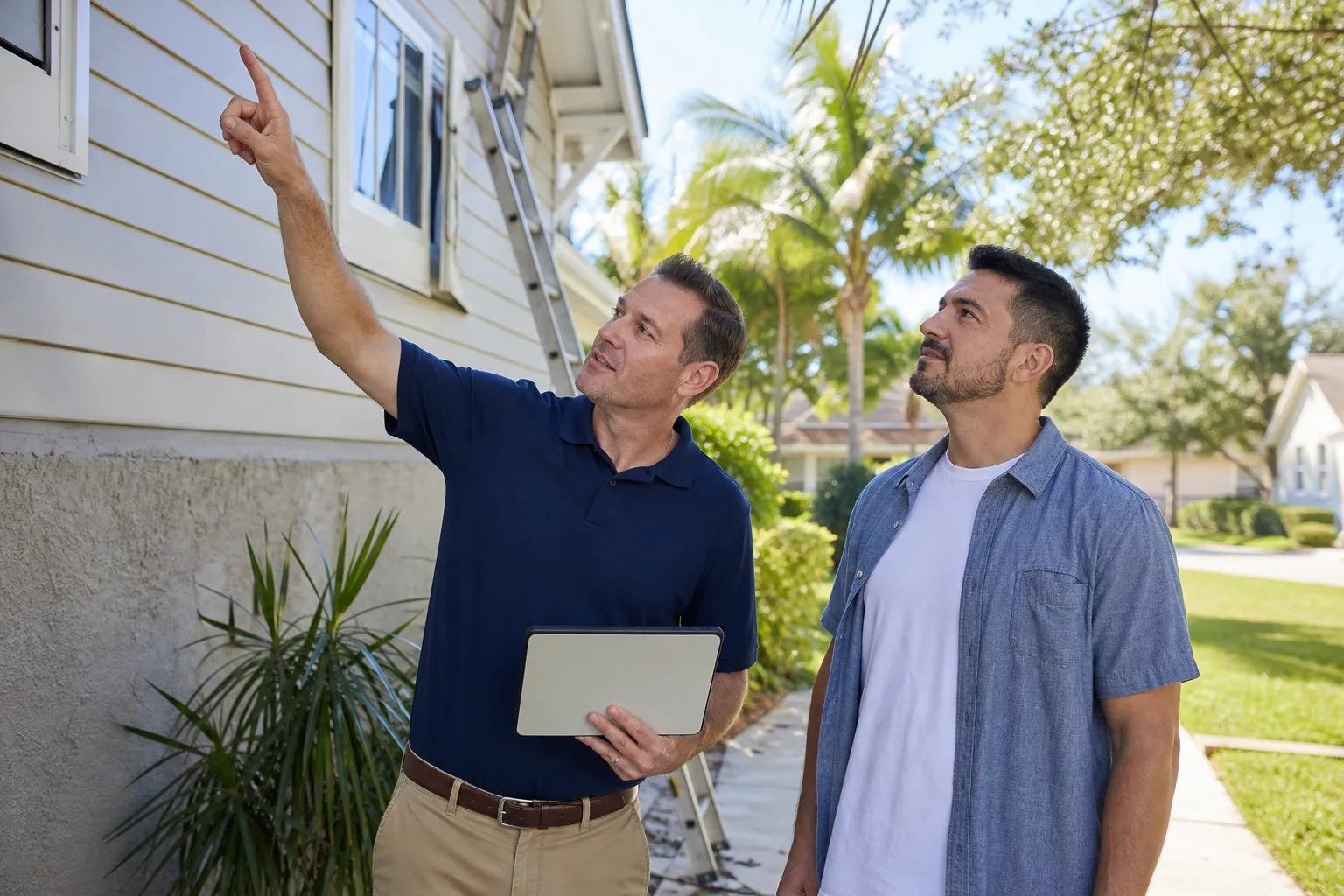
Some of this guide is admin work you can do yourself: pull the TDS, request the ESR, cross-check the amendments. But there are situations where a wrong call is a safety and structural problem, not a paperwork problem. A deck ledger anchored with the wrong hardware fails under a load. A roof underlayment specified too thin lets water into the framing. A seismic anchor rated for the wrong condition doesn’t do what the permit says it does. If you’re replacing a deck, a roof, or an addition’s envelope, walk it with someone who has the record to show what they found, not just an opinion about it. Rowan Construction Group San Francisco offers free estimates in San Francisco, with a flat written price and a documented photo record of the visit. Call (844) 797-6388 to schedule your free estimate, and bring a competitor’s quote for a free second opinion we’ll review line by line at no charge.
Frequently Asked Questions
There’s no single best brand, because the right choice depends on exposure. For roofing, GAF and Owens Corning lines rated for coastal use. For cabinets, KraftMaid and Wellborn. For countertops, Cambria and Caesarstone. For pavers, Belgard and Techo-Bloc. For fencing, Barrette, Master Halco, Ameristar, and Jerith. The brand that publishes coastal and seismic data is the one to trust. Call (844) 797-6388 and we’ll walk you through the specific options for your San Francisco project, with a free estimate.
Salt air and persistent marine-layer moisture accelerate corrosion, and standard zinc-plated hardware rusts through within 7 to 10 years in coastal zones. The minimum spec is hot-dipped galvanized or stainless, which adds roughly 15 to 20 percent to hardware costs. The upgrade is cheap against a deck or fence replacement. Call (844) 797-6388 for an exact quote, and the estimate is free.
Request the manufacturer’s ICC Evaluation Service report, read the installation section, and cross-check it against the city’s local amendments before you submit a permit. A current ESR is the document the code official will look for. If a supplier can’t produce it, treat that as a no. We keep those documents in every project file, and a free estimate includes a look at the specs for your scope.
In five categories, yes, because the payback is documented inside ten years: roofing underlayment, flashing tape, exterior caulk, deck coating, and seismic anchor hardware. In each case the failure cost is a full replacement, and the premium is a few percent of the project. Outside those categories, match the spec to the exposure and no more. Call (844) 797-6388 to get a written line-item quote so you can see where the money lands.
No. Under Clause 1 of The Haven Standard, the price is written before anyone starts, and no change proceeds without a signed change order, which is how projects finish within a few percent of the agreed number. That’s the whole point of a flat written price with a written scope. Call (844) 797-6388 and we’ll put your number in writing, free.
Yes. Permits are pulled and inspections are passed as part of the project, and that’s also why the brand verification matters, because a permit submission depends on a current ICC report and the local amendments. Every crew is background-checked and uniformed, and the documented photo record comes standard. Call (844) 797-6388 to schedule your free estimate.
The Bottom Line
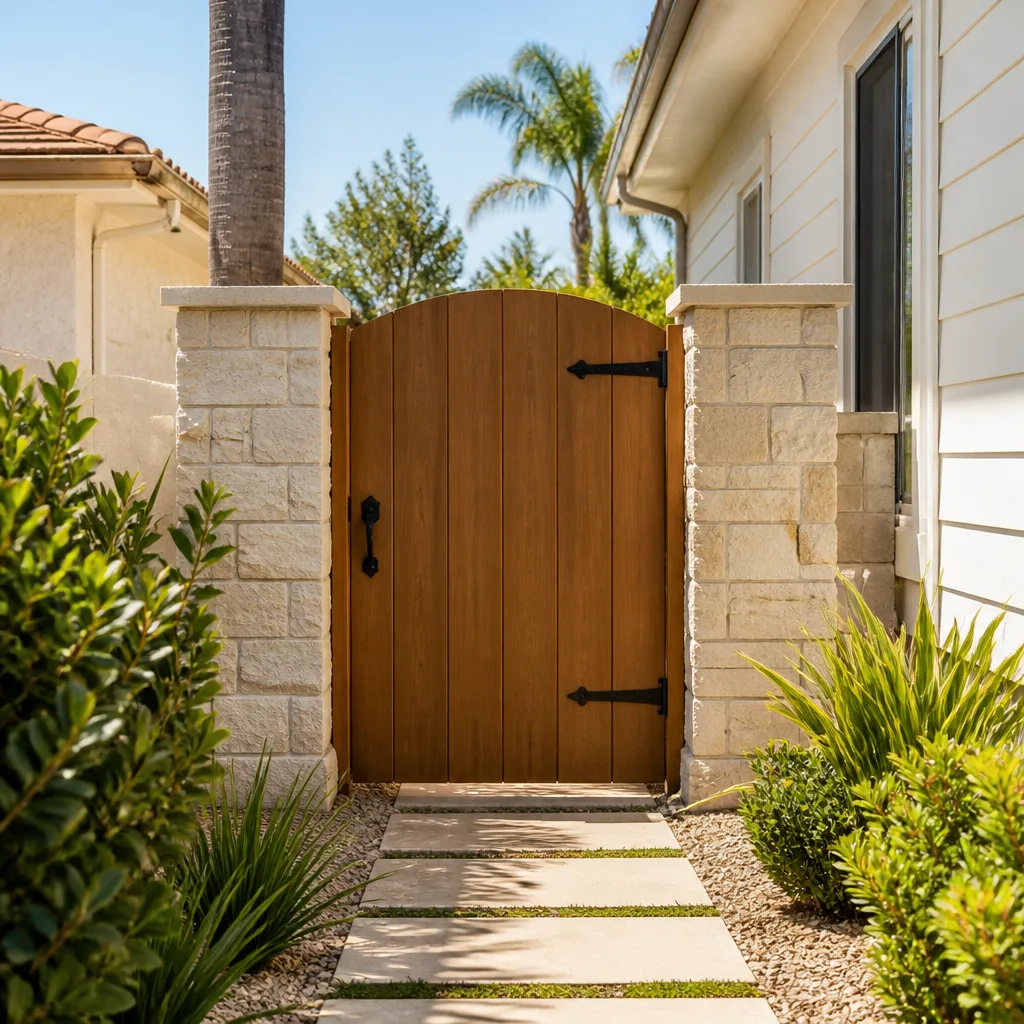
In San Francisco, brand choice is a spec choice. Read the technical data sheet and not just the label, because coastal exclusions are common and the warranty depends on the fine print. Use hot-dipped galvanized or stainless fasteners everywhere, verify the ICC report against the city’s amendments before you submit, and spend up in the five categories with a documented payback. Then get a flat written price with a written scope, and make sure no change happens without a signed change order. That is how a project in this city finishes within a few percent of the number you agreed to. If you’re ready to price it, start with Driveway & Pavers in San Francisco, or call us and we’ll do the reading with you.
Rowan Construction Group San Francisco is the contractor that puts the number in writing before anyone picks up a tool, with a 365-Day Done Right Promise, no-hassle upfront pricing, background-checked and uniformed technicians with a live person answering calls, and a documented photo record on every visit. Call (844) 797-6388 to schedule your free estimate.
Written by the team at Rowan Construction Group San Francisco.